REVIEW · BREMEN
Bremen: Übersee Museum Entrance Ticket
Book on GetYourGuide →Operated by Übersee-Museum Bremen · Bookable on GetYourGuide
World cultures, stitched into one museum day.
With this Übersee-Museum entrance ticket, you get a self-guided journey through trade, people, and nature—plus modern themes like migration and climate change. I especially love how the museum uses hands-on style learning, so you are not just reading labels. I also like the way it jumps by region—Africa, Asia, and the Americas—so your day feels like you are moving across the world, not watching the same display format repeat. One thing to consider: the route is packed, so if you want a slow, deep look at every room, plan more time than you think.
If you like museums that make connections, you will have fun here. The ticket includes a media guide, which helps you focus when the building offers a lot of possible paths. And the exhibits use staging and animal dioramas to bring distant places into reach without feeling like a bland slideshow.
My only real drawback is that you have to work around the rules for photos. Flash is not allowed, private photography is only allowed without flash and tripod, and some exhibits are marked as not photographable—so it helps to be ready to enjoy with your eyes, not your camera.
In This Review
- Key things I’d prioritize at Übersee-Museum Bremen
- Why the Übersee-Museum Bremen feels different with just an entrance ticket
- Making the most of your 1-day museum pass
- Colonial history and interactive displays: the learning parts that actually stick
- Asia at the museum: rainforest by night, mega cities, and spiritual traditions
- Africa galleries: cradle of mankind, ancient Egypt, and animal dioramas
- The Americas zone: indigenous life and Pre-Columbian golden treasure
- Modern issues in the world go round exhibition: migration and climate change
- Übermaxx: the world treasures area that keeps things moving
- Media guide and free WLAN: small extras that make a big difference
- Practical details: photos, pacing, and who will enjoy it most
- Price and value: is $17 good for what you get?
- Should you book the Bremen Übersee-Museum entrance ticket?
- FAQ
- How much does the Übersee-Museum Bremen entrance ticket cost?
- How long is the ticket valid?
- What’s included with the ticket?
- Is there a tour guide included?
- Are photos allowed inside the museum?
- Is the museum wheelchair accessible?
Key things I’d prioritize at Übersee-Museum Bremen
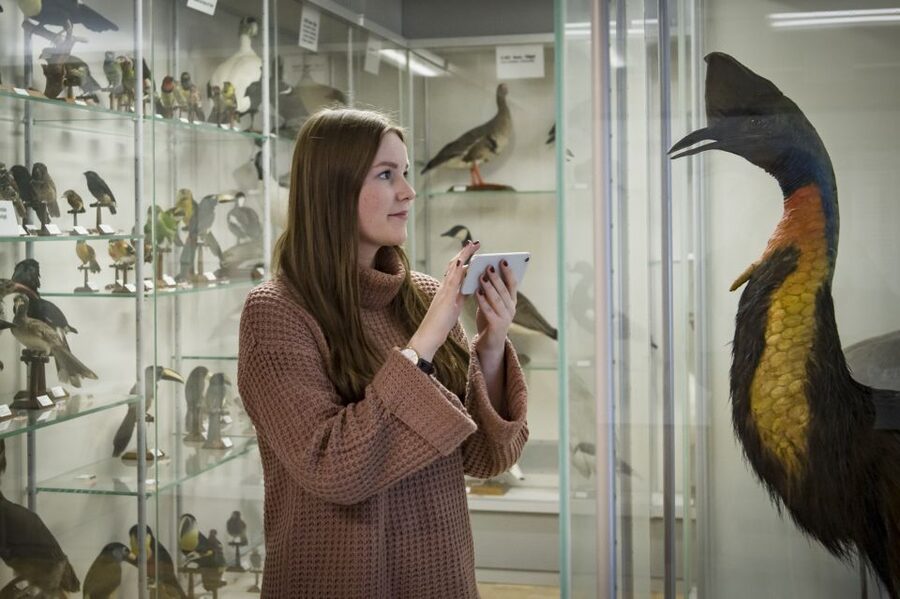
- Colonial history context presented alongside modern global consequences
- Interactive stations that make learning feel active, not passive
- Africa exhibits with animal dioramas and staged nature scenes
- Asia highlights including an Asian rainforest by night concept and mega-city themes
- America zone featuring indigenous life and Pre-Columbian golden treasures
- What makes the world go round for migration and climate change topics
Why the Übersee-Museum Bremen feels different with just an entrance ticket
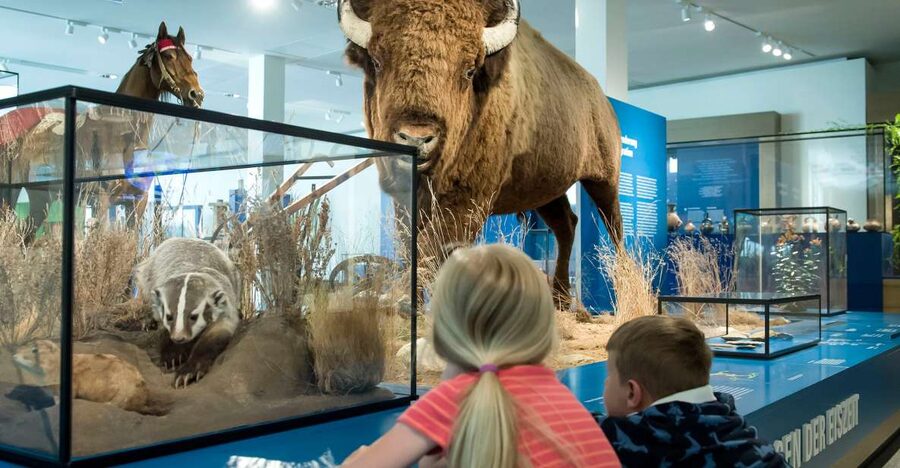
This is not a quick “walk past some rooms” museum. Your ticket gives you access to a large, world-focused set of galleries where history, nature, and current issues talk to each other. You are free to move in your own order, which matters here because certain exhibit areas will grab you more than others.
I like that the museum is built around the idea of connections: people, trade, and nature. That theme runs through different continents and time periods, so your brain keeps linking one display to the next. It is the kind of setup where you start noticing patterns—how commerce shaped cities, how migration reshapes societies, and how climate pressure changes daily life.
Making the most of your 1-day museum pass
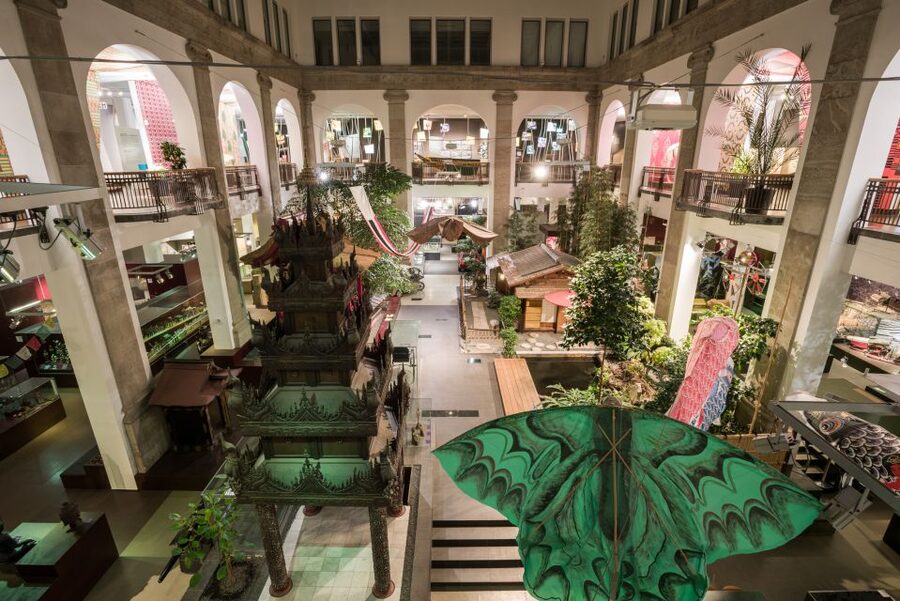
The ticket is valid for 1 day from first activation, which is perfect if you want a full indoor day in Bremen. Because it is an entrance ticket (not a fixed guided tour), you should treat it like choosing your own route with built-in “anchors.”
Here is a practical way to pace it:
- Start with one big region (Asia or Africa) so your head is in the right frame early.
- Then switch continents once, so the museum keeps its variety momentum.
- Save one of the modern-topics areas for mid to late in your day, when you are ready for the heavier themes.
If you rush, you will end up skipping the details. If you go slower, you may notice how the museum uses staging—dioramas, model environments, and exhibit stations—to make information feel physical.
Colonial history and interactive displays: the learning parts that actually stick
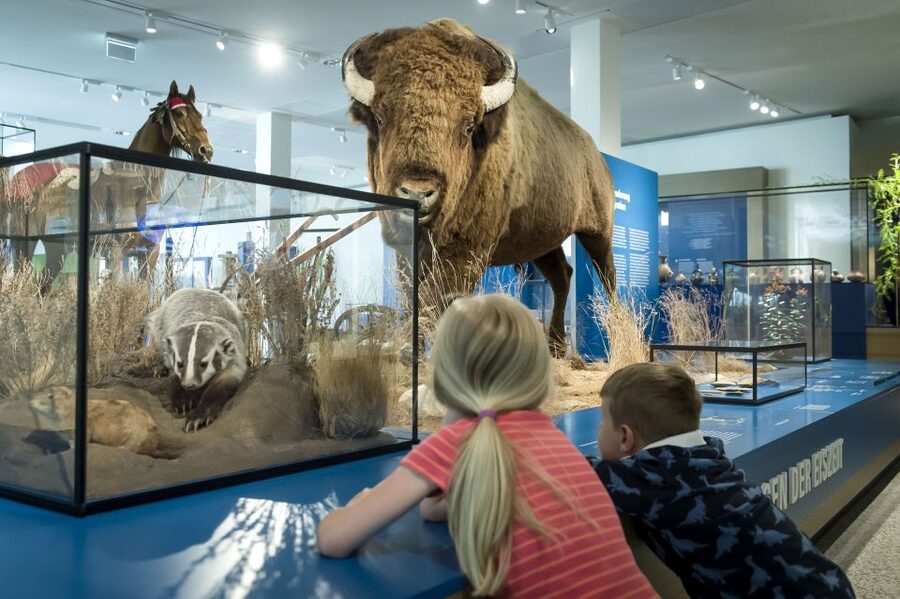
One of the strongest themes is Germany’s colonial history. You can expect that context to show up as part of the museum’s broader story about trade and contact between regions. Rather than treating colonialism as a distant topic, the museum folds it into how the world moved—goods, people, ideas, and power.
The interactive educational displays are also a big part of the experience. I like learning when the museum gives you a reason to pause, try, or respond rather than just reading. Here, the exhibits are designed so you can engage your senses—especially in the animal and environment areas where the “scene” is part of the lesson.
Asia at the museum: rainforest by night, mega cities, and spiritual traditions
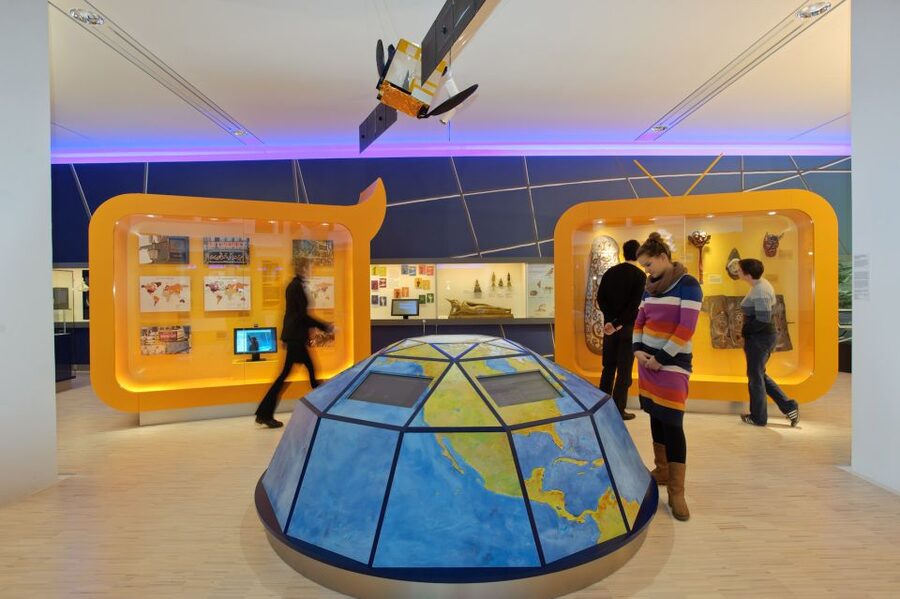
The Asia section is built around multiple angles, not one single “theme park” approach. You will see an Asian rainforest by night concept, plus displays that focus on mega cities and how people live in dense urban worlds. The museum also includes material around spiritual and traditional practices, which helps Asia feel more than just geography.
A smart strategy is to slow down in the Asia rooms where atmosphere is part of the storytelling. Night-mode concepts and environment-focused staging can be easy to skim past, but they reward attention—especially if you are curious how daily life changes when the setting changes.
If you love city energy, the mega-cities angle may be a highlight because it shifts your brain from “distant nature” to “human systems.” If you prefer more reflective learning, the spiritual and traditional displays give you a different kind of perspective.
Africa galleries: cradle of mankind, ancient Egypt, and animal dioramas
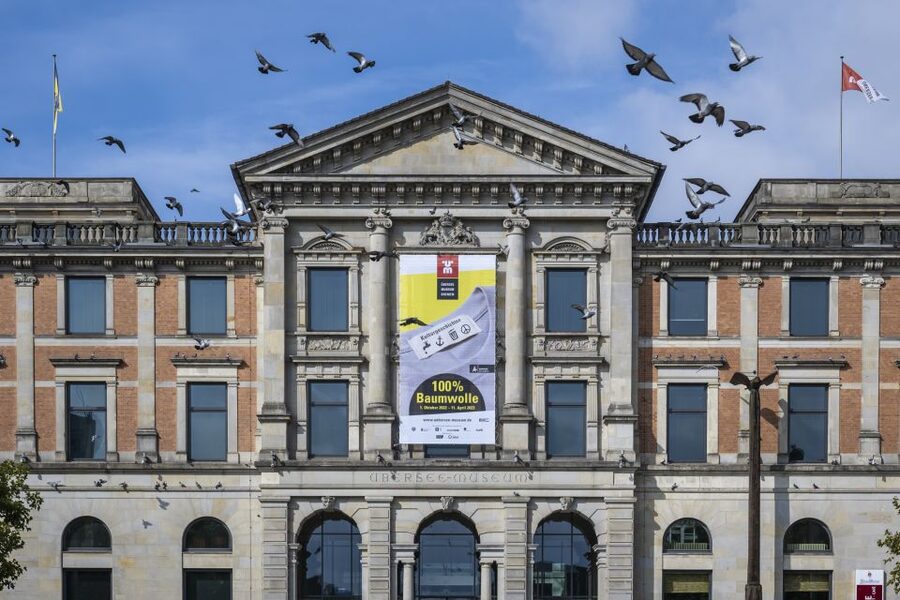
Africa is one of the areas that really benefits from focused time. The museum points you toward the cradle of mankind and also brings in ancient Egypt as part of its Africa story. Expect animal dioramas and staging that try to replicate nature settings, so you are not just looking at artifacts—you are “in” a curated environment.
Animal dioramas can be hit-or-miss in some museums, depending on how they are presented. Here, the presentation is meant to help you connect landscapes with wildlife native to Africa and Asia, which gives the scenes a purpose. You are looking at nature and learning how it fits into a bigger story about region and ecosystem.
If you take one hour in Africa, I would spend it in two parts: first the history anchors (cradle of mankind / ancient Egypt), then the nature-and-wildlife scenes. That way, you do not mentally flatten Africa into one category.
The Americas zone: indigenous life and Pre-Columbian golden treasure
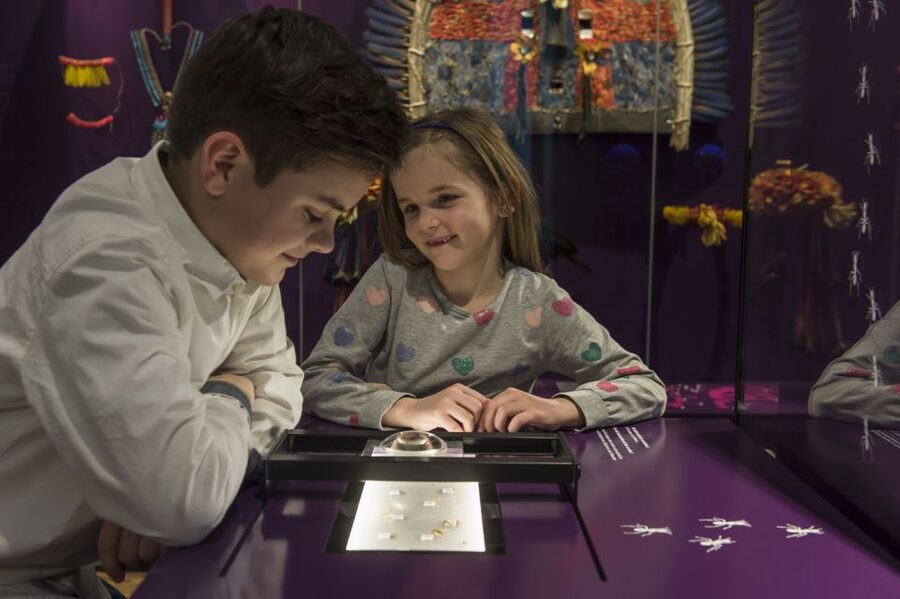
Head toward the America zone if you want the museum’s storytelling to shift from Africa and Asia into a different cultural timeline. The galleries cover life of indigenous populations in North and Latin America, which adds human context rather than leaving the continent as scenery.
One exhibit that draws attention is the Pre-Columbian golden treasure. Even if you are not a dedicated archaeology person, golden objects tend to work well in museum settings because the visual impact makes you slow down. The key is to read the surrounding context so you understand what you are seeing—where it comes from, what it represents, and how it connects to older civilizations.
The America section is a good time to recalibrate your pacing. If you felt overwhelmed in the Africa rooms, you can use the America exhibits as a more focused “center of gravity” by spending longer near the anchor displays.
Modern issues in the world go round exhibition: migration and climate change
The museum does not stop at historic trade routes and ancient worlds. In the What makes the world go round exhibition, you will find current topics such as migration and climate change.
This is one of the most valuable parts for many visitors because it ties the museum’s global themes to the here-and-now. You start seeing how cultural movement and environmental stress are not just abstract concepts. They shape jobs, cities, family life, and political choices.
If you want this section to land well, do not treat it like a quick stop. Give it enough time to read the station-style presentations. Then look back at earlier exhibits—colonial history, city themes, and nature scenes—and you will likely see the connections more clearly.
Übermaxx: the world treasures area that keeps things moving
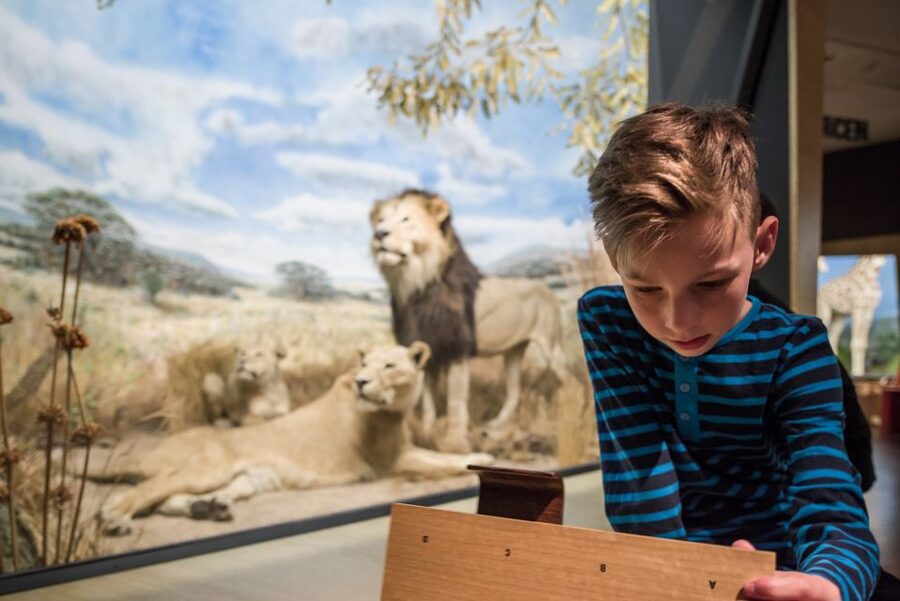
In the later part of your visit, make time for Übermaxx. This is presented as a place to uncover treasures from all over the world. I like it because it feels like a change of gear after the more topic-driven galleries.
“Treasure” areas can sometimes become a generic grab-bag. Here, you get more value if you treat it like a question: what kinds of objects are included, and why would a museum group them this way? Even without knowing every detail, you can learn a lot just by comparing materials, craftsmanship, and the cultural framing around each object category.
Media guide and free WLAN: small extras that make a big difference
Your ticket includes a media guide and free Wi‑Fi, which is genuinely helpful in a museum with many rooms and themes. The media guide can help you decide where to spend time when there are multiple ways to interpret the space.
Wi‑Fi matters more than it sounds. If you are traveling with a phone or tablet, you can use it to look up context while you are in the moment. It is also useful for keeping your navigation simple so you do not waste energy backtracking.
Even if you do not use every digital feature, the guide makes the museum feel less random and more structured around your interests.
Practical details: photos, pacing, and who will enjoy it most
Photography rules are clear: flash photography is not allowed, and private photography is allowed without flash and tripod. Some exhibits that may not be photographed are marked, so keep an eye out for signage.
For a smoother day:
- If photography matters, skip tripod plans and rely on handheld shots without flash.
- If labels bore you, still try to read the short interpretive text near interactive stations. That is usually where the exhibit meaning is hiding.
Who is this best for? I think it fits people who like world museums with a mix of cultures and natural-world themes, not just one single-country focus. It is also a good match for families or anyone who appreciates interactive learning points, because you have places to pause and engage rather than only stand in front of glass.
If you hate museums with heavier modern topics, you might want to plan your time so migration/climate sections do not dominate your emotional energy. If you like those topics, you will probably find the museum’s approach thoughtful and not purely lecture-style.
Price and value: is $17 good for what you get?
At about $17 per person, this ticket is strong value because it buys you a full day inside a museum that covers multiple regions and multiple time periods. Entrance pricing is only “cheap” if the museum is big enough to justify the time, and here the structure is designed for a longer visit.
Also, you are not paying extra for the media guide or for free Wi‑Fi. Those extras make it easier to understand what you are seeing and to move through the collection efficiently, which is part of value you feel during your visit, not later.
Food and drinks are not included, so plan on buying something outside the museum or bringing your own where allowed by the site rules. The big win is that you get a full museum experience without needing an added tour ticket.
Should you book the Bremen Übersee-Museum entrance ticket?
If you want one ticket that covers colonial history, interactive learning, regional galleries across Asia, Africa, and the Americas, and modern themes like migration and climate change, then yes, book it. This is also a smart choice if you like museums where you can set your own rhythm and pick what to emphasize.
I would skip it only if you are looking for a short, guided experience with a dedicated live guide, because this is entrance-only with a media guide, not a group tour. If that sounds right for you, this ticket is a very practical way to spend a full day understanding the world through real objects, staged environments, and current-issue context.
FAQ
How much does the Übersee-Museum Bremen entrance ticket cost?
The price is listed as $17 per person.
How long is the ticket valid?
The ticket is valid for 1 day, starting from the first activation.
What’s included with the ticket?
You get an entrance ticket to the Übersee-Museum, a media guide, and free Wi‑Fi.
Is there a tour guide included?
No. A tour guide is not included, but the media guide is provided.
Are photos allowed inside the museum?
Photography for private purposes is allowed without flash and without a tripod. Some exhibits may not be photographable and are marked accordingly.
Is the museum wheelchair accessible?
Yes. The activity is wheelchair accessible.