REVIEW · LONDON
London: British Museum Guided Tour with Priority Timeslots
Book on GetYourGuide →Operated by BEST TOURS LONDON LTD · Bookable on GetYourGuide
Two hours at the British Museum, done right. This tour is built for high-impact highlights with priority entry and optional headsets, so you can move through the museum without losing time in lines. In the best cases, guides like Daniel also keep the flow lively and easy to follow.
What I really liked was the way this tour turns the museum into a route, not a maze. The Great Court glass roof gives you instant orientation, and the guiding style aims to help you connect objects across Egypt, Greece, and early England instead of treating everything like separate displays.
One thing to consider: 2 hours is short, so you will see major works, not everything. If you’re the type who hates feeling rushed, plan to return on your own after the tour.
In This Review
- Key highlights to know before you go
- A British Museum highlight tour that actually respects your time
- Where you start at 52 Great Russell St, and what the yellow flag means
- Priority timeslots and skip-the-line: what it changes in real life
- Great Court glass roof: the perfect first stop
- The Parthenon Sculptures (Elgin Marbles): what to look for fast
- Egyptian mummies, Ramesses II, and the Rosetta Stone connection
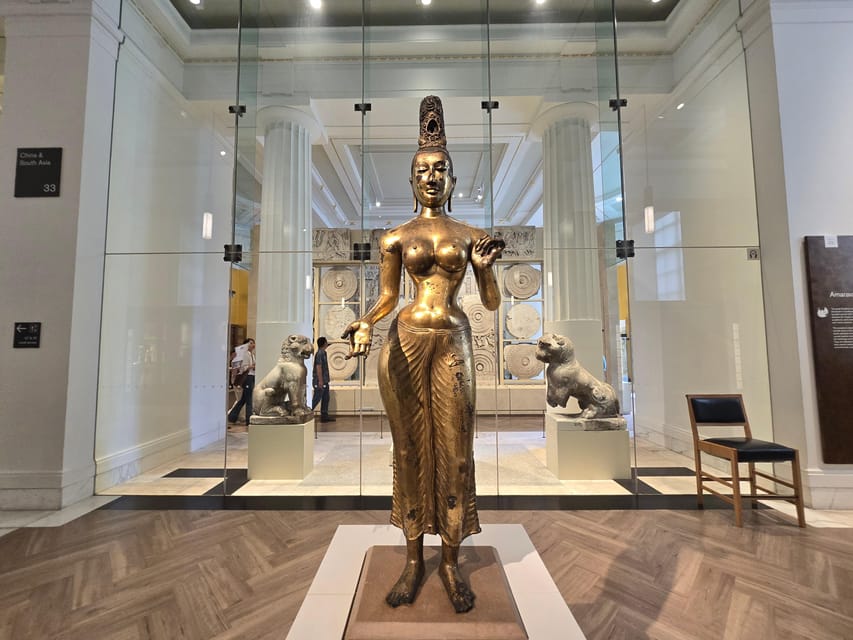
- Enlightenment Room plus Chinese and Southeast Asia works
- Sutton Hoo ship burial: Anglo-Saxon England in sharp focus
- Headsets, guide pacing, and how to get more out of a 2-hour route
- Price check: why $53 can make sense in London
- Who this tour suits best (and who should reconsider)
- Should you book this British Museum guided tour?
- FAQ
- What time should I arrive for the meeting point?
- How long is the British Museum tour?
- What’s included with the ticket and tour?
- Which languages are offered for the guide commentary?
- Is flash photography allowed?
- Is this tour suitable for wheelchair users or hearing-impaired people?
Key highlights to know before you go
- Priority timeslots + a separate entrance help you skip the busiest bottlenecks.
- Headsets (optional) make it much easier to hear clear commentary while you’re walking.
- Great Court orientation first, so you understand the museum’s layout fast.
- Elgin Marbles and Egyptian mummies are covered as true headline stops, not quick photo breaks.
- Sutton Hoo focus brings Anglo-Saxon England into sharp focus, even within a tight schedule.
A British Museum highlight tour that actually respects your time
The British Museum can swallow whole days. With 8 million artifacts spread across 70+ galleries, it’s not that you can’t see a lot on your own, it’s that you can waste your energy guessing where to start. This guided format is designed to fix that problem quickly.
You’re not trying to master every collection in two hours. You’re trying to leave with a working mental map: what matters most, why it matters, and where you’ll want to go deeper later. That’s a smart approach for first-timers, families, or anyone who’s only got one London museum slot.
And the tour’s structure is refreshingly practical. The highlights hit the museum’s biggest “wow” scenes—Great Court, the Parthenon sculptures, Egyptian mummies, and Sutton Hoo—while still leaving you enough context to enjoy the surrounding galleries at your own pace afterward.
You can also read our reviews of more guided tours in London

Where you start at 52 Great Russell St, and what the yellow flag means
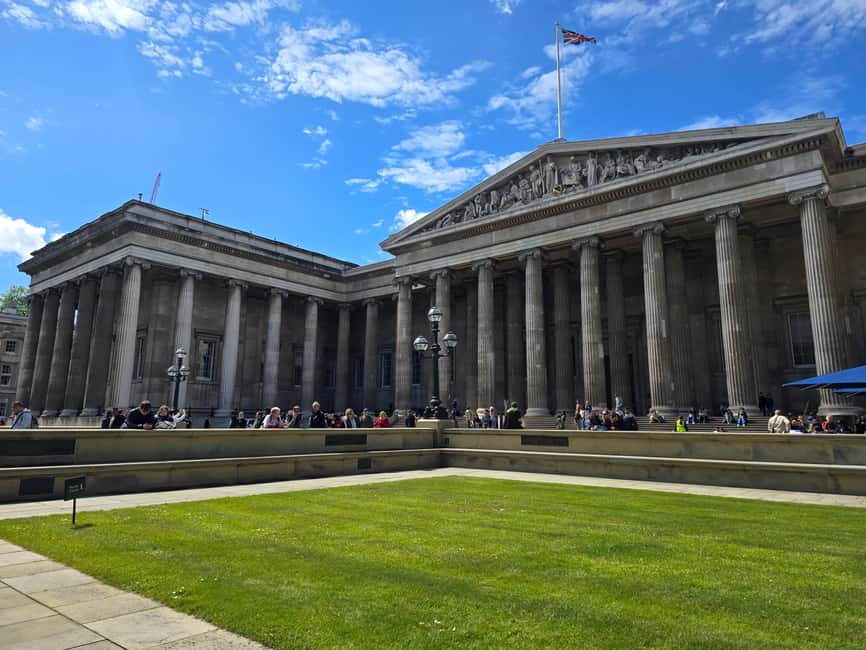
Your tour starts at 52 Great Russell St, then you head into the museum. The key is the meeting point: the guide waits inside the museum, on the right side of the information desk, next to a column, holding a yellow flag.
This detail matters because the British Museum is busy and wide. The guides often arrive 5–10 minutes early, which is helpful if you want a stress-free start. If you’re arriving slightly late, aim to get there before the tour begins so you don’t end up searching through crowds.
In reviews, that “found us quickly and kept us together” theme shows up again and again, including mentions of guides such as Mira and Alex for good group control and crowd navigation. That’s exactly what you want in a place where it’s easy to get separated just walking two rooms over.
Priority timeslots and skip-the-line: what it changes in real life
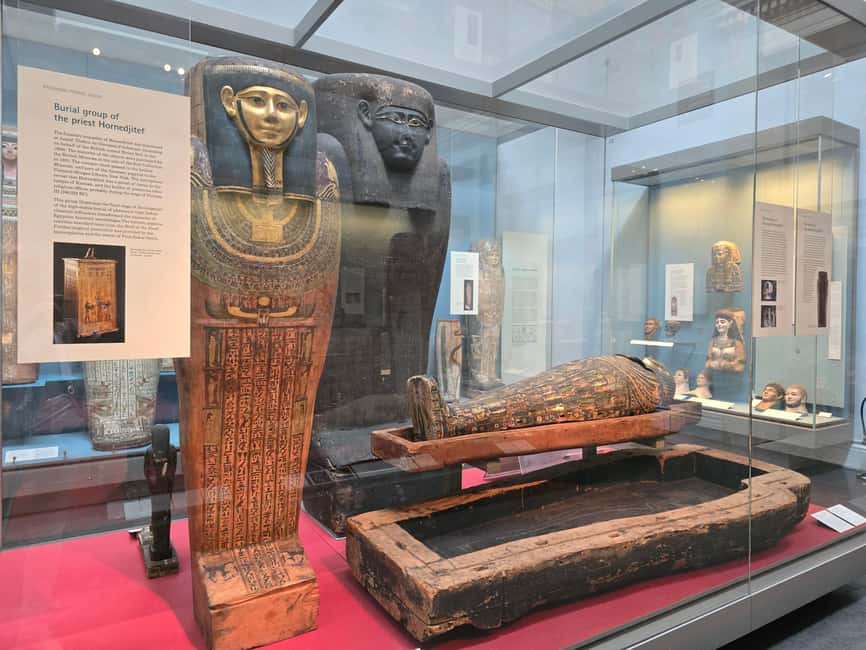
This tour includes entrance tickets with priority timeslots and the ability to skip the line through a separate entrance. In other words: you spend less time standing still and more time looking.
That difference is bigger than it sounds. The British Museum is at its most magical when you’re moving smoothly from one highlight to the next. If you get stuck at the start, your two hours quietly shrink into a frantic sprint.
I also like that the tour includes live guide commentary in English/Italian. For multilingual visitors, that means you can choose the language option that matches how you want to experience the stories—straight and spoken, not just text on walls.
Great Court glass roof: the perfect first stop
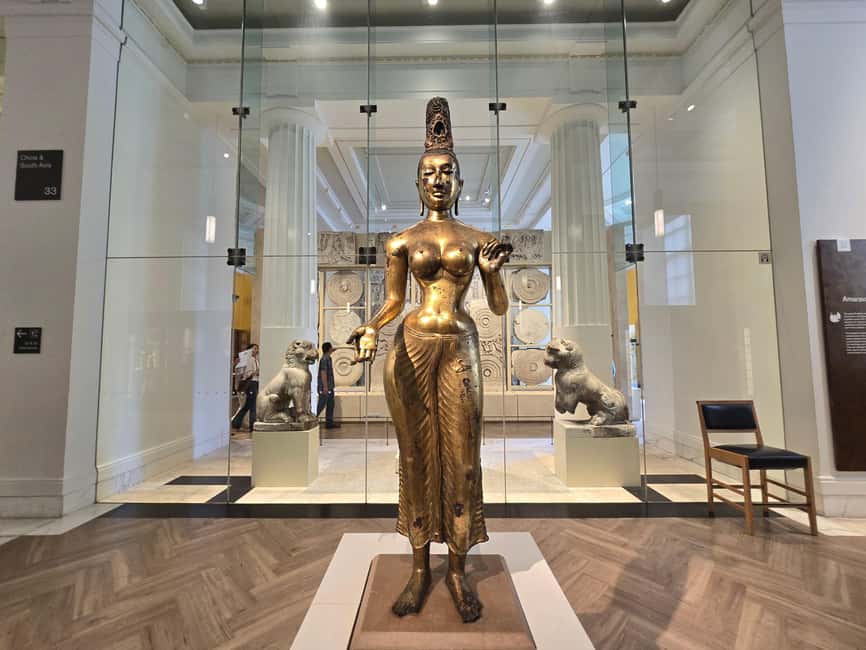
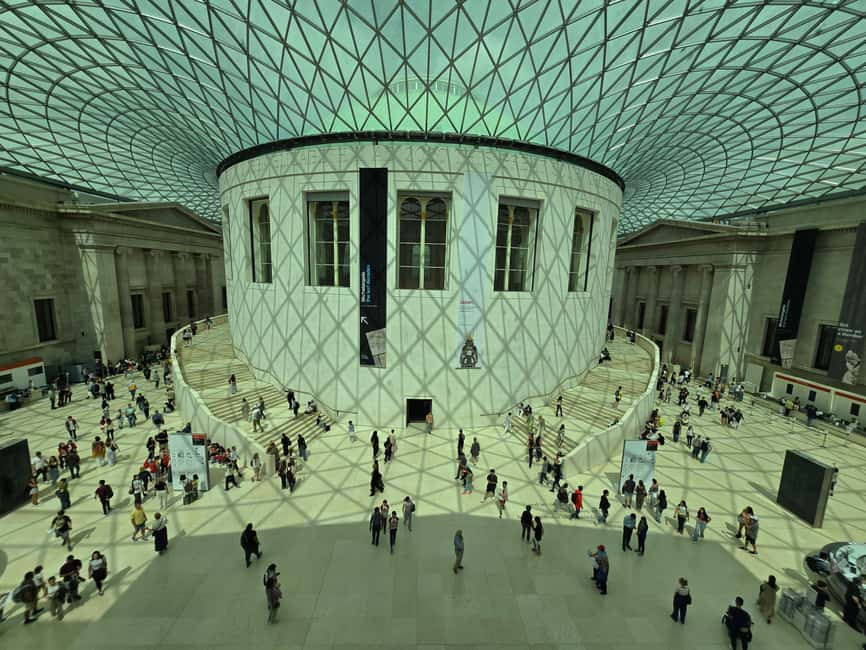
The tour begins with a guided orientation and a first look up at the Great Court ceiling—the glass roof that’s basically the museum’s sky. Even if you’ve seen photos, the scale hits differently in person.
Why this stop works: it gives you context. Once you’ve seen the Great Court from inside, you understand the museum as a connected space instead of a set of random rooms. Then when the guide starts pointing out major eras and key objects, your brain can actually follow the route.
In reviews, people repeatedly mention that the guide’s pace and headset audio help keep the group moving efficiently. The idea is to make the museum feel manageable without turning it into a checklist.
The Parthenon Sculptures (Elgin Marbles): what to look for fast
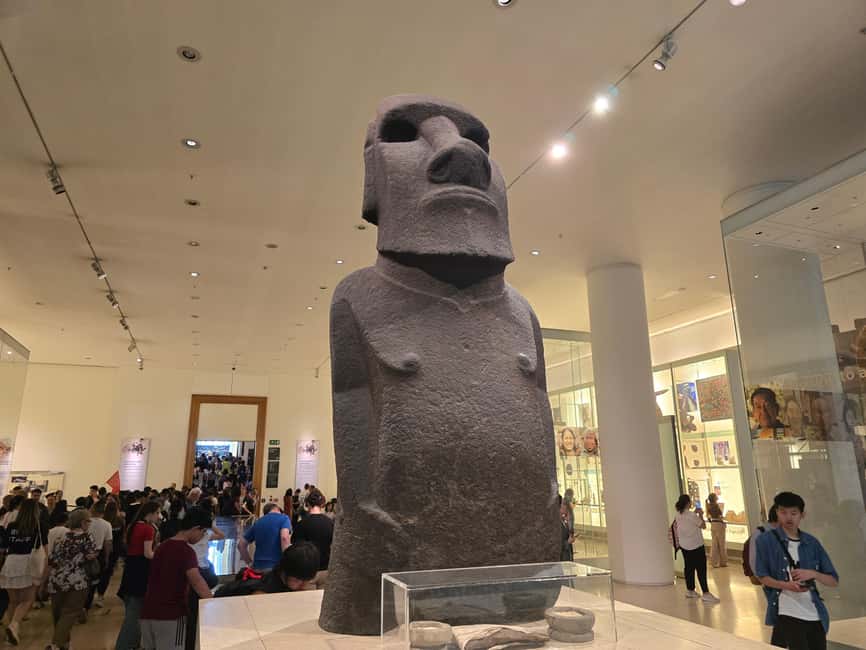
Next up are the Parthenon Sculptures, also called the Elgin Marbles. These are one of those museum highlights where your enjoyment jumps if you know what you’re seeing.
In a two-hour tour, you won’t get a full art history seminar. You will get the essentials: what the sculptures are, how they fit into the broader story of ancient Greece, and what details are worth noticing even if you only have a minute per object.
This is also where a good guide earns their keep. People mention guides like James and Giovanni selecting exhibits well and balancing movement with meaningful detail, so you don’t feel like you’re just passing by. That’s the difference between seeing the Elgin Marbles and actually understanding why they’re iconic.
You can also read our reviews of more museum experiences in London



Egyptian mummies, Ramesses II, and the Rosetta Stone connection
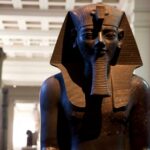
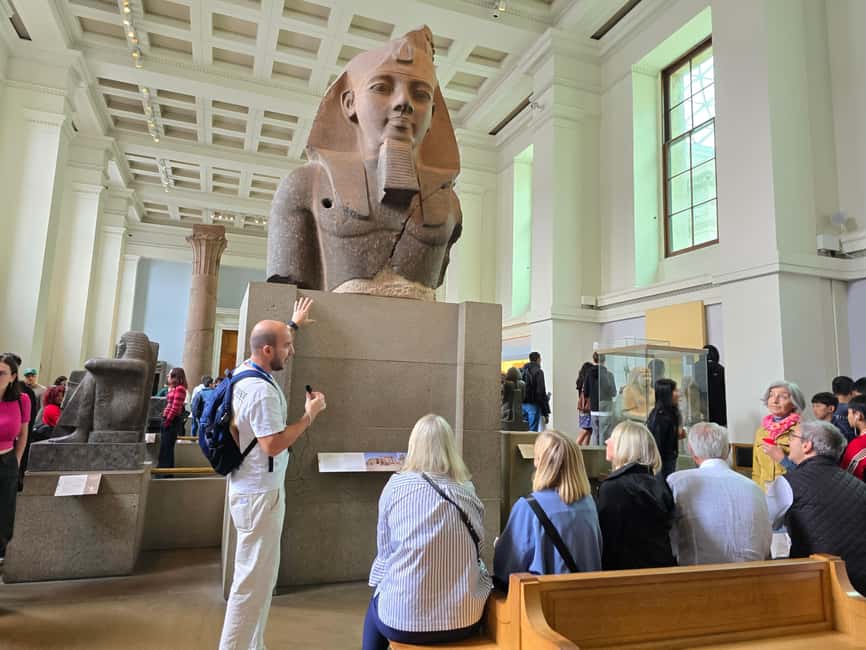
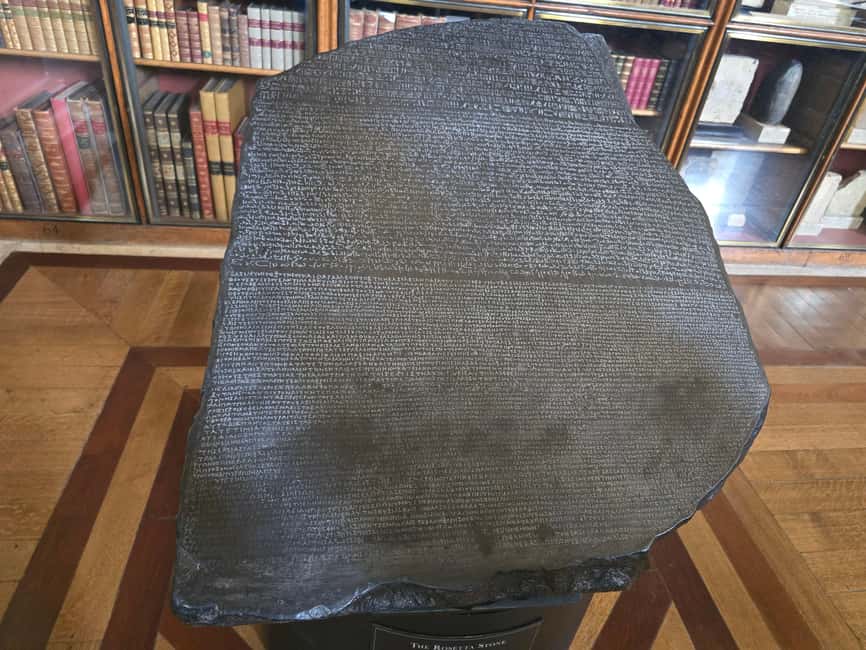
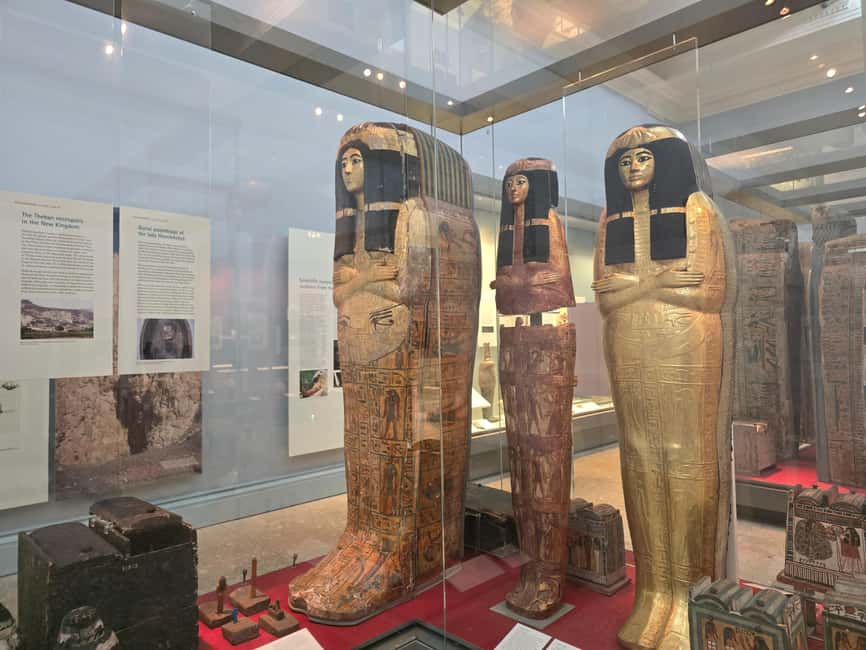
If ancient Egypt is your main reason for going, this tour gives you real headline stops. You’ll visit the section featuring Egyptian mummies, the Book of the Dead, and the bust of Ramesses II. You’ll also see the Rosetta Stone and hear how it ties into deciphering and reading Egyptian history.
Why I like this combo: it shows Egypt as more than tombs and statues. The mummies connect to burial beliefs; the Book of the Dead connects to religion and ritual; and the Rosetta Stone connects to how modern scholars unlocked the language. You walk away with a more complete timeline, even if you only spent a short time in each gallery.
A small consideration: Egypt content can feel intense in a short schedule. One review flagged that the tour focus can skew toward early Egyptian dynasties, and another noted that time can be spent on an introduction that feels less interesting to some people. If Egypt is your one must-see, go with the expectation that this tour chooses a highlight path, not a perfect match for every interest within Egypt.
Enlightenment Room plus Chinese and Southeast Asia works
One of the more useful surprises in this tour is how it expands beyond the usual Egypt-and-Greece pattern. You’ll also visit the Enlightenment Room, described as reflecting the 18th-century spirit of discovery and intellectual curiosity through a mix of artifacts tied to science and knowledge.
Then you’ll move to art and objects from China and Southeast Asia, with attention to craftsmanship and artistic traditions. This gives you a more global sense of the museum’s collecting scope, instead of only the big classical headlines.
If you like variety, this part is a win. You don’t end up leaving thinking you only touched two civilizations. You leave with proof that the British Museum is organized in a way that supports quick comparisons—how different societies made, traded, recorded, and displayed their ideas.
Sutton Hoo ship burial: Anglo-Saxon England in sharp focus
The tour ends with a highlight of Anglo-Saxon England, with a focus on the Sutton Hoo ship burial. You’ll see the kind of artifacts that make this burial famous: the helmet, shield, and other carefully made items.
This section is powerful because it’s specific. Instead of hearing broad statements about “early medieval England,” you’re looking at object-made evidence of skill, status, and cultural practice. For many people, Sutton Hoo becomes the moment they remember most from the tour, because it feels human—crafted for a person, carried into a burial, and preserved long enough to become history.
In reviews, people repeatedly praise the guide’s timing and exhibit selection, and Sutton Hoo is often part of that “they hit the must-sees” feeling. If you’re curious where Anglo-Saxon history lives in museums, this is a high-odds place to start.
Headsets, guide pacing, and how to get more out of a 2-hour route
This experience includes an optional headset setup. In reviews, headsets show up as a major factor in satisfaction because they help you hear commentary clearly while you’re walking between galleries. People mention voice clarity and even voice inflection detail—small things, but huge when the museum is loud.
That said, audio can vary. One review said a guide was hard to understand even with the headphones and another mentioned expectations around English delivery. So if you’re sensitive to audio quality, treat headset volume and placement seriously once you get inside.
For getting more value, use the guide’s rhythm. The tour is built around efficient stops—so if you have questions, ask them when the guide is already standing in front of the relevant object, not halfway down the next corridor. When guides like Antonio or Lucy create room for questions, that’s where your learning jumps.
You’ll also notice different guide styles in the reviews—some are more story-driven, others more structured. Names that came up often include Daniel, James, Joey, Tony, Tara, Antonio, Lucy, Rebekka, and Mira and Alex. That variety is another reason to like a guided route: you’re less likely to miss what matters most.
Price check: why $53 can make sense in London
At about $53 per person for 2 hours, you’re paying for three things:
- A priority timeslot and an organized entry path so you lose less time to lines
- A guided selection of top artifacts across multiple cultures
- Commentary in English or Italian, with optional headsets to keep the experience readable
If you tried to replicate this on your own, you’d still pay museum entry (and you’d still need to figure out what to see first). The real value here is time management. Two hours with a guide is often less expensive than one day of “I’ll figure it out when I get there” museum wandering—especially in a place as large as the British Museum.
Where the price feels most justified is if you’re a first-timer, you don’t want to plan a full museum route, or you want context fast. If you already know exactly what galleries you want, and you love browsing slowly, you might prefer self-guided visits. But for many people, this tour is an efficient on-ramp to a museum that’s otherwise easy to overrun.
Who this tour suits best (and who should reconsider)
This tour is a strong fit if you want a first-pass overview of the British Museum’s biggest hits. It’s also a good match if you’re traveling with limited time and want a guide to help you avoid the museum’s sprawl.
It’s not suitable for:
- people with mobility impairments or wheelchair users
- babies under 1 year
- hearing-impaired people
So if accessibility is part of your planning, you’ll want a different option. Also note the rule: flash photography isn’t allowed.
If you’re sensitive to audio clarity, consider that headset performance and guide diction matter. And if you hate the feeling of a rushed visit, remember that this tour is built for highlights, not slow reading.
Should you book this British Museum guided tour?
I’d book it if you’re visiting the British Museum for the first time and you want the most famous objects plus the strongest stories delivered in a compact time window. The combination of priority entry, headsets, and a guide-led route that hits Great Court, Elgin Marbles, Egyptian mummies/Ramesses II/Rosetta Stone, and Sutton Hoo is a practical way to get real value.
I’d skip it (or pair it with a longer independent visit) if your plan is to soak up one collection slowly and you know exactly what you want to study. With only 2 hours, you’ll leave wanting more, and that’s usually a good sign—but it’s still a factor to consider.
FAQ
What time should I arrive for the meeting point?
Meet your guide inside the museum, on the right side of the information desk, next to a column, holding a yellow flag. The guide will be there 5–10 minutes before the tour starts.
How long is the British Museum tour?
The guided tour lasts 2 hours.
What’s included with the ticket and tour?
You get a guided tour with live commentary (English/Italian), British Museum entrance tickets with priority timeslots, and an option for headsets. You also get skip-the-line entry via a separate entrance.
Which languages are offered for the guide commentary?
The tour provides live commentary in English and Italian.
Is flash photography allowed?
No. Flash photography is not allowed.
Is this tour suitable for wheelchair users or hearing-impaired people?
No. It is listed as not suitable for wheelchair users or hearing-impaired people, as well as those with mobility impairments.