REVIEW · ST AUGUSTINE FLORIDA
St.Augustine: Torture Museum, Ghost Hunt, & Tiny Art Tickets
Book on GetYourGuide →Operated by Medieval Torture Museum + Ghost Hunting · Bookable on GetYourGuide
Ready for medieval fear and strange modern art?
This St. Augustine ticket bundles a 5000-square-foot Torture Museum with an audio guide and wax scenes, plus a Ghost Hunting app that turns the halls into a choose-your-own-adventure. One big consideration: it’s not for young kids, and some rooms are genuinely intense.
I like that the experience isn’t just shock-value. The museum aims to explain how devices worked, what people were trying to achieve, and how fear shaped punishment. You’ll get the best results if you’re willing to read, follow the audio instructions, and slow down.
The package is simple: Torture Museum admission, the audio guide (English and Spanish), Ghost Hunting Experience app access, and Tiny Art Gallery admission. You meet on the corner of St. George Street and Hypolita Street, right in the walkable center of Old Town.
In This Review
- Key Points at a Glance
- First Stop at St. George & Hypolita: Getting Your Arms Around the Ticket
- Medieval Torture Museum: A 5,000-Square-Foot Walk Through Punishment
- The Audio Guide That Turns Props Into Explanations
- Wax Figures and “How It Worked” Details (Without Making It Easy to Look Away)
- Scary Rooms: Testing Your Nerves in a Museum Setting
- Ghost Hunting Experience App: Turning the Museum Into a Game
- Tiny Art Gallery: A Needed Reset After the Dark Halls
- Time and Price: Is $24 Good Value?
- Who Should Book (and Who Should Think Twice)
- Practical Tips Before You Go
- Should You Book This St. Augustine 4-in-1 Ticket?
- FAQ
- What’s included with the St. Augustine Torture Museum, Ghost Hunt, & Tiny Art tickets?
- How long is the tour?
- Where is the meeting point?
- What language options are available for the audio guide?
- Do I need to bring headphones?
- Do I need a smartphone?
- Is onsite parking included?
- Is the museum wheelchair accessible?
- Are pets allowed?
- Is this attraction suitable for kids?
Key Points at a Glance
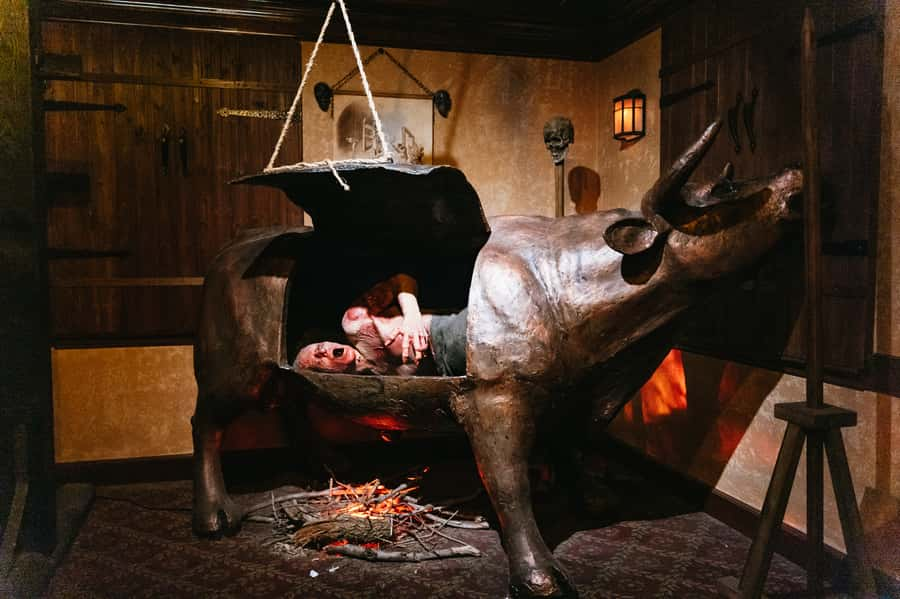
- 5,000-square-foot Torture Museum with an audio guide that sets the pace
- Audio in English and Spanish plus device-by-device explanations
- Ghost Hunting Experience app that adds interactivity to the dark rooms
- Scary rooms that feel like part museum, part challenge
- Tiny Art Gallery admission, a calmer counterweight to the creep factor
- Bring headphones and a charged smartphone for the best experience
First Stop at St. George & Hypolita: Getting Your Arms Around the Ticket
You’ll start at the corner of St. George Street and Hypolita Street, where a greeter will get you set up. The main thing to know is that this isn’t a single gallery with one theme—it’s a four-part flow.
Here’s how it typically makes sense in your head:
- The Torture Museum is the core.
- The Ghost Hunting Experience app runs while you’re inside.
- Tiny Art Gallery is your lighter art stop that keeps you from leaving completely drained.
This is also where you’ll want to confirm a couple basics before you move on: that your phone is charged, you have your headphones ready, and you can access the audio guide and ghost app as directed.
You can also read our reviews of more tours and experiences in St Augustine Florida.


Medieval Torture Museum: A 5,000-Square-Foot Walk Through Punishment
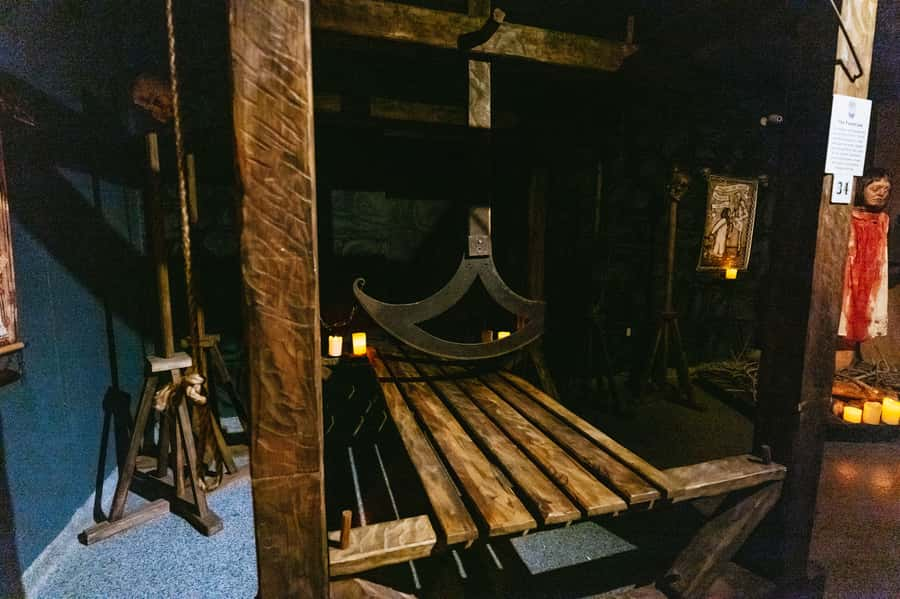
The Medieval Torture Museum is built around scale and variety. You’re entering a large 5000-square-foot exhibition and then exploring with an audio guide that guides you through the displays. It’s designed for self-paced wandering, but the audio helps you avoid the trap of just looking at scary objects with no context.
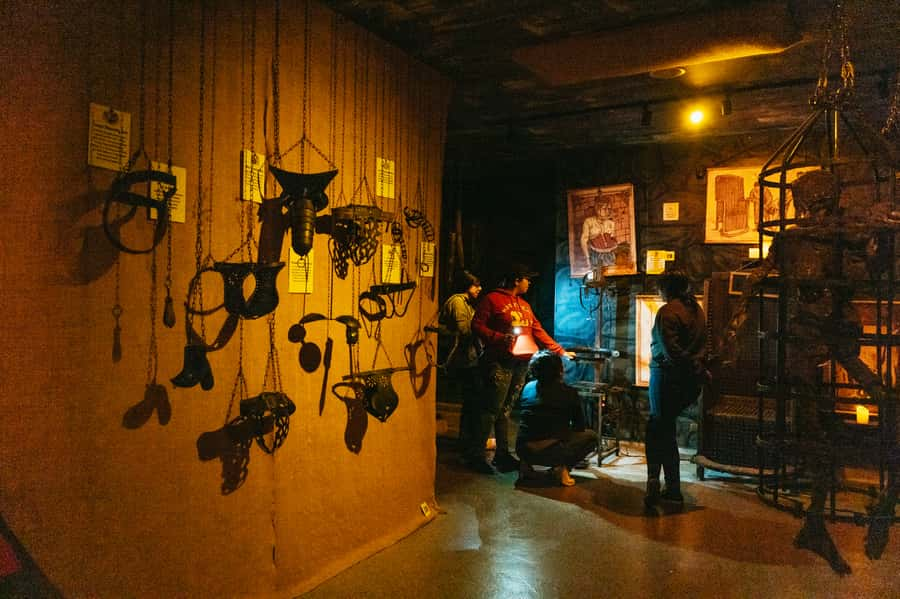
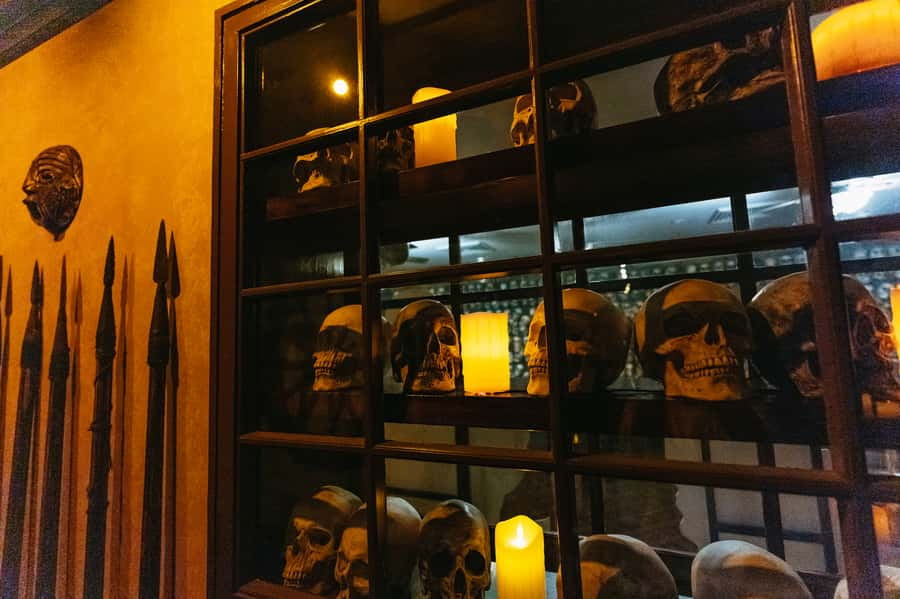
What you’ll see is broad: hundreds of examples tied to torture, interrogation, restraint, and execution devices. The museum doesn’t just toss in random relics. Instead, the audio explanations are meant to give you a clearer sense of how these tools worked and what purpose they served.
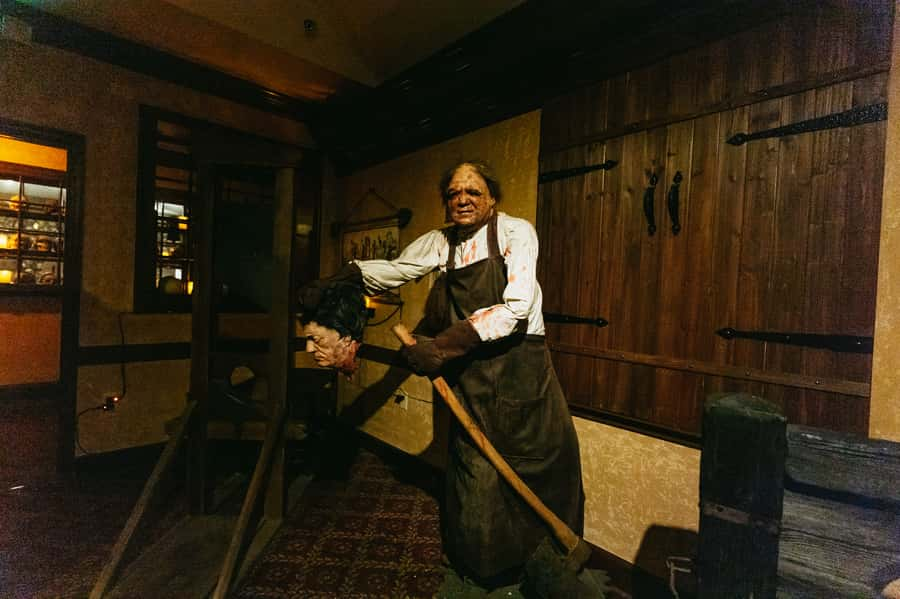
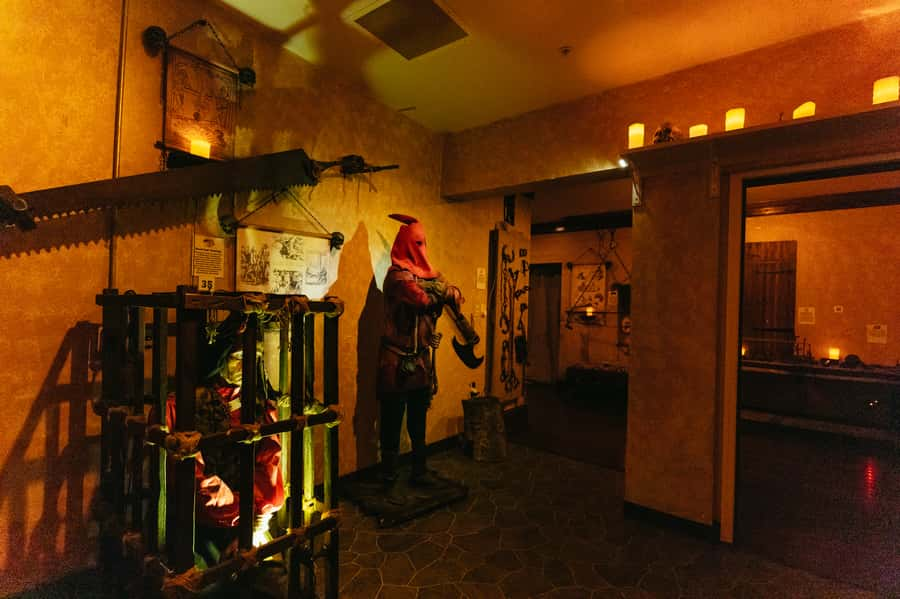
And yes, the museum leans hard into the emotional side of the topic. Wax sculptures show executioners and victims, which makes the whole exhibit feel less like a museum case and more like a scene.
The Audio Guide That Turns Props Into Explanations
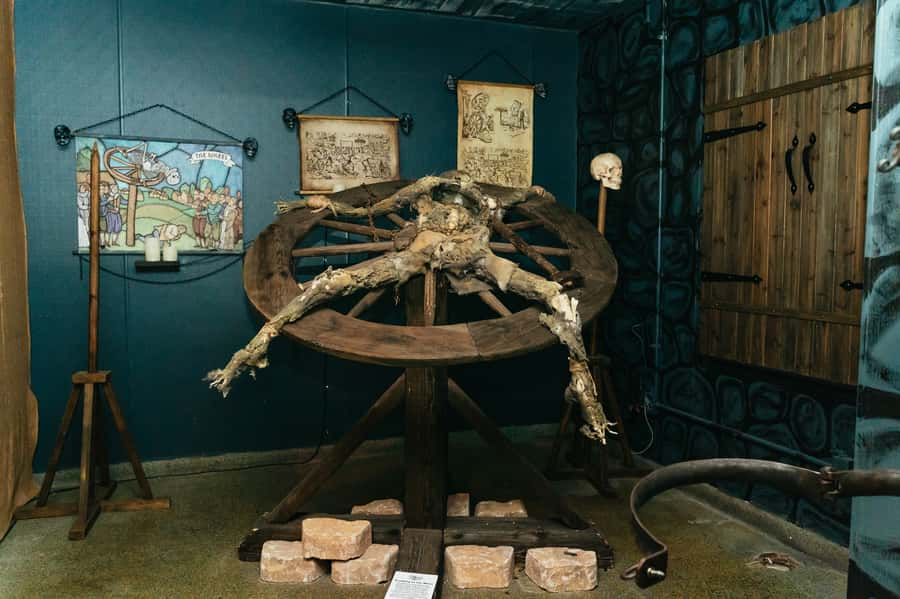
Audio guides can be hit-or-miss. Here, that guide is part of the value. The greeter hands it over, and then you follow the instructions as you move through the rooms.
What I like is the mix of academic research with human emotion—fear is part of the story, not just the decorations. When you understand how a device was used, the exhibits become less about spectacle and more about the real historical mechanics of punishment.
Also, you’re not stuck on one language track. The audio guide is available in English and Spanish, so you can keep everyone on the same page.
If you end up chatting with staff, you may hear names like Ivy come up—people have singled out guide experiences that feel thoughtful and insightful. That matters, because the subject is heavy. The right kind of guidance makes it easier to process what you’re seeing.
Wax Figures and “How It Worked” Details (Without Making It Easy to Look Away)
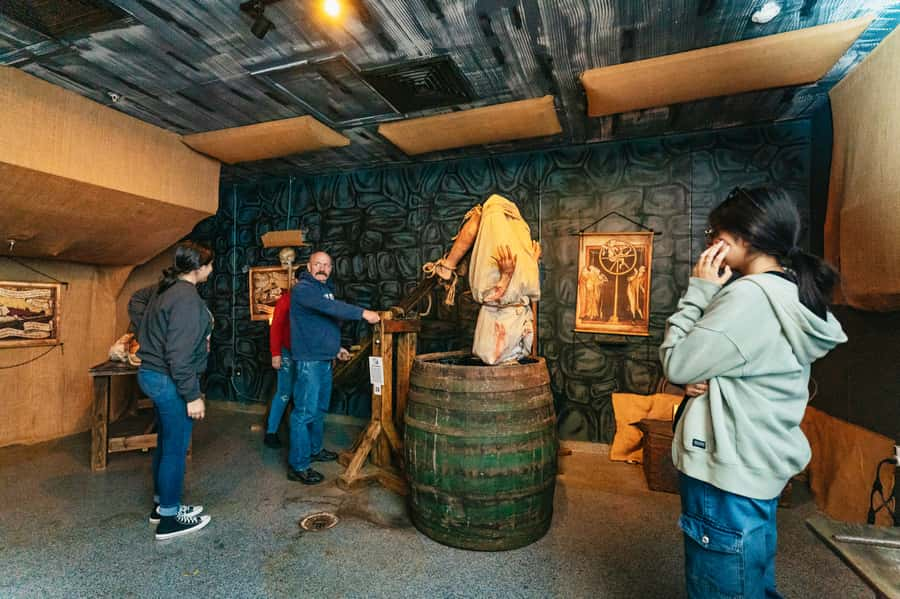
One reason this museum sticks in your memory is the way it explains function. You’ll be shown grisly instruments across different points in time, and the wax sculptures help you visualize what the exhibit is talking about.
This approach does two useful things for you:
- It turns vague fear into specific understanding.
- It gives you a reason to keep looking instead of rushing.
At the same time, the museum can feel intense, especially in the tighter rooms and scenes designed to raise your pulse. If you’re sensitive to violence-related themes, think twice—or plan extra breaks and keep your expectations grounded.
There’s also mention that some devices can be touched, which can make certain stops more tactile and memorable. Don’t expect every item to be interactive, but if you like hands-on learning, this museum is better than most at adding that element in a controlled way.
Scary Rooms: Testing Your Nerves in a Museum Setting
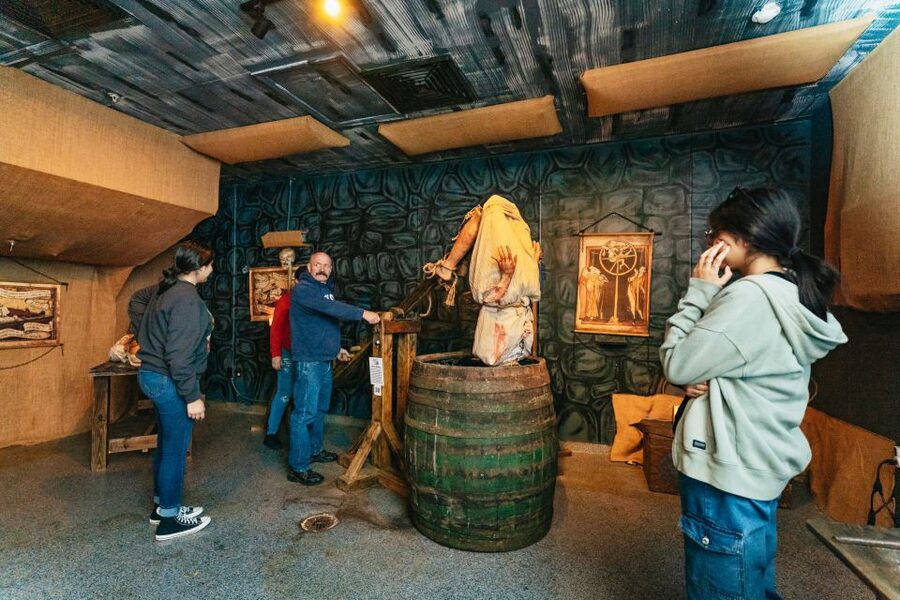
Part of the experience is built like a challenge. You’ll find areas that are meant to feel scary and tense, not just educational. The goal isn’t to create fake jump scares—it’s to put you in the atmosphere that these stories rely on.
That means your “comfort level” matters more than your walking speed. If you’re coming with friends, agree ahead of time on a pace—some people will want to power through, while others will want slower stops for audio and reflection.
And if you’re traveling with younger teens, re-check the age guidance. This isn’t recommended for visitors under 18. Anyone under 18 must be accompanied by an adult, and children under 10 are admitted free of charge only when accompanied by a dedicated adult (one adult to one child). Outside of those rules, keep in mind the content is heavy by design.
Ghost Hunting Experience App: Turning the Museum Into a Game
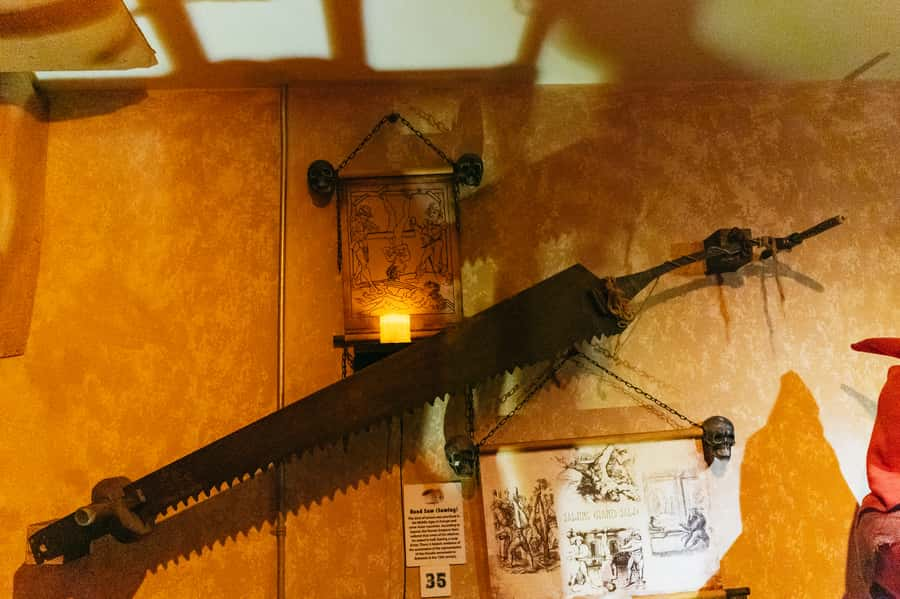
While you explore the Torture Museum, you can participate in the Ghost Hunting Experience using the app. This is one of the smartest add-ons in the whole package because it changes how you move.
Instead of feeling like you’re just reading about fear, you’re actively looking for cues in the dark, following directions from your phone. That makes the visit more dynamic—especially if the subject matter feels too static or academic.
Practical tip: this is where your setup matters.
- You’ll want a charged smartphone.
- Plan to use headphones so the audio guide and app experience don’t clash.
If you prefer attractions that let you do something (not just watch), this app component is a big reason the ticket is worth considering.
Tiny Art Gallery: A Needed Reset After the Dark Halls
Not every “creepy” attraction includes an art stop, and that’s exactly why this one works. The ticket also includes admission to a Tiny Art Gallery.
Think of it as a pressure release valve. After the museum’s graphic themes and the ghost-hunt tension, the art gallery gives you a different kind of mental space—still engaging, but not centered on punishment and fear.
Even if you’re not an art expert, that contrast helps your overall experience feel more balanced. You won’t leave feeling like you only survived a horror theme. You’ll also have something creative to carry out with you.
Time and Price: Is $24 Good Value?
The ticket price is $24 per person, and the value is in the bundle.
You’re getting:
- Torture Museum admission
- An included audio guide (English/Spanish)
- Ghost Hunting Experience app access
- Tiny Art Gallery admission
In plain terms, you’re not paying just for a single room of exhibits. You’re buying an experience made of multiple parts that can keep you busy for a longer visit. One review noted about 90 minutes for the museum portion and said they could’ve stayed longer, which matches the idea that this place rewards time spent reading and looking carefully.
A fair way to decide if it’s worth it for you:
- If you like historical explanations and don’t mind dark themes, $24 is easier to justify because you’re getting depth plus extra interactive elements.
- If you want something light and fast, this may feel like too much.
Also, note that the ticket does not include onsite parking, so if you’re driving, factor that in when you’re budgeting.
Who Should Book (and Who Should Think Twice)
This ticket is best for adults and older teens who want a deeper museum experience, not a quick photo stop.
You’ll probably enjoy it if:
- You like story-driven museums with detailed explanations
- You’re interested in medieval punishment as history, not just horror
- You want interactivity through the Ghost Hunting app
- You appreciate a final art stop to reset your brain
You should think twice if:
- You’re bringing kids under 18 (the attraction is not recommended for visitors under 18)
- You know you get overwhelmed by violent, fear-centered themes
- You’re expecting a casual “walk and leave” outing
And if you’re the type who likes to go with the flow, this one can work well because the experience is self-paced.
Practical Tips Before You Go
These small prep steps make a noticeable difference.
First, bring:
- Headphones
- A charged smartphone (you’ll want it for the Ghost Hunting Experience app)
Then, plan your mood. This is not a satire-style haunted house. It’s a museum about human punishment, with scary rooms and emotionally heavy content. If you go with a calm pace, you’ll get more out of the explanations and the app game won’t feel like an extra distraction.
Also, no pets are allowed, and unaccompanied minors aren’t allowed—so plan your group carefully.
Should You Book This St. Augustine 4-in-1 Ticket?
If you want a St. Augustine attraction that mixes museum research, fear-based storytelling, a phone-based ghost hunt, and a final art stop, this ticket is a strong pick. The $24 price feels most fair when you’re willing to slow down and use the audio guide instead of rushing through.
Skip it if you’re easily upset by violence-themed exhibits or if you’re shopping for an activity for someone under 18. But for adults, it’s a unique blend: education, tension, and a breather afterward.
FAQ
What’s included with the St. Augustine Torture Museum, Ghost Hunt, & Tiny Art tickets?
You get Torture Museum admission, an audio guide, Ghost Hunting Experience app access, and Tiny Art Gallery admission.
How long is the tour?
The ticket is valid for 365 days, but the museum visit time isn’t fixed in the details provided. Many people plan around an hour or more.
Where is the meeting point?
It’s located on the corner of St. George Street and Hypolita Street (coordinates: 29.8946377, -81.3132275).
What language options are available for the audio guide?
The audio guide is available in English and Spanish.
Do I need to bring headphones?
Yes. Headphones are listed as what to bring.
Do I need a smartphone?
Yes. You should bring a charged smartphone, since the Ghost Hunting Experience uses the app.
Is onsite parking included?
No, onsite parking is not included in the ticket price.
Is the museum wheelchair accessible?
Yes, the museum is wheelchair accessible.
Are pets allowed?
No, pets are not allowed.
Is this attraction suitable for kids?
It’s not recommended for visitors under 18. Anyone under 18 must be accompanied by an adult, and children under 10 are admitted free of charge when accompanied by a dedicated adult (one adult per one child).