REVIEW · WELLINGTON
Wellington: Museum of NZ General Admission
Book on GetYourGuide →Operated by Museum of New Zealand Te Papa Tongarewa · Bookable on GetYourGuide
Two days in one building? Te Papa fits. Te Papa Tongarewa is Aotearoa New Zealand’s national museum on Wellington’s waterfront, pairing Māori and Pacific taonga with natural and historical stories under one 48-hour ticket.
I especially like the museum’s focus on taonga (treasures) and how the collections connect culture, craft, and identity. And if you’re in for a head-turning exhibit, the Gallipoli display and Wētā-style storytelling are a big reason people plan extra time.
One consideration: Te Papa is popular, so you may run into crowds and noise. If you need quiet, build in breaks and don’t schedule your visit too tight.
In This Review
- Key things I’d plan around
- Entering Te Papa Fast: Skip the International Queue
- Ticket Rules That Actually Matter (Ages, Free Entry, and What’s Included)
- What You’ll See: Taonga, Nature, History, and National Art
- The Exhibit to Budget Time For: Gallipoli and Wētā-Style Storytelling
- How Much Time You Actually Need (2 Hours Is Usually Too Short)
- Family-Friendly Without Feeling Like a Playroom
- Comfort, Rules, and On-Site Tips That Save Time
- Price and Value: Is $20 Worth It?
- Who Should Book This Te Papa Admission?
- Should You Book This Te Papa Admission Ticket?
- FAQ
- Do I need a ticket to enter Te Papa as an international visitor?
- Is this admission valid for only one day?
- Can I skip the line for international ticketing?
- Do New Zealand residents need to buy a ticket?
- Is entry to special or short-term exhibitions included?
- Where do I check in when I arrive?
- Is Te Papa wheelchair accessible?
Key things I’d plan around
- 48-hour admission means you can return the next day instead of rushing
- Skip the international queue with ticket validation at the right-hand entrance
- Level-by-level variety covers Māori and Pacific taonga, nature, history, and national art
- Gallipoli + Wētā-style presentation is a standout exhibit worth time
- Family friendly with enough to keep kids engaged (and adults not bored)
- Big building, big commitment: give yourself at least a half day, and more if you can
Entering Te Papa Fast: Skip the International Queue
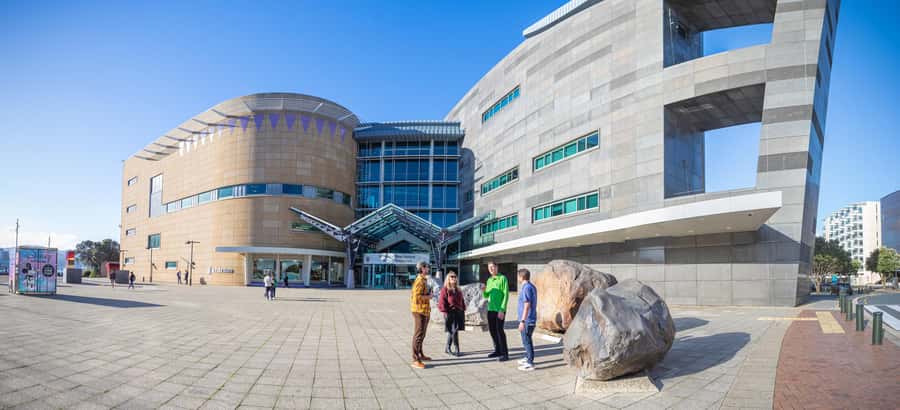
This ticket is built for one thing: getting you into Te Papa without losing time to lines. When you arrive, don’t enter the international ticketing queue. Instead, go straight to the right-hand entrance at the top of the stairs and have your ticket validated by a Te Papa Host.
Have your ticket ready, either printed or on your device. The museum’s staff will direct you to the right area after that initial check, so you’re not wandering while everyone else waits.
For the on-site flow, there’s also a checkpoint on Level 2: show your ticket to a host near the tickets queue, then walk past the queue and keep moving through the galleries. It’s a small detail, but it makes the difference between starting your day calmly and starting it in a bottleneck.
You can also read our reviews of more museum experiences in Wellington


Ticket Rules That Actually Matter (Ages, Free Entry, and What’s Included)
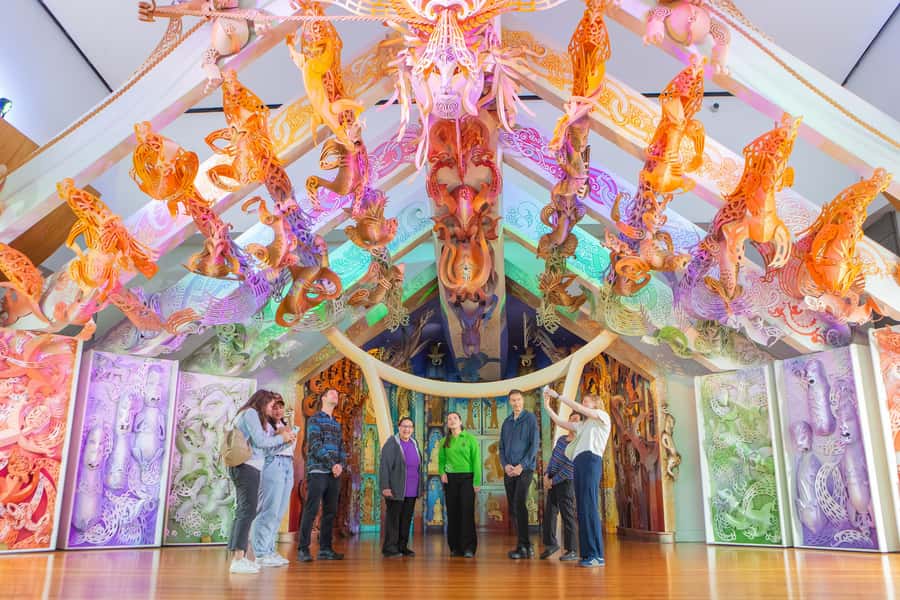
The big rule is simple: only international visitors aged 16 and over need a paid museum entry ticket. International visitors under 16 are free, but they still need a ticket—so book for kids even when it costs nothing.
New Zealanders don’t need a ticket for entry. That includes people living in New Zealand and New Zealand citizens or residents living overseas. If you’re traveling with a mixed group, it’s worth double-checking who actually needs a booked entry.
What you get with this admission is general entry for 48 hours to Te Papa Tongarewa. What you don’t get is entry to any special or short-term exhibitions. That means your ticket covers the main floors and core collections, while blockbuster temporary exhibits may require separate tickets.
What You’ll See: Taonga, Nature, History, and National Art
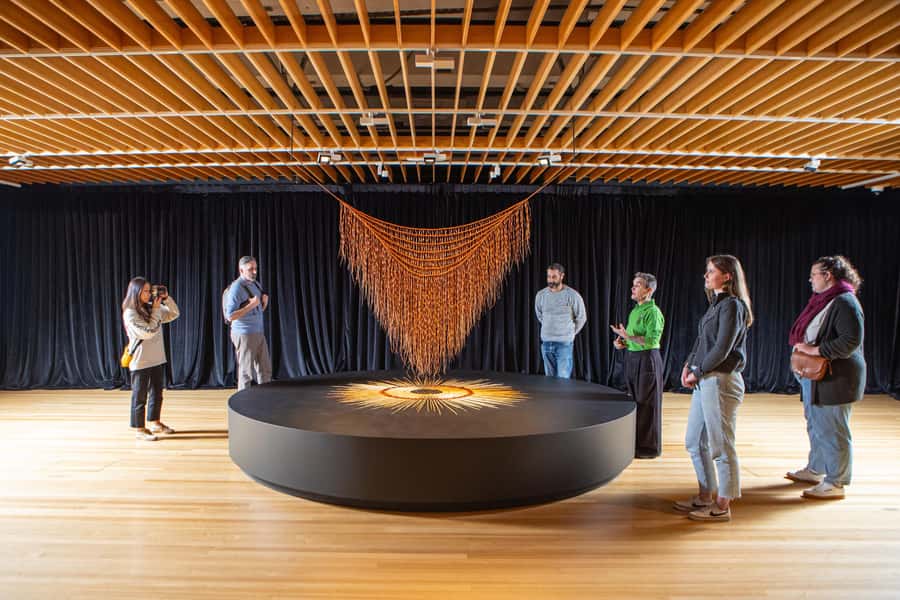
Te Papa is a national museum, and that shows in how much it tries to do in one building. You’re looking at four major themes across the collections: Māori and Pacific cultural treasures (taonga), the natural environment, the history of Aotearoa New Zealand, and the National Art Collection.
The way this is organized is useful for real visitors. If you’re a culture-first person, you can spend time with the taonga displays and the material stories behind them. If you prefer nature and place, you’ll find exhibits that connect the landscape and ecosystems to the wider history.
And if you’re an art person, don’t treat art as an afterthought. National art collection space gives you a different pacing from the cultural and natural galleries—often a relief when you want to slow down for visual interpretation rather than reading.
This variety is also why the museum works well as a “choose your route” day. If your energy is high, you can move quickly floor to floor. If you want to linger, you can stay longer where something pulls you in.
The Exhibit to Budget Time For: Gallipoli and Wētā-Style Storytelling
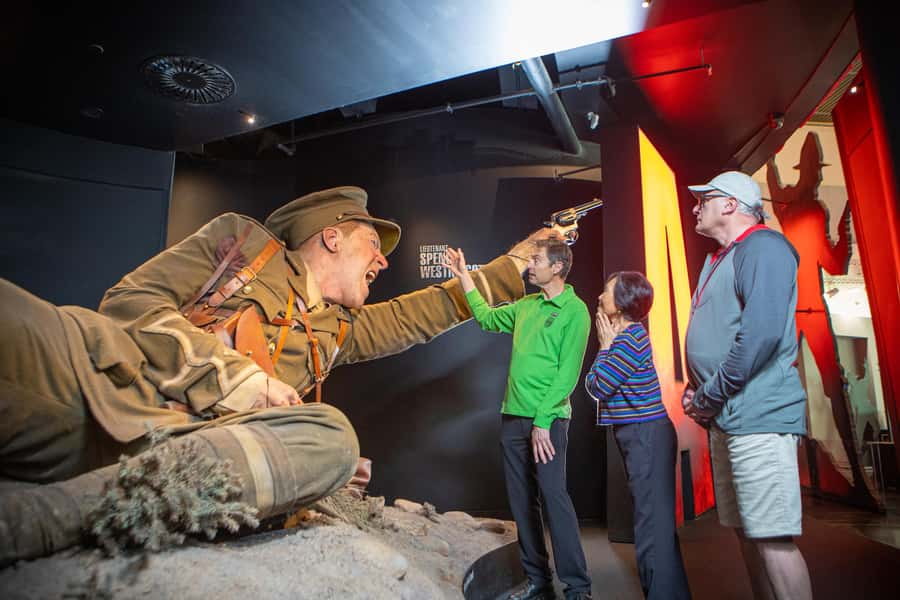
If you only plan one “must-see,” make it Gallipoli. It’s repeatedly described as the exhibit people talk about after they leave, and it’s easy to see why: it combines strong subject matter with a very specific style of presentation.
One of the most praised elements is the information and human-story approach, including Wētā-inspired methods and lifelike models. That kind of build detail turns the exhibit into more than a display you walk past. It’s the type of presentation that encourages you to pause, then go back and look again.
Plan for this exhibit to take longer than you think. Even short visits can become slow here because the presentation invites close attention. If you’re traveling with family, Gallipoli can still work well because it’s structured in a way that keeps drawing you forward with clear storytelling—just bring some patience if kids get restless.
How Much Time You Actually Need (2 Hours Is Usually Too Short)

Te Papa is big, and it’s not the kind of museum where you can confidently “do the highlights” in one quick loop unless you already know what you’re hunting for.
Here’s what tends to work:
- Around 2 hours: you can see a lot, but you’re likely to feel rushed and miss connections.
- 3–6 hours: much more realistic for actually absorbing exhibits.
- A full half day to a full day: you get time to slow down, return to favorites, and handle crowd levels more comfortably.
That’s also why this ticket being 48 hours matters. You can split your interests across two visits. Day one becomes your orientation and your must-sees. Day two is where you return for the sections you didn’t get enough time in—or where the kids want to go back.
Family-Friendly Without Feeling Like a Playroom

Te Papa is family friendly, and the museum’s variety is part of the reason it works for mixed ages. Kids can move between themes—culture, nature, and big visual displays—without everything feeling like a single long lecture.
There are also moments that tend to earn strong reactions: hands-on learning opportunities and workshop-style activities (when they’re running). If you spot a workshop schedule during your visit, it’s worth adding it to your plan because it changes the museum from purely viewing to doing.
For families, the key is pacing. Don’t stack every wing back to back. Do one big area, take a reset break, then go again. Te Papa is busy at peak times, so breaks help everyone hear themselves think.
Comfort, Rules, and On-Site Tips That Save Time

A few practical reminders keep things smooth:
- Don’t bring alcohol and drugs.
- Keep your ticket accessible on your device or printed copy.
- Use the fast validation route: skip the international queue and go to the right-hand entrance at the top of the stairs.
If you’re thinking accessibility first, Te Papa is wheelchair accessible and you can access most of the museum. Wheelchairs and a mobility scooter are available free of charge, and certified assisted dogs are welcome.
You can also explore the museum in New Zealand Sign Language, which is a meaningful detail if you’re traveling with someone who benefits from that support.
Crowds can be real. When it’s noisy, focus on exhibits that grab you fast (big visual scenes, clear story panels), then retreat to calmer sections between busier corridors. This is how you keep the day enjoyable instead of chaotic.
Price and Value: Is $20 Worth It?
At about $20 per person for international visitors aged 16+, the value is strongest when you treat it like a museum ticket, not a quick attraction.
The main value driver is the 48-hour window. Instead of trying to cram everything into one day, you can pace yourself across two visits. That matters in a large museum where the “time sink” isn’t just walking—it’s reading, looking closely, and doubling back.
Also, because this covers the national museum’s core collections across culture, nature, history, and national art, you’re not paying only for one small exhibit. Gallipoli is a major highlight, but you also get the broader context around Aotearoa New Zealand—so the money goes toward a full understanding rather than a single moment.
If you’re someone who really only wants one exhibit, you might feel there’s better value elsewhere. But if you’re the type who enjoys wandering and building an overview of a place, this ticket is a strong deal.
Who Should Book This Te Papa Admission?
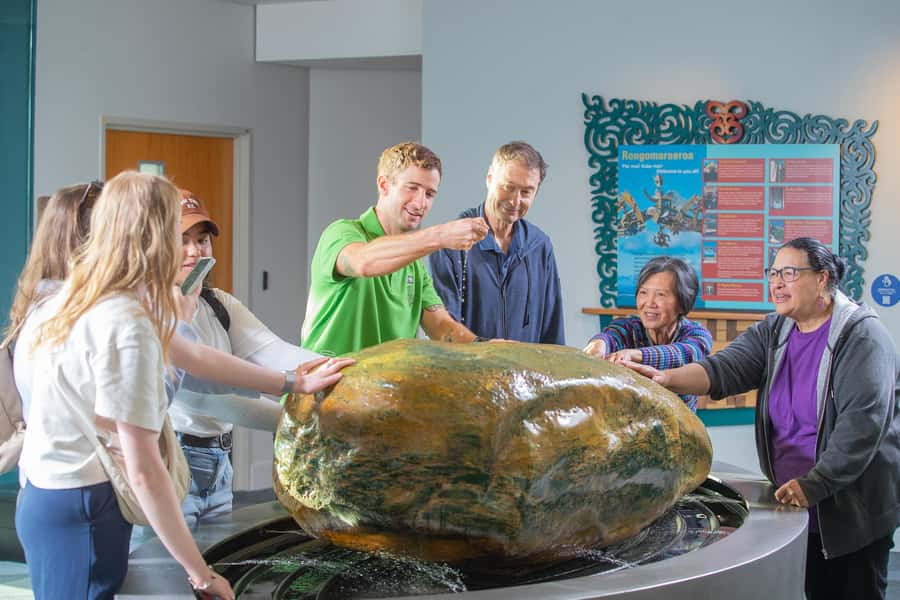
This is an excellent fit if:
- You want a national museum experience in Wellington without unnecessary lines
- You like culture plus history plus nature in one stop
- You’re traveling with family and need something that keeps multiple ages interested
- You’re willing to spend half a day to a full day, or split it across two days
It’s less ideal if:
- You only want one tiny segment of the museum and don’t care about the rest
- You need silent, low-crowd conditions at all times (Te Papa can get busy)
Should You Book This Te Papa Admission Ticket?
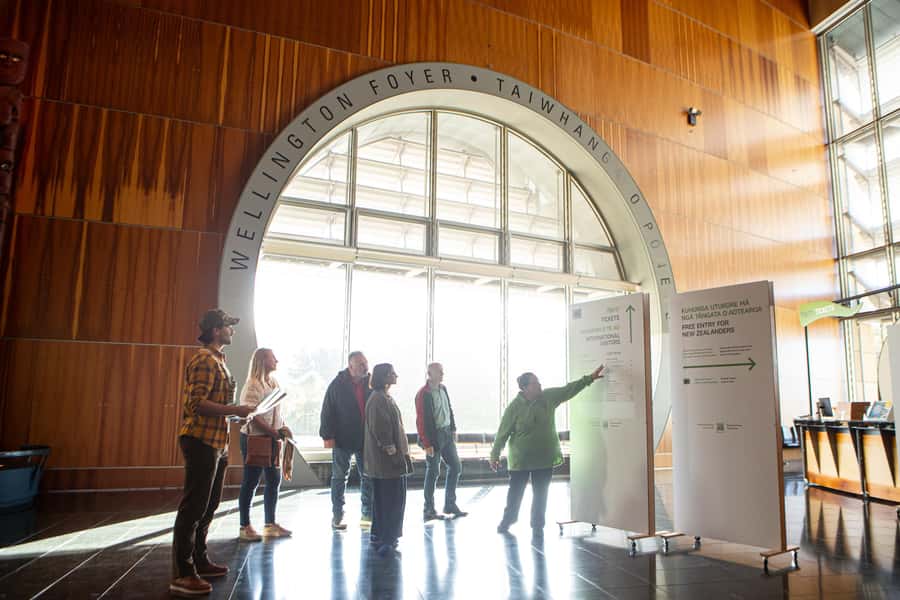
Yes, book it if you’re an international visitor aged 16+ and you want a high-value, time-flexible museum day on the Wellington waterfront. The skip-the-line setup alone helps, and the 48-hour entry window makes it easier to see what you care about without rushing.
If your schedule is tight, focus your first visit on Gallipoli and one or two major galleries tied to your interests. Then use the second day for anything you want to revisit. That approach turns a busy museum into a visit you actually control.
FAQ
Do I need a ticket to enter Te Papa as an international visitor?
International visitors aged 16 and over need a ticket. International visitors under 16 can enter for free, but they still need a ticket.
Is this admission valid for only one day?
No. The general admission is valid for 48 hours.
Can I skip the line for international ticketing?
Yes. You should not enter the international ticketing queue. Your ticket will be validated by a Te Papa Host through the right-hand entrance at the top of the stairs.
Do New Zealand residents need to buy a ticket?
No. New Zealanders are free and do not need a ticket. This includes people living in New Zealand and New Zealand citizens or residents living overseas.
Is entry to special or short-term exhibitions included?
No. This general admission does not include entry to special or short-term exhibitions.
Where do I check in when I arrive?
On entry to Te Papa, check in with a Te Papa Host. They will direct you where to go. On Level 2, show your ticket to a host near the tickets queue.
Is Te Papa wheelchair accessible?
Yes. Te Papa is wheelchair accessible, and wheelchairs and a mobility scooter are available for free.