REVIEW · WELLINGTON
Museum of NZ Te Papa Tongarewa: Gallipoli Exhibition Guided Tour
Book on Viator →Operated by Museum of New Zealand Te Papa Tongarewa · Bookable on Viator
Wellington’s harbor meets a wartime scale. This is Te Papa Tongarewa’s Gallipoli show, built with Weta Workshop, where you’ll face 2.4-times-human-size figures and learn the ANZAC story through 3D maps, miniatures, and projection storytelling. I especially like that the guide helps you get oriented fast in a big museum, then gets you to the right exhibits without wasting your time. One thing to consider: this is still a tight one-hour experience, so it’s built for a clear highlights pass, not an hours-long lecture.
Te Papa’s Gallipoli exhibition also comes with the peace-and-stillness part you want for this subject. You start inside the museum with a small group, and the early access angle is the difference between rushing and actually reading the details. The potential drawback is simple: if you’re hoping for a long, word-by-word guided history chat, you may feel the explanation is brief compared with the time you spend looking and absorbing.
In This Review
- Key points before you go
- Why Te Papa’s Gallipoli show feels different from typical history halls
- Getting to Te Papa and starting with a calmer first look
- Inside the Gallipoli exhibition: the 2.4-times-human-size centerpiece
- ANZAC story with 3D maps, projections, and hands-on models
- Te Papa highlights you’ll still catch in just one hour
- Price and value: what your $46.54 really buys
- Group size, timing, and the one-hour reality check
- Who this Gallipoli tour suits best (and who might skip it)
- Should you book this Gallipoli guided tour?
- FAQ
- FAQ
- How long is the Gallipoli guided tour at Te Papa?
- Where do I meet for the tour?
- Is the admission ticket included in the tour price?
- What does the tour focus on inside the museum?
- How big is the group?
- Is it an early-entry style experience?
- Are any other exhibits included with this tour?
- Can I use a mobile ticket?
- Is there free cancellation?
Key points before you go
- Early entry feel: You get access ahead of the rest of the museum crowd, which makes the experience calmer.
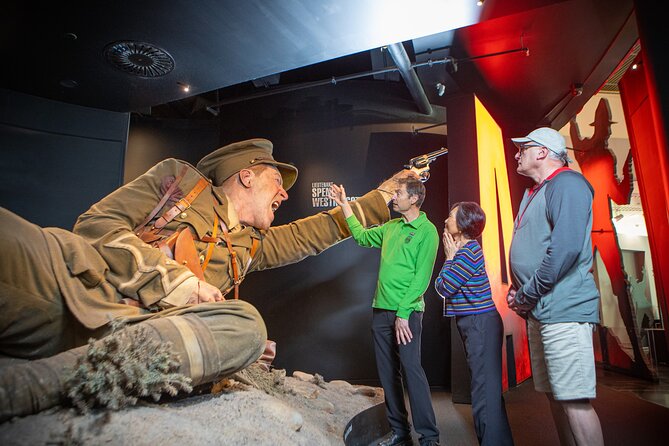
- Weta Workshop collaboration: Oversized figures and cinematic presentation turn “history” into something you can actually stand in front of.
- Eight New Zealanders, frozen in time: A signature feature that anchors the whole exhibition.
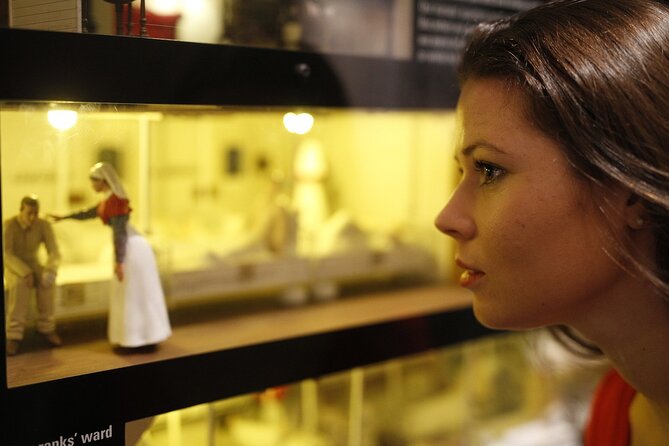
- ANZAC story tools: 3D maps, projections, miniatures, models, and dioramas help you picture what happened.
- Small group pace: Maximum 20 people, with a guide guiding your route through a multi-floor museum.
Why Te Papa’s Gallipoli show feels different from typical history halls
Te Papa isn’t a quiet, formal “museum lecture room.” It’s a modern museum with big, interactive storytelling across six floors—about 200,000 items total. That’s great, but it can also mean you lose your day wandering.
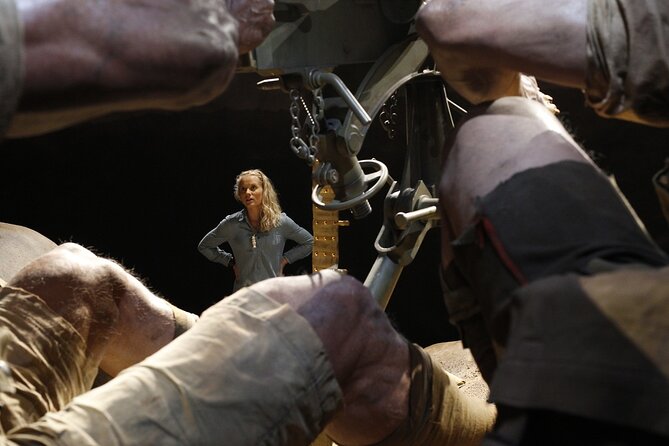
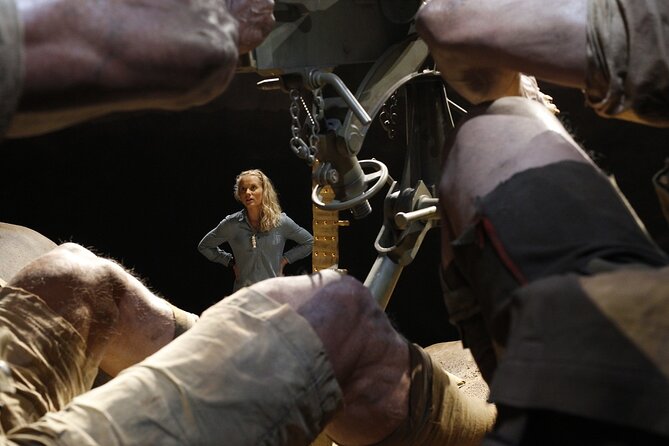
This guided Gallipoli exhibition tour solves that problem by steering you straight to the centerpiece: Gallipoli: The Scale of Our War. The headline feature is the series of eight extraordinary New Zealanders captured frozen in time, presented at 2.4 times human size. When you see something that big at close range, you can’t treat it like a photo on a wall. It changes your physical sense of scale—one of the reasons this exhibition has earned international attention and awards.
I also like the emotional pacing. The show is designed to invite peace and stillness around a heavy topic. You’re not just “learning facts.” You’re asked to read, look, and let the story land.
One practical note: your guided time focuses on highlights. You’ll still spend real time interacting with displays, but the exhibition is only part of the hour. The rest is how the guide helps you move through Te Papa without getting turned around.
You can also read our reviews of more tours and experiences in Wellington.
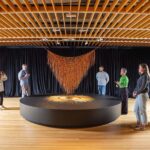

Getting to Te Papa and starting with a calmer first look
The meeting point is easy to find: Museum of New Zealand Te Papa Tongarewa, 55 Cable Street, Te Aro, right by Wellington’s waterfront. That matters because Wellington waterfront walks are a nice pre-museum warm-up, and you’re already in the right part of town.
The tour is scheduled for about one hour with a small group (up to 20). You begin inside the museum with an express route, which is smart on a museum day when you’re tempted to go long on every floor.
What makes this start time valuable is the “before the rest” angle. Multiple people highlight the benefit of arriving early—mainly because you can actually see the big pieces without the usual crowd noise. If you want your first encounter with those oversized figures to feel like a quiet moment (not a stop-and-snap-photo situation), early access is a real perk.
Since you’ll be moving inside Te Papa, wear the shoes you’d wear for a normal Wellington day—some indoor walking and standing is built in. And if you need mobility support, service animals are allowed, and the activity says most travelers can participate.
Inside the Gallipoli exhibition: the 2.4-times-human-size centerpiece
This tour takes you into Gallipoli: The Scale of Our War with the goal of helping you make sense of what you’re seeing quickly.
The standout is the monumental presentation of eight New Zealanders—presented at 2.4 times human size. In plain terms: you’ll feel like you’re standing in front of people, not artwork. It’s the kind of exhibit where you naturally slow down, because your brain keeps trying to “size it up” and can’t do it the same way as a standard display.
The guided approach matters here. Without context, you might admire the visuals and miss how the story connects across rooms. With a guide, you’re more likely to understand what the figures represent and how the exhibition is building a sense of place and consequence.
Here’s the practical expectation you should have: your guide is guiding your route and highlighting key ideas, not reading every label to you. That’s why the exhibition is best if you’re willing to do a little self-guided reading alongside the host’s direction. If you’re the type who likes to skim signs, you might miss some of the nuance that makes this show work.
ANZAC story with 3D maps, projections, and hands-on models

Te Papa and Weta Workshop aren’t only going big on size; they’re also using multiple ways to explain what happened.
As you move through the exhibition, you can expect:
- 3D maps and projections that help you picture the battles
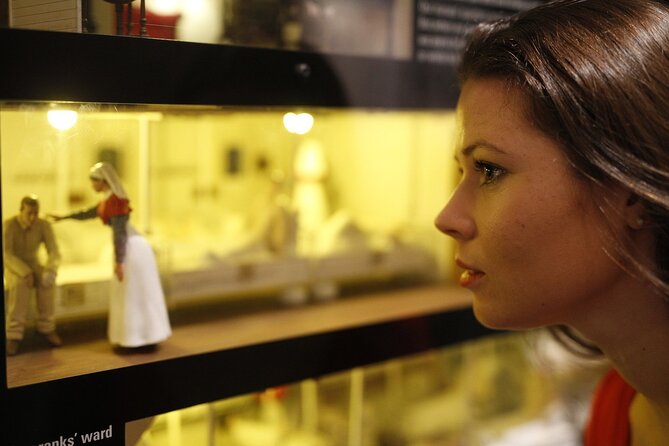
- Miniatures, models, and dioramas that translate geography into something you can visually track
- Interactive experiences that encourage you to engage rather than passively watch
This is where the guided tour earns its ticket price. The subject—Gallipoli and the ANZAC story—can feel like a timeline you’ve heard before. Maps and dioramas make it concrete, but a good guide helps you connect what you see to why it matters.
I like that the exhibition uses several “learning channels” at once. If you’re a visual person, you’ll get the maps and projection storytelling. If you learn by detail and reading, you’ll get a lot to work with. If you’re curious and want to piece together the bigger picture, the models and miniature scenes give your brain something physical to hold onto.
The one caution: a lot is happening in a relatively short time. You won’t be able to study everything like you would on a full museum day. So if there’s one section you’re especially drawn to—maps, models, or the figure-based scenes—linger there when you can.
Te Papa highlights you’ll still catch in just one hour
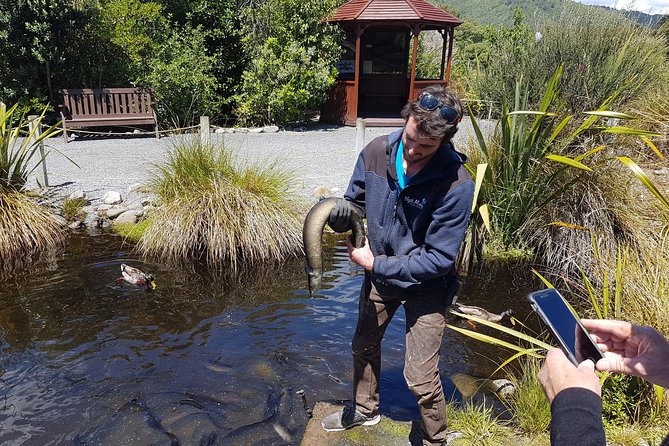
Even though the Gallipoli tour is the star, the guide route is designed to help you feel what Te Papa is like—fast.
Because Te Papa has six floors and an enormous collection, most visitors can’t see the “right stuff” without a plan. This tour is basically a plan. You stop regularly to interact with displays, and you can also expect to catch highlights such as:
- taonga (Māori cultural treasures)
- the museum’s marae (Māori meeting house)
- a mix of historic and contemporary art
That combination is more useful than it sounds. It prevents the day from becoming one-theme-only. You’re not trapped inside one emotional subject matter. Instead, you’re reminded that Te Papa is telling stories from multiple angles—culture, art, and national memory—while you’re also learning what’s in the Gallipoli exhibition.
The best move if you want to maximize value: pay attention to the route the guide gives you, but also note what you’d like to return to later. The museum’s scale means your “second visit” can be where you turn highlights into a deeper day.
Price and value: what your $46.54 really buys
At $46.54 per person, it’s not the cheapest museum activity in Wellington. The value comes from what’s included, not from the tour length.
You’re paying for:
- a professional guide
- a one-hour guided tour
- the international visitor entry charge (listed as a two-day entry)
That last part matters. In many museums, the guided portion is the small add-on and the ticket is the bigger cost. Here, the international entry is rolled into the price, so your “real” spend is split between access and guided interpretation.
Also, you’re getting early access to the Gallipoli exhibition before the broader museum experience starts. For a lot of visitors, that quieter moment is the difference between “I saw it” and “I really processed it.”
So who gets the best deal? People who:
- want a focused introduction to a big museum
- care about the early, calmer experience
- don’t want to plan an entire route across six floors
Who might feel it’s pricey? If you’re the type who loves to wander and read slowly on your own, you might decide to skip the guide and explore later at your own pace. But the guide is helpful precisely because Te Papa is so large that self-guided days can become aimless.
Group size, timing, and the one-hour reality check
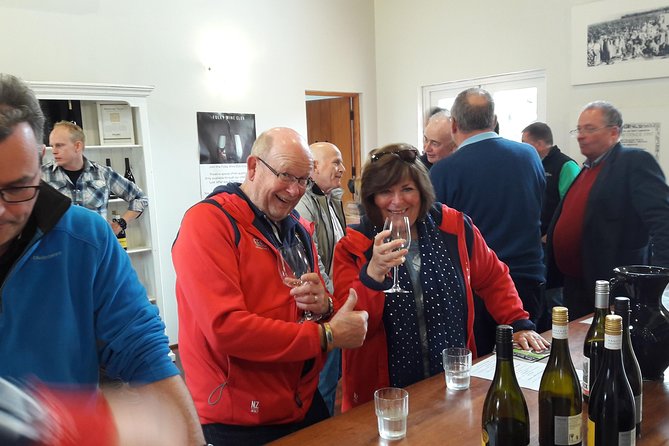
This tour is built for small group energy—maximum 20 travelers. That’s big enough to feel sociable, but small enough that the guide can keep you moving and make stops without a chaotic herd.
Timing is the main reality check. The tour is about one hour, and the experience overview notes it concludes inside the museum after roughly 45 minutes. Translation: you’ll get the guided story beats plus enough time to look, but you won’t leave with a fully exhausted understanding of every display.
If you’re someone who likes to ask questions, this is where you can add your own value. During the guided stops, it’s worth asking one practical question related to what you’re seeing right now—because the guide’s explanations fit the exhibit you’re standing in front of, not the ones you’ll see later.
If you’re expecting an extended lecture, this tour won’t give you that. The best approach is to treat it as a structured “get it in your head” introduction, then use Te Papa on your own time for slower, deeper reading.
Who this Gallipoli tour suits best (and who might skip it)
This is a strong fit if you:
- want early, crowd-light viewing of an emotional exhibition
- like guided direction in museums with lots of floors
- appreciate multiple storytelling formats (figures, maps, projections, models)
- want a guided route that also brushes against Te Papa’s marae and taonga
Consider skipping or pairing differently if you:
- already know Te Papa well and can navigate confidently on your own
- prefer to spend long hours reading every label without any time pressure
- want a longer guided interpretation than one hour can provide
Also think about your travel rhythm. If Wellington is a one-day museum stop, this tour gives you a concentrated way to see the Gallipoli centerpiece while still catching cultural highlights.
Should you book this Gallipoli guided tour?
If you’re going to Te Papa anyway and you care about seeing the Gallipoli exhibition with context, I’d book this. The combination of an expert guide, early access, and included international two-day entry makes the ticket feel less like a “tour premium” and more like buying your way into a smarter museum day.
Book it especially if you want the opening moments to feel quiet and focused. Those oversized figures hit harder when you’re not fighting for space.
Skip it if you’re happy to self-navigate Te Papa and you’ll gladly pay time for slow wandering instead of guided pacing. But for most first-timers, a one-hour guided entry is the fastest way to turn a big museum into a memorable visit with a clear storyline.
FAQ
FAQ
How long is the Gallipoli guided tour at Te Papa?
It’s about one hour.
Where do I meet for the tour?
You meet at Museum of New Zealand Te Papa Tongarewa, 55 Cable Street, Te Aro, Wellington 6011.
Is the admission ticket included in the tour price?
Yes. The tour includes international visitor admission (two-day entry) along with the one-hour guided tour.
What does the tour focus on inside the museum?
It focuses on the Gallipoli exhibition, including the large figures, battles, and the ANZAC story told through 3D maps and projections, miniatures, models, dioramas, and interactive experiences.
How big is the group?
The tour has a maximum of 20 travelers.
Is it an early-entry style experience?
The tour is described as letting you explore the Gallipoli exhibition before the museum opens to the wider public.
Are any other exhibits included with this tour?
No. Entrance fees to short-term paid exhibitions are not included.
Can I use a mobile ticket?
Yes, the tour uses a mobile ticket.
Is there free cancellation?
Yes. You can cancel up to 24 hours in advance for a full refund.