REVIEW · BATA SHOE MUSEUM
Toronto: Bata Shoe Museum Entrance Ticket
Book on GetYourGuide →Operated by Bata Shoe Museum · Bookable on GetYourGuide
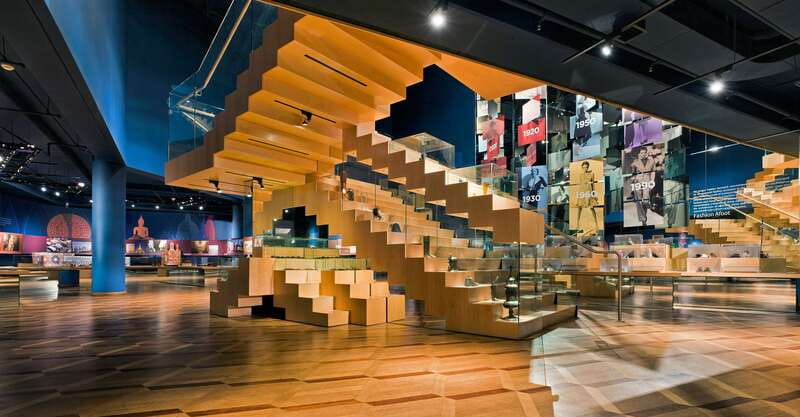
A shoebox museum sounds simple. It’s anything but, thanks to the Bata Shoe Museum’s light-filled design and an inside-the-collection feeling that makes shoes look like stories. I love the sweep across 4,500 years of footwear, and I love how the building’s clean, modern look helps you keep your bearings.
One thing to plan for: the most story-focused older displays may be on a lower level, so if stairs aren’t your thing, give yourself extra time.
I also really like the rotation of special exhibitions inside the main galleries, since it gives you a reason to return or to time your visit around a current theme. Plus, the museum offers complimentary WiFi, which is handy if you’re using maps, transit apps, or just want to look up what you saw. If you’re expecting French signage or a full bilingual presentation, check that English is what you’ll primarily see.
In This Review
- Key things that make this visit worth your time
- Entering the Bata Shoe Museum: Location, architecture, and easy arrival
- What your ticket really includes: 4 rotating gallery spaces and a 4,500-year timeline
- The exhibition format: how All About Shoes shapes your visit
- Rotating exhibitions and social history: shoes as culture, not decoration
- Inside the galleries: what to notice when you wander
- Timing your visit: how long to budget in a one-day ticket
- Price and value: is $11 fair for what you get?
- Pair it with other Toronto culture stops
- Who should book the Bata Shoe Museum ticket
- Bottom line: should you book this ticket?
- FAQ
- What is the price of the Bata Shoe Museum entrance ticket?
- How long is the visit, and is the ticket valid for more than one day?
- Where is the museum located, and how can I get there?
- What’s included with general admission?
- Is the museum accessible and will I have staff support in English?
- What’s the cancellation policy and do I have flexible payment options?
Key things that make this visit worth your time
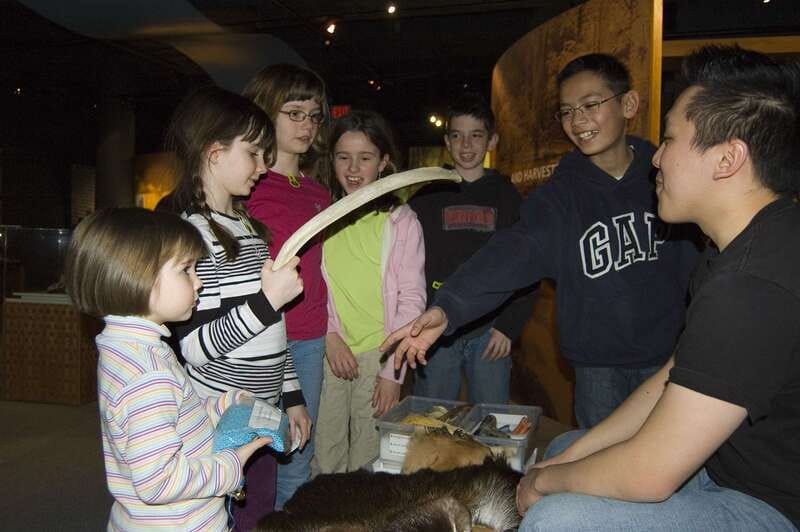
- A shoebox-shaped building by Raymond Moriyama that feels spacious and bright
- 4 gallery spaces with rotating exhibitions, so you’re not stuck seeing the same thing
- 4,500 years of footwear history—a real timeline, not random displays
- Global shoes and social history tied to everyday life, status, and tradition
- Complimentary WiFi on-site for map checks and trip notes
- Strong basement-style storytelling that helps you connect objects to context
Entering the Bata Shoe Museum: Location, architecture, and easy arrival
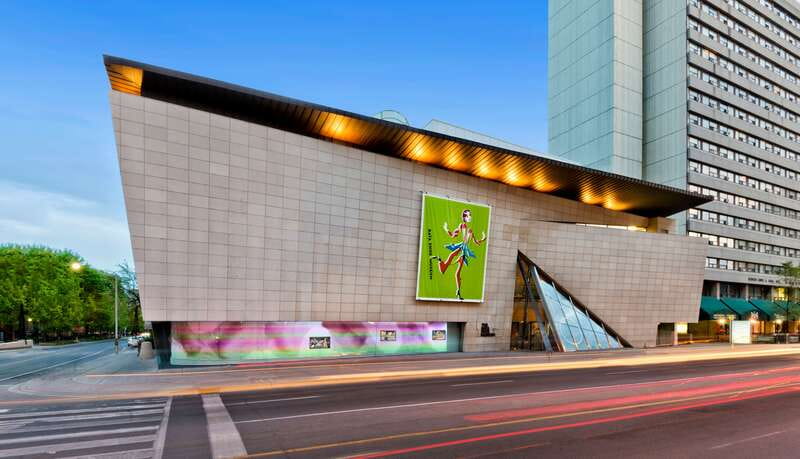
The Bata Shoe Museum sits at 327 Bloor Street West in Toronto, and it’s straightforward to reach from downtown. You can go by subway, or use a car, Uber, or similar ride option if that’s your style. If you drive, expect street and paid parking within walking distance.
Even before you reach the exhibits, the building sets the mood. It’s shaped like a shoebox, designed by Canadian architect Raymond Moriyama, and the interior is known for feeling open and full of light. That matters more than you’d think. When a museum is bright and legible, you move with less backtracking and you actually get to enjoy the objects instead of working your way through a maze.
If you’re visiting with mobility needs, good news: the museum is wheelchair accessible. Just keep in mind that older, deeper-running exhibitions can be placed on different levels, so take your time when exploring.
What your ticket really includes: 4 rotating gallery spaces and a 4,500-year timeline
This is a general admission ticket, good for one day, with the exact starting time tied to availability. The “value” here isn’t just the shoe collection. It’s the way the museum structures your path through history and themes.
You’ll have access to 4 innovative gallery spaces, and those spaces include rotating exhibitions and changing artifacts or shows. That rotation is what keeps the museum from feeling like a single static room of “interesting objects.” Instead, you get repeated chances to reset your attention and focus on different angles, from design to culture to use.
And then there’s the headline: a journey through about 4,500 years of footwear history. The museum doesn’t treat shoes like accessories only. It treats them like tools and cultural signals—things shaped by climate, industry, and daily life. That’s why the museum is worth your hour or two even if you’re not a shoe fanatic.
The exhibition format: how All About Shoes shapes your visit
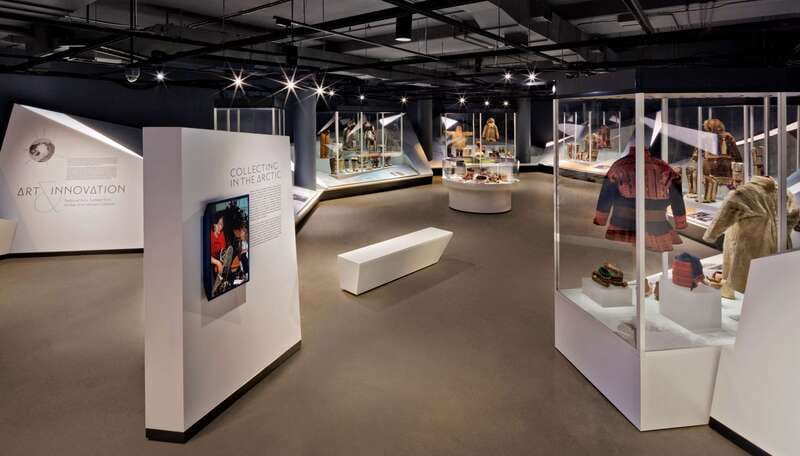
One of the most mentioned pieces of the experience is the older, story-heavy exhibition often associated with the basement level—commonly called All About Shoes. This part tends to connect how we got from early footwear to the modern shoe world you recognize today.
The reason I think this section is important for your overall visit is simple: it gives you a mental framework. Without that timeline, shoes can feel like a collection of cool items. With it, you start noticing patterns—what changes over time, what stays consistent, and what different societies emphasize.
That also explains the one practical drawback to plan for. Several visitors point out that the story-focused older displays can mean more stairs or extra walking than you’d expect. If you want to keep it easy, do this section earlier in your visit when you still have energy, and then move to the more contemporary or themed galleries when you’re ready to slow down.
Rotating exhibitions and social history: shoes as culture, not decoration
The Bata Shoe Museum’s rotating exhibits are where the visit can feel freshest. Shoes are rarely “just shoes,” and the museum leans into that by connecting footwear to social history—how people dressed, worked, belonged, traveled, and expressed identity.
You’ll see the museum’s global emphasis throughout. The museum collects, researches, preserves, and exhibits footwear from around the world, and it’s known for mixing variety in materials, shapes, and styles. In practical terms, that variety is what keeps you from glazing over. Instead of looking at one type of shoe for too long, you’re constantly shifting gears.
Special exhibitions can also include brand-name shows. For example, one period highlighted Manolo Blahnik. That kind of exhibition can help bridge the gap between everyday footwear and the idea of shoes as design objects with cultural weight.
Inside the galleries: what to notice when you wander
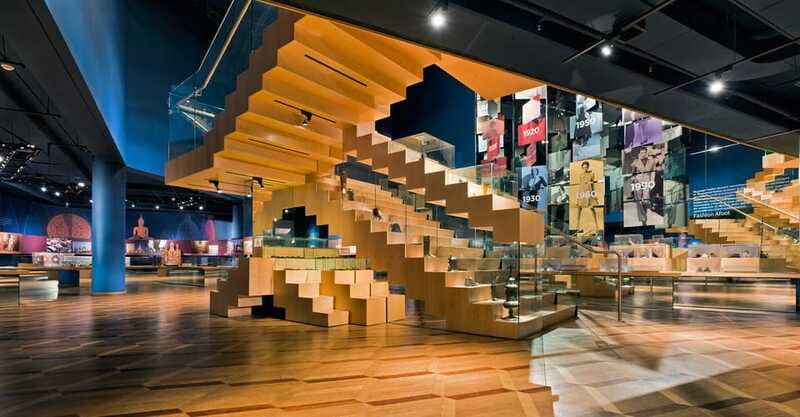
Because this is a self-guided general admission visit, you’ll get the best results if you walk in with a simple game plan. I recommend you pick two “themes” for yourself before you start. For example: materials and function, or fashion and status. Then you can skim quickly at first and return for the objects that match your themes.
Here are a few smart things to look for that this museum makes easier than many others:
- Materials and construction: see how soles, uppers, and closures change by region and by time
- Form vs. function: some shoes look made for beauty, others for long use in tough conditions
- What’s preserved and what’s replicated: you may notice replicas alongside historic pieces, which helps you understand scale and design even when original items are not on display
- Cultural cues: style choices tied to tradition or identity often show up in details you’d miss on a quick glance
One small note: not every visitor expects the mix of permanent and changing displays. Give yourself time to notice where the older material is concentrated and where the rotating themes are placed, so you don’t “finish” early without realizing the most relevant areas might be on another level.
Timing your visit: how long to budget in a one-day ticket
This ticket is designed for a one-day visit. In practice, you’ll probably want to plan for at least an hour or two if you like reading labels and taking your time with the objects. Short visits work if you treat the museum like a highlight hunt—pick one major timeline section plus one rotating exhibit area.
If you’re the type who likes to wander slowly, build in extra buffer time. Some visitors describe the experience as easy to wander through, and that’s true when a museum layout stays clear. The shoebox design and bright interior help, so you don’t feel trapped in a long hallway.
Also, remember the layout consideration: if you do end up spending time on the lower level for the older story section, plan your movement so you’re not zigzagging back and forth for the rest of the museum.
Price and value: is $11 fair for what you get?
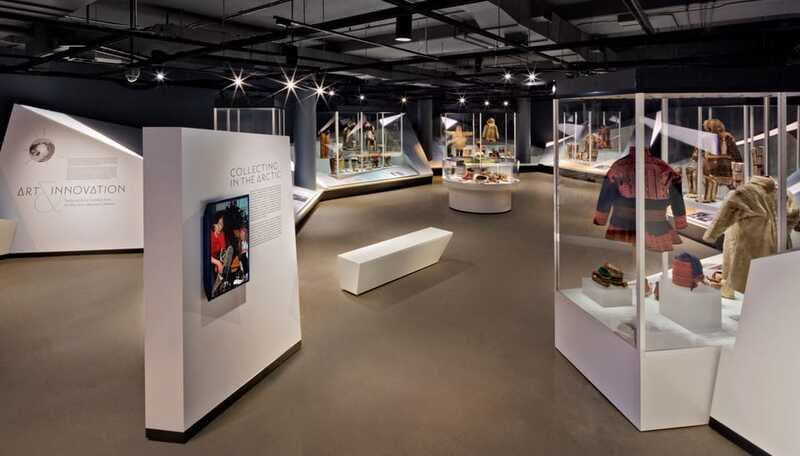
At $11 per person, this ticket is one of those prices that makes you feel like you’re getting more than you bargained for—especially if you enjoy design history, cultural history, or simply want a different angle on everyday life.
Here’s what makes the value hold up:
- You’re paying for access, not a guided lecture. That means you can control pace.
- The museum offers 4 gallery spaces with rotating elements, so it’s not a single-room experience.
- You get a big-picture story of footwear over millennia, which is rare in museums that focus on one era or one style.
- You can use the museum’s complimentary WiFi, which helps with trip planning and quick lookups while you’re on-site.
Is it perfect value for everyone? If you only want a quick photo stop and you dislike reading exhibit text, you might feel it’s more “museum” than “attraction.” But if you like slow looking, this price lands in the sweet spot.
Pair it with other Toronto culture stops
The museum is in a strong area for day-planning, and you can easily connect it with other downtown cultural options. One common strategy is to look for combo-style value with nearby museums such as the Textile Museum and the Gardiner Museum, depending on what ticket deals are available at the time.
Even if you don’t buy a combo ticket, the location makes it easy to build a clean half-day or full-day loop. Do the Bata Shoe Museum first while you’re fresh, then move on when your interest shifts from “how shoes evolved” to “what other objects and design collections are telling us about people.”
Who should book the Bata Shoe Museum ticket
You’ll probably enjoy this ticket if you like any of these:
- Design and craftsmanship (how shapes and materials solve problems)
- Global culture (how clothing and footwear reflect place and tradition)
- History that connects to daily life (shoes as practical tools, not just fashion)
You might reconsider if you’re looking for a hands-on, activity-heavy museum day. This is more about objects and interpretation than interactive games.
Language is also something to factor in. The museum provides information in English, and if you were hoping for French alongside English, it’s wise to confirm signage and label language before you go.
Bottom line: should you book this ticket?
If you want a smart, self-paced museum visit in Toronto for a modest price, I think the Bata Shoe Museum is a strong pick. The combination of 4 gallery spaces, rotating exhibitions, and a guided-feeling 4,500-year footwear storyline gives you a lot of variety without complicated planning.
I’d book it if you like looking closely and reading just enough to connect the objects to the bigger picture. If you hate stairs or you’re very short on time, go earlier in the day and be ready to spend most of your effort in the most story-focused sections first.
At $11, you’re not taking a huge risk. It’s one of those ticket purchases that often turns into a “how did I spend two hours already?” kind of afternoon—especially once you start noticing the tiny details in construction, materials, and style.
FAQ
What is the price of the Bata Shoe Museum entrance ticket?
The entrance ticket is $11 per person.
How long is the visit, and is the ticket valid for more than one day?
The ticket is valid for 1 day. Starting times depend on availability.
Where is the museum located, and how can I get there?
The Bata Shoe Museum is at 327 Bloor Street West, Toronto. It’s reachable by subway, car, or Uber, and parking may be available within walking distance.
What’s included with general admission?
Your ticket includes general admission and complimentary WiFi on-site.
Is the museum accessible and will I have staff support in English?
The museum is wheelchair accessible, and the host or greeter language is English.
What’s the cancellation policy and do I have flexible payment options?
You can cancel up to 24 hours in advance for a full refund. You can also reserve now & pay later to keep plans flexible.