REVIEW · WELLINGTON
Museum of NZ Te Papa Tongarewa: International Visitor Entry
Book on Viator →Operated by Museum of New Zealand Te Papa Tongarewa · Bookable on Viator
Te Papa is the kind of museum you can’t speed through. In one waterfront stop, you get hands-on exhibits powered by modern tech, plus a respectful focus on Māori and Pacific heritage that helps you understand New Zealand beyond the highlights.
Two things I especially like: the way the museum links stories to what you can see and do, and the fact that the museum treats culture as living, not just displayed. One catch to plan around: your international entry ticket covers general admission only, so paid exhibitions, events, tours, and Story Place may cost extra depending on the day.
Key things to know before you go
- General admission covers the core museum: you’ll be free to explore the main galleries for your ticket window.
- Your ticket works for 2 days (48 hours), so you can split the visit instead of rushing.
- War and ANZAC/Gallipoli experiences hit hard, and they’re a favorite for many first-timers.
- Māori and Pacific culture is central, not a side section, with interactive exhibits to support learning.
- Mobile ticket entry makes check-in simple, and it’s tied to your booking confirmation.
- You’re not paying for parking, so plan transit or walking time from nearby options.
In This Review
- Te Papa on Wellington’s waterfront: why this museum works
- Price and ticket value for international visitors
- What your international entry ticket actually covers
- Timing your visit: 10am to 6pm and a 48-hour window
- A simple plan for your “Stop 1”: exploring Te Papa at your pace
- Māori and Pacific heritage: what to look for (and how to approach it)
- Natural history and New Zealand’s environment: more than facts
- National Art Collection: a smart break from heavy topics
- The ANZAC and Gallipoli experience: the emotional highlight
- What you’ll miss if you assume everything is included
- Practical tips to make the most of 2 days at Te Papa
- Who should buy this international visitor entry ticket?
- Should you book this Te Papa International Visitor Entry?
- FAQ
- FAQ
- How much does international visitor entry cost?
- How long is the ticket valid?
- Who needs to buy an international entry ticket?
- Are New Zealanders free to enter?
- Is parking included with the ticket?
- What are the opening hours for Te Papa?
- Is a mobile ticket used?
- Can I get a refund if I cancel?
- Does the ticket include tours or paid exhibitions?
- Is Te Papa near public transportation?
Te Papa on Wellington’s waterfront: why this museum works
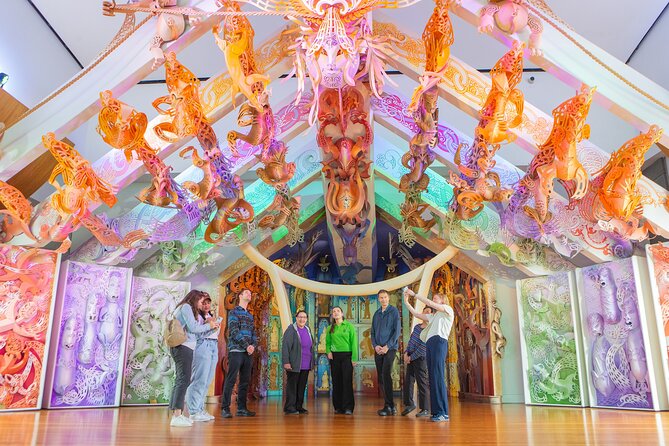
Te Papa Tongarewa is Wellington’s national museum, and it has a simple superpower: it puts New Zealand’s big themes in one place. You can move from natural history to national art to Māori and Pacific culture without feeling like you’re bouncing between random attractions.
It’s also built for real use. The museum leans on interactive displays and modern presentation, which is great when you don’t want to spend hours only reading labels. From what you’ll encounter on the museum floors, the goal isn’t just information. It’s making connections—what the place means, how people experience it, and why it matters today.
And because it’s in the city, you can treat it like an anchor. You can start your trip with a strong sense of context, then build your other plans around it.
Price and ticket value for international visitors
For international visitors, the entry ticket price shown here is $21.72 per person. That sounds like a “museum price,” but the value comes from what general admission gets you.
This ticket is for general admission to the museum. That’s the part you’ll actually use for hours: multi-level galleries covering New Zealand’s natural environment and history, cultural displays (including Māori and Pacific), and the National Art Collection.
Here’s where value gets personal: if you’re only visiting for a short time in Wellington, Te Papa is one of the best places to spend that limited time. You get multiple subjects in one building, which helps your day feel intentional rather than scattered.
One more pricing reality: paid exhibitions and events are not included in general admission. If you’re specifically hunting those extra-ticket experiences, you’ll want to budget for them separately.
You can also read our reviews of more museum experiences in Wellington



What your international entry ticket actually covers
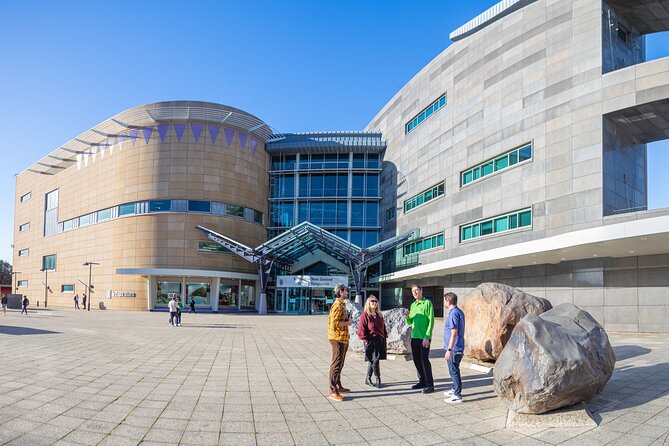
Your ticket is general admission, and it’s valid for 2 days (48 hours). That matters because Te Papa is the sort of museum where speed hurts. If you give yourself time to pause and circle back, you’ll understand more.
Also, ticket rules are age- and residency-based:
- International visitors aged 16 and over need to buy a museum entry ticket.
- International visitors under 16 are free, but they still need a ticket.
- New Zealanders are free. That includes New Zealand citizens and residents living overseas.
So before you buy, double-check who in your group truly needs a paid entry. It’s an easy way to avoid overpaying.
Timing your visit: 10am to 6pm and a 48-hour window
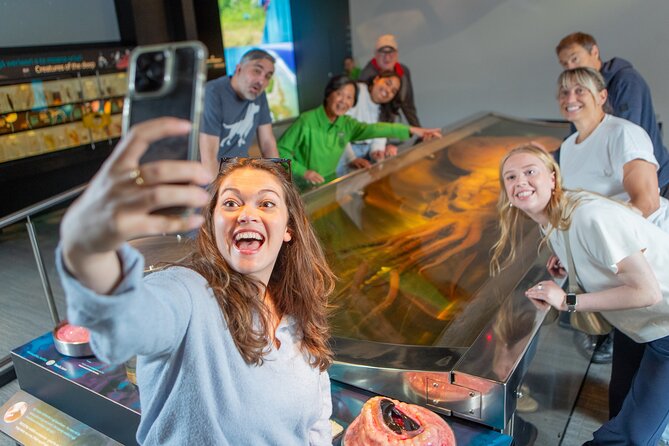
Te Papa runs daily from 10:00 AM to 6:00 PM. With a ticket valid for 48 hours, you can choose a smarter rhythm than the usual one-shot museum scramble.
I’d plan it like this:
- Pick one main session when your energy is highest (morning or early afternoon).
- Use the second day for the areas you didn’t slow down for—especially the cultural and war-related spaces, which often need time to absorb.
This approach works because the museum has layers and topics that reward attention. It’s not a checklist museum.
A simple plan for your “Stop 1”: exploring Te Papa at your pace
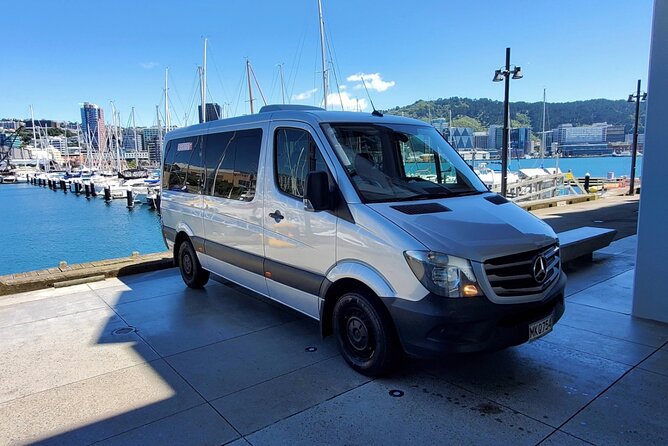
Since your experience is essentially admission to the museum, your itinerary is what you make inside. Te Papa’s interior is structured so you can roam between major themes without getting lost in technical complexity.
Start with orientation. When you walk in, aim to get your bearings fast, then pick a direction. The museum’s interactive style means you’ll naturally want to stop for details. If you force yourself to see everything in one go, you’ll miss the museum’s best moments—those moments are often the slower ones.
For a balanced day, think in blocks:
1) Cultural context (Māori and Pacific heritage)
2) Natural history (how New Zealand’s environment shaped life)
3) Art collection (a change of pace)
4) One big emotional highlight (the ANZAC/Gallipoli-style experience)
If you try to hit all four blocks in one short afternoon, you’ll feel rushed. Use the 48-hour ticket to spread the load.
Māori and Pacific heritage: what to look for (and how to approach it)
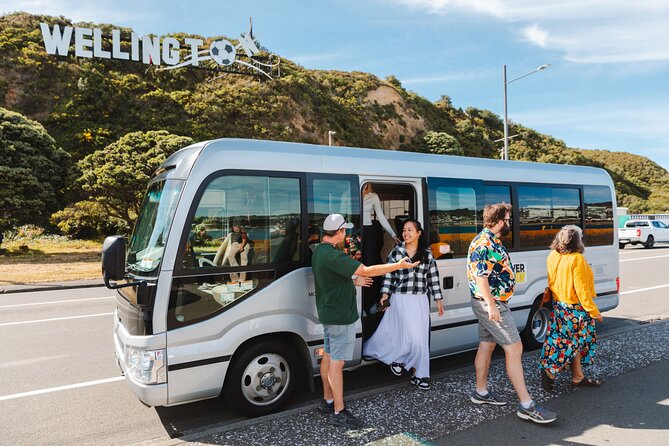
Te Papa is especially strong on Māori and Pacific cultural treasures, and that shows up in the way the museum presents stories. Instead of treating culture as “stuff from the past,” the displays connect meaning, people, and identity.
When you’re in these sections, I recommend two habits:
- Give yourself time to read what the exhibit is trying to say, then use the interactive elements to test your understanding.
- Don’t treat it as only “information.” Think of it as learning how New Zealand explains itself.
Why this matters: a museum like this gives you context for the rest of your trip. Once you understand the cultural framing, you’ll notice it in place names, in the way communities talk about history, and in the meaning behind what you see outside the museum.
The reviews also point to this being a standout learning area, especially for people visiting New Zealand for the first time.
Natural history and New Zealand’s environment: more than facts
Te Papa’s natural history galleries can be surprisingly satisfying because they connect place to story. Instead of feeling like random science panels, you’re seeing how New Zealand’s unique environment shapes its history and identity.
If you like museums that explain why things are the way they are, this is your payoff. You’ll likely spend time here because it’s easy to get curious—and curiosity is what you need in a museum that covers a lot.
A practical way to handle it: don’t try to “master” everything. Pick a few themes that interest you—then follow related areas as you move through the museum.
National Art Collection: a smart break from heavy topics
One reason Te Papa works well over two days is the art component. It gives your brain a different kind of focus.
The National Art Collection is part of the same building, so you can switch gears without losing momentum. Even if you’re not an art superfan, art galleries often make it easier to reset after reading and emotionally intense exhibits.
How to use it well: treat art as a pause. Spend enough time to notice the curatorial choices and themes, but don’t pressure yourself to finish. If you keep the museum flowing, you’ll enjoy more.
The ANZAC and Gallipoli experience: the emotional highlight

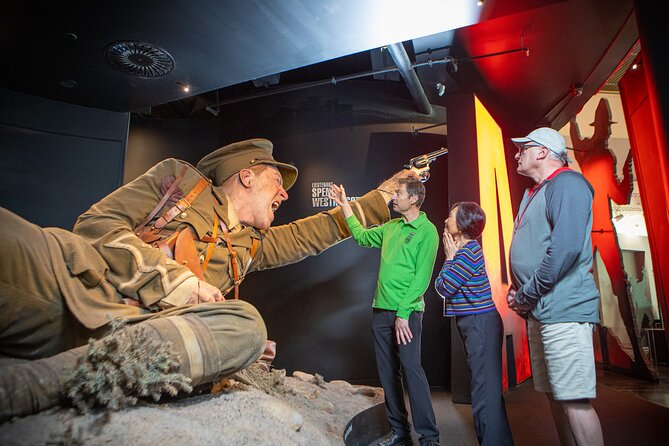
If there’s one section that consistently earns strong praise, it’s the museum’s war-focused experience—often described in relation to ANZAC and the Gallipoli story.
What makes it stand out is how moving it can be. Many visitors spend a long time there, and it’s easy to see why. War history tends to hit differently when the presentation is built for reflection, and this museum’s approach earns that reaction.
There’s also a notable detail: the Gallipoli exhibit has been described as designed by Jonathan Turner, the same creative associated with Lord of the Rings. That’s the kind of production note that signals you’re not walking into a basic display. You’re walking into a carefully built experience.
If your group includes anyone with a military background, this portion can be especially meaningful. If you’re sensitive to heavy themes, you’ll still want to see it, but plan your timing so you’re not exhausted afterward.
What you’ll miss if you assume everything is included
Your ticket is general admission only. That’s clearly stated, and it matters because Te Papa also runs:
- paid exhibitions and events
- tours
- Story Place
Prices for those depend on the day. So if you’re hoping for a specific paid add-on, don’t assume your entry ticket covers it. Check on-site or plan your budget in advance.
This is the main “gotcha” with Te Papa tickets. General admission is still the core value, but paid extras can change the total cost of your visit.
Practical tips to make the most of 2 days at Te Papa
You don’t need a complex strategy, but a few choices can make a big difference.
Book online to avoid queuing. The museum specifically recommends this approach. For a city museum, lines can take time out of your day, and you’ll want that time for the galleries.
Use the 48-hour rule to dodge rush. Two shorter visits beat one frantic marathon. You’ll also be able to return to interactive areas after you’ve built context.
Pair Te Papa with transit-friendly planning. The museum is near public transportation, so aim to use that and keep your day simple. Your ticket does not include parking, so avoid assuming you can park easily without thinking about cost.
Decide what kind of museum day you’re having. If you’re the type who wants to read everything, expect to spend hours. If you prefer a mix of reading and interacting, the museum is set up for that too.
Who should buy this international visitor entry ticket?
This entry ticket is a strong choice if you:
- are visiting Wellington and want one museum that covers culture, environment, and national art
- want a meaningful learning stop, not just a quick photo stop
- appreciate interactive exhibits that help you understand what you’re seeing
- are interested in the ANZAC and Gallipoli experience
It’s also a good fit for first-time New Zealand visitors. Te Papa does a solid job acting like a national orientation—so your later sightseeing has more meaning.
If you’re traveling with kids under 16, check who needs a ticket. International visitors under 16 are free but still require a ticket.
Should you book this Te Papa International Visitor Entry?
Yes, I’d book it if Te Papa is on your Wellington list and you want real value from a single stop. The price is reasonable for a multi-day ticket window, and the museum’s mix—interactive Māori/Pacific culture, natural history, national art, and a powerful ANZAC/Gallipoli experience—means you’re not forcing your interests into a one-topic museum.
Only skip or rethink if you already have a very short schedule and you know you won’t have time to use the 48-hour window. In that case, paying for general admission may feel less efficient. Otherwise, Te Papa is the kind of place that repays patience.
FAQ
FAQ
How much does international visitor entry cost?
The international visitor museum entry ticket is priced at $21.72 per person.
How long is the ticket valid?
Your ticket can be used for 2 days, which is 48 hours. The museum is open from 10:00 AM to 6:00 PM.
Who needs to buy an international entry ticket?
International visitors aged 16 and over need to buy a museum entry ticket. International visitors under 16 are free, but they still need a ticket.
Are New Zealanders free to enter?
Yes. New Zealanders are free to enter without a ticket, including New Zealand citizens and residents living overseas.
Is parking included with the ticket?
No. Your ticket does not include parking.
What are the opening hours for Te Papa?
Te Papa is open daily from 10:00 AM to 6:00 PM.
Is a mobile ticket used?
Yes. This experience uses a mobile ticket.
Can I get a refund if I cancel?
Free cancellation is available. You must cancel at least 24 hours before the experience’s start time for a full refund.
Does the ticket include tours or paid exhibitions?
No. Your entry ticket covers the museum’s general admission only. Entry to paid exhibitions and events, tours, or Story Place is not included.
Is Te Papa near public transportation?
Yes. It is near public transportation, and service animals are allowed.