REVIEW · PARIS
Paris : Museum of Illusions Entry Ticket
Book on GetYourGuide →Operated by Musée de l'illusion Paris · Bookable on GetYourGuide
Paris turns your eyes inside out.
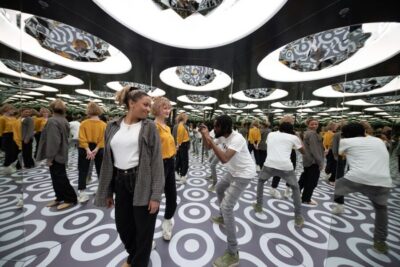
At the Musée de l’illusion Paris, you walk into a playful world where your senses get tested again and again, thanks to 70+ interactive exhibits and hands-on illusion rooms.
What I really like is how fast it goes from fun to surprisingly educational. You get gravity-defying setups and holograms to challenge what you think you see, and you can leave with photos that look like magic but are really clever perception tricks.
One thing to consider: it can get crowded, so expect some waiting and a bit of crowding as you move between installations.
In This Review
- Key things to know before you go
- Musée de l’illusion Paris: what your ticket really covers
- The 1-hour flow: how long it takes and how to pace yourself
- Gravity-defying rooms and holograms: the stuff that lands instantly
- The illusion science side: how the museum teaches without feeling like school
- Real talk on crowds, access, and waiting
- What to bring, rules to follow, and how to avoid small annoyances
- Who this museum suits best (and who might want to skip)
- Ticket value: is $22 for a 1-hour illusion worth it
- Should you book Musée de l’illusion Paris?
- FAQ
- How long does the Museum of Illusions in Paris take?
- Where is the meeting point?
- What’s included in the ticket price?
- Are food and drinks allowed inside?
- Can I bring a camera or smartphone?
- Is the museum wheelchair accessible?
- Is the experience good for children?
- What should I expect from the exhibits?
Key things to know before you go
- 70+ interactive exhibits that you control with your body, phone, and attention
- Gravity-defying installations built for photos and repeat attempts
- Holograms and optical puzzles that explain how perception works (without a lecture)
- Photo-friendly rooms where every corner is meant to be captured
- A fast visit: you may finish closer to 40 minutes than you expect, even though the ticket is for about 1 hour
- All ages friendly, with plenty of moments that work for kids and adults
Musée de l’illusion Paris: what your ticket really covers
Your Paris Museum of Illusions entry ticket is basically a pass to an experience built around one core idea: seeing is trickier than you think. Instead of standing around reading plaques, you move through interactive spaces that make your brain work harder than your feet.
The museum’s promise is clear from the start: over 70 exhibits that mix hands-on optical tricks with playful science. That means you’re not just looking at an illusion, you’re part of it. Step in, pose, shift angles, and often try again, because the effect changes with your position.
For value, I think the strongest argument for this ticket is what you get in exchange for time. At about 1 hour, it’s a concentrated stop that can fit into a busy Paris day, especially if you’re balancing bigger sights with something light and quirky. At $22 per person, the price feels fair when you treat it like entertainment plus a mini lesson in how vision works.
A few more Paris tours and experiences worth a look



The 1-hour flow: how long it takes and how to pace yourself
The ticket is listed as 1 hour, and that’s a useful guide for planning. In practice, the museum can feel like it has a lot of “try this, then that” moments, so it goes quickly if you’re moving purposefully.
If you like to linger for better photos, you may stretch things toward the full hour. If you’re more into quick experimentation and momentum, you might come out sooner. Either way, you can keep your day flexible, because the experience is designed for a self-paced loop.
Here’s how I’d pace it so you get the most out of your time:
- Start with the big, obvious photo moments first, so you don’t lose your patience later in the visit.
- If something is crowded, shift to another room and come back when the line thins.
- Plan for at least a short pause to reset your phone camera settings and battery level.
Also, the museum is wheelchair accessible, which matters for planning your route. With interactive rooms, it’s easier when you can move smoothly and avoid bottlenecks.
Gravity-defying rooms and holograms: the stuff that lands instantly
This is where the museum really earns its reputation. You’ll find gravity-defying installations that play with balance, angle, and perspective. The big payoff is that you don’t need technical skill to get a convincing result. You just need the right spot and a willingness to look slightly silly for 20 seconds.
You’ll also see holograms and other perception-based displays. These are the kinds of exhibits that feel different from room to room, which helps keep attention from slipping. Even if you’ve seen illusions before, hologram-style effects tend to reset your expectations fast.
For photo lovers, this is the main event. The exhibits are built to be photographed in the moment, and that changes how you experience them. Instead of watching, you’re aiming, repositioning, and refining. You end up taking multiple shots because small changes can make the effect stronger.
My practical tip: bring a camera or a charged smartphone and don’t rely on a nearly dead battery. You’ll want a charged device because you’ll likely take more photos than you expect.
The illusion science side: how the museum teaches without feeling like school
The Musée de l’illusion Paris isn’t just a photo studio. It also includes playful, educational displays designed to show how illusions work. The museum’s trick is explaining the idea behind what you’re seeing while keeping it light.
You’ll run into thought-provoking puzzles and interactive setups that connect to visual perception. The museum nudges you toward noticing patterns: what your brain assumes, what it ignores, and how the context around a visual cue can change what you believe.
This part is especially good for mixed groups. Kids tend to stay engaged because they’re doing something. Adults often get a satisfying payoff because the exhibits make the science feel hands-on rather than textbook-based.
And because you move at your own pace, you can decide how much “thinking” you want to do. You can just play. Or you can slow down and figure out why the illusion works.
Real talk on crowds, access, and waiting
The museum can be a bit of a traffic jam, especially at peak times. One downside is that it can be very crowded, and some installations may require patience if there’s a line of people trying to get the same angle.
This doesn’t mean you should skip it. It just means you should treat it like a hands-on attraction, not a quiet gallery.
Here’s what I recommend to avoid frustration:
- Don’t force yourself to wait at the first crowded exhibit. Move on and return later.
- If you’re visiting with kids, agree on a quick plan like first photos, then puzzles, then the last round of favorite effects.
- Keep expectations realistic. Even the best illusion won’t impress if you’re rushing and annoyed.
The good news is that the museum layout is built around moving between multiple stations. So even when one spot is busy, you can usually shift to another experience without losing the fun.
You can also read our reviews of more museum experiences in Paris






What to bring, rules to follow, and how to avoid small annoyances
This is one of those places where a few basics make the difference between smooth fun and constant interruptions.
Bring:
- Camera or your charged smartphone
- A phone with enough storage for photos
Not allowed:
- Food and drinks
- Alcohol and drugs
If you’re planning around lunch, do it before or after your visit. Since food and drinks aren’t allowed inside, you don’t want to arrive hungry and then realize you can’t grab anything on site. Keep a water plan for outside the museum, then enjoy the exhibit run without distractions.
Also, wear shoes you’re comfortable moving in. The experience is about interacting with installations, which usually means standing, stepping, and repositioning.
Who this museum suits best (and who might want to skip)
This is a strong fit if you want:
- A family-friendly activity where adults and kids can enjoy the same exhibits
- A break from heavy sightseeing days
- An easy, self-paced stop with lots of photo opportunities
- A fun way to learn about visual perception without a lecture
It’s also a good option for solo travelers, because you’re not waiting around for a guide’s narration. You can enjoy it at your own speed, and you’ll naturally find your way from one illusion to the next.
Where it may not be the best match:
- If you dislike crowds and hate waiting for “your turn” at interactive photo spots, you’ll want to time your visit carefully.
- If you assume it will be a long, museum-style wandering experience, you may feel surprised by how quickly it can be completed.
Ticket value: is $22 for a 1-hour illusion worth it
Let’s look at value the honest way. At $22 per person for about 1 hour, you’re paying for interactivity and novelty. You’re not paying for a grand historical collection or long gallery time. You’re paying to play with perception.
So the question is simple: do you enjoy hands-on attractions where you take part in the effect? If yes, the price makes sense. You get multiple categories of exhibits: gravity tricks, hologram effects, and interactive puzzles—plus the extra bonus of getting something to share afterward via photos.
If you’re expecting a slow, contemplative museum visit, you might judge it as short. But if you treat it like a high-focus, photo-friendly activity, it’s a very efficient use of time in central Paris.
Should you book Musée de l’illusion Paris?
I’d book it if you want an energetic, low-stress stop that works for almost any age group and gives you plenty of chances to create memorable photos. The mix of interactive exhibits, gravity-defying installations, and holograms makes it fun right away, and the puzzle-and-science angle keeps it from feeling like pure gimmick.
Skip or reconsider if crowds would ruin your day, or if you want something quieter and more traditional. This place is built for participation, and that can mean waiting at certain moments.
If you’re flexible and you plan to move quickly between rooms when one spot is busy, you’ll probably come away smiling, slightly confused (in a good way), and with photos people will genuinely ask about.
FAQ
How long does the Museum of Illusions in Paris take?
Plan on about 1 hour for your visit. Some people may move through faster, depending on how many photo moments and interactive exhibits you try.
Where is the meeting point?
Go to Musée de l’illusion Paris.
What’s included in the ticket price?
The ticket includes entry to the Museum of Illusions Paris.
Are food and drinks allowed inside?
No. Food and drinks are not allowed, and alcohol is not allowed either.
Can I bring a camera or smartphone?
Yes. It’s recommended to bring a camera and/or a charged smartphone for photos.
Is the museum wheelchair accessible?
Yes. The experience is listed as wheelchair accessible.
Is the experience good for children?
Yes. It’s described as perfect for all ages, including children.
What should I expect from the exhibits?
Expect 70+ interactive exhibits, including gravity-defying installations, holograms, and playful displays that explain visual illusions through hands-on interaction.