REVIEW · ISTANBUL
Istanbul Archaeological Museums Entry Ticket & Audio Guide
Book on GetYourGuide →Operated by Istanbul Tourist Pass® · Bookable on GetYourGuide
Ancient statues, modern tickets, easy rhythm. I like the QR skip-the-line entry and the 25-language audio guide that helps you go at your own pace, but you still deal with mandatory security checks at the entrance. It’s a one-day ticket in a spot where you’ll see artifacts spanning Greece, Egypt, Mesopotamia, and more, all organized in museums that are worth slow-walking.
You’ll get audio support in languages like English, Turkish, French, German, Russian, Japanese, Arabic, Persian, and Urdu—so you’re not stuck in a single language. One practical catch: this isn’t a guided tour, so you’ll be driving the experience yourself, with just the entry ticket and the audio link to keep things moving.
Plan for a museum day that’s more “choose your route” than “follow a script.” If you want big-name masterpieces plus time for the quieter rooms, this format fits well. If you need every detail explained by a person, you may miss the structure of a live guide.
In This Review
- Key things that make this ticket worth your time
- QR Skip-the-Line Entry: What You Actually Get at the Door
- Getting There: Gulhane Tram Stop and a 5–10 Minute Walk
- Inside Istanbul’s Archaeological Museums: The Smart Way to Spend One Day
- Audio Guide in 25 Languages: How to Get More Out of It
- The Main Treasures You’ll See: Hermes, Aphrodite, and the Tomb Masterpieces
- Statue of Hermes and the Aphrodite
- The Crying Women Tomb, the Lykia Tomb, and the Alexander Sarcophagus
- Ottoman-Era Art Inside the Same Ticket: The Enameled Kiosk Museum
- Old Eastern Works: When Anatolia, Mesopotamia, Egypt, and Arabia Meet
- Renovation Reality and Practical Comfort: Toilets, Signage, and Time Loss
- Ticket Scanning Issues: How to Avoid a Day-Stopping Moment
- Price and Value: Is $25 Fair for a One-Day Museum Ticket?
- Who This Works Best For
- Should You Book This Ticket?
- FAQ
- What’s included with the Istanbul Archaeological Museums ticket?
- Is this a guided tour?
- Can I skip the security lines?
- Do I need internet on my phone?
- What do I need to show at the museum entrance?
- What languages are available on the audio guide?
- How do I reach the museum area using public transport?
- Is free cancellation available?
Key things that make this ticket worth your time

- QR entry + audio in 25 languages keeps you self-paced without guessing
- You can hit the big rooms fast thanks to the skip-the-line setup
- Major highlights are included on the audio route, not just listed on a pamphlet
- Multiple museum buildings in one ticket means you can spend a real day, not a quick stop
- Security still takes time even with the QR ticket, so don’t arrive in a panic
- Phone internet matters because the QR access depends on your connection
QR Skip-the-Line Entry: What You Actually Get at the Door

This ticket is built for one goal: getting you into the Istanbul Archaeological Museums without the extra queue that usually slows everyone down.
You’re given two entry QR codes plus an audio guide link, but they arrive in separate emails from the provider. That matters because you don’t want your phone scrambling in the last minute. Check that both messages are in your inbox before you leave your hotel.
At the entrance, you’ll still face mandatory security checks. The QR code helps with entry timing, but it doesn’t remove the real-life museum reality: bags are checked, lines happen, and everyone must go through the process.
Also, the QR codes only show when you’re near the museum entrance. That’s normal for ticketing like this, but it’s one more reason to keep your phone charged and ready.
A few more Istanbul tours and experiences worth a look



Getting There: Gulhane Tram Stop and a 5–10 Minute Walk

The easiest public-transit approach here is the T1 Bağcılar–Kabataş tram. Get off at Gülhane station, then plan for a short 5–10 minute walk to reach the museums.
Why I like this plan: it’s straightforward. You’re not juggling multiple transfers, and you can keep your day moving. When your museum day is self-guided, simpler logistics keep your energy for the artifacts.
Inside Istanbul’s Archaeological Museums: The Smart Way to Spend One Day

The Istanbul Archaeological Museums are not one single room where you “check the list.” They’re organized like a mini-world of collections, spread across museum buildings with different themes.
A smart day plan is to pick a pace: either “highlights first, then details,” or “details first, then highlights.” With this audio guide format, both approaches work because the commentary is there to pull you back into context as you walk.
Here’s a practical way to structure your time:
1) Start with the big floor icons so you build a mental map early.
2) Follow the audio path room-by-room rather than “jumping randomly.”
3) Save time for the tombs and sarcophagus areas, because they’re the kind of exhibits where you’ll stop repeatedly.
You’ll get the most value if you allow the museum to slow you down. Even if you’re efficient, artifacts like monumental sculptures and carved tomb pieces need a few minutes each, or they blur together.
Audio Guide in 25 Languages: How to Get More Out of It
The audio guide is one of the best parts of this ticket. It’s available in 25 languages, including English, Turkish, French, German, Russian, Spanish, Italian, Japanese, Korean, Chinese, Arabic, Persian, Polish, and more.
In real use, the key is to treat the audio guide like a “conversation starter,” not a lecture you must finish perfectly. The audio is meant to keep you oriented as you pass exhibits, especially if you’re not familiar with the civilizations on display.
There’s one detail to plan around: the audio guide experience can feel a bit inconsistent, with tracks sometimes jumping numbers. That’s frustrating if you’re expecting a smooth, step-by-step sequence. If that happens, don’t panic. Just continue by matching what you see to what the audio is describing, or use any on-screen text information you encounter to reconnect the thread.
If you’re listening in Japanese, the audio track is reported to sound clear and easy to understand, which is great if you want the museum experience in your own language without guesswork.
The Main Treasures You’ll See: Hermes, Aphrodite, and the Tomb Masterpieces
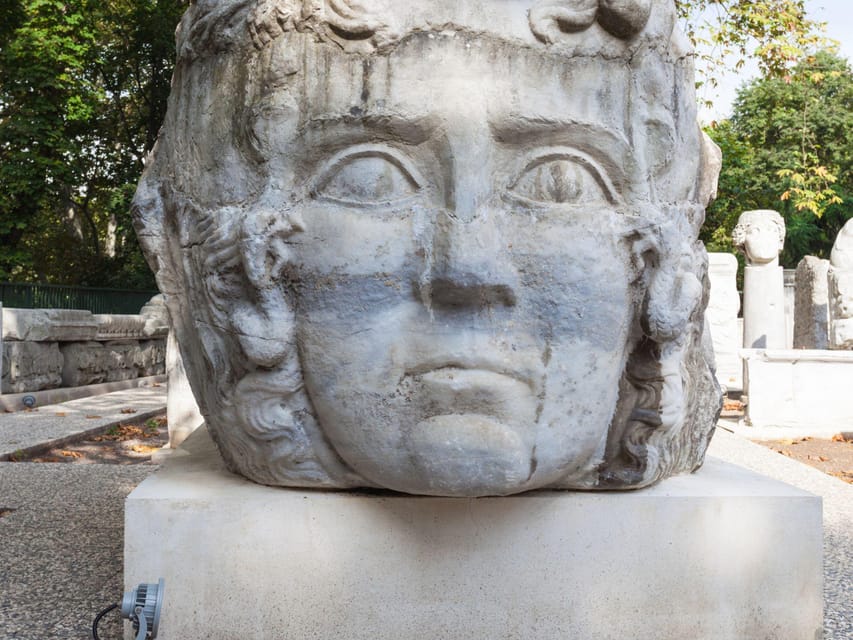
Some exhibits are famous for a reason, and this ticket gives you the chance to meet those icons in person.
You can also read our reviews of more guided tours in Istanbul


Statue of Hermes and the Aphrodite
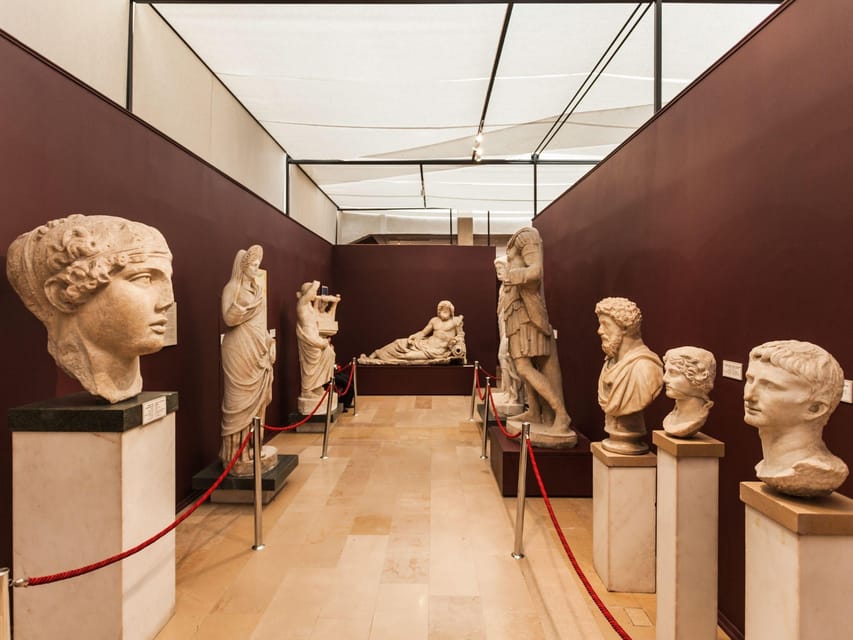
You’ll encounter classic sculptures, including the Statue of Hermes and the Aphrodite highlight. These pieces help you understand how ancient art worked as a mix of religious meaning, political signaling, and everyday craftsmanship.
When you pause here, try comparing two things: the posture and the surface detail. Even if you don’t know the full story, you’ll start noticing how sculptors used proportions and texture to create presence.
The Crying Women Tomb, the Lykia Tomb, and the Alexander Sarcophagus
This is where the museum shifts from “pretty statues” to emotional storytelling. The audio guide points you toward major tomb works, including the Crying Women Tomb, the Lykia Tomb, and the Alexander Sarcophagus.
These exhibits are often the difference between a quick visit and a memorable one. The carving is not just decoration. It’s narrative—figures, gestures, and composition designed to communicate something to viewers in another time.
One practical tip: don’t rush your viewing time here. Give yourself room to walk closer and farther. Tomb scenes can feel detailed and overwhelming if you only view from one spot.
Ottoman-Era Art Inside the Same Ticket: The Enameled Kiosk Museum
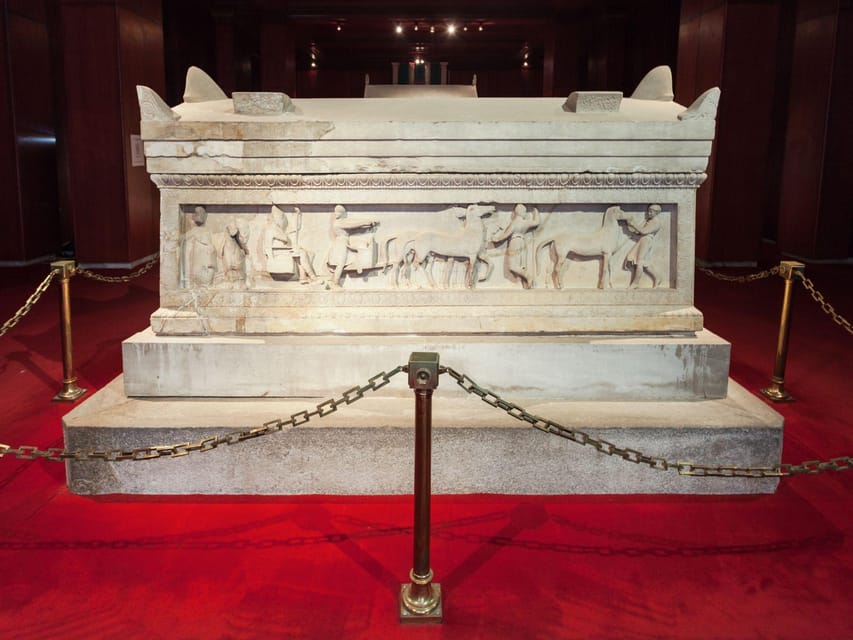
Not all the magic here is ancient Greco-Roman and Near Eastern. There’s also an Ottoman-era stop you’ll want on your route.
The Enameled Kiosk Museum connects the story forward. It was established in 1472 by Fatih Sultan Mehmet, and it’s an important reminder that Istanbul’s museum world isn’t frozen in one century. The collections help you see how later rulers valued earlier cultures.
Even if you’re primarily interested in antiquity, this part is a good “reset button.” It changes the texture of what you’re seeing and gives you a wider frame for how heritage works in Istanbul.
Old Eastern Works: When Anatolia, Mesopotamia, Egypt, and Arabia Meet
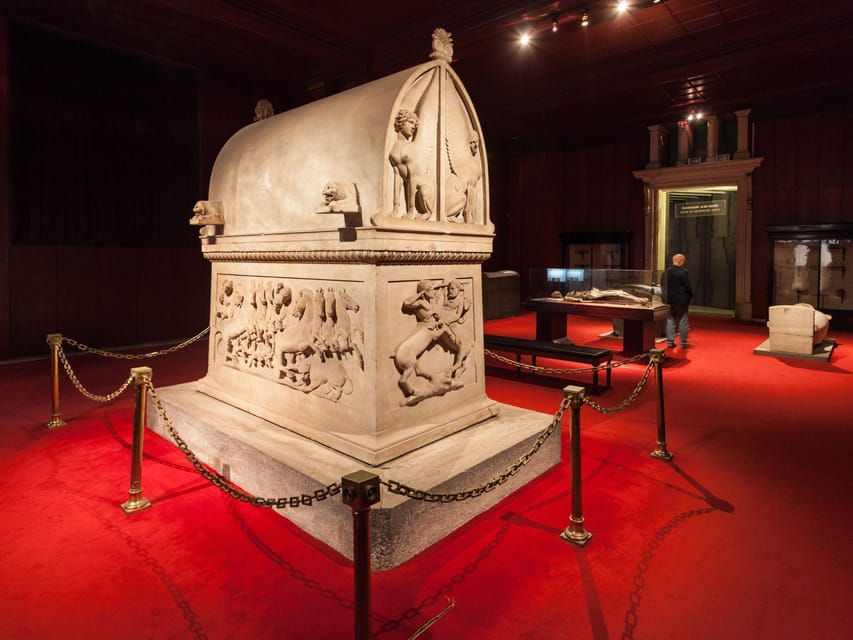
If you want the collections that feel like they belong to the region’s long crossroads story, pay attention to the Old Eastern Works Museum. It brings together artifacts from Anatolia, Mesopotamia, Egypt, and Arabia.
This is valuable because it helps you compare different artistic and cultural approaches under one roof. Instead of treating each civilization as a separate chapter, you start to see overlap in technique, symbolism, and everyday life.
In a museum day, this is also a pacing win. It’s a different type of exhibit than monumental sculpture. If you’ve already spent time with larger-than-life statues, the Old Eastern collections can bring your attention back to smaller details and object design.
Renovation Reality and Practical Comfort: Toilets, Signage, and Time Loss
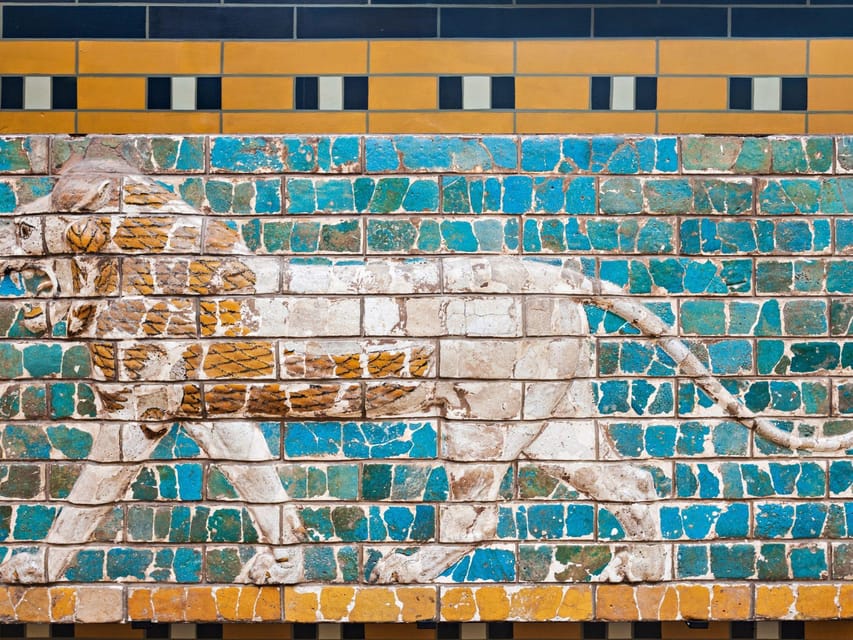
A museum day should include not just what you see, but what can slow you down.
One issue to keep in mind is that parts of the museum’s exterior can be under renovation, which may reduce access around certain areas. That doesn’t mean your visit is ruined, but it can affect how you enter or how you move between buildings.
Then there’s the comfort part: toilets may not be well signposted. That’s the kind of thing that turns a 20-minute pause into a frustrating detour if you wait until you really need one.
My advice is simple: use facilities earlier in your visit. Once you’ve walked the first major rooms, do a quick loop to locate restrooms. It keeps the rest of your day calm.
Ticket Scanning Issues: How to Avoid a Day-Stopping Moment
The entry system is QR-based, which should make everything faster. Still, you should treat the ticket as “important tech,” not casual paperwork.
There can be problems if the QR doesn’t scan properly at the entrance. If that happens, you may need help from staff or the ticket provider process. To reduce stress:
- Keep your QR codes ready on your phone only when you’re at the entrance area.
- Use a charged phone and stable internet.
- Keep the email messages accessible so you can retrieve the codes quickly.
This is one reason why I’d avoid arriving at the very last second before a closure window. Even though the experience is designed for convenience, you want buffer time in case the tech needs a reset.
Price and Value: Is $25 Fair for a One-Day Museum Ticket?
At $25 per person, this ticket sits in the “reasonable, not cheap” category for a museum day. The value depends on what you want most.
You get:
- Skip-the-line entry for the Archaeological Museums
- A 25-language audio guide you can use for your self-guided route
If you’re the type who reads labels slowly, pauses for details, and likes context, the audio guide alone can make the $25 feel fair because it adds meaning without paying for a live guide. You’re also getting a one-day format, which is the right length for these collections if you don’t rush.
If you’re a lightning-fast museum walker who only needs the highlights and barely uses audio, the value drops. In that case, you might find yourself paying for a tool you don’t fully use.
Who This Works Best For
This ticket is a strong fit if you:
- Want the freedom of a self-paced visit
- Prefer audio explanations in your language
- Enjoy tomb sculpture, sarcophagi, and big-name artifacts like Alexander Sarcophagus
- Like museums where one route can turn into two as you discover what grabs your attention
It’s less ideal if you:
- Want a fully guided experience with people steering you through the collections
- Get annoyed by tech hiccups (QR scanning and phone internet requirements can be a factor)
- Need very clear signage everywhere, all the time
Should You Book This Ticket?
Book it if you want a smooth museum entry plan and you’ll actually use the audio guide. The pairing of skip-the-line QR access with 25-language narration is exactly what turns a museum visit from random sightseeing into a more connected experience.
Don’t book it if you prefer a live guide, or if you know you rarely use audio tools. For you, the museum could feel like it’s doing some work for your attention that you’d rather outsource.
If you do book, come prepared: charge your phone, expect security lines, and give yourself time for tombs and sculpture—those are the moments that justify the ticket cost.
FAQ
What’s included with the Istanbul Archaeological Museums ticket?
You get an entry ticket with a QR code (skip-the-line entry for the Archaeological Museums) and an audio guide available in 25 languages.
Is this a guided tour?
No. This is not a guided tour. You’re getting the entrance ticket and an audio guide link, then visiting on your own.
Can I skip the security lines?
No. It is not possible to skip the security lines, and mandatory security checks happen for all visitors.
Do I need internet on my phone?
Yes. You need an internet connection on your smartphone to get the QR tickets.
What do I need to show at the museum entrance?
All persons and children may be asked to present their valid passports to validate age.
What languages are available on the audio guide?
The audio guide is available in 25 languages, including Arabic, Bulgarian, Chinese, Croatian, Dutch, English, French, German, Greek, Hindi, Hungarian, Indonesian, Italian, Japanese, Korean, Persian, Polish, Portuguese, Romanian, Russian, Spanish, Swedish, Turkish, Ukrainian, and Urdu.
How do I reach the museum area using public transport?
Take the T1 Bağcılar–Kabataş tram and get off at Gülhane station, then walk about 5–10 minutes to the museums.
Is free cancellation available?
Yes. You can cancel up to 24 hours in advance for a full refund.