REVIEW · MADRID
Madrid: Skip-the-Line Prado Museum Guided Tour
Book on GetYourGuide →Operated by Julia Travel Gray Line Spain · Bookable on GetYourGuide
Prado overload is real. This guided, skip-the-line Prado tour cuts through the crowds fast and leads you to major masterpieces like Velázquez and Goya. You get a tight route in just 1.5 hours, plus the option to keep exploring afterward.
I love the way the guide turns paintings into clear stories instead of facts-for-facts’ sake. And based on the guide quality people rave about (names like Jorge, Nacho, Monroe, Claudia/Clara, Leon, and Sophie/Sofia show up in the mix), you’re likely to get that rare combo: good pacing and real enthusiasm.
The main drawback is simple: the Prado is huge, and this is a 1.5-hour highlight sprint. If you want to stare for a long time at crowd magnets like Bosch’s Garden of Earthly Delights, you might feel a little pressure to move on.
In This Review
- Key takeaways before you go
- Why the Prado in 90 minutes works (and when it doesn’t)
- Getting in fast: meeting point and skip-the-line reality
- The highlight route: Velázquez, Goya, El Greco, Bosch, Rubens
- What the guide typically does in those 90 minutes
- What you’ll miss (and how to handle it)
- The Prado building story: it changes how you look
- The no-photo rule: how to enjoy without filming
- Timing, pacing, and group flow: what 90 minutes feels like
- What you can do after the tour: stay inside and build your own plan
- Price and value: is $41 worth it?
- Time saved
- Interpretation gained
- Who should book this tour (and who might skip it)
- Should you book the Prado skip-the-line guided tour?
- FAQ
- Where is the meeting point for the Prado guided tour?
- How long is the tour?
- Is photography allowed inside the exhibitions?
- Which languages are offered for the live guide?
- Is the tour wheelchair accessible?
- What is the cancellation policy?
Key takeaways before you go
- Skip-the-line starts right at the Prado: you meet at the Madrid City Tour Information Center next to the museum and check in about 15 minutes early.
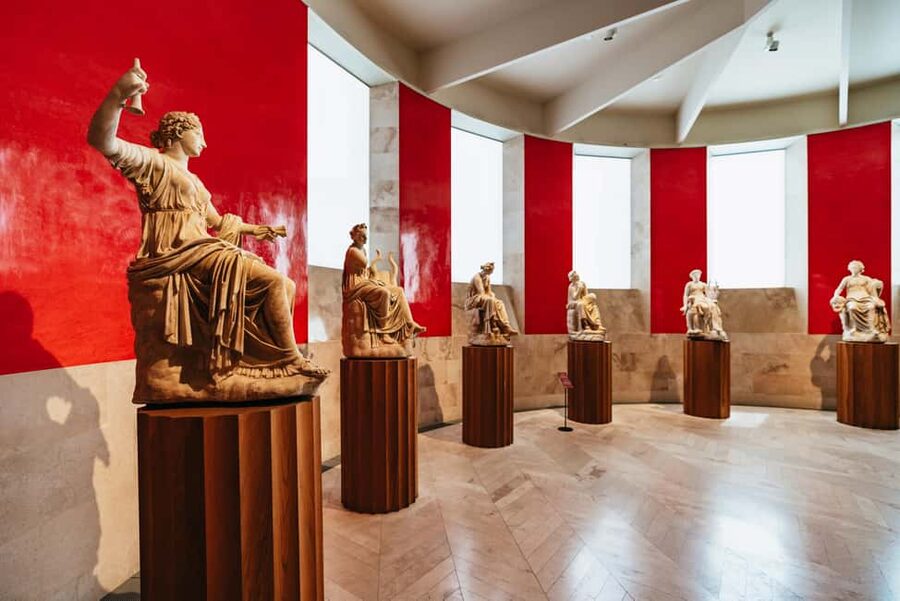
- You’ll see the headline masters: the route is built around big names such as Velázquez, Goya, El Greco, plus works connected to Bosch and Rubens.
- Guides focus on the backstories: you get the why behind the art and even the purpose of the original building and why it became a world-class gallery.
- It’s art-focused, not photo-friendly: cameras and video recording aren’t allowed inside exhibition rooms.
- You can stay after the tour: once you finish, you can keep wandering at your own pace until closing time (one review specifically notes until 8pm).
Why the Prado in 90 minutes works (and when it doesn’t)
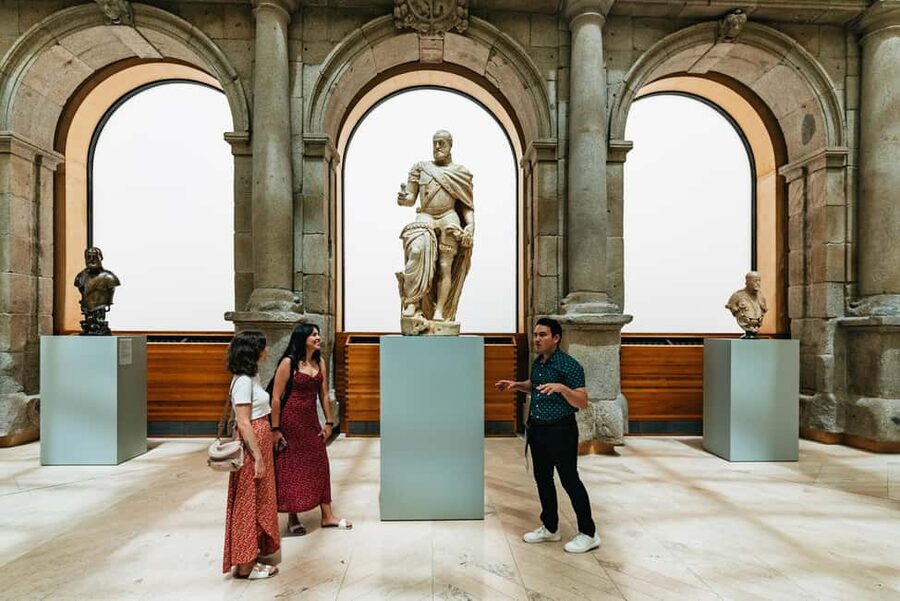
The Prado Museum can feel like a museum inside a museum. You walk in thinking you’ll just enjoy the art, and then—hours later—you’re still circling rooms like a very cultured hamster. This tour helps by doing one smart thing: it picks a handful of major works and builds a short path through them.
That’s the real value. In about 1.5 hours, you get the big picture: which painters matter, what the styles mean, and how politics and royalty connect to the museum’s collection. It’s perfect if you’re on a time crunch or if Prado nerves kick in when you see the sheer size of the place.
It can be less ideal if you’re the type who likes to linger. In one report, people couldn’t get close to the tiny details around Bosch’s Garden of Earthly Delights because the crowd was so thick. If that painting is your main obsession, you might want to plan extra time after the tour to return on your own.
You can also read our reviews of more guided tours in Madrid

Getting in fast: meeting point and skip-the-line reality
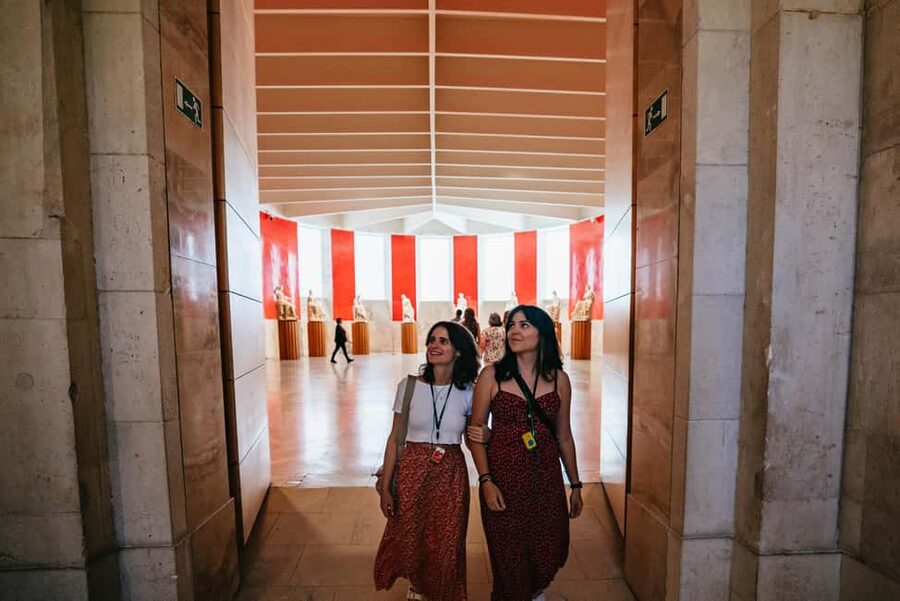
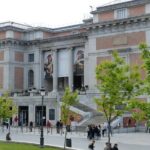
The meeting point matters here. You’ll meet at the Madrid City Tour Information Center next to the Prado Museum, and you should check in 15 minutes early. If you show up late, you risk losing the tour—so give yourself a cushion. The Prado area can be busy, and it’s easy to second-guess directions when you’re standing outside a historic building that looks like it’s been standing there forever.
Now, the skip-the-line part. The whole point is priority entry so you don’t burn your best energy time stuck in queues. Still, don’t assume it’s magic. Even with skip-the-line tickets, security protocols and crowds can slow things down. It’s not the tour’s fault; it’s how big museums work when everyone in Madrid shows up at once.
One practical tip from how people describe the flow: if you’re waiting for the group, stay alert for guide instructions and museum entry movements. A small amount of confusion about where to meet caused one group to run late, and the company had to connect them to the guide to make it work. You can avoid that stress by arriving early and confirming you’re at the correct desk and meeting spot.
The highlight route: Velázquez, Goya, El Greco, Bosch, Rubens
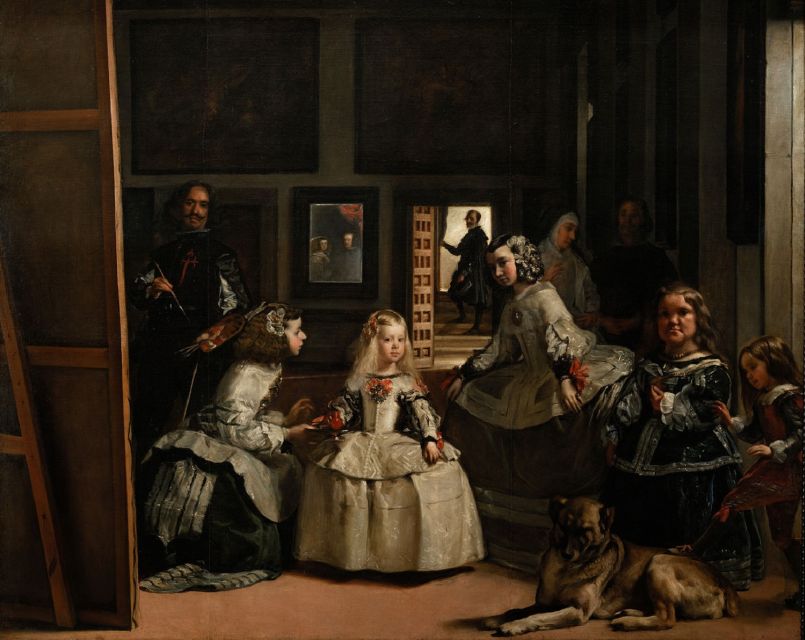
This isn’t a random walk. The guide’s job is to choose the works that help you understand the museum quickly, especially for first-timers. The tour is designed around some of the Prado’s most famous names: Velázquez, Goya, El Greco, and more—plus works connected to Bosch and Rubens.
Because you only have 1.5 hours, the tour shifts away from trying to cover everything. Instead, you’ll visit the most important paintings throughout the museum and get context that helps you “read” what you’re seeing. People repeatedly praise guides for doing exactly that: explaining how artists worked and why the choices mattered.
What the guide typically does in those 90 minutes
You can think of it in phases:
1) A quick grounding before the art starts.
You’ll get oriented right around the building’s entry and then move into key galleries. One review even described waiting outside in the security screen line before the tour properly got underway, so don’t be surprised if your group is assembled before you’re fully inside.
2) The major masters, with story-based explanations.
For example, the tour can start with a heavy-hitter like Bosch’s Garden of Earthly Delights. If you hit that early, expect crowds. People noted tons of tiny detail—but also that it’s hard to see details when you’re not close enough. The guide can help by pointing out what to focus on so you don’t feel like you’re staring at a colorful wall.
3) Spanish Golden Age and its power connections.
You’ll get explanations that connect art to the era, including monarchy and politics. That matters more than you’d think. Without context, paintings can seem “pretty” but not meaningful. With context, the museum turns into a timeline.
4) Shifts across centuries.
The Prado has a huge range, and this tour is built for “big picture” learning. The current exhibition is described as featuring more than 1,000 paintings across four different centuries. With that much material, a guide’s role is to show you the best landmarks so you don’t spend your short visit wandering aimlessly.
What you’ll miss (and how to handle it)
Because you’re not trying to see everything, you will skip many rooms and many masterpieces. That’s not a problem; it’s the point. The best way to use the tour is to treat it like a smart introduction. After it ends, you should have a shortlist in your head—artists you now recognize, themes that made sense, and paintings you want to see again at your own pace.
Also, don’t count on every painting mentioned in the description being available for viewing at the exact moment you go. Some works might be off-view even if they belong to the museum’s permanent collection.
You can also read our reviews of more museum experiences in Madrid
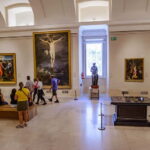




The Prado building story: it changes how you look
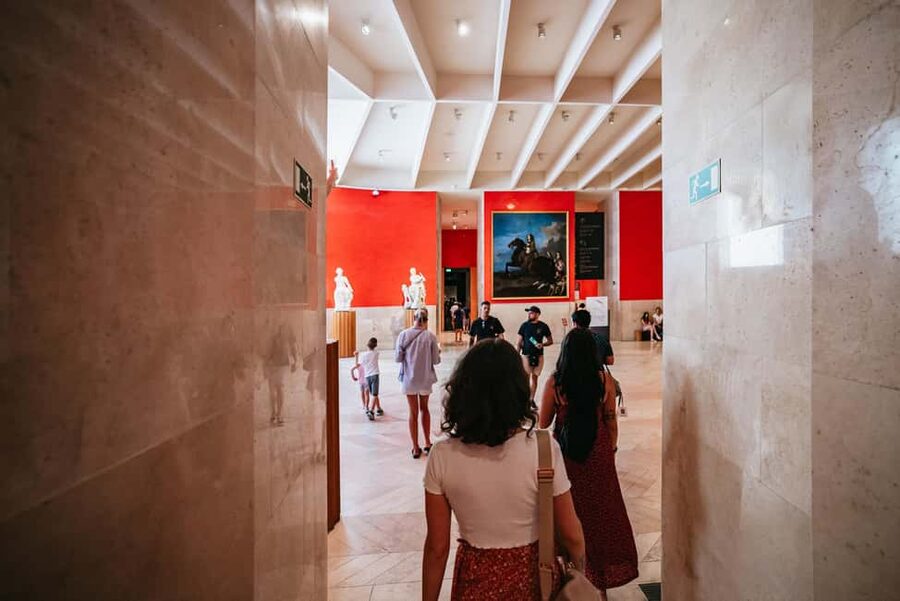
One of the most underrated parts of this kind of tour is what happens before you even focus on brushstrokes. This experience includes time on the aim of the original building and why it changed to hold one of the world’s most important art galleries in the world.
Why that matters: the Prado doesn’t just display paintings. It’s part of how power, collecting, and cultural identity evolved over time. When you understand that the royal collection shaped the museum’s foundation, it helps you see the museum as more than a white-box art storage space.
If you like museums that feel like history lessons you can walk through, you’ll probably enjoy this component. And if you usually skip “building history,” this is worth paying attention to—because it explains why the museum feels the way it does and why the collection is organized the way it is.
The no-photo rule: how to enjoy without filming
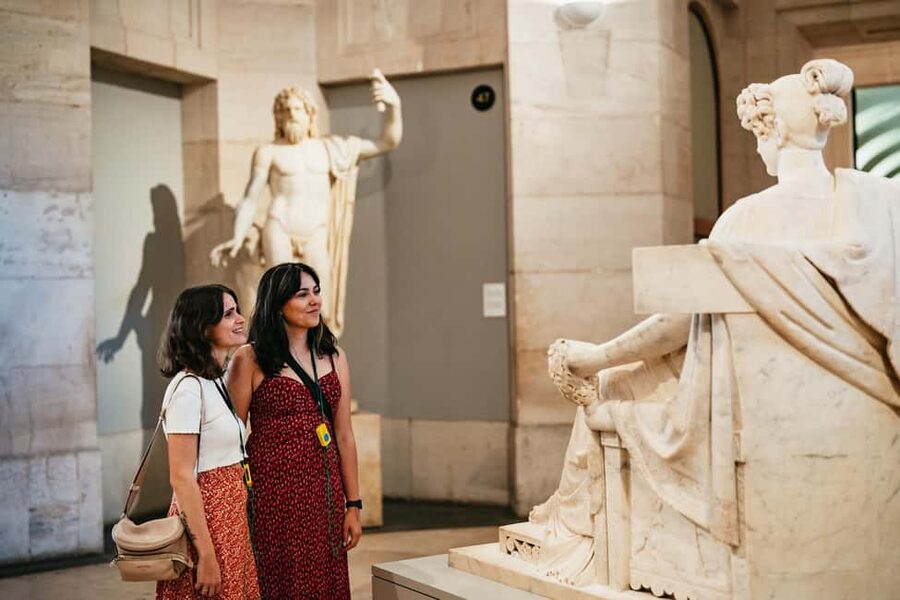
Cameras and video recording are not permitted inside the exhibitions. That changes the way you experience the art, so plan accordingly.
This can be a little annoying if you like to document everything. But it also forces a better habit: you spend more time looking and less time screen-framing. If you’re traveling with a phone-heavy crowd, agree ahead of time that photos won’t be part of this portion.
My practical suggestion: bring comfortable shoes and be ready to move quickly between key rooms. If you’re the kind of person who wants to remember details, jot quick notes right after you see a painting—artist name, what stood out, what the guide said you should watch for. That’s often more useful than trying to take a picture you can’t capture clearly anyway.
Timing, pacing, and group flow: what 90 minutes feels like
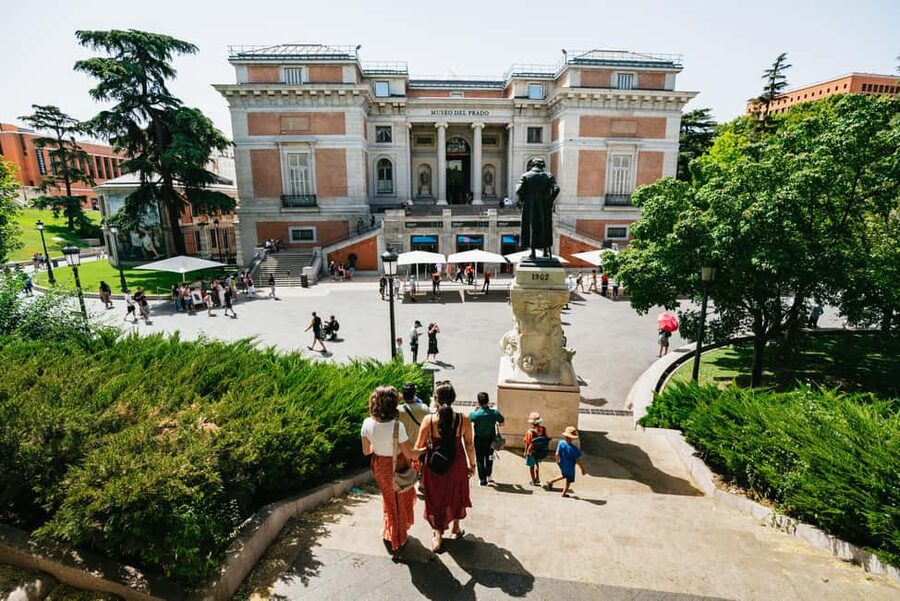
You’re in the museum for about 1.5 hours. That’s short enough to keep energy high and long enough to get real context if your guide is good.
And people do consistently praise the guide experience. You’ll see themes like:
- clear explanations in excellent English (and sometimes Spanish too)
- guides answering questions
- guides keeping the group moving without making it feel like a factory line
There are a couple of small “real life” factors to keep in mind. One review mentioned an audio/intercom issue where the microphone position made it hard to hear for stretches. You can’t control that, but you can do one thing: stay close enough to hear well, and don’t wander off during explanations.
Also, if you choose a bilingual format, the tradeoff can be less depth per person. One review specifically noted that a bilingual tour meant less information and facts. If you want maximum detail, choose the language option that matches your strongest comfort level.
What you can do after the tour: stay inside and build your own plan
A big perk: once your guided tour finishes, you can stay inside the Prado as long as you wish. In other words, you’re not thrown out after 90 minutes. You get to use the tour like a map and then roam with purpose.
If you want to get maximum value, do this:
- Decide your “return list” during the tour (1–3 artists or paintings you want to see again).
- After the tour, go back to those works first before the crowds tighten.
- Then explore new rooms based on what you now recognize, not what you’re guessing.
One review even described the ability to keep exploring until the museum closed at 8pm. That sort of long runway is exactly why this format works well: the guided part gives you direction, and your time afterward becomes the relaxing part.
Price and value: is $41 worth it?

At $41 per person for a guided, skip-the-line Prado experience, the value is mainly in two things: time saved and interpretation gained.
Time saved
The Prado’s biggest problem for many people is not finding the museum—it’s navigating it without losing your whole day. Skip-the-line priority entrance helps you start sooner and spend more minutes with art instead of waiting.
Interpretation gained
You’re paying for a professional local guide, and that matters at the Prado because the art spans centuries and styles. A guide helps you connect painters, themes, and historical context quickly—so you don’t just see famous works, you understand why they’re famous.
Is $41 a bargain? It’s fairly priced for what you get: skip-the-line entry plus guided highlights, all in about 90 minutes. If you’re going anyway, this is a strong way to prevent Prado visit regret—the kind where you later remember you spent most of your time buffering in queues and not actually learning the art.
Who should book this tour (and who might skip it)

This tour is a great fit if:
- you want the Prado highlights fast
- you like art history explained in plain language
- you’re visiting for the first time and feel overwhelmed by scope
- you enjoy asking questions and hearing the “why” behind a painting
It might be less ideal if:
- you’re planning a slow, immersion-style museum day where you want to sit and stare without time pressure
- you’re traveling during peak crowds and one specific masterpiece is your only priority
- you want to photograph freely inside galleries (you can’t)
Should you book the Prado skip-the-line guided tour?
If you’re trying to make the Prado work in limited time, I’d book it. The biggest reason is practical: skip-the-line entry plus a guide-built route is the easiest way to get the big picture without spending your whole trip in line-hunting or guessing your way through rooms.
One last smart move: treat the tour as your Prado starter kit. Let it teach you names, themes, and context. Then use your free time after the tour to return to the paintings that grabbed you most—especially if you want better detail viewing than the crowd allows on a first pass.
FAQ
Where is the meeting point for the Prado guided tour?
You meet at the Madrid City Tour Information Center next to the Prado Museum. Meeting point details may vary depending on the option booked, but this is the stated location to look for.
How long is the tour?
The duration is 1.5 hours.
Is photography allowed inside the exhibitions?
No. Cameras and video recording are not permitted inside the exhibitions.
Which languages are offered for the live guide?
The live tour guide is available in English and Spanish.
Is the tour wheelchair accessible?
Yes, the tour is wheelchair accessible.
What is the cancellation policy?
Free cancellation is available up to 24 hours in advance for a full refund.