REVIEW · TEATRO ALLA SCALA
Milan: Skip-the-Line La Scala Theatre Museum Guided Tour
Book on GetYourGuide →Operated by VEDITALIA · Bookable on GetYourGuide
Opera steps aside for history you can touch. This La Scala Theatre Museum tour is a fast, focused way to get past the crowds and hear how Milan’s opera machine worked, with guaranteed access plus personal audio headsets. The big payoff is seeing real parts of the opera world, not just reading about it in a book. One thing to keep in mind: the theatre viewing (like time in a box) can be brief or limited around rehearsals and special events.
What I like most is the way the museum context turns famous names into something human. You’ll learn why Bellini, Rossini, and Verdi matter here, and you’ll also get composer-and-singer artwork, busts, and the kind of musical artifacts that make the building feel alive. A second highlight is the storytelling. Guides often bring the past into the room with anecdotes about performers and what it was like to work at La Scala, with English narration that’s designed for easy listening.
The main drawback is timing. Even when you get the theatre access, you might only see it for a few minutes, and the box view can feel crowded depending on the moment. And yes, occasionally audio or microphone quality can be less than perfect, so it’s worth going in with realistic expectations for a 1-hour tour.
In This Review
- Key points to know before you go
- Why this La Scala Museum tour is a smart 1-hour use of time
- Meeting up at La Scala: how to start without wasting time
- La Scala Museum: artifacts, instruments, and the composer wall you’ll actually remember
- Theatre access: seeing the inside from a box (and why timing matters)
- The guide factor: English storytelling that makes opera history feel usable
- Bellini, Rossini, Verdi: how the big names connect to the building
- Optional OpenBus 2-day ticket: a practical add-on after your museum visit
- Price and value: what $40 buys you, realistically
- Who should book this tour (and who might want a different plan)
- Should you book La Scala skip-the-line museum tour?
- FAQ
- How long is the La Scala Theatre Museum guided tour?
- Where do I meet the group?
- Is the tour in English?
- Do I need to wait in a ticket line?
- Are audio headsets provided?
- What is included with the OpenBus option?
- Where do I use the OpenBus voucher?
- What items are not allowed during the visit?
- Can I cancel for free?
Key points to know before you go
- Skip-the-line entry: you get guaranteed access so you’re not burning your time outside.
- Museum first, theatre second: plan for more museum time than stage time in a 1-hour format.
- Personal audio headsets: designed to keep the guide’s narration clear.
- Box viewing may vary: the theatre interior is sometimes limited by rehearsals or special occasions.
- Guides can be truly story-driven: you may hear character-rich details from guides such as Martina, Suzanna, or Serena (names that show up in real departures).
- Optional OpenBus 2-day ticket: it’s a simple add-on if you want panoramic Milan after La Scala.
Why this La Scala Museum tour is a smart 1-hour use of time
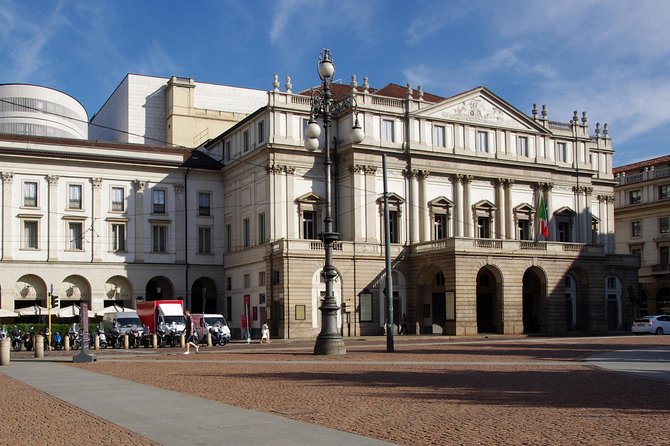
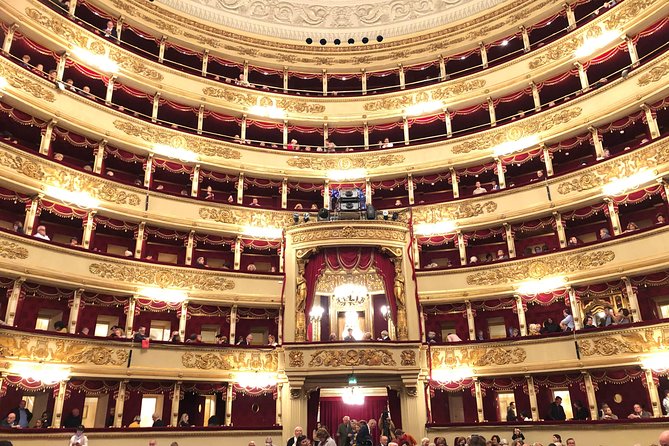
La Scala is one of those places where your eyes keep looking up. Even before you get to the big-name stories, the building tells you you’re somewhere serious about music. This tour respects that. It’s not trying to turn opera into a school lecture. It’s built to get you inside the museum collections, then funnel you toward the most memorable theatre look you can get in the time allowed.
At $40 for a 1-hour visit, the value depends on what you want. If your goal is a quick hit of La Scala’s meaning—music history, iconic composers, real theatre rooms—this format can work nicely. If you want long theatre time, a slow stroll, and deep study of every gallery, you’ll probably wish you had more hours (or another option). The tour is designed to be efficient.
You can also read our reviews of more tours and experiences in Teatro Alla Scala.
Meeting up at La Scala: how to start without wasting time
You’ll meet in front of the La Scala Museum entrance. That’s helpful because you’re not hunting for a far-off pickup point or trying to figure out where the group is gathering once you arrive. Since this is a skip-the-line tour, arriving on time matters even more than usual.
One practical tip: treat this as a “start-straight” experience. The tour includes guided entry and headsets, so you’ll do best if your first job is just getting organized—phone charged, water taken care of outside, and anything not allowed left at your accommodation. (More on restrictions below.)
La Scala Museum: artifacts, instruments, and the composer wall you’ll actually remember
The museum part is where you’ll get the heavy lifting of context. This is not just a room of glass cases. The galleries are organized around musical importance, and your guide’s job is to connect objects to the people who used them.
Here’s what you can expect you’ll spend most of your time on:
- A collection of objects and instruments tied to La Scala’s musical life
- A gallery of busts and paintings portraying key composers and singers
- Composer names you’ll recognize—especially Giuseppe Verdi—along with other major figures like Arturo Toscanini
What’s the value of all that? In plain terms, it helps your brain build a map. When you later look at a theatre space, you can connect it to the music that shaped it. Without that kind of guided framing, La Scala can feel like a gorgeous building you admire briefly. With it, you get reasons to pay attention.
You’ll also hear anecdotes that turn famous performances into specific human moments. The difference is subtle but real. Instead of thinking, Verdi wrote an opera, you start thinking about how a place like La Scala shaped what those composers could do—and how performers learned to work inside its culture.
Theatre access: seeing the inside from a box (and why timing matters)
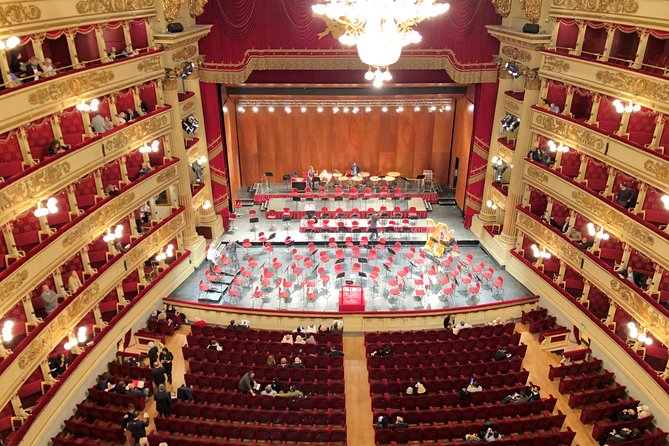
The theatre portion is often the emotional peak of the tour. You get a unique chance to view the inside of the opera house from one of the boxes, unless the venue closes those areas for rehearsals or special events.
This is where you should keep expectations practical:
- The theatre moment may be short. Some departures have included only about 5–10 minutes of theatre viewing, often just long enough to photograph and absorb the space.
- It can feel crowded in the box view, especially if you’re in a group that squeezes into a limited space.
- What you can see can depend on what’s happening that day.
Still, even brief theatre access can be huge. Seeing the room where opera truly happens does something a museum display can’t. It gives scale. It gives realism. And it makes the rest of the museum artifacts feel less like relics and more like tools used in a living performance tradition.
The guide factor: English storytelling that makes opera history feel usable
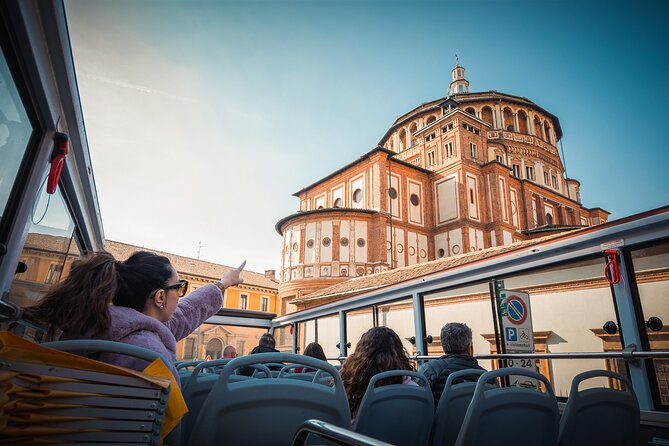
A guided visit succeeds or fails on the guide. Here, the tour provides a legally licensed English-speaking tour guide and uses personal audio headsets so you’re not stuck competing with street noise.
In the departures that get praised, guides are known for:
- clear, easy-to-follow narration
- humor and warmth (yes, that matters when you’re learning something dense)
- the ability to point your attention in the right direction—so you don’t just drift through galleries
You might hear names like Martina, Suzanna, or Serena tied to standout narration. Even if your guide is someone else, the format usually aims for the same outcome: you should leave feeling like you understood more than just dates and titles.
One caution from real-world experiences: if a microphone system picks up static on a particular day, it can make the narration harder to follow. It’s not something you can plan for, but you can reduce the risk by keeping your headset properly seated and asking the guide right away if the audio isn’t clear.
Bellini, Rossini, Verdi: how the big names connect to the building
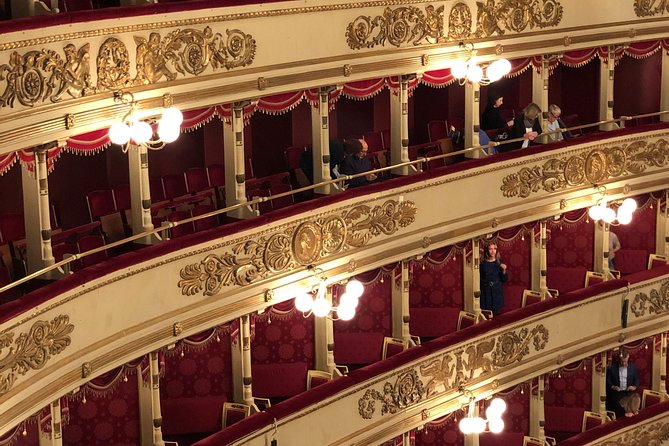
The tour explicitly points you toward major composers associated with La Scala—Bellini, Rossini, and Verdi—and the idea that important works were created here and performed here. You’ll also see visuals that reinforce composer prominence, including portraits and busts.
Why this matters for you: if you’re even slightly opera-curious, it helps you shift from name recognition to understanding. You start linking the music to a real location and a real tradition of performance. That connection turns a “been there” stop into something more personal.
If you’re a Verdi fan, you’ll likely feel extra satisfaction from the museum sections that highlight him and the iconic imagery around him. If you’re more of a Puccini or general classical-music listener, you’ll still benefit from the way La Scala’s identity is explained through these cornerstone figures.
Optional OpenBus 2-day ticket: a practical add-on after your museum visit
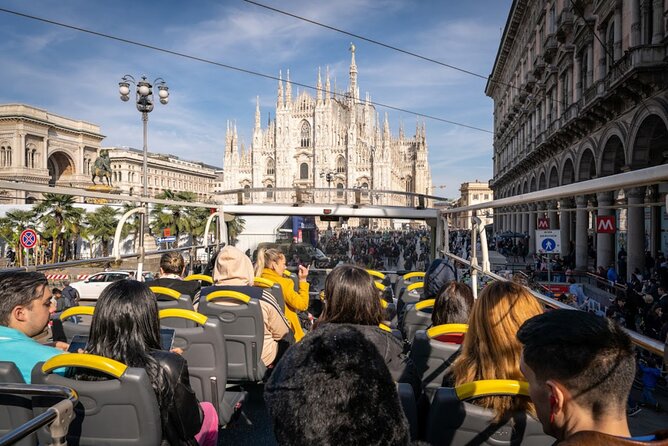
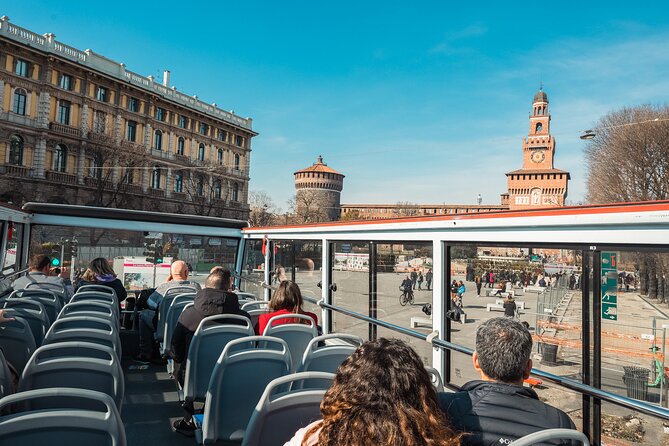
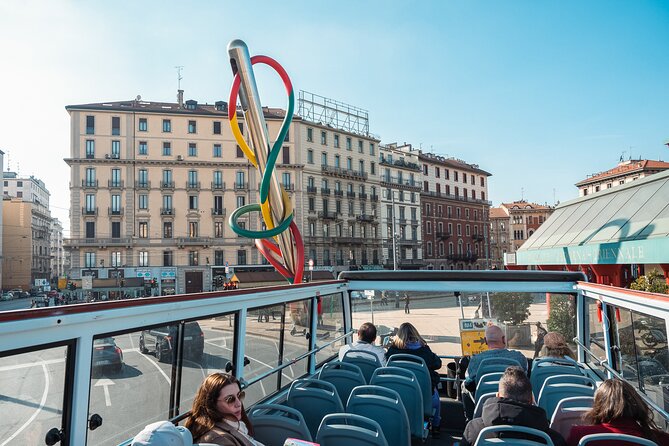
If you select the OpenBus 2-day ticket, you’re adding a simple way to keep Milan moving after the tour. The ticket is meant for panoramic bus sightseeing, and it’s a good match if you’re planning to cover more ground without building a complicated transport plan.
How to use it (important details):
- You’ll show your voucher at the bus stop in Piazza Duomo, in front of the taxi stand.
- Look for the MILAN OPEN TOUR bus.
This add-on works best if you’re the type of traveler who likes to get orientation fast. You’ll get a broader sense of where everything sits relative to La Scala and the city center, which can make your later walks feel more intentional.
Price and value: what $40 buys you, realistically
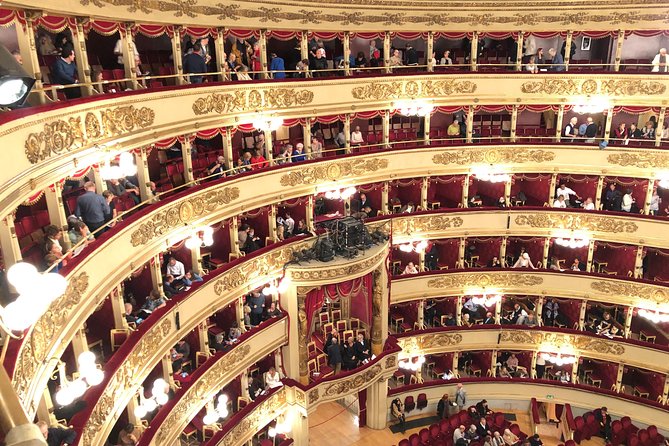
Let’s talk money. At $40 per person for a 1-hour guided experience, you’re paying for three things:
- skip-the-line and guaranteed access
- a licensed English guide plus audio headsets
- museum coverage with a chance to see the theatre interior from a box when permitted
So is it a bargain? It’s fair if you want the guided narrative and the convenience. It may feel pricey if what you want most is extended theatre time. The tour is time-efficient, not time-expansive.
Here’s the value sweet spot:
- You want a guided introduction to La Scala that makes the place intelligible.
- You’re okay with theatre viewing being short, as long as you get a real look inside.
- You’d rather pay for easy access than spend extra time figuring out entry.
Who should book this tour (and who might want a different plan)
This tour fits best if you’re:
- short on time and still want meaningful La Scala context
- curious about composer history and the objects tied to opera life
- traveling with people who like stories more than long self-guided wandering
You might want to reconsider if:
- your priority is long, uninterrupted time in the theatre itself
- you need a very calm, uncrowded viewing environment
- you prefer deep-dive museum study with lots of browsing time (this one is guided and paced)
Should you book La Scala skip-the-line museum tour?
If you want the best mix of convenience and understanding, I’d say yes. The skip-the-line part matters in Milan, and the headsets plus licensed guide turn the museum from a series of displays into a guided narrative you can follow. The optional OpenBus ticket is a smart bonus if you want to keep sightseeing simple afterward.
Just go in with one honest expectation: the theatre view is the highlight, but it can be brief and it can be affected by rehearsals or special events. If you’re okay with that trade-off, you’ll likely feel you got real value out of your hour.
FAQ
How long is the La Scala Theatre Museum guided tour?
The tour lasts 1 hour.
Where do I meet the group?
Meet in front of the La Scala Museum entrance.
Is the tour in English?
Yes, the tour includes a legally licensed English-speaking tour guide.
Do I need to wait in a ticket line?
No. This tour offers skip-the-line and guaranteed access to La Scala.
Are audio headsets provided?
Yes. Personal audio headsets are included.
What is included with the OpenBus option?
The OpenBus 2-day ticket is included if you select the option.
Where do I use the OpenBus voucher?
You show your voucher at the bus stop in Piazza Duomo, in front of the taxi stand, and look for the MILAN OPEN TOUR bus.
What items are not allowed during the visit?
Food and drinks are not allowed, and you also can’t bring weapons or sharp objects. The tour information also notes restrictions against taking food, liquids, knives, ceramic mugs, and items that could be used as a blunt weapon.
Can I cancel for free?
Yes. You can cancel up to 24 hours in advance for a full refund.