REVIEW · MYSTIC SEAPORT MUSEUM
Mystic: Seaport Museum All-Day Admission Entry Ticket
Book on GetYourGuide →Operated by Mystic Seaport Museum · Bookable on GetYourGuide
A wooden whaleship and a living shipyard in one place? That’s the appeal of Mystic Seaport. I like that you’re not just looking at artifacts—you can see traditional shipbuilding skills at work, then walk through a 19th-century seaport world that feels built for slow wandering.
I particularly love the Charles W. Morgan experience and the way the working shipyard connects old techniques to what carpenters do today. One possible drawback: the museum campus is big and can feel a bit complex if you’re not especially into nautical history.
In This Review
- Key things I’d plan around
- Mystic Seaport Museum All-Day Admission: Quick Take
- Four things that make this ticket worth it
- A couple practical notes
- Price and What You Actually Get in a Full Day
- Parking and Finding the Welcome Center Without Stress
- The Charles W. Morgan: The Whaleship That Changes the Story
- The Working Shipyard: Traditional Craft You Can See in Motion
- Historic Village Streets and Waterfront Trades
- Indoor Exhibits and the Planetarium Option
- Food, Picnic Breaks, and Realistic Meal Planning
- Getting Around a Big Site: How to Avoid the Complex Feeling
- Wheelchair Notes and Accessibility Reality Check
- Winter Changes Everything: Village and Shipyard Closures
- Who Should Book This Ticket?
- Should You Book the Mystic Seaport All-Day Admission?
- FAQ
- What is included with the all-day admission ticket?
- How long do I need for this experience?
- Is there wheelchair access?
- Are the Historic Village and Shipyard open year-round?
- Can I bring food or where can I eat?
- Can I cancel and get a refund?
Key things I’d plan around
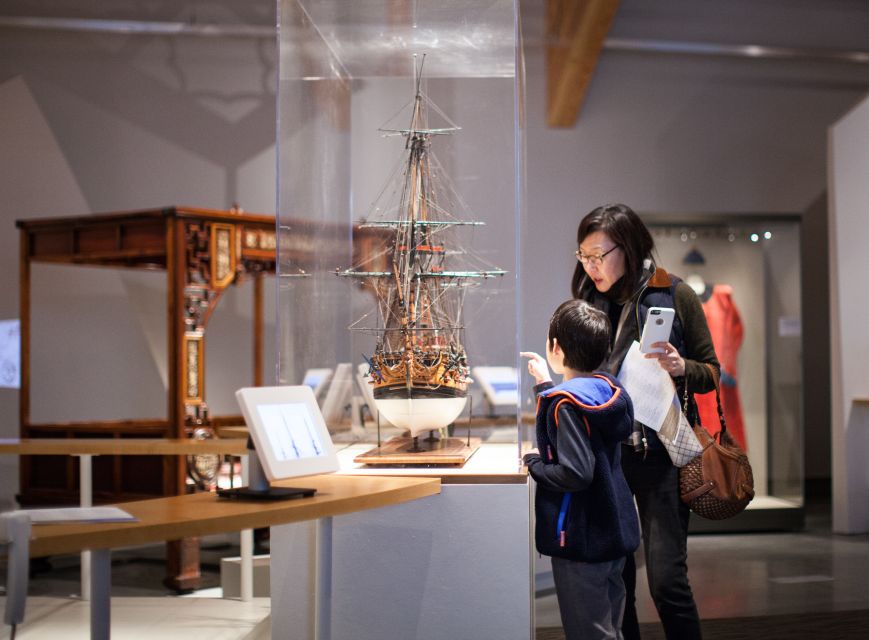
You’ll come for the Charles W. Morgan, but you’ll stay for the shipyard work and the village walk. The ticket is $35 and it’s designed for a full-day visit, not a quick drop-in. If you’re short on time or prefer simpler exhibits, you may want to focus your route so you don’t burn the whole day just figuring out what’s where.
Mystic Seaport Museum All-Day Admission: Quick Take

Four things that make this ticket worth it
- The Charles W. Morgan, the last remaining wooden whaleship in the world
- A working shipyard, where carpenters use traditional methods alongside modern tools
- Historic village streets and waterfront trades, built to show how people actually earned a living
- Indoor, state-of-the-art exhibits, including connections to the sea and larger themes
A couple practical notes
- Admission includes indoor exhibits and one vessel, so prioritize what you most want to see
- Winter changes the plan: the Historic Village and Shipyard are closed for the season
Price and What You Actually Get in a Full Day

At $35 per person for all-day admission, this is priced like a serious museum day—not a casual attraction. What helps the value is that your ticket isn’t just a gallery pass. You’re getting access to indoor exhibits and at least one major vessel experience, with the Charles W. Morgan as the big anchor most people aim for.
You’ll also be on a 19-acre museum campus, which matters more than it sounds. If you spend your time jumping between highlights without a plan, it can feel like a lot. If you slow down and let each area lead you to the next, it starts to feel like a whole day well spent. I’d call this ticket best when you treat it as a mini “maritime town” you’re walking through, not just a single destination.
And don’t forget the add-ons. The museum welcomes guests to tack on activities like sailing, cruises, and a daily planetarium show. Those are not included in the base admission, but they can turn a good day into a memorable one—especially the planetarium, since the theme includes celestial navigation.
Parking and Finding the Welcome Center Without Stress

Mystic Seaport is easiest when you arrive ready to park and walk. There’s free parking in the south parking lot. From there, you walk to the crosswalk and enter a brick courtyard. The Welcome Center sits straight ahead on the right.
That Welcome Center is your first power move. Grab the museum map and guide that come with admission. On a site this big, the map does more than point out attractions—it helps you decide what kind of day you want: ship-and-shipyard heavy, village-and-trades heavy, or a balanced blend.
If you like starting fast, go early. You’re less likely to get that I’ll-start-later feeling that can make a large site feel even larger.
The Charles W. Morgan: The Whaleship That Changes the Story

The Charles W. Morgan is the centerpiece for good reason: it’s the world’s last remaining wooden whaleship. You’re not looking at a model. You’re seeing a ship that carries real weight—literally and historically.
What I like most is the way the museum frames the story. It doesn’t just tell you that whales were hunted. It explains how America moved from a nation of whale hunters to a nation of watchers. That change in perspective is the heart of what you take away from the ship.
When you’re on board, don’t treat it like a quick walk-through. Even if you’re not a nautical person, you’ll get more by simply noticing how the ship is laid out and imagining how crews worked and lived around wooden structures. The shipyard and village areas afterward make a lot more sense once your brain has made that connection.
One more practical point: since admission includes access to indoor exhibits and one vessel, make sure you know which vessel experience matters most to you. For most people, that answer is the Charles W. Morgan—but it’s still worth confirming when you arrive so you don’t accidentally spend your best time in the wrong place.
The Working Shipyard: Traditional Craft You Can See in Motion
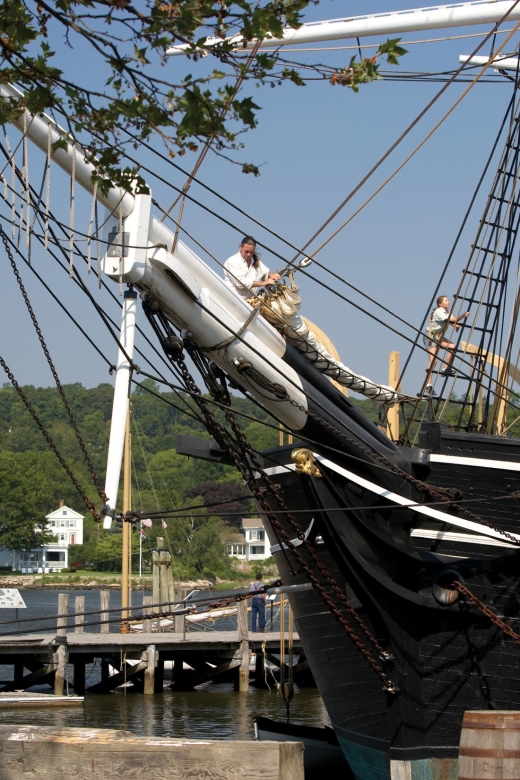
If the whaleship is the star, the shipyard is the lesson. The museum includes a working shipyard where carpenters preserve the craft of wooden shipbuilding. This is one of the most valuable parts of the day because it shows technique, not just result.
You’ll get to see how traditional shipbuilding skills continue—while also recognizing that modern methods support preservation. That combination is important. It tells you this isn’t a frozen-in-time hobby. It’s a living craft with real maintenance behind it.
The shipyard is also where friendly shipwrights and hands-on interpretation can make a difference. Even if you don’t speak fluent nautical, the explanations help you understand why certain details matter. You’ll see how time and weather force constant attention, and why restoring wood isn’t a one-and-done job.
A caution for expectation-setting: some ships and exhibits are not accessible by wheelchair. If mobility access matters for you, plan on portions of your day being limited—though the museum does offer limited free wheelchair loans with valid ID and provides a discounted ticket option for wheelchair users on arrival.
Historic Village Streets and Waterfront Trades
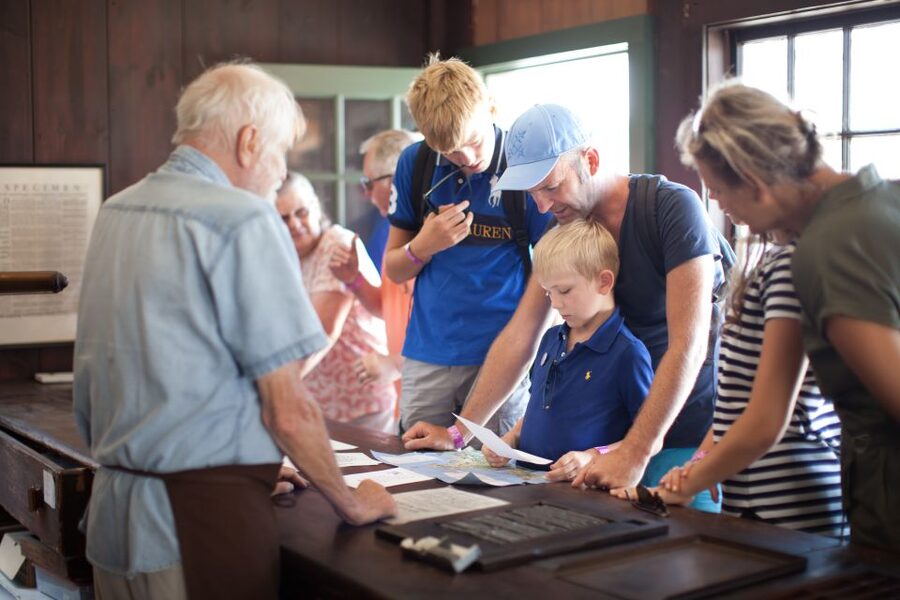
After the shipyard, the recreated village helps you “zoom out” from the craft to the people. You stroll through a historic recreated seaport village, plus heirloom gardens and waterfront trades. The museum uses original 19th-century storefronts and dwellings as the backdrop for how daily work might have looked.
What you’re really learning here is context: how a working port ran on skills, jobs, and supplies. If you’ve ever wondered what maritime life looked like beyond the ship itself, this is where you get grounded.
A smart approach is to pick a theme for your village walk. For example:
- follow the idea of where goods and services came from
- watch for trade-related details that connect back to the shipbuilding world
- slow down around storefronts that show how people would have lived and worked
One drawback to mention: this museum is not a one-track attraction. If you’re expecting a simple, streamlined route, the variety can feel like a lot. But that same variety is what makes the village walk so rewarding once you’re oriented.
Indoor Exhibits and the Planetarium Option
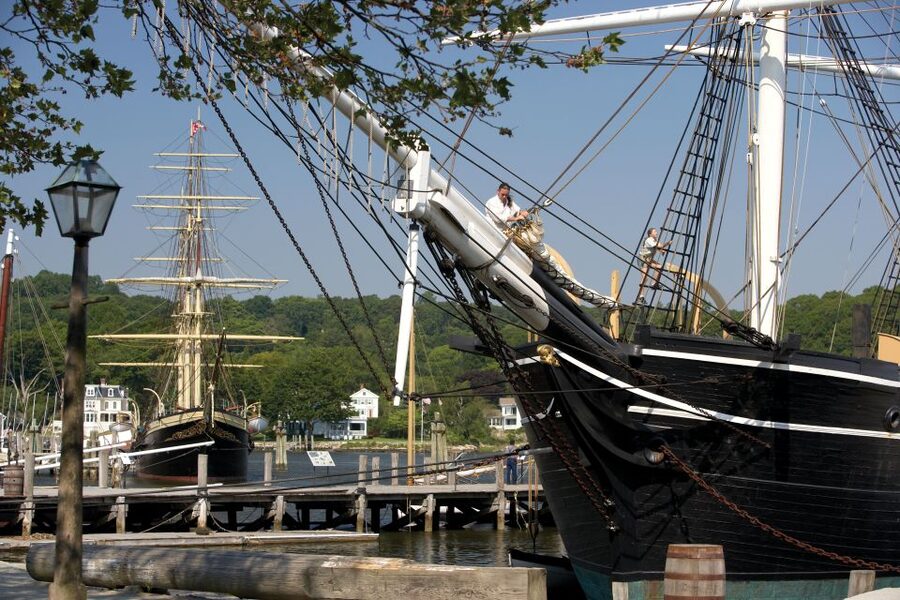
Between outdoor areas and the ship, you’ll spend time indoors too. Admission includes access to the indoor exhibits, which include state-of-the-art exhibitions exploring connections to the sea.
These spaces are where the museum does well at turning scenery into meaning. You can come back indoors to reset your brain if you’re starting to feel overwhelmed by the scale outside. Indoors also makes a difference when the weather gets tricky—though the big seasonal change happens in winter, when outdoor sections close.
On top of your ticket, the museum offers a daily planetarium that explores themes like celestial navigation. That’s a fun add-on because it connects the sea to a bigger set of questions: How people found their way, what they used to read the sky, and how navigation shaped life and work.
If you’re choosing only one extra, consider the planetarium. It’s a calm way to end the day after you’ve been walking, reading, and climbing around exhibits.
Food, Picnic Breaks, and Realistic Meal Planning

Food isn’t included in your ticket, so you’ll need to plan for it. The museum has three seasonally-operated eateries, which is convenient when they’re running. When they’re not, you’ll want a backup.
I like the idea of packing a picnic here because the campus is built for walking and lingering. You can take a break between the shipyard, village streets, and indoor exhibits without losing the flow of your day.
A practical tip: plan for snacks and water, especially in warmer months. The day can add up faster than you think once you’re moving between outdoor areas and then settling into indoor galleries.
Getting Around a Big Site: How to Avoid the Complex Feeling
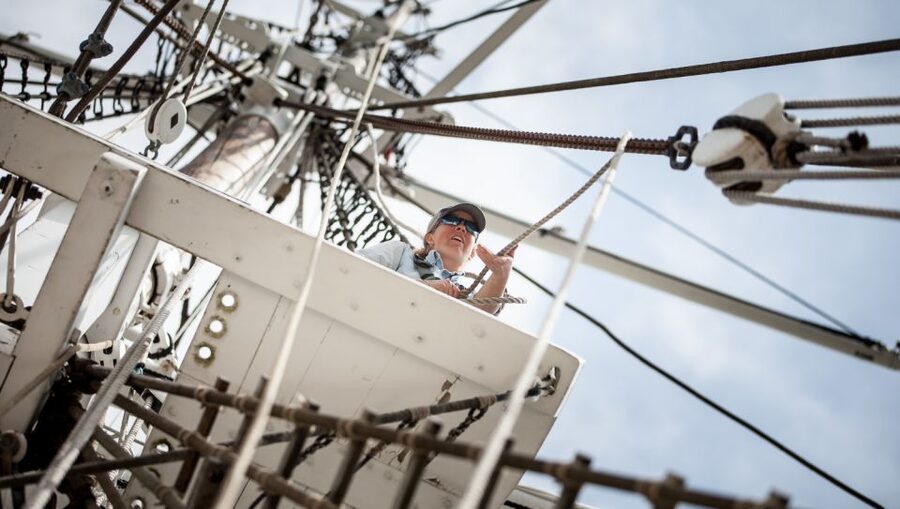
One criticism that pops up with museums like this is size. If you’re the type who gets lost when there are too many choices, Mystic Seaport can feel complicated. I don’t think it’s chaotic, but it does require decisions.
Here’s how I’d handle it:
- Use the map and guide immediately at the Welcome Center so you know what’s where
- Decide your top priority first: the Charles W. Morgan and/or the shipyard
- Give the village walk enough time to matter, but don’t try to read every label if you’re not in that mood
- Build in a rest point indoors so you don’t burn out before the best areas
The upside of the museum’s scale is that it supports different styles of visiting. If you’re very nautical-minded, you can go deep. If you’re more casual, you can still have a good day by focusing on the living elements: shipyard work, the ship itself, and the village atmosphere.
Also note the gift shop can be pricey. Treat it as a browsing stop, not a required purchase. If you do buy something, do it because you want it—not because you feel like you should.
Wheelchair Notes and Accessibility Reality Check
The museum has partial accessibility, but you should treat it as mixed. Some ships and exhibits are not accessible by wheelchair. A limited number of wheelchairs can be loaned free of charge with a valid ID, and there’s a discounted ticket for wheelchair users available on arrival.
If wheelchair access is central to your visit, it’s smart to go into the day knowing that some outdoor and vessel areas may be off-limits. Still, the museum can be worth it because the experience includes indoor exhibits that you may be able to enjoy more fully.
And if you’re bringing someone using a wheelchair, plan your route with that limitation in mind so the day doesn’t turn into frustration.
Winter Changes Everything: Village and Shipyard Closures
In winter, both the Historic Village and Shipyard are closed. That’s a big deal because those are two of the most distinctive parts of the experience for many people.
The good news is that the museum offers a reduced ticket price during winter months. So the value adjusts with the reduced outdoor experience.
If you’re visiting in colder months, I’d shift your expectations toward the indoor exhibits and any vessel access that remains available. Bring patience for limited outdoor areas, and consider the day more like a museum-forward visit rather than a full living seaport walk.
Who Should Book This Ticket?
This is a great fit if you enjoy:
- maritime stories where the ship isn’t the only thing that matters
- historical settings that feel active and staffed (not just static displays)
- craft and preservation—especially wooden shipbuilding and what it takes to keep it alive
- families who can handle a full day of walking and learning
It may be less ideal if:
- you want a quick, simple attraction with minimal decision-making
- you’re not drawn to navigation, ship design, or seaport work
- you need full wheelchair access throughout the full campus and vessels
The ticket works best when you show up ready for a day that’s part museum, part workshop, part town.
Should You Book the Mystic Seaport All-Day Admission?
Yes, if your goal is a real maritime experience where you can connect story, ship, and craft in one day. The Charles W. Morgan is the anchor, and the working shipyard plus village walk are what turn it from a viewing day into a living one.
I’d skip or scale down if you hate large museums, don’t like reading and exploring, or you’re visiting in winter expecting the village and shipyard to be open as usual. In that case, you may still enjoy the indoor exhibits, but the experience you’re picturing might not match what’s available.
FAQ
What is included with the all-day admission ticket?
Your ticket includes admission to the museum, plus a museum map and guide. It also includes access to indoor exhibits and one vessel.
How long do I need for this experience?
The admission is valid for one day, and the campus covers about 19 acres, so plan for a full day if you want to see the ship, the shipyard area, and the village sections at a comfortable pace.
Is there wheelchair access?
The museum is wheelchair accessible in general, but some ships and exhibits are not accessible by wheelchair. A limited number of wheelchairs can be loaned free of charge with a valid ID, and there is a discounted ticket for wheelchair users available on arrival.
Are the Historic Village and Shipyard open year-round?
No. In winter, both the Historic Village and Shipyard are closed, and there’s a reduced ticket price for winter months.
Can I bring food or where can I eat?
Food and drinks are not included. You can pack a picnic, or dine at one of three seasonally-operated eateries.
Can I cancel and get a refund?
Yes. You can cancel up to 24 hours in advance for a full refund.