REVIEW · NEW YORK CITY
Museum of Broadway
Book on Viator →Operated by Broadway Inbound · Bookable on Viator
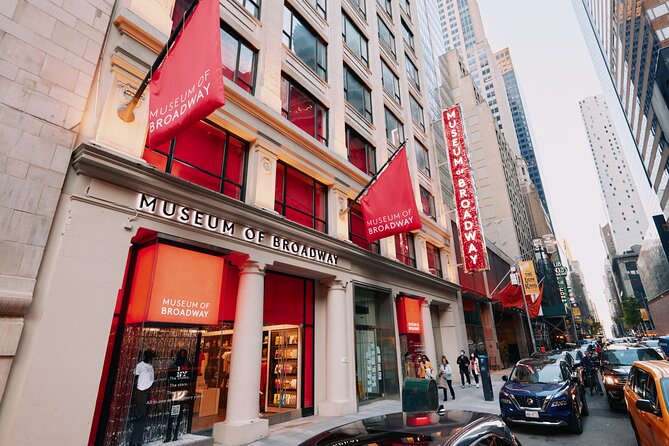
Broadway has its own weird gravity, and this museum shows why. The Museum of Broadway turns theatre history into hands-on, techy exhibits, plus real costumes and show artifacts that make the story click fast. You can show up as a total newbie or a full-on musical theatre nerd and still have a great time.
I really like how the exhibits explain both the past and the present of Broadway, not just famous titles. I also enjoy the behind-the-scenes feeling at the end, where you get a clearer picture of how Broadway shows are planned, built, and produced. The staff are often described as helpful and interactive, and some names come up like Alexandra and Caleb.
One consideration: plan on walking and stairs, and there are limited places to sit and read. Also, the experience is self-paced more than a traditional guided tour, so if you’re expecting a lot of live narration, you may want to adjust your expectations.
In This Review
- Key things to know before you go
- Museum of Broadway: what the experience is really like
- The best way to spend your time (and not feel rushed)
- Stop-by-stop: how the museum visit unfolds
- Start in the museum space and get your bearings fast
- The Broadway storyline: eras, how shows evolved, and why it mattered
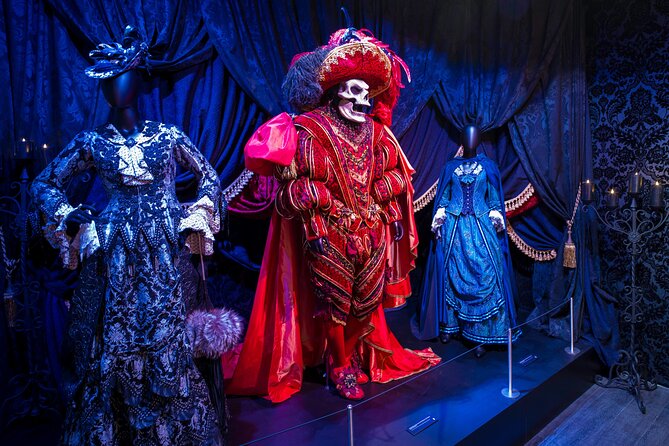
- Costumes and props: the part that makes theatre feel real
- Photo moments: small but worth planning around
- Behind the scenes at the end: where production logic clicks
- Price and value: is $44.92 worth it
- Who this museum fits best
- Practical planning: timing, shoes, and ticket reality
- The main upsides you should expect
- When you might want to adjust your expectations
- Should you book Museum of Broadway?
- FAQ
- FAQ
- How long does the Museum of Broadway visit take?
- What is the price per person?
- What do my ticket(s) include?
- Where is it, and is public transportation nearby?
- When will I receive confirmation after booking?
- Is it refundable or changeable?
- Are service animals allowed?
- Is it good for kids?
- Is it accessible for everyone?
Key things to know before you go

- Costumes, props, and photos: the museum uses real show items and photo opportunities to keep the timeline fun.
- Tech + storytelling: art and technology help connect eras of Broadway to how shows work today.
- A production-focused ending: the late sections shift from history to how shows are assembled and planned.
- Plan for time: many people take closer to 2 to 3 hours if they read slowly and stop for photos.
- Comfort matters: wear comfy shoes; expect stairs and not much seating.
Museum of Broadway: what the experience is really like
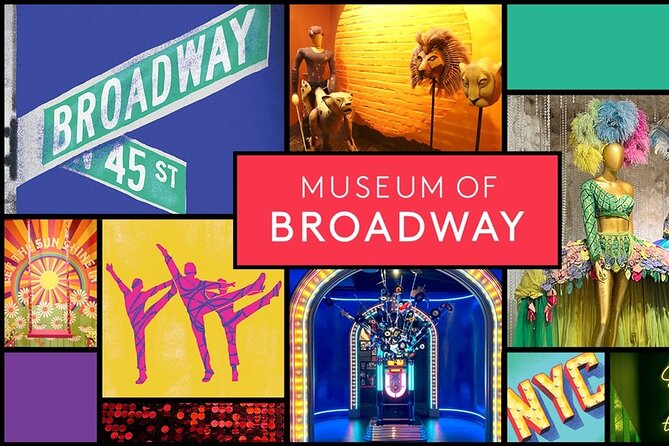
This is one of those NYC stops where the “museum” part matters. It is not just a hallway of posters. The Museum of Broadway uses a mix of displays, videos, and physical artifacts to show how Broadway storytelling evolved over time, and how productions get shaped before a curtain ever goes up.
What I find smart is that it helps you understand Broadway as a system, not only as a lineup of big names. You learn how shows are made and why certain design choices land the way they do. If you care about theatre craft, you will feel the cause-and-effect behind what you see onstage.
The overall pace is easy. You are free to move through at your own speed, and the exhibits guide you from earlier eras to the modern Broadway scene. You can spend extra time where your interest pulls you in. One person may sprint through eras to catch the highlights. Another might stop at each costume and read the captions line by line.
You can also read our reviews of more museum experiences in New York City



The best way to spend your time (and not feel rushed)
The ticket is built for a short visit, roughly 1 to 2 hours, but many people end up closer to 2.5 or even 3 hours if they read and take photos. That is why I suggest building in a little breathing room. In a busy New York day, it is easy to under-schedule the time it takes to look closely.
If you want the best balance, do this:
- Start with the main storyline and let the timeline orient you.
- When you see something you recognize, slow down and read the surrounding context.
- Save the late section for when you have your attention fully on production details.
Comfy shoes are not optional here. Between exhibit viewing and stairs, your legs do real work. And if you like to sit and read, be aware that seating looks limited, so you may end up leaning, standing, or taking short breaks instead.
Stop-by-stop: how the museum visit unfolds
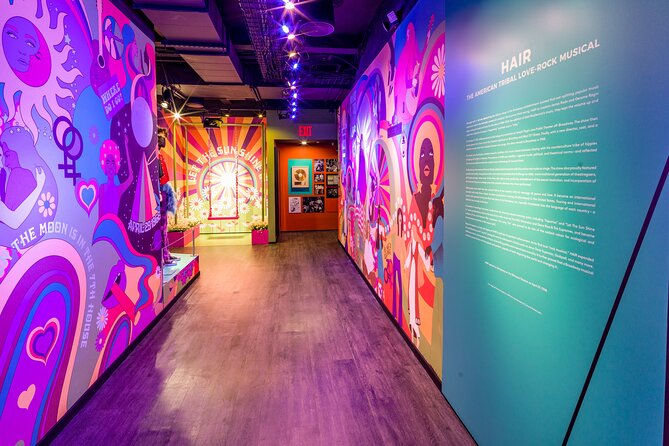
Because the experience centers on one place, you get a lot of value from planning how you move through it. Think of it as a guided journey without a mandatory group schedule.
Start in the museum space and get your bearings fast
You walk into a lobby area that feels like the museum’s warm-up. It sets expectations with a mix of theatre energy and exhibit explanation, so you do not feel like you are entering cold.
This first phase is mostly about orientation: what you are going to see, how the museum structures Broadway’s timeline, and how technology fits into the storytelling. It is also where you can grab a feel for what kind of viewer you are. If you love costumes and props, you will want to track those sections closely. If you prefer production stories, you will likely spend more time near the back end.
The Broadway storyline: eras, how shows evolved, and why it mattered
The core experience is a historical walk-through of Broadway’s changing world. You see how musicals reflected society across decades, and you get a clearer sense of why Broadway became what it is now.
I like that the museum does not treat Broadway as a static image. You see shifts in style, storytelling focus, and production challenges. That is where the exhibits feel useful for both theatre fans and first-timers. Even if you do not know the names, the museum helps you connect the dots.
One helpful detail from experience notes: people often mention learning about the origins of Broadway and the process of taking a show from initial ideas to a final performance. That makes the museum less like a “show poster album” and more like a teaching tool.






Costumes and props: the part that makes theatre feel real
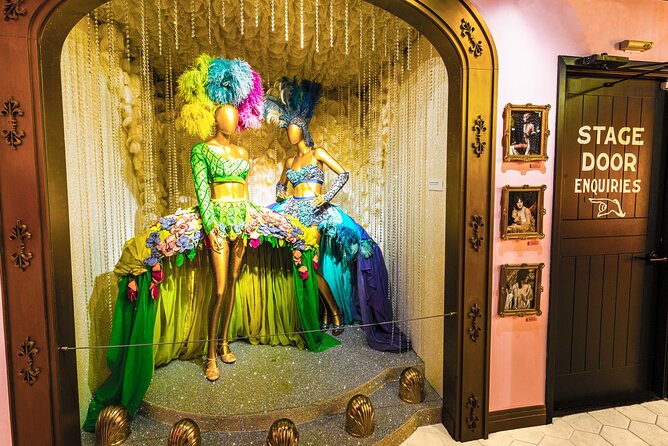
If you like seeing the physical evidence of art, this section is where the museum pulls its weight. Costumes and props show up as tangible proof that Broadway design involves craft, materials, and choices.
This also works well for mixed groups. Some people care most about history. Others care most about a specific production they have seen. The museum supports both by putting costumes and artifacts in front of you and pairing them with readable context.
You might notice people especially enjoy:
- close-up display details
- photo-friendly areas tied to exhibit content
- props and set pieces that connect you to how performances look onstage
Photo moments: small but worth planning around
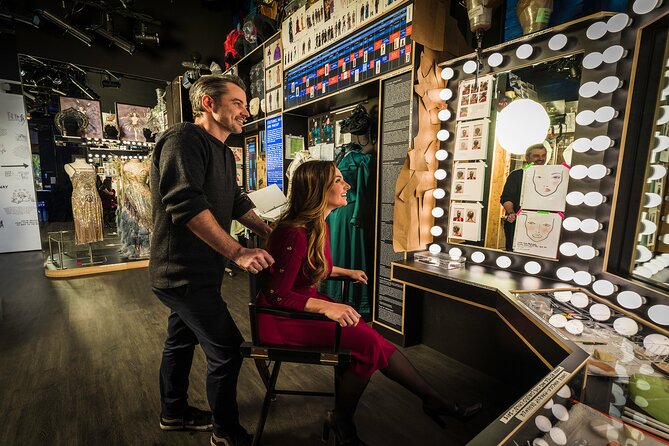
There are photo opportunities built into the experience. They are not just a random photo wall. The best ones tie into exhibits, so your pictures end up reminding you of what you learned instead of acting like a stray souvenir.
If you care about photos, give yourself extra time. A quick stop is fine. A thoughtful stop takes longer. Several people noted that reading signs and getting photos can stretch the visit to around 3 hours, which makes sense once you realize how much text there is.
Behind the scenes at the end: where production logic clicks
The late sections are often described as the highlight. This is where the museum turns more explicitly toward how Broadway shows get put together: planning, structure, and the thinking behind production.
I like this part because it makes Broadway feel like work, not magic. You learn how decisions get translated into stage reality. If you have ever wondered how shows go from concept to final performance, this is the part that answers that question.
Staff support can also make a difference here. People mention helpful, interactive staff, including names like Alexandra and Caleb. That matters because theatre is better when you understand why things are done, not only what things look like.
Price and value: is $44.92 worth it
For $44.92 per person, you are paying for an indoor, self-paced theatre education with real artifacts and a strong production-focused ending. In NYC, that price can feel either steep or fair depending on how you travel.
Here is how I judge value:
- If you love theatre craft and you like reading exhibits, you will likely feel the ticket price does its job.
- If you want something super interactive beyond exhibits, you might wish you had booked extra guided programming elsewhere. This is museum time first.
The value improves because the museum is designed to hold attention for a solid stretch. Even though the official window is around 1 to 2 hours, many people take longer because there is enough detail to justify it. So you are not paying for a quick walk-by experience.
If you are short on time and only want the must-see parts, you can still do it in about 90 minutes to 2 hours. Just do not expect to finish everything slowly.
Who this museum fits best
This is a great match for:
- theatre fans who want context around what they already love
- first-timers who want an easy intro to Broadway’s evolution
- families looking for an indoor activity that feels fun, not school-like
- couples on a rainy morning who want something calm and meaningful
It also works well if you are a theatre maker yourself. People mention the museum helped them appreciate how Broadway influences other places, including the link between Broadway and the UK theatre world. If you have studied or performed, the production and history sections tend to feel especially relevant.
If you are sensitive to stairs or expect lots of places to sit, plan for that early. The “steps required” note comes up, and it can affect how enjoyable the visit feels if you are tired that day.
Practical planning: timing, shoes, and ticket reality
Here is the practical truth: in NYC, your schedule matters as much as your destination.
Plan for comfort
- Wear comfortable shoes because you will be moving through the museum and climbing.
- Expect limited seating for long reading breaks.
Plan for time
- Give yourself 2 to 3 hours if you want to read and take photos.
- If you only want the highlights, you can likely do less, but build in buffer time anyway.
About ticket processing
The museum experience itself is widely praised. What has caused frustration for some people is not the museum content, but ticket validity and check-in flow when tickets are sold through a third party. My advice is simple: keep your confirmation handy, arrive early enough to handle issues without stress, and be prepared to sort out admission quickly if anything does not scan smoothly.
The main upsides you should expect
From everything you can piece together about the experience, these are the big wins:
- Broadway history that makes sense: the timeline connects eras to how Broadway became modern.
- Real show artifacts: costumes, props, and physical items make the learning feel tangible.
- A production brain: the end section focuses on how shows are planned and assembled.
- Staff engagement: people call out helpful staff, which can make the museum feel more human.
- Photo + fun: it does not feel like a silent library. The exhibits give you reasons to pause.
When you might want to adjust your expectations
This place is not ideal for everyone.
If you need a lot of rest, you may find the limited seating tricky. The exhibits do involve stairs, so plan for mobility. And while the museum is explained through displays and technology, it is not guaranteed to feel like a full guided lecture. If you want a group guide driving the experience hour-by-hour, you may want to pair this with a different kind of theatre tour.
Also, coverage is broad by design. Some people felt certain long-running shows were not as deeply represented as they hoped. If you are laser-focused on one production or two, you might still enjoy the museum, but you should expect a wider lens rather than a dedicated deep dive on one title.
Should you book Museum of Broadway?
I think you should book it if you want a solid, indoor NYC activity that teaches you how Broadway works while still staying fun. The museum is especially worth it if you care about costumes, stage craft, and production logic, or if you are going with a mix of theatre knowledge levels.
Book with a little extra caution if you are:
- very limited on time and can’t handle a check-in hiccup
- expecting a traditional guided tour format
- sensitive to stairs or need frequent seating breaks
If those fit you, the museum still can be a great choice, just plan your day with buffer time and comfy shoes.
FAQ
FAQ
How long does the Museum of Broadway visit take?
The experience is listed at about 1 to 2 hours. Many people end up taking longer when they read signs carefully and stop for photos.
What is the price per person?
The price is $44.92 per person.
What do my ticket(s) include?
Your ticket includes admission to the Museum of Broadway, with exhibits that explain Broadway’s past and present and how shows get planned and made.
Where is it, and is public transportation nearby?
It’s in New York City, and it is near public transportation.
When will I receive confirmation after booking?
Confirmation is received within 48 hours of booking, subject to availability.
Is it refundable or changeable?
This experience is non-refundable and cannot be changed for any reason.
Are service animals allowed?
Yes, service animals are allowed.
Is it good for kids?
Children 4 and under may enter free of charge, and most people can participate. If your child needs more seating or has mobility limits, plan for stairs.
Is it accessible for everyone?
Most travelers can participate, but there are steps required in the museum experience, so it may be harder if you have trouble with stairs.