REVIEW · ROME
Jewish Ghetto, Synagogues & Museum Tour with Jewish Guide 2 hours
Book on Viator →Operated by Jewish Roma Private Walking Tours · Bookable on Viator
Rome’s Jewish quarter tells stories at street level. This small-group 2-hour walk in Rome’s former Jewish Ghetto pairs an authorized visit inside a synagogue complex with a guided stroll through the streets where Jewish life shaped the city for centuries. It’s led by Roman Jewish guides, so the explanations come with context you won’t get from a standard walking talk.
I especially like the access: you visit the Jewish Museum of Rome and two synagogues, including the Spanish and the Great synagogue. I also enjoy how the second half moves from buildings to people—narrow lanes, daily life, and WWII stories that make the neighborhood feel real, not distant.
One thing to plan for: the Jewish museum entrance isn’t included, so you’ll need to budget extra for tickets.
In This Review
- Key highlights worth your attention
- Authorized synagogue and museum access at Jewish Roma
- Jewish Museum of Rome: what you’ll learn before you walk
- Inside the Spanish and Great synagogues
- Antico Quartiere Ebraico: walking the former ghetto streets
- WWII stories, local voices, and the sense of continuity
- Your Roman Jewish guide: why Micaela’s style lands
- Price and value: is $161.64 worth your time?
- Timing, meeting point, and how to plan your morning
- Who should book this tour (and who might want a different option)
- Should you book the Jewish Ghetto, Synagogues & Museum Tour?
- FAQ
- How long is the Jewish Ghetto, Synagogues & Museum Tour?
- What’s included in the tour price?
- Are museum and synagogue entrance fees included?
- What’s the group size limit?
- Where does the tour start?
- What time does the tour operate?
- What’s the cancellation policy?
Key highlights worth your attention
- Authorized private entry: Jewish Roma guides are the only ones authorized to take visitors inside the synagogues and the Jewish museum.
- Two synagogue visits: you’ll see both the Spanish synagogue and the Great synagogue.
- A focused 2-hour format: enough time for museum context and street-level atmosphere without dragging on.
- Former ghetto streets with living memory: you’ll walk the area where Jews were segregated for 330 years and where some still live.
- Guide energy matters: guides like Micaela are praised for mixing serious knowledge with a fun, human approach.
Authorized synagogue and museum access at Jewish Roma
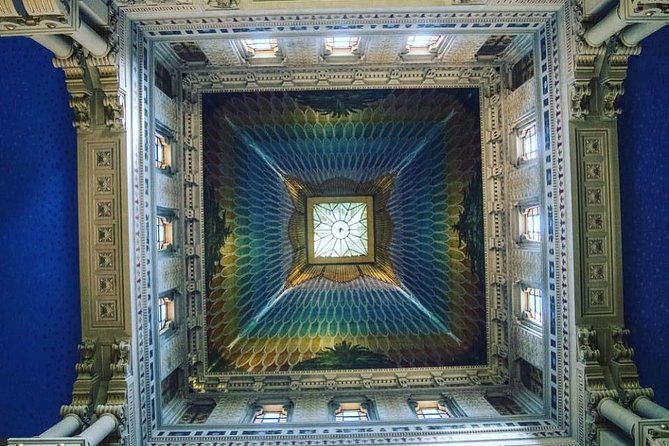
This tour is built around a major practical advantage: you’re not just looking at the neighborhood from the sidewalk. Jewish Roma Private Walking Tours has authorization to take visitors privately inside the synagogues and the Jewish museum, which is a big deal in Rome, where religious sites can be limited and entry rules vary.
That access changes the experience immediately. From the start, you’re getting the “why” behind the place, not only the “what.” Instead of trying to read plaques while everyone rushes to the next stop, you get a guide who can connect the rooms and rituals to the history of the community.
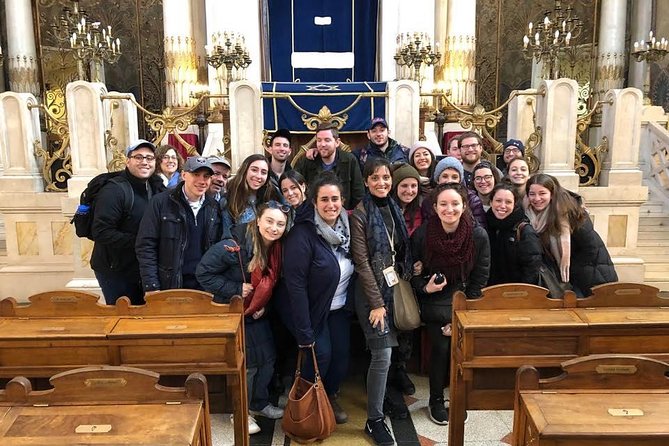
The group size also helps. With a maximum of 15 people, you’re more likely to get answers instead of standing back quietly. And because the guide is Roman Jewish, you’re hearing a perspective that feels closer to lived tradition than a distant lecture.
You can also read our reviews of more guided tours in Rome
Jewish Museum of Rome: what you’ll learn before you walk
The first stop is the Jewish Museum of Rome, where you’ll spend about 1 hour 15 minutes. Expect to see the museum collection and hear how it links to the broader story of Jewish life in Rome over many generations.
Here’s how I think about this part if you’re trying to decide whether it’s worth paying extra: the museum ticket is separate, but it’s also the place where the guide can give you the framework that makes the rest of the walk meaningful. Without that, the ghetto streets can feel like a pretty old neighborhood. With the museum context, you start noticing details you might otherwise miss.
One practical note: admission isn’t included. The museum ticket is 11€ for adults and 5€ for students, while children under 10 are free. So if you’re comparing total cost, add that in when you plan your budget.
Inside the Spanish and Great synagogues

After the museum collection, you visit two synagogues: the Spanish synagogue and the Great synagogue. Seeing both in one outing is efficient—you get variety without losing time between locations.
These visits also make the tour feel grounded. Synagogues are not just “historic buildings”; they’re tied to worship, community identity, and how people adapted through changing political and social conditions. When a guide can explain what you’re looking at in plain language, the experience becomes more personal fast.
If you’re the kind of person who likes to understand how religion, community, and daily life connect, this section is one of the strongest parts of the tour. It’s also a good choice for people who want cultural depth but don’t want to spend half a day reading quietly in a museum hall.
Antico Quartiere Ebraico: walking the former ghetto streets
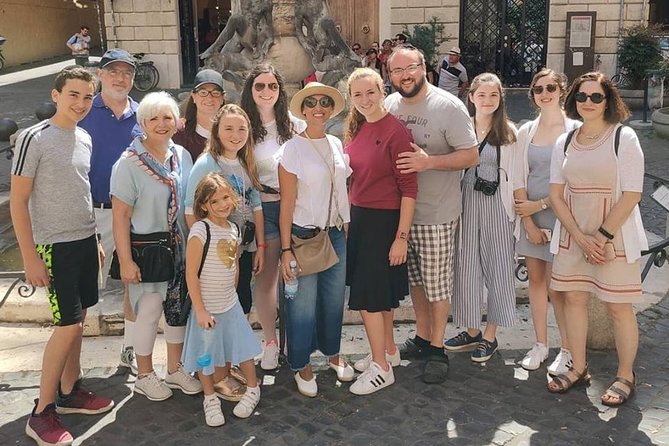
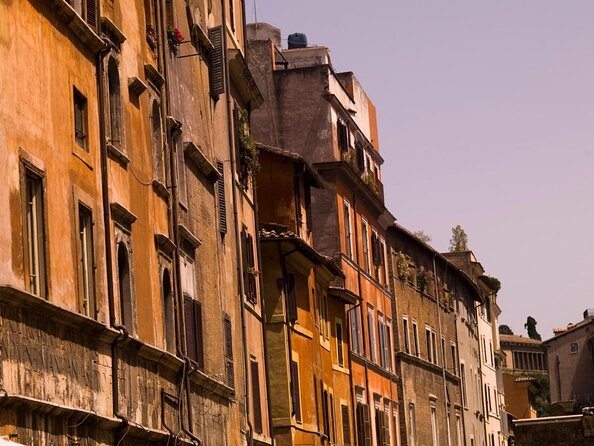
The second half is where the tour shifts from rooms to streets. You’ll walk the Antico Quartiere Ebraico, spending about 1 hour 15 minutes moving through narrow lanes and key parts of the former ghetto.
This is not just scenery. You’ll learn where Jews were segregated for 330 years, and you’ll see where Jewish families still live today. That mix—history plus continuity—is what makes this neighborhood visit different from a typical “old streets” stroll.
I like that the tour keeps the pace human. The streets are tight, so your guide naturally slows down, points out relevant spots, and talks through what happened there and what it means now. You’re less likely to feel like you’re herding through a checklist.
WWII stories, local voices, and the sense of continuity
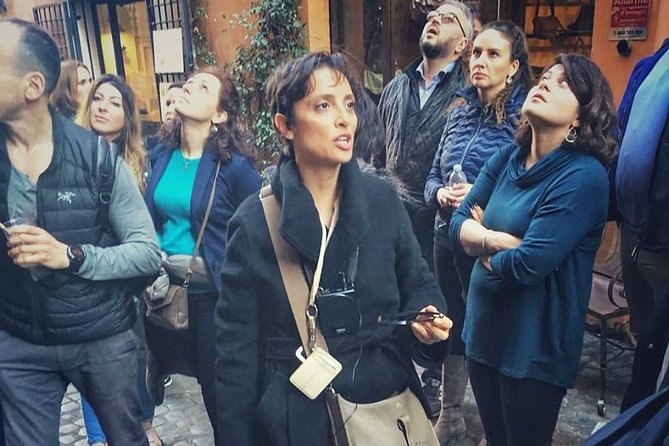
Along the route, you’ll meet locals and hear stories from World War II. That part matters because it turns history from a timeline into lived experience. Instead of only talking about events at a distance, you get glimpses of what it felt like for real people in that neighborhood.
You also get the sense that this is not a sealed-off museum district. The tour emphasizes that part of the community still exists, and that changes how you interpret everything you’re seeing. It’s easier to treat the neighborhood with the respect it deserves when you’re reminded that it’s home for some families.
One more small point that’s worth taking seriously: people come away talking about the district’s food and everyday life. Even if you don’t plan lunch immediately, you’ll probably finish thinking about what to eat nearby—because you’ve been learning about how people actually lived, not just how they once lived.
You can also read our reviews of more museum experiences in Rome

Your Roman Jewish guide: why Micaela’s style lands
A lot of tours advertise knowledge. This one leans more on communication—how well the guide can make the material stick.
In the feedback, a guide named Micaela is repeatedly praised for being passionate and highly engaging—serious when it counts, funny when it helps, and personable throughout. That balance is exactly what you want here. Jewish history in Rome includes heavy periods, but the tour never has to feel like a constant march of sadness. When a guide can switch tone naturally, you learn more and remember more.
I’d also pay attention to the small-group setup. With only up to 15 people, you’re more likely to ask questions without feeling awkward. That’s where the Roman Jewish perspective really shines—because you can hear answers that reflect both history and present-day understanding.
Price and value: is $161.64 worth your time?

At $161.64 per person, this isn’t the cheapest activity on the list. The value depends on what you’re trying to get out of Rome’s Jewish quarter.
Here’s what you are paying for:
- a Roman Jewish guide
- a small-group format (max 15)
- authorized private entry into the synagogues and Jewish museum
- a structured 2-hour experience that covers both museum context and street-level history
Then factor in what’s not included: the Jewish museum ticket costs 11€ adult / 5€ student. When you add that in, your total spending still feels reasonable compared to the cost of getting similar access at a religious site without a specialized guide.
In plain terms, I think the price makes sense if you care about context and access. If you only want to walk the streets and you’re comfortable reading on your own, you could do that for less. But if your goal is to understand the place and to actually step inside, the authorization and guidance are the core value.
Timing, meeting point, and how to plan your morning
The tour starts at Tempio Maggiore, Lungotevere de’ Cenci, 00186 Roma RM, Italy, and it ends back at the same meeting point. You’re looking at about 2 hours total, split between the museum/synagogues and the ghetto streets walk.
A few practical tips to keep it smooth:
- Start by arriving a few minutes early so you’re not rushing when the group gathers.
- Wear shoes you’re comfortable with for narrow streets and a steady walking pace.
- Budget for the museum entrance ticket for the stop that costs extra.
- Use the mobile ticket on your phone.
This activity also tends to be in demand. The average booking timing is about 70 days in advance, so if your dates are set, booking sooner rather than later saves stress.
Who should book this tour (and who might want a different option)
This is a great match if you:
- want synagogue and museum access with a guide who can explain what you’re seeing
- like small groups and respectful, question-friendly tours
- care about WWII-era stories connected to real neighborhoods
- prefer a well-paced 2-hour format over a long museum day
It may be less ideal if you:
- only want a quick photo walk and aren’t interested in museum context
- want to spend extra time inside the museum on your own
- are expecting a long, deep museum session beyond what fits into about 2 hours
Should you book the Jewish Ghetto, Synagogues & Museum Tour?
Yes, if your top goal is meaningful access and clear storytelling. The big reason is that you’re not simply watching Rome from the outside—you’re stepping into the Jewish museum experience and seeing both the Spanish and Great synagogues with an authorized guide.
I’d book it especially if you appreciate guides who can keep the tone human. When Micaela’s style shows up—serious facts, humor at the right moments, and a passionate approach—that combination helps you absorb heavy material without getting overwhelmed.
If you’re budgeting, remember the museum entrance fee is extra. Add those few euros to your plan and you’ll feel better about the total.
FAQ
How long is the Jewish Ghetto, Synagogues & Museum Tour?
It lasts about 2 hours.
What’s included in the tour price?
You get a guided experience covering 22 centuries of Jewish life in Rome, plus visits as part of the walking route that includes the museum and synagogue area.
Are museum and synagogue entrance fees included?
No. The Jewish museum admission is not included. Adults pay 11€, students pay 5€, and children under 10 are free.
What’s the group size limit?
The tour has a maximum of 15 travelers.
Where does the tour start?
The meeting point is Tempio Maggiore, Lungotevere de’ Cenci, 00186 Roma RM, Italy.
What time does the tour operate?
The opening hours listed show Monday from 12:00 AM to 11:30 PM, with the service running within 09/23/2022 to 06/09/2026.
What’s the cancellation policy?
You can cancel for free up to 24 hours in advance for a full refund.