
REVIEW · LOUVRE MUSEUM
Paris: Priority Access, Guided Louvre Museum Tour w/ Expert
Book on GetYourGuide →Operated by ParisCityVision · Bookable on GetYourGuide
Skip the Louvre crush with a plan. This priority-access, small-group tour lets you see top masterpieces like the Mona Lisa without losing hours in ticket lines, and I like how the guide gives you a route that actually makes sense inside. You’ll start with a walk through the Tuileries Gardens, then get guided coverage of key highlights (including Venus de Milo and Winged Victory of Samothrace). One drawback to consider: this visit involves a lot of stairs and it is not set up for wheelchair users or major mobility limits.
The Louvre is huge—fast. The real win here is that a licensed guide helps you pick where to look first, while earphones keep the commentary clear even in the thick of the crowds. Based on the praise I read, guides such as Marion, Camille, and François are called out for being organized, easy to follow, and genuinely passionate, which matters when the museum can feel like sensory overload.
Just know the tradeoff: it’s about 2 hours inside the museum (the total tour time runs 2–3 hours with check-in and the walk). That’s enough for a memorable hits tour, not enough to see the full collection.
In This Review
- Key things to know before you go
- Priority Access at the Louvre: what you’re really buying for $104
- From Tuileries Gardens to the Louvre entrance: your calm start
- Skip-the-line access: what to expect at the priority entrance
- Inside the Louvre: a guided hits tour that actually connects the dots
- The “big names” you’ll see
- More than paintings: context in the building itself
- The “commercial area” walkthrough
- Pacing: fast enough to cover highlights, not so fast you miss them
- No elevators and the stair reality: who should plan differently
- Languages, earphones, and guide style: how you’ll feel while you listen
- Timing and museum hours: don’t let closing time ambush your plans
- Napoleon Hall is extra: one cost you should not ignore
- What to bring (and not bring) for a smooth entry
- Is this the right Louvre tour for you? My honest decision guide
- FAQ
- How long is the Louvre tour?
- Will I still wait in line if it is skip-the-line?
- What famous artworks will we see?
- Are there elevators available during the visit?
- Is this tour suitable for wheelchair users or mobility impairments?
- What items are not allowed in the museum?
Key things to know before you go
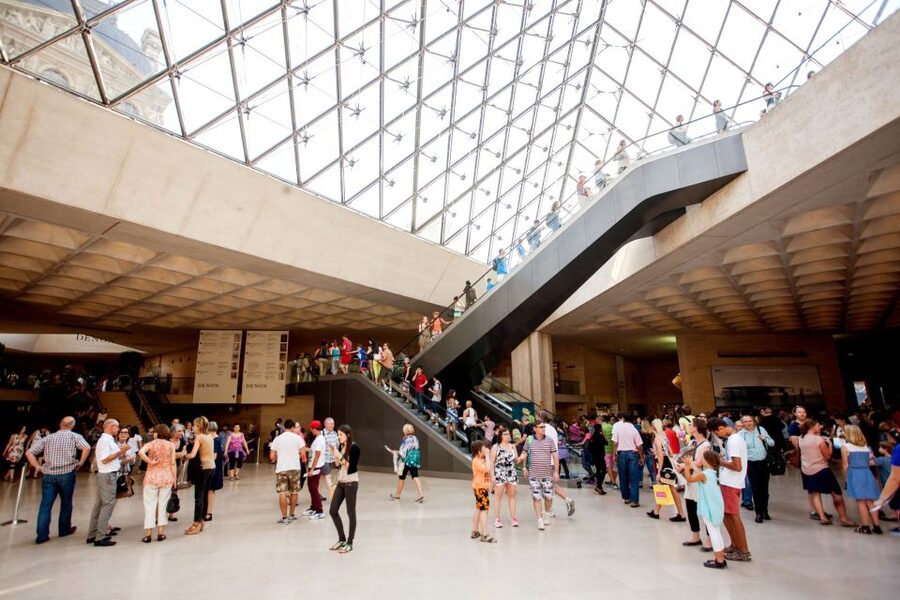
- Priority entrance helps you avoid the main ticket line, but you can still hit wait time at the entrance and during security checks.
- 2 hours inside covers the Louvre’s biggest names, plus context about areas like the Medieval fortress and the modern Pyramid.
- Earphones are included, so you can keep up even while you’re standing near major artworks.
- No elevators during the visit, and the tour is not suitable for wheelchair users.
- You’ll want comfortable shoes and a plan for what you’ll carry, since luggage and large bags aren’t allowed.
- Guides praised by name include Marion, Camille, François, Monica, Stephan, and Leila.
Priority Access at the Louvre: what you’re really buying for $104

For $104 per person, you’re not paying just for a ticket. You’re paying for two things that make a first Louvre trip feel doable: reserved, separate-entry access and a licensed guide who steers you through the museum’s maze.
Here’s the practical angle. The Louvre attracts lines that can eat your day. Even if you do buy a timed ticket, the museum itself still has bottlenecks—entry checks, dense rooms, and people stopping to photograph the same spots. This tour’s priority entrance aims to cut the biggest time sink, so you can spend your limited hours looking at art instead of watching other people line up.
It’s also good value if you’re the type who wants a “best of” experience without having to research every wing ahead of time. One of the most common themes in feedback is that the guide helps you avoid wandering aimlessly, especially when you don’t know where to start.
You can also read our reviews of more guided tours in Louvre Museum

From Tuileries Gardens to the Louvre entrance: your calm start
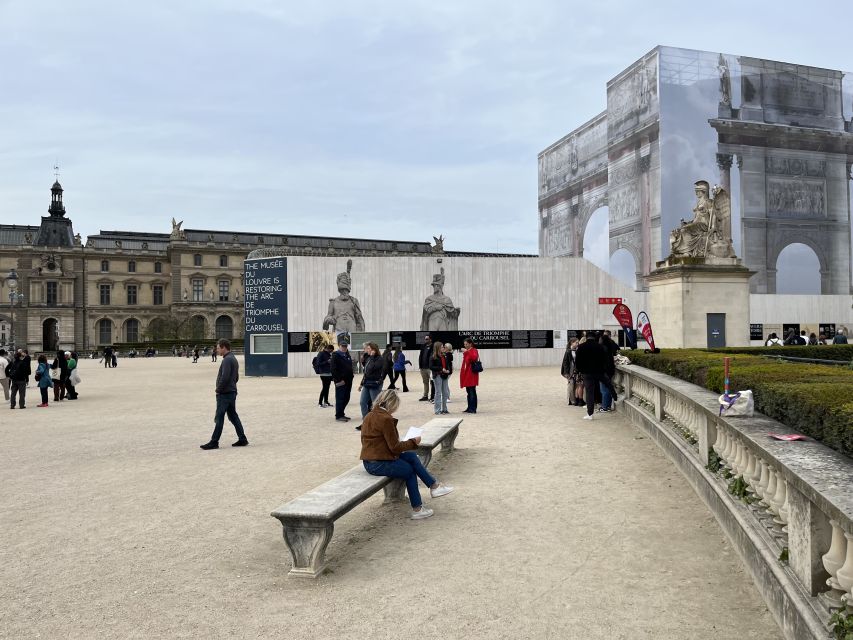
The experience begins outside the Louvre with a walk through the Tuileries Gardens. It’s not just a scenic warm-up. It’s also a buffer. You arrive, you get oriented, and you shift your brain from Paris street life into museum mode.
That walk matters because the Louvre can hit you like a wall once you’re inside. Starting with a green space and an organized group reduces the panic factor. And you’re moving toward the entrance with a schedule already in place, rather than improvising once you see the crowds.
Meeting point details can vary by option, so I’d treat it like this: show up a few minutes early and double-check where your group gathers. That’s the difference between feeling relaxed and feeling rushed when the museum starts piling people in.
Skip-the-line access: what to expect at the priority entrance
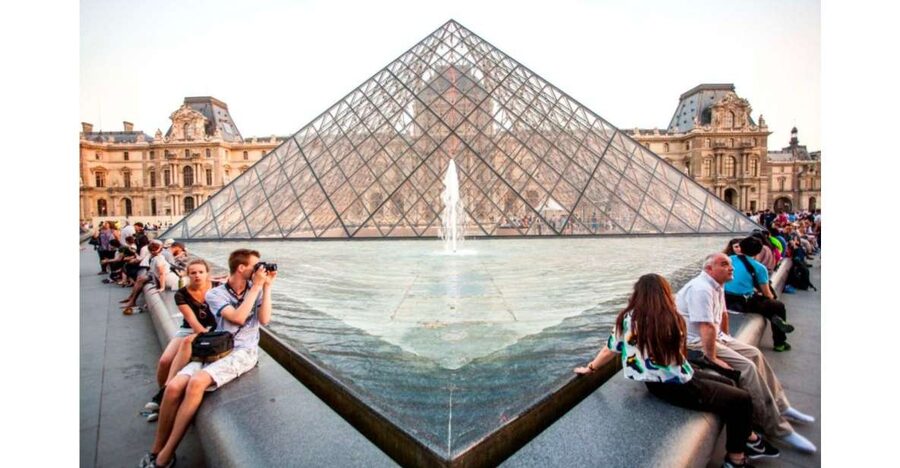
Skip-the-line can sound magical, but here’s the honest version you should plan for: you’ll use a separate entrance for priority access, and it should reduce the long ticket line. Still, you might run into waiting time—especially if it’s peak season—because security is mandatory.
Plan your mindset around that. Priority access mostly helps with the line for tickets, not with the fact that the Louvre takes security seriously and the crowd density is real. On busy days, you could still spend time at the gate area before you’re fully through.
Also, note the timing: the tour overall is 2–3 hours, but you’ll spend only 2 hours inside. That makes the entrance timing extra important. If you arrive late, your inside time shrinks fast.
Inside the Louvre: a guided hits tour that actually connects the dots
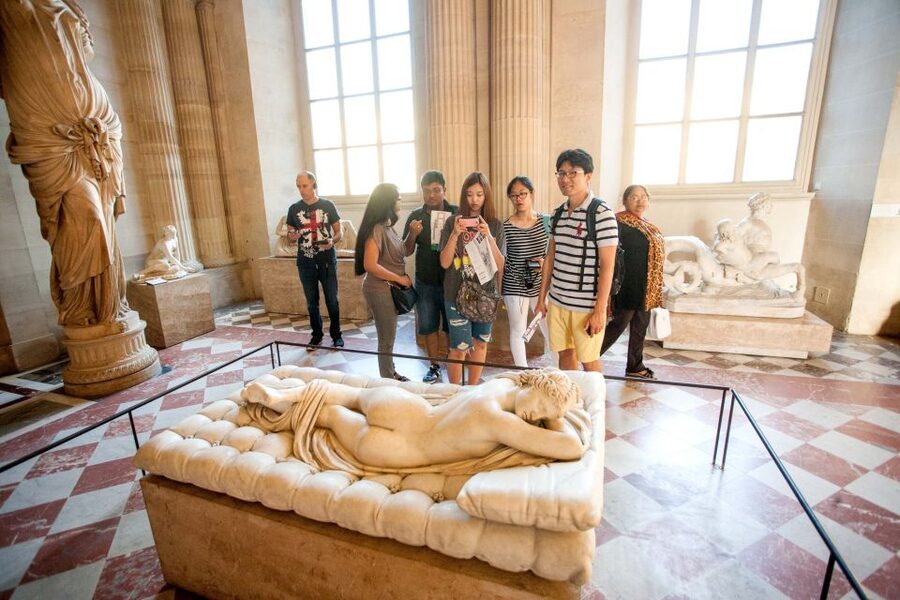
Once you’re in, the guide leads a 2-hour guided tour that focuses on major works and helps you understand what you’re seeing. The Louvre holds about 100,000 objects, so without guidance it’s easy to chase random rooms and miss the moment.
The “big names” you’ll see
Expect to see standouts such as:
- Mona Lisa (Da Vinci)
- Venus de Milo
- Winged Victory of Samothrace
These aren’t just famous because of social media. The guide’s job is to explain why they matter—materials, style, historical setting, and what to notice with your own eyes when you’re standing there.
More than paintings: context in the building itself
A strong point of this tour is that it doesn’t lock you into only one art category. You’ll move through different sections the guide highlights, including:
- the Medieval fortress area
- the modern Pyramid
That variety helps because the Louvre isn’t one museum in one style. It’s an architectural story told through time, and the guide points you toward what to look for as you transition between eras.
The “commercial area” walkthrough
You’ll also pass through the Louvre’s commercial zones, where the guide explains major sections and gives you a framework for what’s around you. That framework is what makes it easier to explore after the tour—your brain has landmarks now, not just crowd noise.
Pacing: fast enough to cover highlights, not so fast you miss them
You won’t have time to stand and admire every detail of every work. But you will get enough explanation to make the highlights feel earned instead of just rushed photo stops. Multiple guides in the feedback pool are praised for keeping the group together and moving at a reasonable pace, which is exactly what you want in a museum this large.
If you’re the kind of person who needs a slower tour, this one can still work because it gives you a starter plan for later. But you should expect it to be a concentrated route rather than a leisurely meander.
No elevators and the stair reality: who should plan differently
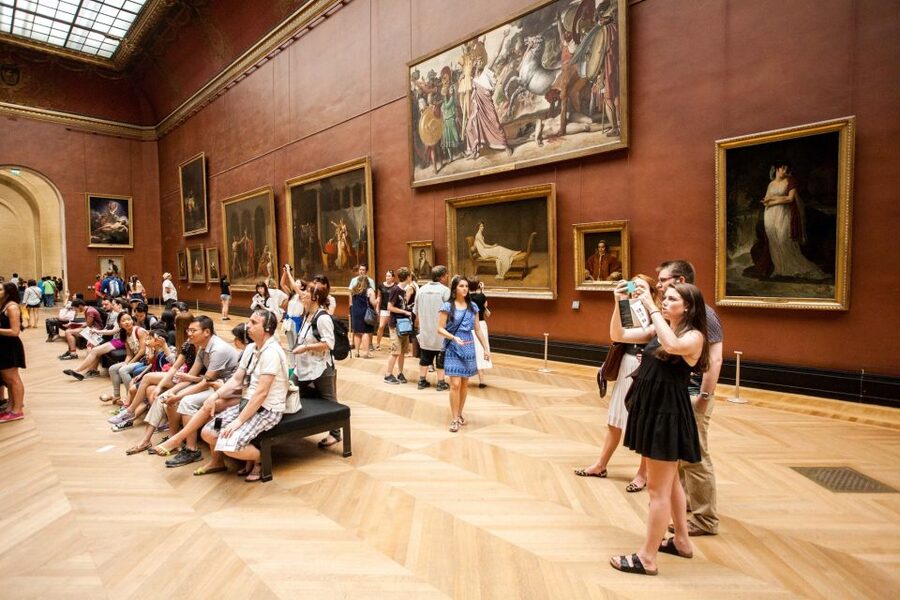
This is a big deal and it’s clearly stated: no elevators are available during the visit. That means lots of stairs, and it also affects how you’ll experience the rooms once you’re inside.
This tour is not suitable for people with mobility impairments or wheelchair users. If that applies to you, I’d skip this format and look for an accessibility-focused option.
If you’re generally able to walk but you’re not thrilled by stairs, prepare with:
- comfortable shoes you can walk in for a sustained period
- pacing strategy: plan to pause briefly if needed, because crowds compress your space
One review notes that a guide helped places to sit while teaching during challenging mobility moments, which suggests some guides are thoughtful. But the tour is still not designed around elevator-free access, so don’t count on it as an accommodation solution.
Languages, earphones, and guide style: how you’ll feel while you listen
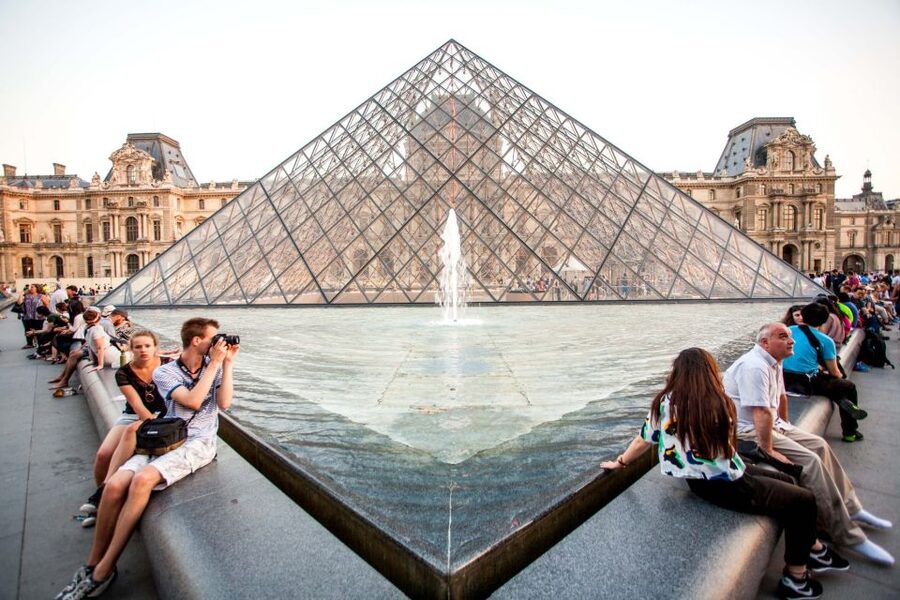
The live guide is available in English and Spanish, and earphones are included. That’s practical. In a crowded museum, people whisper, bounce, and move. Earphones keep the guide’s voice clear so you don’t miss key points while someone stands in front of you.
From the feedback, the best guides show the same patterns:
- clear organization
- strong ability to explain what you’re seeing
- humor or storytelling that keeps energy up without turning it into a performance
Names that show up in the praise include Marion (praised for kindness and patience), Camille (praised for perfect English and lots of knowledge), François (noted for being very well informed), and Monica (noted for being organized and sweet). Also, Stephan is highlighted for an intensive but interesting 2.5-hour experience, and Leila is praised for covering major works like the Mona Lisa plus extra time exploring beyond it.
You can use that as a planning clue: if you care about learning, not just seeing, this tour style is the right match.
Timing and museum hours: don’t let closing time ambush your plans
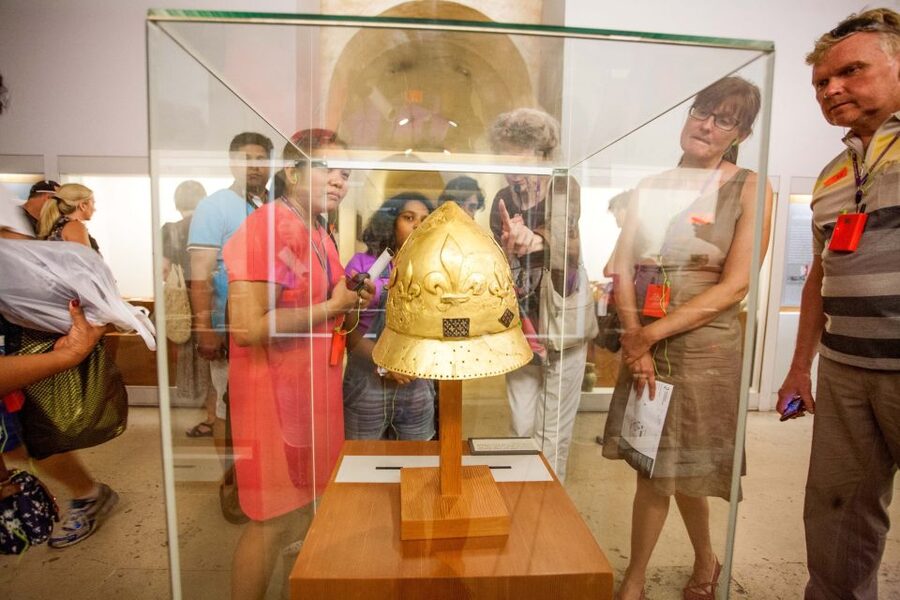
The Louvre’s closing schedule affects when your tour day can feel comfortable:
- On Wednesdays and Fridays, it closes at 10:00 PM
- On other open days, it closes at 6:00 PM
Your tour lasts 2–3 hours total, and you’ll spend 2 hours inside. That means the start time matters. If you go late on a day that closes at 6 PM, you might feel rushed afterward—especially if you want extra time to wander.
If you can choose, earlier hours often feel better simply because the museum is less of a pressure-cooker.
Napoleon Hall is extra: one cost you should not ignore
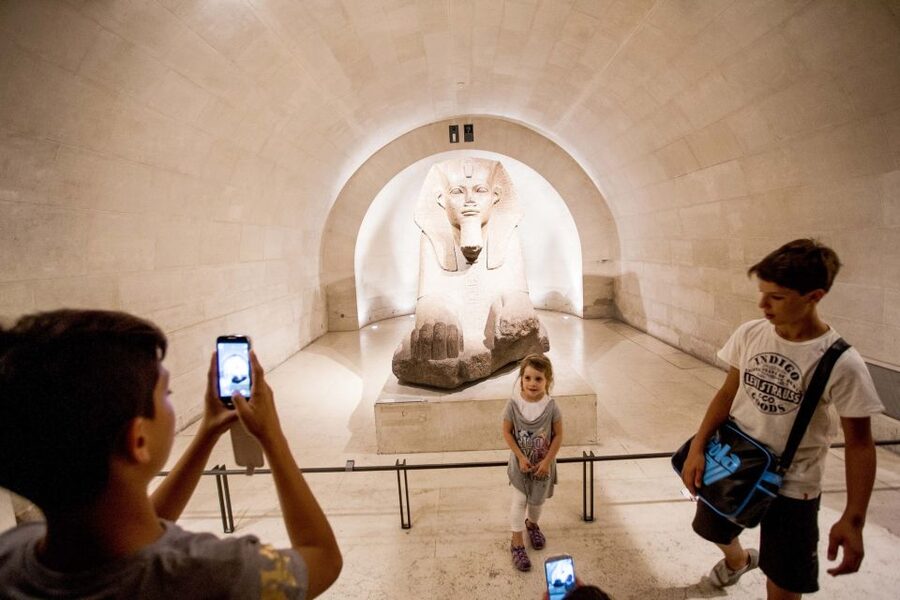
Not everything is automatically included. The tour includes entrance and guided visit authorization fees, but the Napoleon Hall entrance fee is not included.
If Napoleon Hall is on your must-see list, factor that in before you go. Otherwise, you can still have a great visit without it, but it’s better to know that you might need an extra stop ticket or separate access.
What to bring (and not bring) for a smooth entry

You’ll have a faster start if you prepare for the rules:
- Bring comfortable shoes
- Children need a passport or ID card
- No pets
- No luggage or large bags
- Items exceeding 55x35x20 cm aren’t permitted
This is one of those “small” details that can wreck your day if you show up with a big backpack or shopping bags. Pack light, and if you’re carrying camera gear, keep it within the size limits.
Is this the right Louvre tour for you? My honest decision guide
Book this tour if:
- You’re visiting for the first time and want a guided hits route instead of getting lost.
- You’re short on time and still want to understand what you’re looking at.
- You want to see masterpieces like Mona Lisa, Venus de Milo, and Winged Victory with explanation, not just photos.
- Your group includes art-curious people and non-experts. Several comments describe the tour as helpful for adults and kids who aren’t naturally museum-focused because it gives a fast, meaningful path.
Skip this tour if:
- You need step-free access or rely on elevators. This one isn’t designed for that.
- You want a slow, detailed, one-artwork-at-a-time visit. With only 2 hours inside, you’ll feel pressure to move.
My final take: this is a strong way to get your bearings fast, learn the stories behind the big masterpieces, and then keep exploring on your own with a plan. Just go in expecting a focused sprint, not a full-lifetime Louvre experience.
FAQ
How long is the Louvre tour?
The total tour time is listed as 2–3 hours, including check-in and the walk to the entrance. You’ll spend about 2 hours inside the museum.
Will I still wait in line if it is skip-the-line?
It uses a separate entrance to help you avoid the main ticket line. However, there still might be waiting time at the priority entrance and you’ll have to go through mandatory security checks, especially during peak times.
What famous artworks will we see?
The tour includes major highlights such as the Mona Lisa, Venus de Milo, and Winged Victory of Samothrace.
Are there elevators available during the visit?
No. The tour notes that no elevators are available during the visit.
Is this tour suitable for wheelchair users or mobility impairments?
No. It is stated as not suitable for people with mobility impairments and not for wheelchair users.
What items are not allowed in the museum?
Pets aren’t allowed. Luggage or large bags aren’t allowed either, and items exceeding 55x35x20 cm are not permitted.