REVIEW · MILAN
Milan: Entrance Ticket to La Scala Theatre Museum
Book on GetYourGuide →Operated by Vivaticket SPA Teatro Alla Scala · Bookable on GetYourGuide
La Scala lets you see opera magic up close. With this museum ticket, you get access to the costumes and set designs and the kind of auditorium views from boxes that make the history feel real instead of distant. It is Milan at its most dramatic, but you are moving through it at your own pace.
My favorite part is how the museum turns famous performances into physical things you can actually look at. The only real drawback is timing: when rehearsals are happening, you may not reach every main area of the auditorium and your view can be limited to higher seating.
In This Review
- Key highlights to look for
- Why La Scala’s Theatre Museum is worth your Milan time
- Ticket basics: what you get for about $17
- Getting inside: the easy flow once you arrive
- The museum rooms: costumes, sets, instruments, and the people behind them
- Seeing La Scala’s auditorium: boxes, rehearsals, and visibility
- Price and value: when this ticket is a slam dunk
- Location advantage: Duomo area plus the Galleria in one day
- Practical tips that make your visit smoother
- Who this visit suits best (and who might want a different plan)
- Should you book this La Scala Theatre Museum ticket?
- FAQ
- How long is the ticket valid?
- Is an audioguide included?
- Can I skip the ticket line?
- Is the museum wheelchair accessible?
- Are large bags allowed inside?
- Will I always be able to see the main auditorium area?
- When should I go for better theatre visibility?
- Can I cancel, and what is the deadline?
Key highlights to look for
- Costumes, set designs, and instruments tied to major La Scala productions
- Portraits and busts that map the big names behind the stage
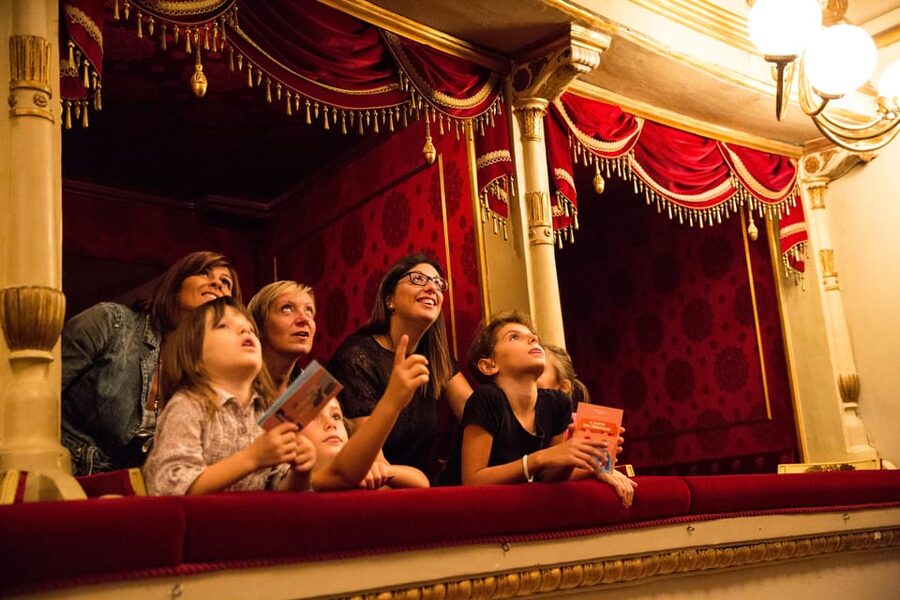
- Auditorium viewing opportunities, sometimes better from the boxes
- Rehearsal visibility on certain days (when schedules line up)
- App audioguide in 7 languages to make the exhibits click
Why La Scala’s Theatre Museum is worth your Milan time
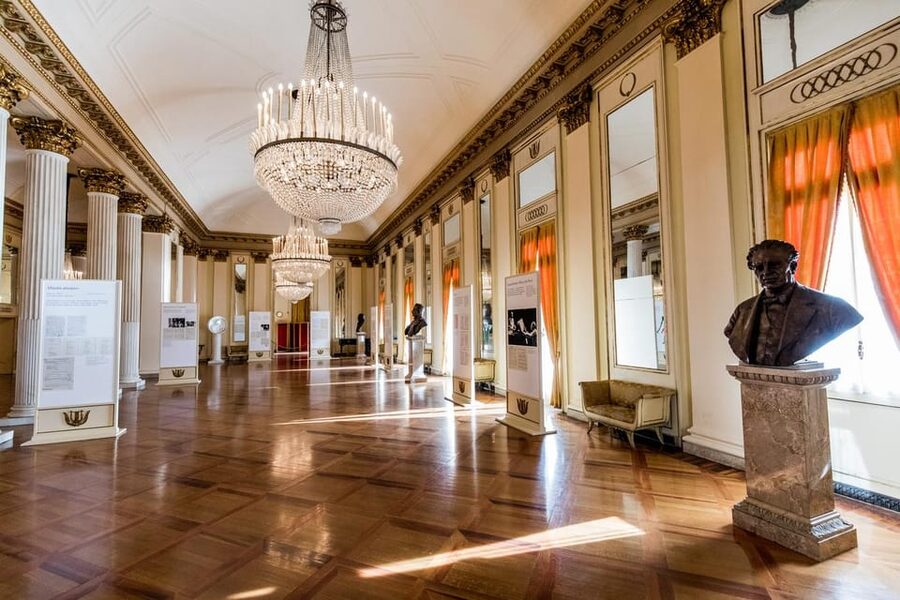
La Scala is one of those places where you feel the weight of centuries the moment you start looking around. This museum ticket works because it does not just tell you that the opera world mattered here. It shows you proof: objects, visuals, and the theatre itself.
I like how the visit gives you two different experiences in one stop. First, you get museum time—costumes, sets, instruments, and portrait-style galleries that explain why La Scala became such a cultural engine. Then you get theatre time, where the building’s design and scale make the whole thing feel bigger than a museum.
And because this is in the heart of Milan, you can fit it into a day without building a special route around it. You are basically pairing a world-class cultural landmark with some classic city sights nearby, which is exactly how you get more value out of a limited itinerary.
A few more Milan tours and experiences worth a look
Ticket basics: what you get for about $17
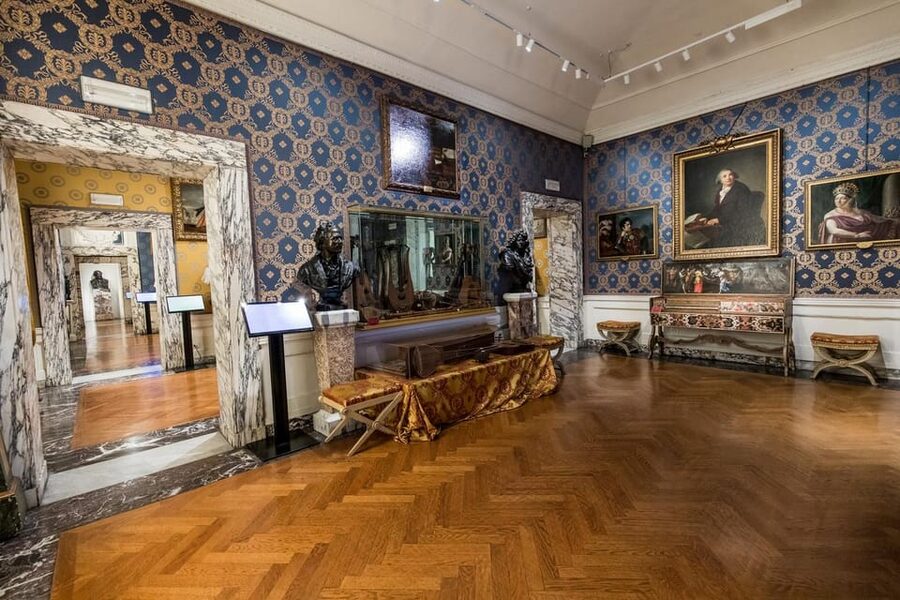
At roughly $17 per person, this ticket is priced like a museum visit, not like a private guided tour. You are paying for entrance and the museum experience, plus an included app audioguide in 7 languages (downloadable at the museum).
That “audioguide included” piece is important. Without it, a theatre museum can turn into a lot of glass cases and labels you skim. With the audio options, you can slow down and connect names, productions, and musical impact to what you are seeing.
It also includes skip the ticket line, which usually saves you time. One practical note: the process is not always obvious at the door, so if you do not see a clear line for ticketed entry, ask staff right away where to go. Quick question, less waiting. You will thank yourself later.
The ticket is valid for 1 day, with starting times based on availability. So plan your day around a specific slot rather than assuming it is open-ended.
Getting inside: the easy flow once you arrive
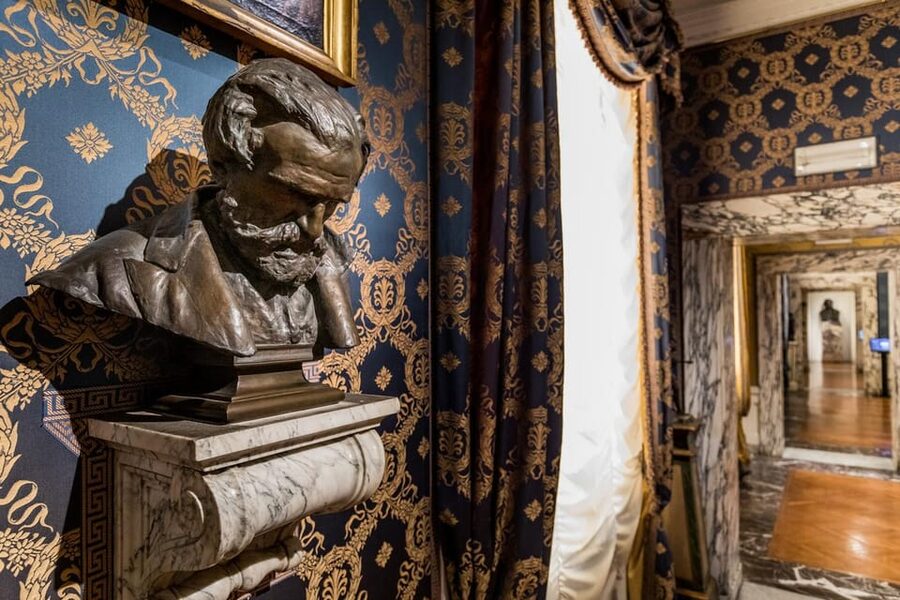
There is no complicated puzzle here. You enter, pick up your downloadable app audioguide, and start with the museum galleries that set the stage—literally and emotionally.
Expect a mix of:
- interpretive media (videos and pictures around the entrance area),
- costume and prop displays,
- and theatre-related artifacts like instruments, all connected to notable La Scala performances.
Then you shift from “museum mode” to “theatre mode” when you get your opportunity to view the auditorium. This is where a lot of the excitement concentrates. Even if you are not seeing an opera that night, the theatre space still does the job: it makes you understand why people travel for this kind of culture.
If lights in the theatre are on, visibility improves. The museum even posts guidance on this on their site, so it is worth checking before you go: https://www.museoscala.org/it/visibilita-teatro.html
The museum rooms: costumes, sets, instruments, and the people behind them
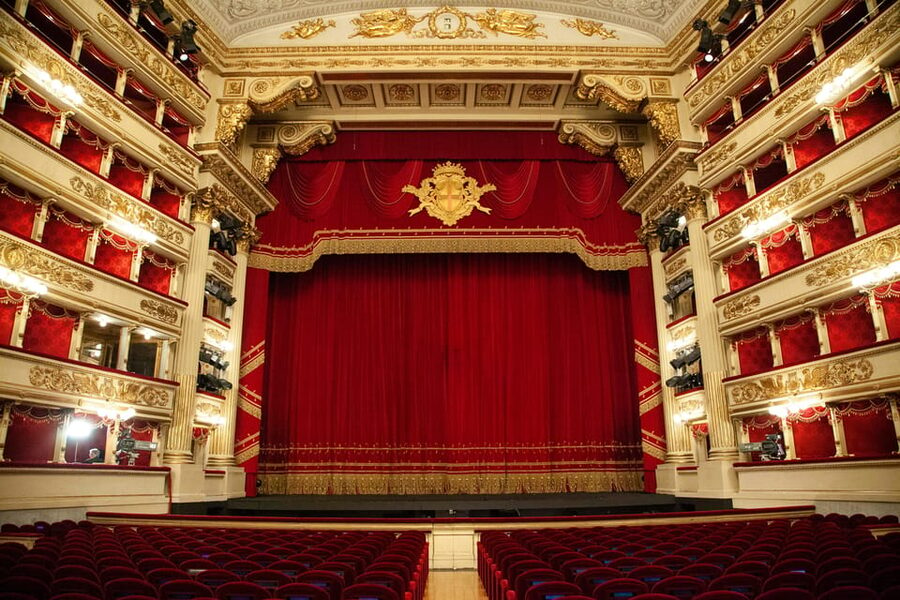
This is the part you will remember when someone asks, so what did you actually see?
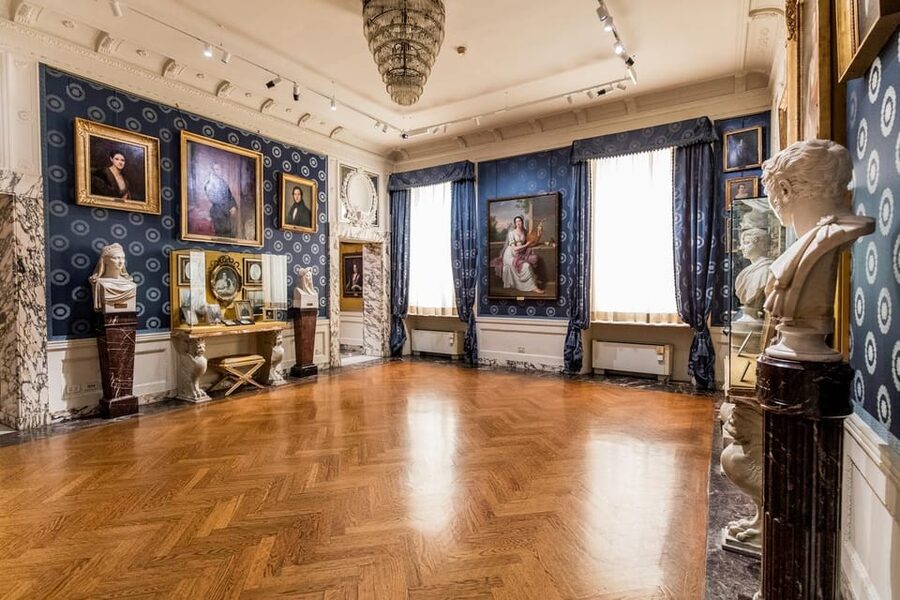
The museum focuses on the visual and material side of opera:
- costumes from notable productions,
- set designs that show how staging and atmosphere are built,
- musical instruments connected to performances,
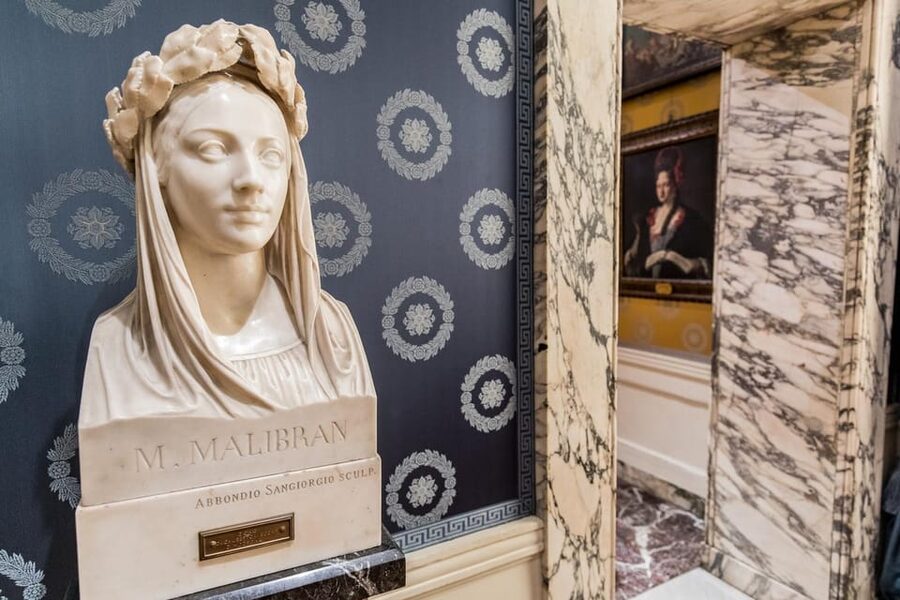
- and a gallery of portraits and busts of major figures.
That portrait and bust collection matters more than it sounds. You are not just learning names—you are seeing how La Scala became tied to musical legends, including major figures like Giuseppe Verdi, Gioachino Rossini, Luciano Pavarotti, and Maria Callas.
Another smart feature of the museum is that it explains the theatre’s early years and highlights memorable performances. So the objects on display do not feel random. They become chapters in a story of how La Scala grew into a landmark for serious music—and why it still matters.
Seeing La Scala’s auditorium: boxes, rehearsals, and visibility
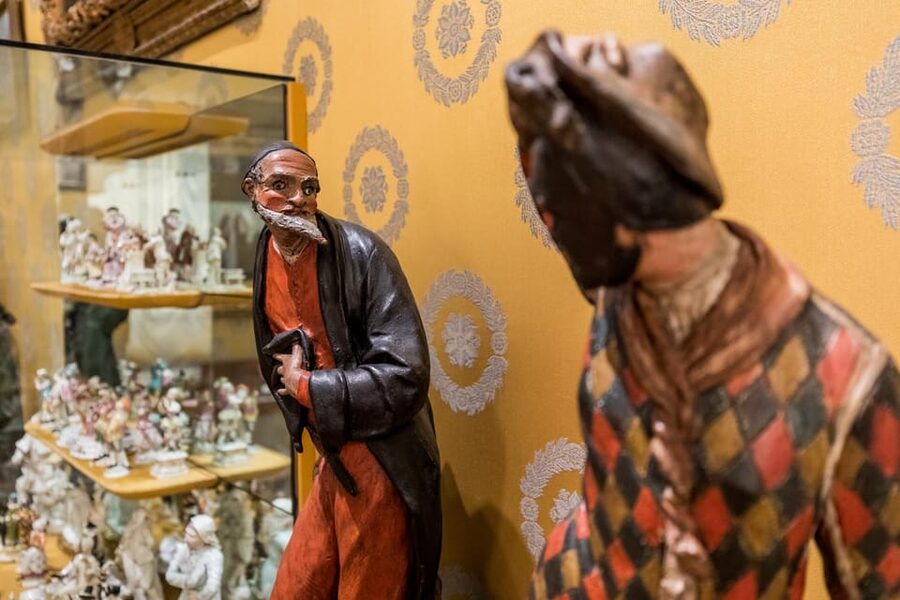
This ticket is especially good if you care about the “wow factor” of the opera house itself. The museum is designed so you can view the theatre interior, and some viewing points can be much better than others.
From what you can experience on the day, I’d aim for these two factors:
1) The theatre lights on
When the lights are right, you can see details in the auditorium more clearly. Use the museum’s visibility guide before you choose your time slot. It is a rare case where the building’s lighting schedule genuinely affects the quality of your visit.
2) Rehearsal days
Sometimes you may catch rehearsals happening. People have described being able to watch ballet rehearsals, and it can make the theatre feel alive rather than staged. The staff can be helpful and respectful when visitors are watching from the right areas.
One consideration: rehearsals can also limit where you can go inside the auditorium. If a rehearsal is in progress, you might not access the main area and may only view the theatre from higher seats. It is still worth it, but now you know what tradeoff to expect.
You can also read our reviews of more museum experiences in Milan
Price and value: when this ticket is a slam dunk
For about $17, the value depends on what you want most:
- If you want objects and storytelling, the museum galleries deliver. Costumes, sets, instruments, and performance posters/visual media are the kind of things that make a theatre museum worth paying for.
- If you want the auditorium view, the ticket is strongest when theatre visibility is good and you have a good vantage point (often from the boxes or viewpoints that give you a clear look).
So this is not just a “pass through and leave” ticket. It is a solid value if you spend real time in the exhibits and you care about the room itself. If your goal is purely to see an opera performance live, you should think of this as the cultural warm-up—not a replacement.
Also, the included audioguide helps you stretch your time. It turns the visit into more of a guided experience even if you are exploring independently.
Location advantage: Duomo area plus the Galleria in one day
La Scala and the theatre museum are just steps away from Milan Cathedral (Duomo) and near Vittorio Emanuele Gallery. This is a big deal for practical planning.
You can pair it with:
- a morning walk around the Duomo area,
- then a museum visit after lunch,
- then an evening stroll through the Galleria zone (depending on your energy and ticket time).
Because it is central, you are not losing hours in transit. That’s usually how you get the best value out of a Milan day: cluster famous sights, avoid zig-zagging across town.
Practical tips that make your visit smoother
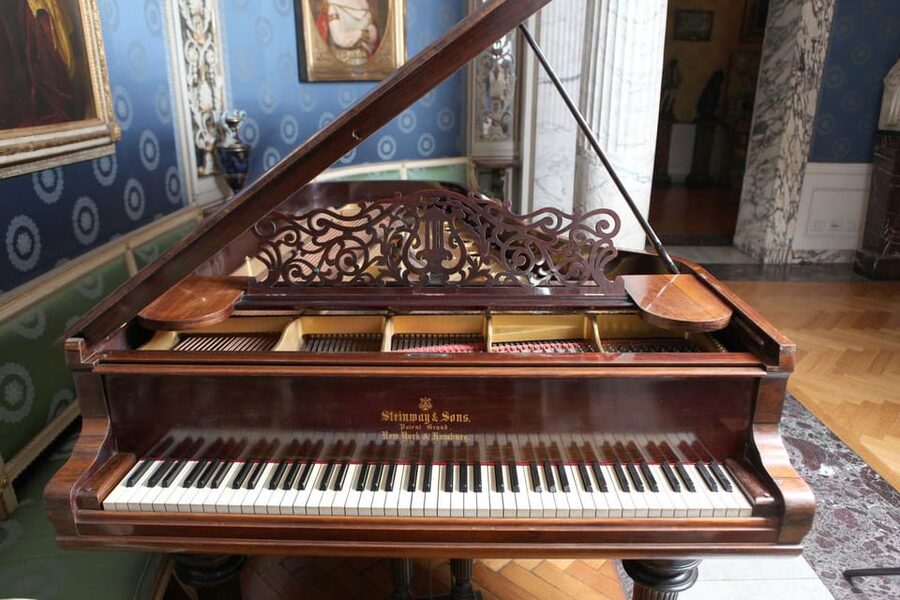
A few rules and habits matter here:
- No luggage or large bags are allowed. Large items must be checked into the cloakroom.
- The museum is wheelchair accessible, and there is wheelchair and stroller access mentioned.
- You will want to keep your schedule flexible because starting times are based on availability (ticket is valid for 1 day).
One small strategy: plan your theatre visibility check early. If the museum indicates better visibility for the theatre at certain times, let that guide your choice of slot. In a theatre museum, conditions matter.
And if you want the best context while you’re looking at exhibits, lean on the included app audioguide. It is hard to fully appreciate the meaning of costumes and sets without connecting them to the people and performances behind them.
Who this visit suits best (and who might want a different plan)
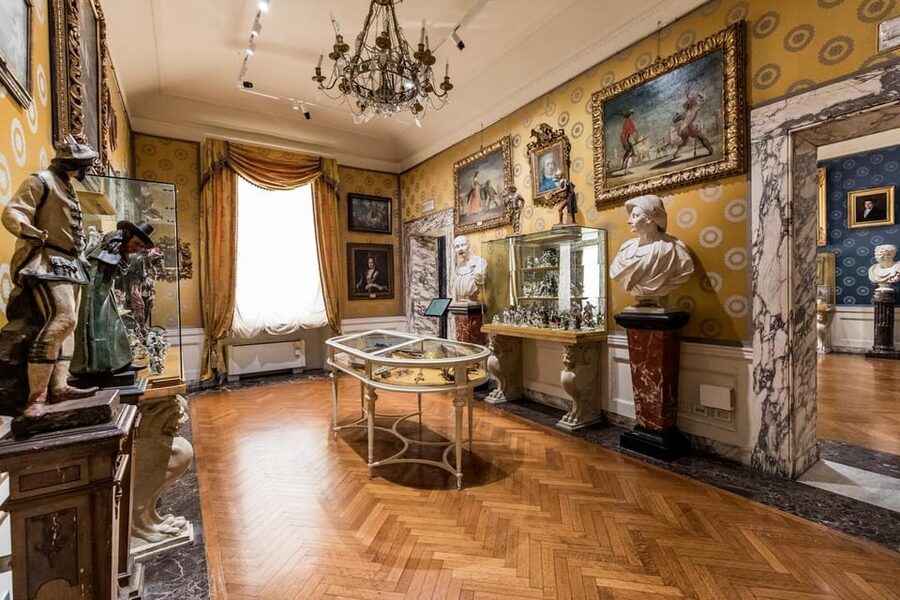
This ticket is ideal for:
- people who want a museum-with-a-theatre-view experience,
- opera and classical music fans who like seeing the behind-the-scenes side,
- anyone visiting Milan who wants a top cultural stop without waiting for a live performance.
It is a bit less ideal if:
- you only care about attending a full opera or ballet night (this is a museum visit),
- you get frustrated when access is limited due to rehearsals,
- you are traveling with big luggage and do not want to deal with cloakroom logistics.
One extra note from people’s experience: if you get a guided explanation and you hear the name Simona mentioned with praise, it is worth following the story she shares. Good narration can make an already-strong museum feel personal and specific.
Should you book this La Scala Theatre Museum ticket?
Yes, if you want an authentic cultural hit in the center of Milan. This ticket gives you real value in two ways: you see theatre history through museum artifacts, and you get an opportunity to look into the auditorium itself.
Book it if you can line up your visit with better visibility (check the theatre lighting guidance on the museum site) and you are okay with the possibility that rehearsals can affect which parts of the auditorium you can view.
If you are short on time, this is still a smart move because it is nearby the Duomo and the Galleria. If you are flexible with your slot and you care about the building as much as the exhibits, it is a high-return ticket for Milan.
FAQ
How long is the ticket valid?
The ticket is valid for 1 day. Starting times depend on availability.
Is an audioguide included?
Yes. Your admission includes an app audioguide available in 7 languages, downloadable at the museum.
Can I skip the ticket line?
Skip the ticket line is included with this ticket. If the entry route is not clear at the door, ask staff right where you arrive.
Is the museum wheelchair accessible?
Yes. The theatre and museum are wheelchair accessible, and access is also mentioned for strollers.
Are large bags allowed inside?
No. Luggage or large bags are not allowed in the visit area, and large backpacks must be checked into the cloakroom.
Will I always be able to see the main auditorium area?
Not necessarily. If there is a rehearsal, access can be limited and you may only see parts of the theatre from higher seating.
When should I go for better theatre visibility?
Check whether the theatre lights are on using the museum’s visibility guidance: https://www.museoscala.org/it/visibilita-teatro.html
Can I cancel, and what is the deadline?
Yes. You can cancel up to 24 hours in advance for a full refund.