REVIEW · VERMEER CENTRUM DELFT
Delft: Vermeer Centrum Delft Museum Entry Ticket
Book on GetYourGuide →Operated by Vermeer Centrum Delft · Bookable on GetYourGuide
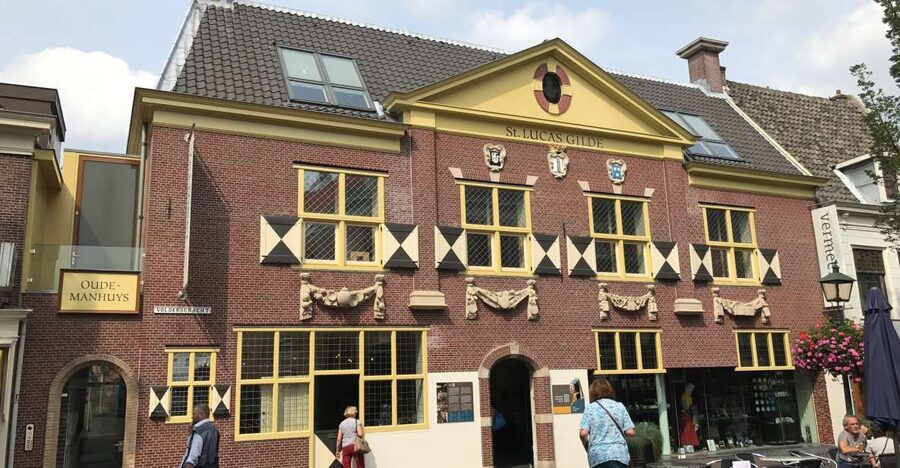
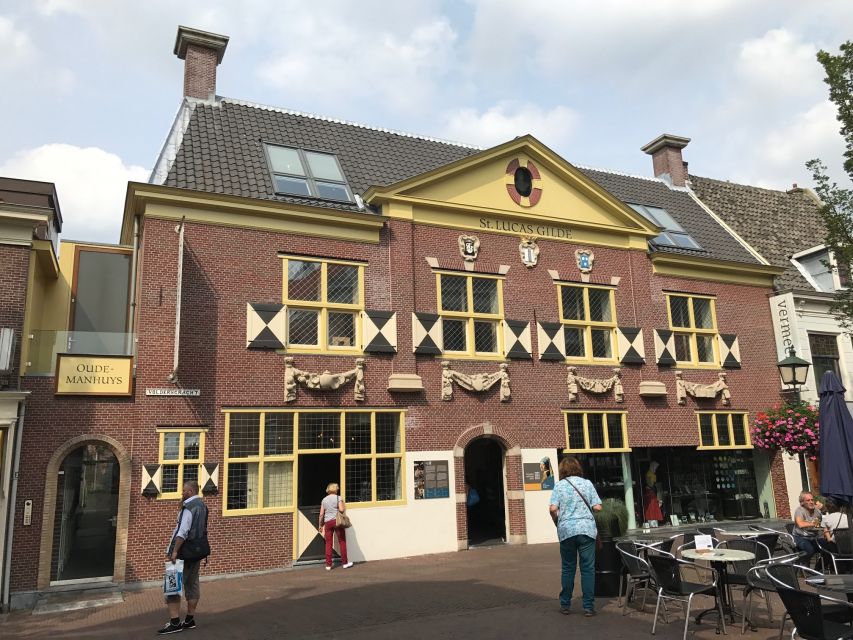
Vermeer comes to life in Delft. At the Vermeer Centrum Delft, you’ll see full-size reproductions of Johannes Vermeer’s paintings and learn how he painted, in a former Guild of St. Luke building with 17th-century tools at the center of the experience.
I like that the visit mixes art history with hands-on looking. You get an English audioguide (plus many other languages) and you’ll use a camera obscura-style setup that helps you understand color and perspective instead of just reading about them.
One thing to plan for: the museum has rules against food and drinks and also doesn’t allow large bags/luggage, so keep your bag small and eat before you go.
In This Review
- Key Highlights You’ll Actually Remember
- A Former Guild Hall Built for Seeing Vermeer Clearly
- Ticket Value: One Hour, 37 Reproductions, and Optical Experiments
- Welcome in Delft: Volunteer Intro and the Basement Film
- Basement to First Floor: 17th-Century Lenses, Goggle Boxes, and Color
- The Working-Method Room and the Camera Obscura Step-In
- Learning Vermeer Through Full-Size Painting Reproductions
- Love Messages From Vermeer: Symbolism on the Second Floor
- Ticket Rules That Affect Your Comfort (and What to Do)
- Should You Book the Vermeer Centrum Delft Ticket?
- FAQ
- How long does the Vermeer Centrum Delft visit take?
- Is an audioguide included, and what languages are available?
- What can I see during the visit?
- Do they have an interactive component?
- Are food, drinks, or large bags allowed?
- Is the museum wheelchair accessible?
Key Highlights You’ll Actually Remember
- Full-size painting reproductions so you can study details comfortably
- A working-method focus that explains how Vermeer painted, not just what he painted
- Camera obscura and perspective experiments with lenses and goggle-style devices
- 37 Vermeer reproductions paired with context about Delft and family life
- Love Messages from Vermeer on the second floor, focused on symbolism in painting details
- About a 1-hour visit that fits neatly between other Delft plans
A Former Guild Hall Built for Seeing Vermeer Clearly
This is a small museum, but it has a smart setup. You start in a building with a history of craft and guild life, then the exhibits switch gears into something more playful: you’re meant to look, test, compare, and connect. That matters because Vermeer’s paintings are all about light, calm control, and careful detail—if you just pass through, you miss the point.
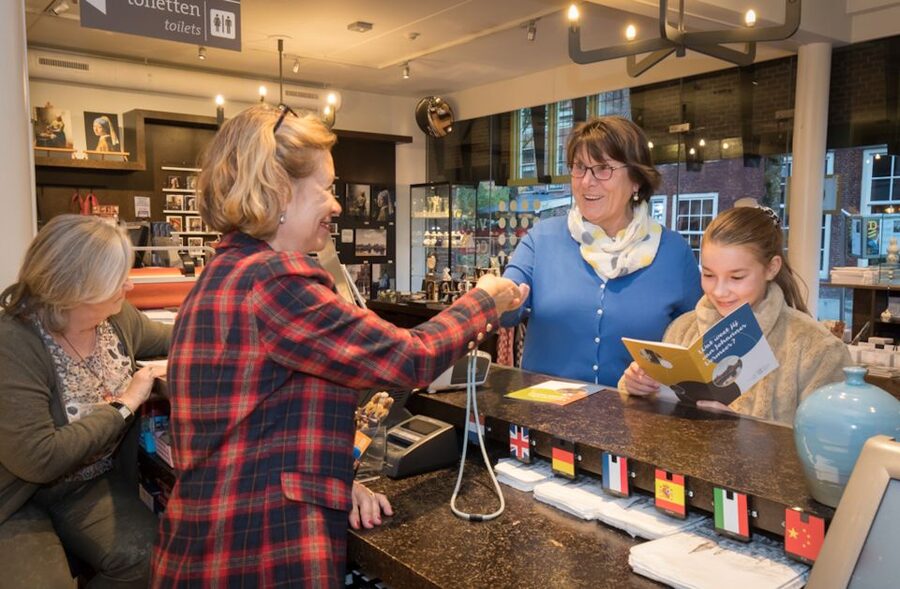
I especially like the museum’s tone: it feels friendly and human. When you arrive, you’ll get a volunteer welcome, and that kind of first-minute guidance helps you jump into the visit without confusion.
If you’re the kind of person who loves art but gets impatient with long lectures, this place hits a good balance. The exhibits do the teaching for you through design and interaction.
Ticket Value: One Hour, 37 Reproductions, and Optical Experiments
At about $14 per person, you’re buying a very focused experience rather than a day-long museum marathon. The total visit time is around 1 hour, which is ideal when you want something meaningful without eating your whole afternoon.
Here’s why I think it’s good value: you’re not only seeing paintings. You’re also getting the museum’s explanation of how Vermeer’s methods worked and how certain visual effects are created. The optics-style activities (lenses, goggle boxes, and camera obscura play) give you a practical sense of why his images look the way they do.
This ticket also includes the audio experience in multiple languages, so you’re not stuck guessing what you’re looking at.
Welcome in Delft: Volunteer Intro and the Basement Film
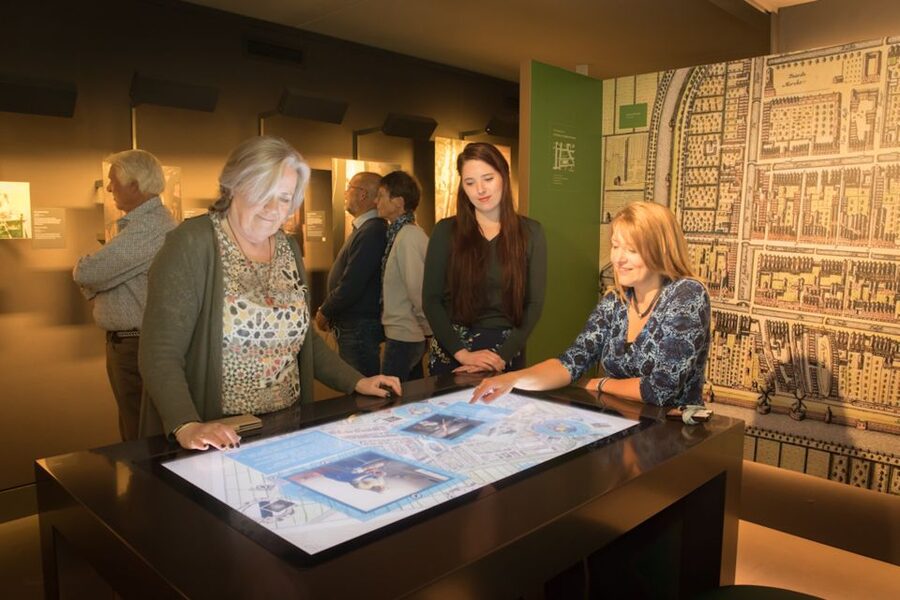
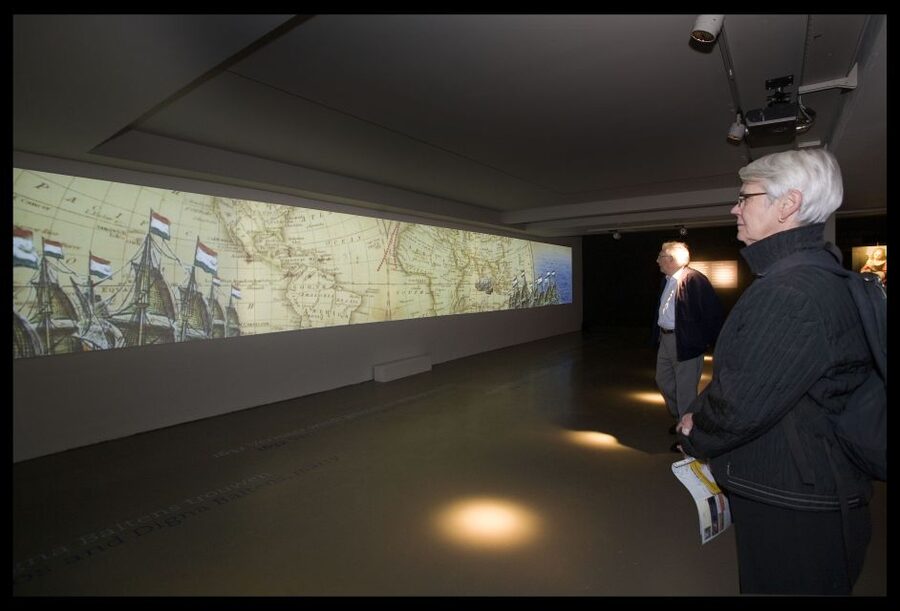
Your visit starts with a simple but effective flow. After you arrive at Vermeer Centrum Delft, talk to a volunteer so you know where to begin. Then you’ll take things downstairs for a short film that sets the scene—Vermeer and Delft in the 1600s.
That basement film is a useful warm-up because it frames the museum’s main idea: Vermeer wasn’t painting in a vacuum. He was working in Delft, with a life that’s tied to the place and the people around him. Once that context clicks, the reproductions and techniques on the floors feel less random.
A plus here, based on what people consistently praise, is the friendly welcome and the sense that staff are happy to help you understand what you’re seeing.
Basement to First Floor: 17th-Century Lenses, Goggle Boxes, and Color
One of the most fun parts is the museum’s attention to visual mechanics. The experience includes interactive elements described as 17th-century lenses and goggle boxes, plus the camera obscura concept.
You can think of this as training your eyes before you study the paintings. Instead of staring at art and trying to guess the trick, you get to experience how light and viewpoint can change what you see. That’s especially relevant with Vermeer, whose work is famous for quiet realism and subtle shifts in tone.
The museum doesn’t just say his paintings are “detailed.” It gives you an opportunity to understand why detail happens—through perspective, controlled light, and the way a scene gets translated into paint.
The Working-Method Room and the Camera Obscura Step-In
The first floor is dedicated to Vermeer’s working method, and it’s where the museum’s hands-on design really pays off. You’ll use a camera obscura setup to play with colors and perspectives, and there’s even an element where you can literally step into a Vermeer painting.
That kind of experience does two things at once:
- It turns a concept into a memory.
- It makes Vermeer’s realism feel like a process, not magic.
In practical terms, it’s also helpful for people who don’t know much about art technique. If you’ve ever stared at a painting and wondered how someone could create that kind of atmosphere, this floor gives you a path to understanding—even if you never become an expert on optics.
And yes, it’s also just fun. It’s hard to keep your brain off when you’re actively changing perspective and seeing effects right in front of you.
Learning Vermeer Through Full-Size Painting Reproductions
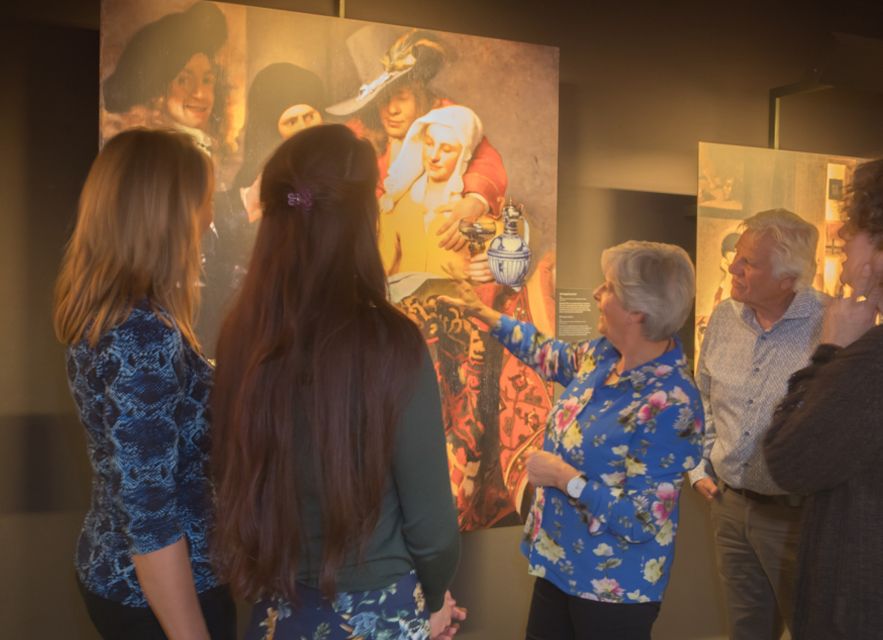
After the interactive sections, you move into the core viewing area: a large set of 37 painting reproductions. This is the museum’s main promise—full-size productions so you can actually study scale and detail.
I like this arrangement because it helps you stop treating Vermeer like a distant master. When the paintings are big enough to read visually, you start noticing patterns: recurring themes, repeated compositional choices, and how light behaves across scenes.
Along the way, the museum connects the artwork to Vermeer’s life and the city he lived in. That connection matters. When you know he worked in Delft and you get a sense of his family life, the paintings feel less like isolated masterpieces and more like work from a specific place and time.
Also, don’t rush. The point isn’t to “finish” the museum; it’s to give yourself time to compare paintings side by side, especially once you’ve already warmed up your eyes downstairs.
Love Messages From Vermeer: Symbolism on the Second Floor
The second floor is where the museum adds a different kind of detective work. You’ll find the special exhibition Love Messages from Vermeer, focused on hidden symbolism in the paintings—specifically the meaning of certain objects and details.
This exhibit is built for people who enjoy reading art like a puzzle. You’re not only looking for beauty; you’re looking for clues. And because the museum is organized around identifiable details, it’s easier to connect a symbol to a theme than it would be in a traditional gallery setting.
One smart benefit: this kind of exhibition doesn’t require you to already know the story behind every painting. The show is structured to guide your interpretation using the objects and visual cues that the museum highlights.
If you love that feeling of putting meaning to what you see, this is the floor you’ll probably talk about afterward.
Ticket Rules That Affect Your Comfort (and What to Do)
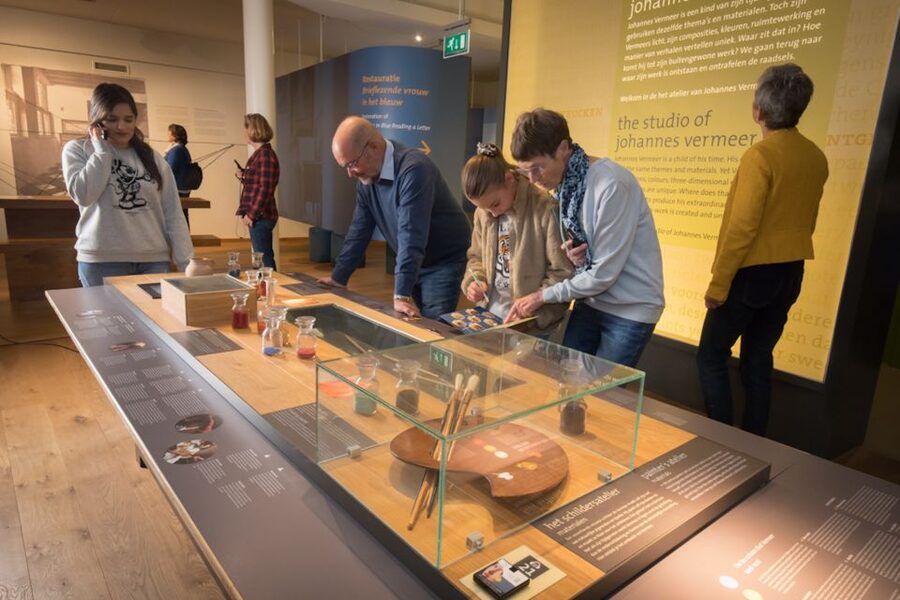
Small museums usually have a few restrictions, and this one is clear about what you can’t bring. Food and drinks aren’t allowed, and luggage or large bags aren’t permitted.
That matters for two reasons:
- You’ll want to plan an easy bite before or after, not during.
- You’ll want to travel light so you’re not stressed about storage once you arrive.
The good news is that the museum is set up for a smooth, short visit, and the total time is about 1 hour. If you arrive with a compact bag and no snacks, you’ll spend your energy on the paintings and the interactive optics.
Also, the audioguide covers a wide range of languages, including Dutch, English, German, French, Spanish, Italian, Japanese, and Chinese. That means you can pick the language that helps you understand the techniques and themes clearly.
Finally, the museum is wheelchair accessible, so the layout is designed to be approachable for visitors with mobility needs.
Should You Book the Vermeer Centrum Delft Ticket?
I’d book this ticket if you want a Vermeer experience that’s more than standing quietly in front of paintings. The mix of full-size reproductions, a working-method focus, and hands-on optics like camera obscura makes it ideal for people who learn best by seeing, testing, and comparing.
Skip it only if you’re looking for a giant, hours-long art museum. This place is intentionally short—around 1 hour—so it works best as a focused stop in Delft, not as your entire day’s cultural plan.
One last tip: plan your visit when you can slow down for the reproductions. The museum is most satisfying when you let the details catch up with you—especially after you’ve already played with perspective and light.
FAQ
How long does the Vermeer Centrum Delft visit take?
The museum visit takes about 1 hour.
Is an audioguide included, and what languages are available?
Yes. An English audio guide is included, and the audioguide is available in Dutch, English, German, French, Spanish, Italian, Japanese, and Chinese.
What can I see during the visit?
You’ll see a short film in the basement, then 37 Vermeer painting reproductions. The first floor focuses on Vermeer’s working method, including a camera obscura-style experience, and the second floor includes the special exhibition Love messages from Vermeer.
Do they have an interactive component?
Yes. The museum includes interactive activities such as 17th-century lenses, goggle boxes, and camera obscura activities that help you explore colors and perspectives.
Are food, drinks, or large bags allowed?
No. Food and drinks are not allowed, and you can’t bring luggage or large bags.
Is the museum wheelchair accessible?
Yes, the museum is wheelchair accessible.