REVIEW · MILAN
Milan: Entrance Ticket to La Scala Theatre Museum
Book on GetYourGuide →Operated by GetYourGuide Tours & Tickets GmbH · Bookable on GetYourGuide
Opera history sits in your lap here. With this ticket, you get inside La Scala and take in theatre interiors that feel impossibly ornate, even when there’s no performance that day. It’s a fast, satisfying Milan stop that turns famous music names into something you can actually see.
I also love how the museum ties the stories to real production gear. You’ll see costumes and set designs, plus musical instruments, with portraits and busts of major figures like Maria Callas and others tied to the house.
One thing to plan for: your best viewing can depend on whether theatre lights are on and whether a rehearsal is happening. If conditions aren’t ideal, you may get a more limited look than you hoped.
In This Review
- Key things to know before you go
- Why this La Scala Museum ticket fits a Milan day
- Getting there: Duomo vibes without the detour
- Inside La Scala: costumes, sets, instruments, and name-brand opera
- The theatre interior: what you’re really paying for
- Rehearsal day surprises: how live practice can change everything
- Audioguide in 7 languages: the easiest way to make the museum click
- Lighting and visibility: check before you schedule your visit
- How long it really takes (and how to time it)
- Price and value: is about $17 a good deal?
- Who should book this and who might want to rethink it
- Should you book? My quick decision guide
- FAQ
- Where is La Scala Theatre Museum located in Milan?
- How long does the visit take?
- What is included with the ticket?
- Do I need to pick a time slot?
- Is there an audioguide and what languages are available?
- How can I check whether the theatre is well lit?
- Is it wheelchair accessible?
- Is the ticket refundable?
Key things to know before you go
- Skip-the-line entry so you spend time inside, not in line
- Theatre rooms plus museum rooms, including costumes, set designs, and instruments
- Portraits and busts that connect the stage to the people who shaped it
- 7-language app audioguide you download at the museum for flexible pacing
- Rehearsals can add live-stage energy, but can also affect what you can enter or view
- Walkable location near the Duomo and Vittorio Emanuele II Gallery, easy to stitch into a day
Why this La Scala Museum ticket fits a Milan day
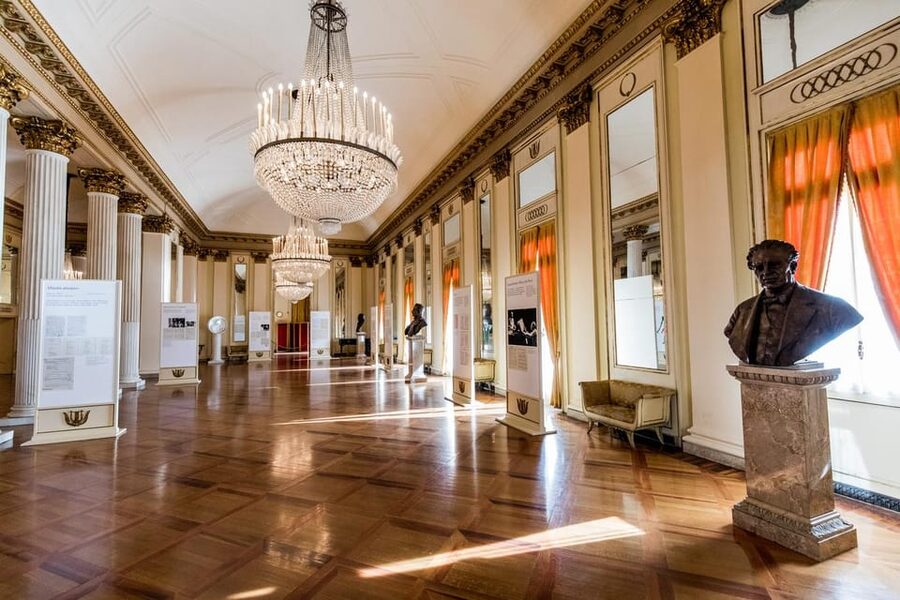
La Scala is one of those places where you don’t need to be an expert to feel the weight of the building. Even if you’re not planning to catch an opera or ballet performance, the museum and viewing areas give you the core experience: what the stage looks like, how performances were built, and who made the venue matter.
I like that this visit isn’t long and slow. You can do it as a focused stop between other sights, and still come away with clear understanding instead of just taking photos.
A few more Milan tours and experiences worth a look
Getting there: Duomo vibes without the detour
The museum is in central Milan, just steps away from the Cathedral and Vittorio Emanuele Gallery. That matters because you can plan it like a “walk-and-go” attraction rather than a time-consuming commute.
Practically, this also helps if you’re doing classic Milan routes on foot. You can pop in after Duomo, then continue through the Galleria right away.
Inside La Scala: costumes, sets, instruments, and name-brand opera
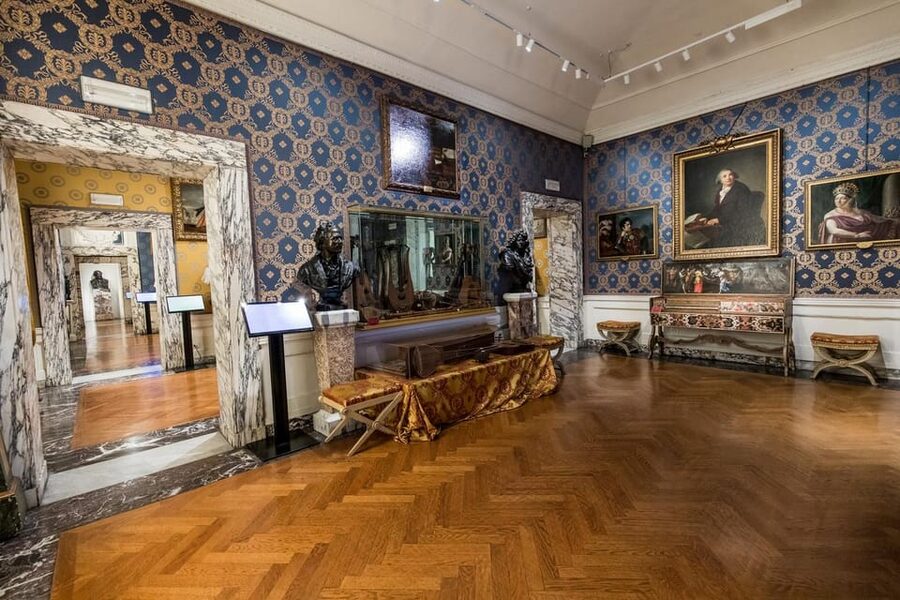
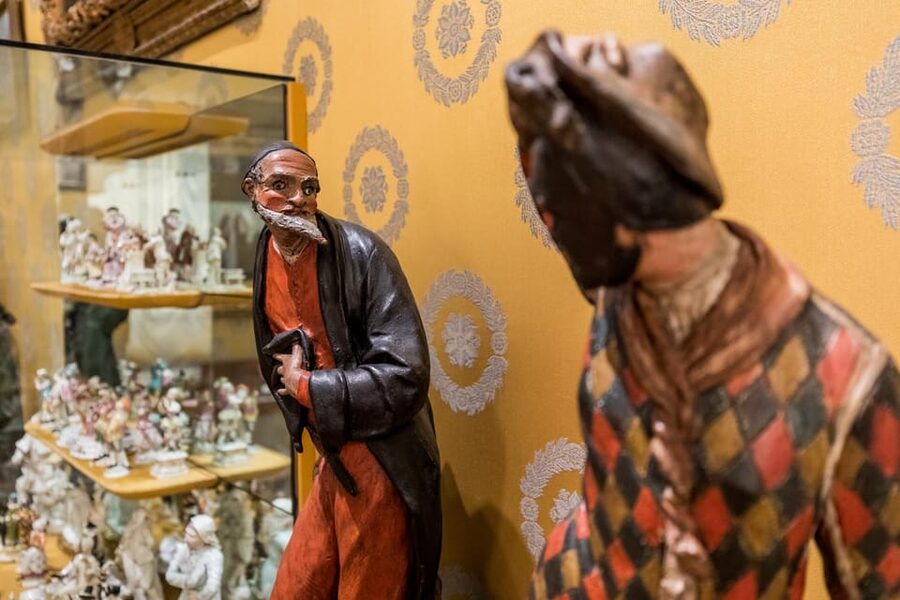
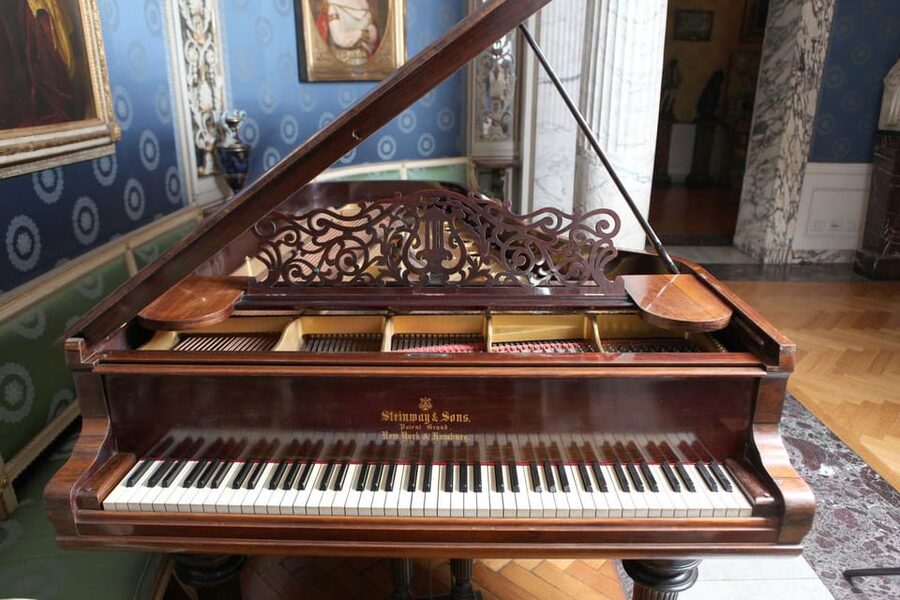
The museum side is where the ticket really earns its keep. You’ll move through rooms that focus on costumes, set designs, and musical instruments linked to notable productions, so it feels more like backstage learning than a standard display case.
I love that the exhibits don’t just say La Scala is important. They show what performers wore, what scenes were designed, and what musicians played, which makes the “this is famous” statement turn into something tangible.
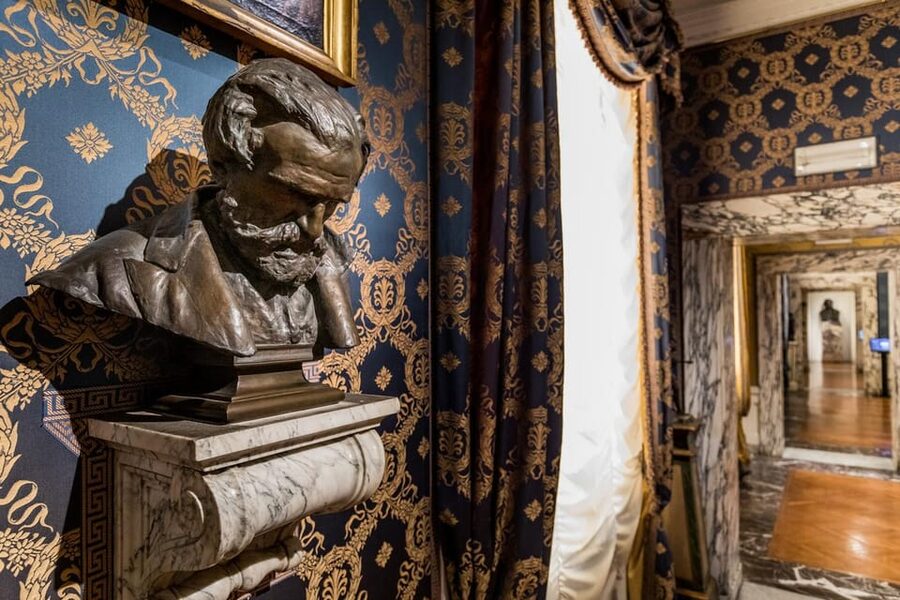
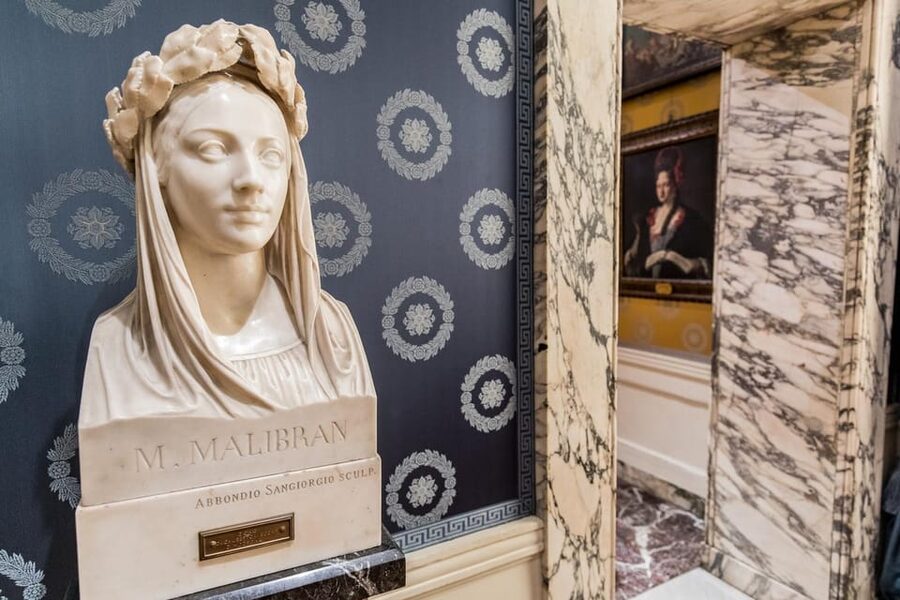
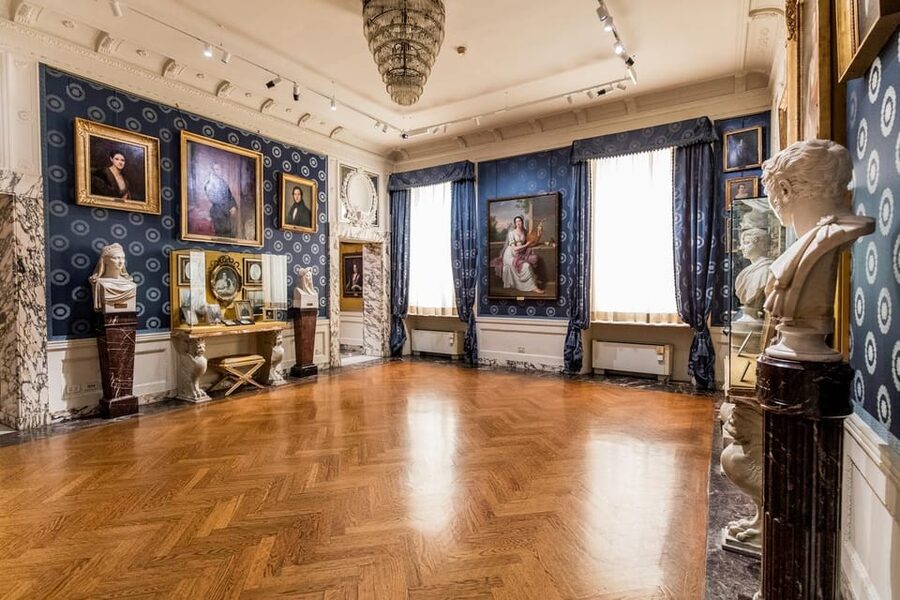
The museum also includes a gallery of portraits and busts representing major musicians tied to the house. That’s useful if you want your visit to feel like a guided story, because your brain can connect names to faces instead of treating them like trivia.
The theatre interior: what you’re really paying for
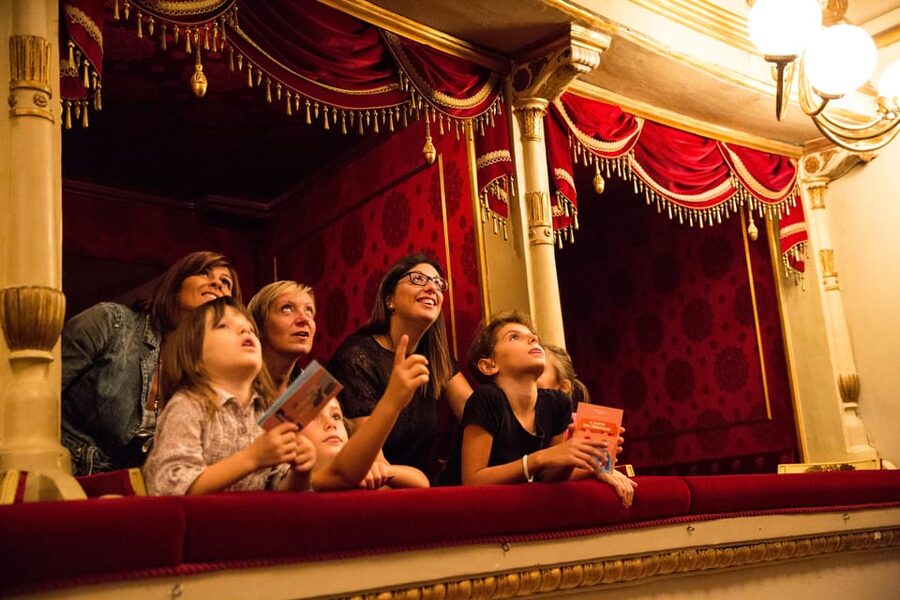
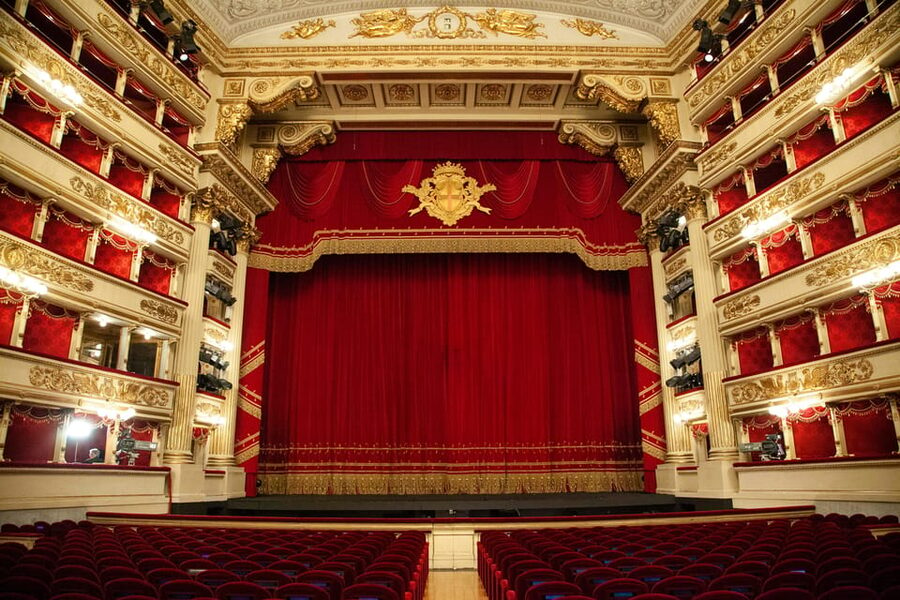
The big payoff is the chance to see La Scala’s interior spaces up close. The experience is designed so you start by admiring the elegant auditorium setting and theatre rooms, then shift into museum exhibits.
What to expect from a viewing standpoint: you’ll get access to areas where you can look out over the opera space. Some visits allow deeper access or more dramatic viewing moments, while others are more controlled depending on what’s happening during your timeslot.
Rehearsal day surprises: how live practice can change everything
A number of visits line up with rehearsals. When that happens, you may get a rare “real time” look at how the theatre is staged, sometimes even from private-box-style areas.
In recent cases, people reported seeing rehearsals by high-profile artists such as Daniel Barenboim, and others referenced rehearsals connected with productions like Rossini’s Cinderella. These aren’t guaranteed, but the possibility is real enough that it can turn an ordinary museum ticket into a more electric visit.
Two practical notes if you hit a rehearsal:
- The atmosphere can be darker, which affects visibility when you’re trying to see details clearly.
- Staff may limit photos and videos while rehearsal activity is happening, so follow their instructions on the day.
You can also read our reviews of more museum experiences in Milan

Audioguide in 7 languages: the easiest way to make the museum click
You get an app audioguide in 7 languages, downloadable at the museum. I like this format because it lets you move at your pace. You’re not stuck in a group schedule, and you can spend extra time where something grabs you.
If you’re not steeped in opera, use the audioguide to anchor key names. The museum structure already points you toward legendary performers tied to La Scala, including Giuseppe Verdi, Gioachino Rossini, Luciano Pavarotti, and Maria Callas—the audioguide helps those names land as part of the venue’s development rather than random headliners.
Lighting and visibility: check before you schedule your visit
Here’s a tip that can genuinely change your experience: the theatre lights may be on or off depending on the day and rehearsal schedule. The museum provides a visibility check page, so don’t wing it blindly.
Why you should care: when the auditorium isn’t fully lit, details in the space can look less crisp, and it’s harder to appreciate the interior design. One visitor described disappointment when lights went off unexpectedly, which is exactly the kind of risk you can reduce by checking ahead.
If you arrive and find lighting isn’t what you expected, be flexible. Ask staff what they recommend for best viewing at your time, because sometimes access or viewing angles change as rehearsals shift.
How long it really takes (and how to time it)
The official experience is listed as lasting up to a day, but the on-site museum visit is typically short. Many visitors describe it as more of a 30 to 60 minute experience, with the theatre viewing as the anchor.
That short length is a plus. It means you can do it even on a packed Milan itinerary, and you won’t feel like you’ve locked yourself into an all-day block.
If you’re choosing a timeslot, aim for the one that gives you breathing room afterward. The theatre viewing can be the moment that sticks in your memory, and you’ll want time to reset your plan without rushing to the next stop.
Price and value: is about $17 a good deal?
For around $17 per person (with a small booking fee included in the offering), you’re buying three things at once:
- Skip-the-line entry
- Access to the museum exhibits
- A 7-language audioguide to help you understand what you’re seeing
The value equation improves if you enjoy cultural objects—costumes, stage design, instruments, posters, and portraits—because that’s what the museum focuses on. If you’re only chasing the biggest theatre moment and you’re hoping for a full “all areas open” experience, your outcome may depend on rehearsals and lighting.
In plain terms: this is a smart buy if you want La Scala as a hands-on cultural stop, not just a quick exterior photo. It’s also a decent option when there’s no opera or ballet performance scheduled, because you still get inside the world of production.
Who should book this and who might want to rethink it
You’ll probably be very happy if:
- You love classical music, opera, and ballet and want context before/after attending a show.
- You enjoy museums that explain the craft—what performers wear, what sets look like, and how production pieces fit together.
- You like short, high-impact sights you can chain with Duomo and the Galleria.
You might want to adjust expectations if:
- You’re chasing a guaranteed, fully lit main auditorium view every time, no exceptions.
- You prefer long museum walks with lots of galleries. The museum is meaningful, but it’s not described as a huge multi-hour museum campus.
Should you book? My quick decision guide
If La Scala is on your Milan list, I think this ticket is worth booking. It’s priced reasonably for a major cultural landmark, and the combination of theatre viewing plus museum exhibits plus a 7-language audioguide gives you more than a simple peek.
Book it—especially if you’re pairing it with Duomo—just do two things first:
- Check the theatre visibility info so you’re not caught by unexpected lighting changes.
- Arrive ready for the possibility that rehearsals could shape access and what you can see most clearly.
FAQ
Where is La Scala Theatre Museum located in Milan?
It’s in central Milan and is described as being just steps away from the Cathedral and the Vittorio Emanuele Gallery, which makes it easy to pair with other nearby sights.
How long does the visit take?
The activity is valid for 1 day, and visits are typically described as fairly short on-site experiences that focus on the museum rooms and theatre viewing areas.
What is included with the ticket?
Your ticket includes entrance to the La Scala Theatre Museum, access to museum exhibits, and an app audioguide in 7 languages that you can download at the museum. A booking fee is also included.
Do I need to pick a time slot?
Yes. The ticket is valid for 1 day, and you should check availability to see starting times.
Is there an audioguide and what languages are available?
Yes. The visit includes an app audioguide available in 7 languages, downloadable at the museum.
How can I check whether the theatre is well lit?
The museum provides a visibility page you can check before you go to see whether the theatre lights are on for best viewing.
Is it wheelchair accessible?
Yes. The theatre and museum are accessible for wheelchairs and strollers.
Is the ticket refundable?
No. This activity is non-refundable.