REVIEW · PHILADELPHIA
Philadelphia: Museum of the American Revolution Entry
Book on GetYourGuide →Operated by Museum of the American Revolution · Bookable on GetYourGuide
History here has a pulse. The Museum of the American Revolution turns the American Revolution into a story of real people—before, during, and after the war—using hands-on displays and smart interpretation. I especially like how Washington’s War Tent is staged like a mini-event, not just another exhibit. One possible drawback: it’s not a quick walk-through. If you want to breeze in for 45 minutes, you’ll feel rushed.
You’re also in a great spot: the museum sits steps from Independence Hall, so your visit pairs naturally with the rest of Old City. The day usually starts with a short orientation film, then you move at your own pace through galleries, theater moments, and interactive digital features. It’s a lot of context in one place, which is exactly what helps Philadelphia click.
With a 2-day admission ticket, you can split the museum up across two consecutive days (in-and-out entry is included). If you like guidance, choose the optional audio guide wand in English, French, or Spanish. If you hate rules, do read the small print first—no selfie sticks, no flash, and no tripods.
In This Review
- Key Things You’ll Notice Right Away
- Museum of the American Revolution: What This Ticket Really Does
- The Independence Hall Neighbor Advantage: Start Here, Then Wander
- The 15-Minute Film Primer: Revolution Sets the Timeline
- Galleries Built Around Ordinary Life (Not Just Famous Names)
- Washington’s War Tent Feature: A Theater Moment You Shouldn’t Skip
- Weapons, Documents, and George Washington’s War Headquarters Tent
- How the Audio Guide Wand and Printed Booklets Help You Learn
- Pacing Your Two-Day Visit: A Smart Way to Avoid Museum Fatigue
- Admission Value: Why About $27 Can Make Sense
- Rules That Matter: No Flash, No Tripods, No Selfie Sticks
- What to Expect as You Walk Through
- Who Should Book This Two-Day Museum Ticket?
- Should You Book? My Take
- FAQ
- How long is this experience?
- What do I do first inside the museum?
- What films are included?
- Is an audio guide included?
- Are printed information booklets included?
- What languages are available for printed booklets?
- Is food included?
- Can I enter and exit over the two days?
- What is not allowed inside the museum?
- Is wheelchair access available?
Key Things You’ll Notice Right Away
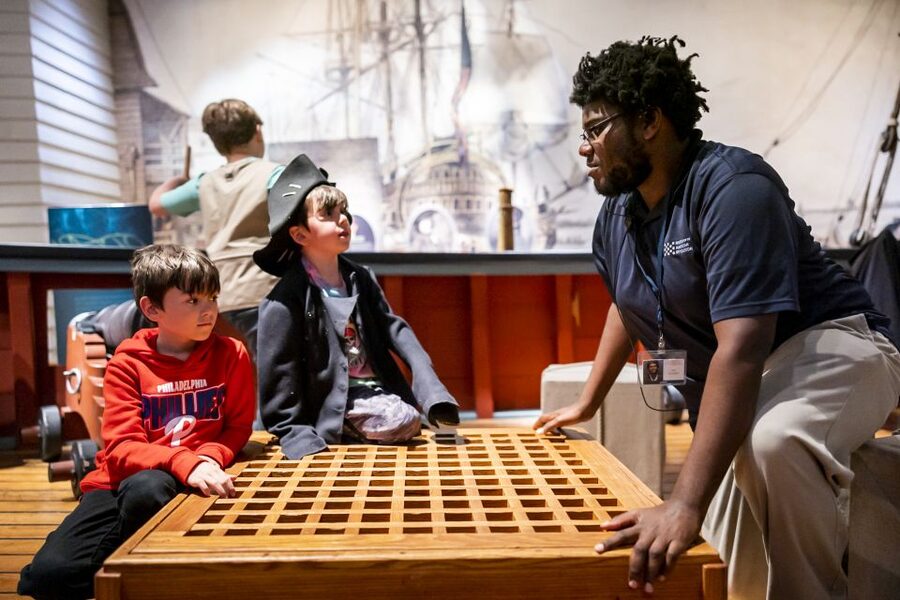
- Two-day admission, in-and-out across consecutive days so you can pace yourself instead of cramming
- 15-minute orientation film, Revolution to get the timeline and themes straight
- 12-minute feature film, Washington’s War Tent that many visitors treat as a highlight
- Everyday-life artifacts like local currency, household items, and personal objects
- Audio guide wand + multilingual printed booklets to match your preferred learning style
Museum of the American Revolution: What This Ticket Really Does
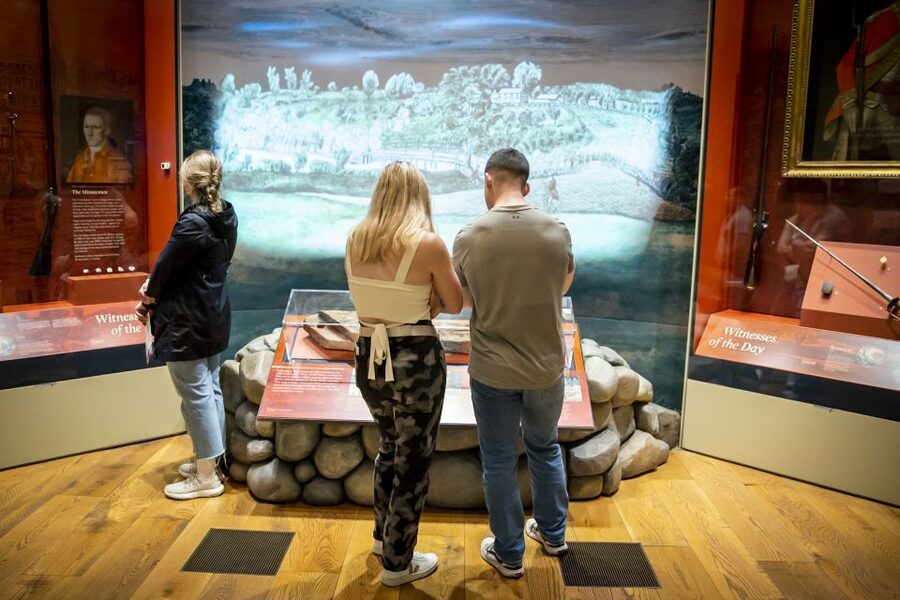
This isn’t a “look at a few paintings and move on” type of museum. Your ticket is built around a full visit: start with a short orientation film, then head through galleries designed to connect events to ordinary life. You’ll see Revolutionary-era weapons, documents, works of art, and everyday household items that help you picture what people actually faced.
A useful detail: you don’t have to do everything in one day. The ticket covers 2 consecutive days with in-and-out entry privileges, so you can return for a second pass. That matters because the museum can take longer than you expect if you pause to read, watch, and try the interactive elements.
Also, the museum is near major sites. If you’re already planning to visit Independence Hall, this ticket is a practical way to add context. It helps the story feel less like memorized dates and more like choices, risks, and pressure on real communities.
You can also read our reviews of more museum experiences in Philadelphia


The Independence Hall Neighbor Advantage: Start Here, Then Wander
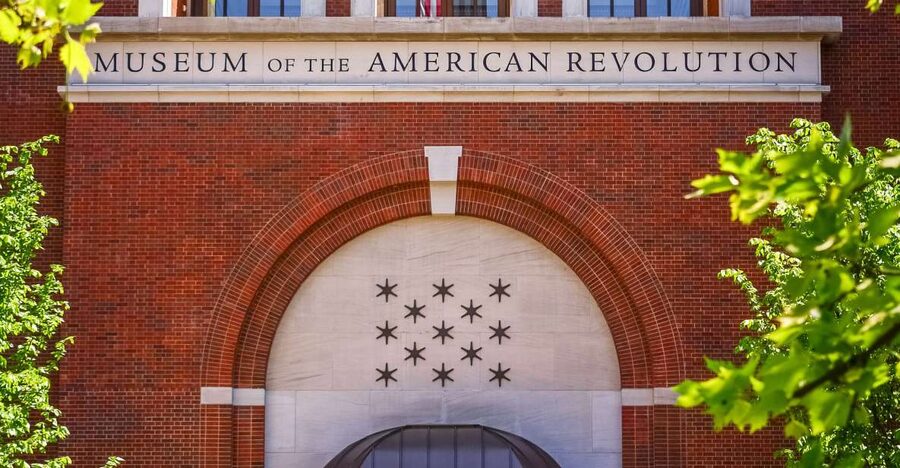
Being steps from Independence Hall changes the feel of your day. You can treat the museum like the “context stop” and then walk your legs into the most famous Revolutionary landmark area right after. That rhythm makes it easier to remember what you just learned, because you’re not traveling far to connect ideas.
Start at the Museum of the American Revolution (that’s your meeting point). Once you’re inside, you’ll watch the 15-minute orientation film before you roam. It’s the kind of setup that prevents you from feeling lost in a big building full of objects.
I also like the simple planning angle: if you’re doing Old City, you can build a loop. Do the museum, then use the streets outside to reset. No need to map complicated transport just to get the most out of your time.
The 15-Minute Film Primer: Revolution Sets the Timeline
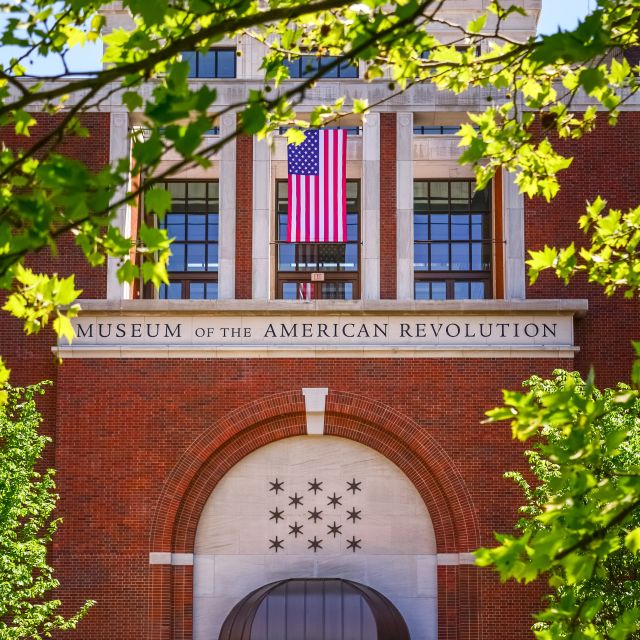
Your included intro movie is a 15-minute orientation film called Revolution. It’s short enough that you won’t resent it, but it does the important job: it gives you a framework for what you’re about to see. You’ll get the big picture of the Revolution and the ideals behind it, which makes the galleries more meaningful.
This is the part I recommend you take seriously. Many museums throw you into exhibitions with zero orientation. Here, the film helps you connect themes—who had power, who had to live with the consequences, and how the war shaped daily life.
If you’re the type who hates sitting still, don’t worry. It’s only 15 minutes, and it starts you moving with purpose.
Galleries Built Around Ordinary Life (Not Just Famous Names)
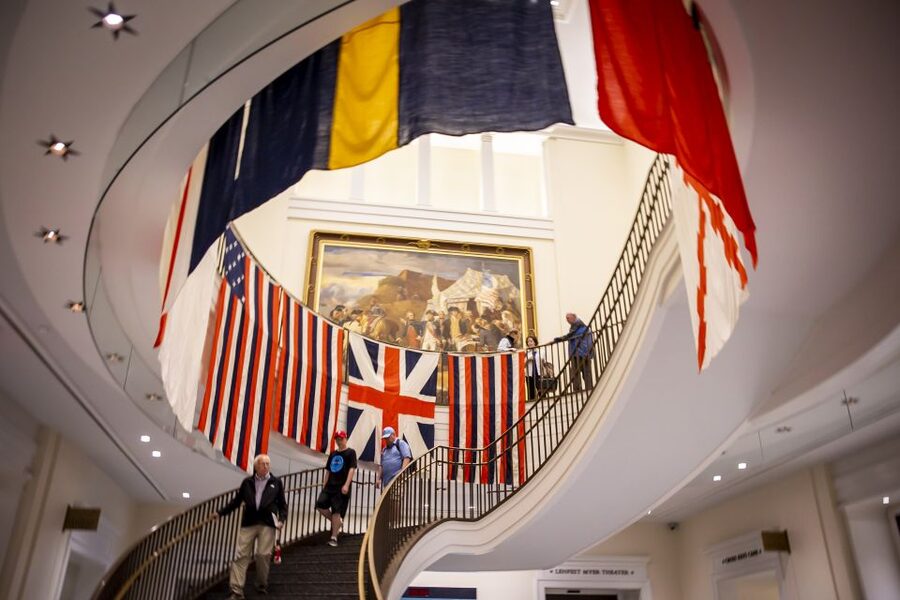
One of the museum’s strongest ideas is focus. Yes, you’ll encounter major figures and famous moments, but the exhibits keep pulling you back to how ordinary people lived. You’ll see an in-depth examination of life before, during, and after the American Revolution—so you understand the war as a lived disruption, not just a battles-and-banners story.
Look for objects that feel too specific to be just “prop history.” The museum highlights things like local currency, household items, personal belongings, and Revolutionary-era weapons. Those details help you build a picture of what people had access to, what they traded, and what daily routines became impossible.
This is also where the museum’s interactive digital elements do their best work. Instead of reading one flat panel after another, some displays let you respond to the material—helping you move from passive viewing to actual understanding. That’s what makes the museum feel clearer, not just bigger.
Washington’s War Tent Feature: A Theater Moment You Shouldn’t Skip
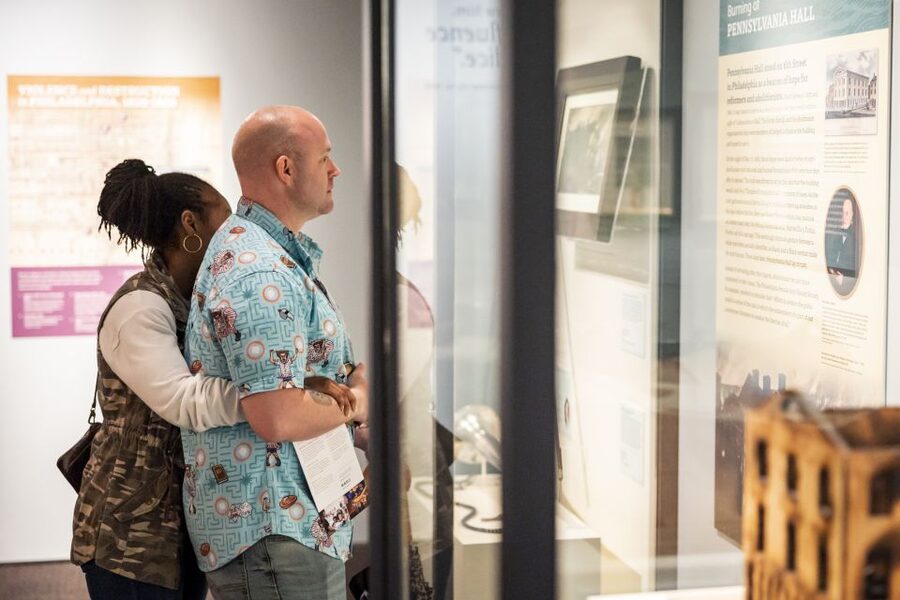
The included feature film is 12 minutes long and called Washington’s War Tent. It’s one of those experiences where timing and attention matter. Don’t treat it like optional background footage.
Many people love it because the staging makes the Revolutionary story feel immediate. It’s practical theater: you get context, then you see how that story ties back to physical artifacts and documents in the galleries.
A fair caution: the tent reveal can feel a bit dramatic, even overdone, depending on your taste. If you prefer strictly low-key, museum-only experiences, you might find the presentation more theatrical than subtle. Still, it’s the sort of moment that helps the whole museum “click,” so I’d treat it as a must-do.
Weapons, Documents, and George Washington’s War Headquarters Tent

This museum doesn’t rely only on stories. It backs them up with objects you can point to: Revolutionary-era weapons, personal items, documents, and works of art. The goal is to show you how material culture carried the Revolution forward—through propaganda, money, supplies, and survival.
One standout item mentioned is George Washington’s war headquarters tent. Even if you don’t study history formally, it’s an arresting physical reminder that leadership and logistics are part of every revolution. You’re not just learning about strategy in the abstract—you’re learning what it took to operate.
When you see the tent, take a minute to look around at what’s nearby in the exhibit. The museum is designed so objects act like anchors. They make the narrative easier to follow, especially if you’re visiting for the first time.
How the Audio Guide Wand and Printed Booklets Help You Learn

You have two built-in options for learning support. If you pick the audio option, you’ll get an audio guide wand in English, and it may be available in French and Spanish based on what you select. It’s great if you want explanations while you move, not just when you stop.
Even without the audio, the museum provides printed booklets. The museum lists printed information booklets available in English, Spanish, Mandarin, French, German, Japanese, and Vietnamese (and also notes English as the guide language for the host/greeter).
Here’s how I suggest using all this without getting overwhelmed:
- Choose audio for the big thematic areas, and use printed booklets for objects that catch your eye.
- Don’t try to read everything. Pick your focus. The museum rewards curiosity, not endurance.
The language options are a real quality-of-life feature. If you’re traveling with someone who reads a specific language, this can make the visit feel smoother instead of split into translation moments.
Pacing Your Two-Day Visit: A Smart Way to Avoid Museum Fatigue
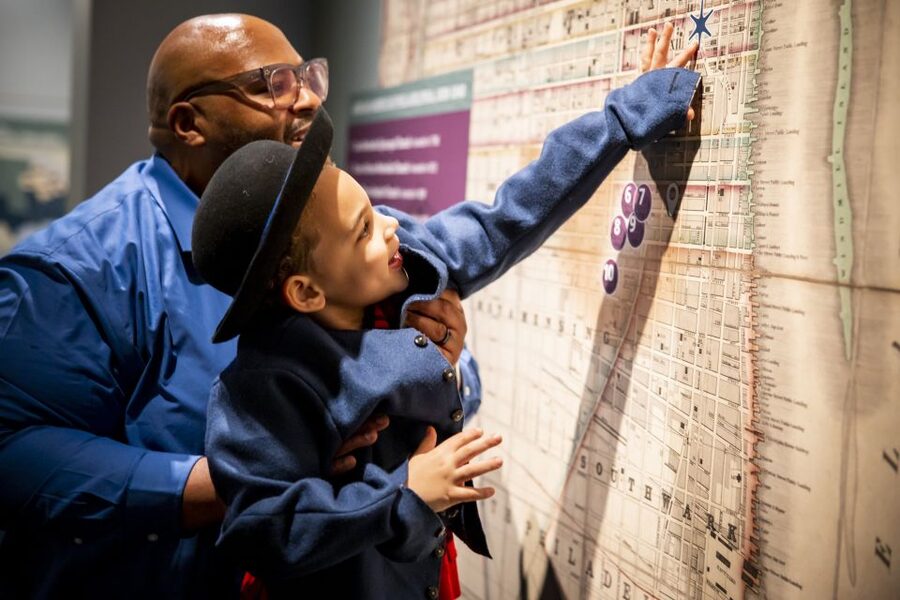
You’re paying for two consecutive days, so use them. On day one, I’d aim to get the timeline and big themes right: watch the Revolution film, then walk through the main galleries that explain how the war affected normal people. If there’s a theater moment you can’t miss, schedule Washington’s War Tent feature so you’re not exhausted before it.
On day two, slow down. Return to interactive digital displays you liked, and re-check objects that you want to understand better—especially if something sparked a question on day one. A second day also gives you breathing room if you run into long lines or just hit that “I need a snack and a seat” moment.
One practical note from the experience vibe: plan on at least a few hours. This museum has a lot to read and do, and a shorter visit can turn into a rushed skim.
Admission Value: Why About $27 Can Make Sense
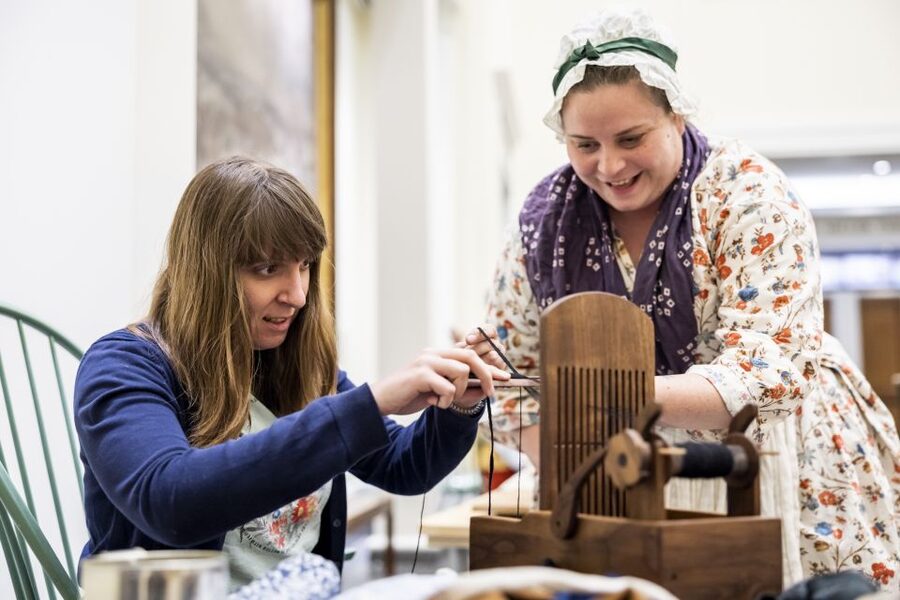
Yes, the ticket is listed at $27 per person. The key value is the time you buy: 2 consecutive days with in-and-out entry means you can spread the content out instead of trying to do it all in a single exhausting afternoon.
This is the kind of admission that pays off if you:
- like context, not just highlights
- want to compare what life looked like before, during, and after the war
- enjoy reading and looking closely at artifacts
If you only want a quick hit—one film, a few rooms, and out—then the price might feel steep. But if you’re the type who wants to understand the American Revolution as a system of pressures on everyday people, you’ll likely feel you got your money’s worth.
Also, the museum includes films and printed material. Those don’t always come bundled in other history venues.
Rules That Matter: No Flash, No Tripods, No Selfie Sticks
Small rules can ruin your mood if you learn them mid-visit, so here’s what to keep in mind. Flash photography is prohibited. Tripods (and you’ll also want to avoid other rig setups like selfie-stick style arms) aren’t allowed. The museum also lists selfie sticks as not permitted.
If you plan to take photos, use your phone normally without flash. If you’re filming, assume the rules are strict for bulky equipment.
These restrictions aren’t just fussiness. They help keep the museum experience comfortable for everyone, and they reduce distractions in areas where exhibits rely on lighting and theater effects.
What to Expect as You Walk Through
Your visit follows a simple flow: start at the museum, watch the orientation film, then move through exhibitions on your own. You’ll encounter theater-style moments and interactive components, plus a strong collection of Revolutionary-era objects.
What makes the visit feel satisfying is how the museum connects sections. It doesn’t treat the Revolution as one long monologue. It repeatedly brings you back to people, choices, and consequences—especially through ordinary-life details.
And yes, it can be emotional. The style of storytelling and the focus on ideals and costs can land harder than you expect, particularly if you read slowly and take breaks.
Who Should Book This Two-Day Museum Ticket?
Book this if you want:
- a history visit that explains why things happened, not only what happened
- lots of hands-on and interactive elements
- a museum that helps you place Independence Hall into a larger story
You’ll also enjoy it if you like objects: currency, household items, weapons, and documents that make the Revolution feel tangible.
It might be less ideal if you want a very light, casual visit with minimal reading. And if you’re traveling with someone who hates film or short theater segments, you should know the two included features are part of the package.
Should You Book? My Take
I think this is worth it, especially if you’re staying in Philadelphia long enough to do more than one stop in Old City. The two-day, in-and-out setup is the biggest reason. It lets you learn without racing.
If you’re a first-time Revolution fan, you’ll get structure fast thanks to the orientation film. If you’re returning to the story, you’ll likely appreciate the object-based details and the way daily life gets equal attention to big names.
If you only have a few hours total, consider whether another nearby attraction might fit your schedule better. But if you can spare time, this ticket is one of the best ways to make Philadelphia’s Revolutionary sites add up.
FAQ
How long is this experience?
The ticket is valid for 2 consecutive days.
What do I do first inside the museum?
You start at the Museum of the American Revolution and watch an included 15-minute orientation film.
What films are included?
You get the 15-minute orientation film Revolution and a 12-minute feature film called Washington’s War Tent.
Is an audio guide included?
You get an audio guide wand if you select the option. It can be in English, Spanish, and French based on the selected option.
Are printed information booklets included?
Yes. Printed booklets are included.
What languages are available for printed booklets?
Printed booklets are listed as available in English, Spanish, Mandarin, French, German, Japanese, and Vietnamese.
Is food included?
No. Food and drinks are not included.
Can I enter and exit over the two days?
Yes. This ticket allows in-and-out entry privileges over two consecutive days.
What is not allowed inside the museum?
Selfie sticks, flash photography, and tripods are not allowed.
Is wheelchair access available?
Yes, the museum is wheelchair accessible.