REVIEW · LONDON
London: British Museum with Expert Guide.
Book on GetYourGuide →Operated by Strabo · Bookable on GetYourGuide
Big museum, smart shortcuts. This British Museum tour gives you a focused route through standout galleries, starting with the Rosetta Stone and moving into ancient Egypt, Greece, Assyria, and even the Lewis Chessmen. It’s built for real understanding, not museum wandering for the sake of it.
I especially like how the tour keeps things clear and paced. You’ll hit the most famous objects and get the story behind them, including life-after-death beliefs with the museum’s mummy and coffin displays. Another plus: the guide is certified and answers questions with confidence, including when you’ve got younger visitors in the group—Strabo is specifically noted for keeping it engaging and funny.
One consideration: it’s only 80 minutes, so you’re seeing highlights, not the whole museum. If you love slow looking and want to linger in one gallery for an hour, you’ll need extra time after the tour.
In This Review
- Key things to know before you go
- Starting at the British Museum: Montague Place Lions and a Clear First Move
- Rosetta Stone and Ancient Egypt: Hieroglyphs, Mummies, and Afterlife Beliefs
- Parthenon Sculptures (Elgin Marbles): Why Greek Myths Work in Stone
- Assyrian Lion Hunt Reliefs: Royal Power Carved Into Relief
- Lewis Chessmen: A Medieval Story Hiding in Scotland
- How the 80-Minute Format Works (and Where You Might Want to Stay Longer)
- Photography, Foot Traffic, and the Rules You’ll Actually Notice
- What You Get for $20.20: Value in Time, Direction, and Context
- Who This Tour Fits Best (Families, First-Timers, and History Fans)
- Should You Book This British Museum Guided Tour?
- FAQ
- How long is the British Museum guided tour?
- Where do I meet the guide?
- Is the tour guide English-speaking?
- Is the tour wheelchair accessible?
- Can I take photos inside the museum?
- Are food and drinks allowed in exhibition rooms?
- Is there free cancellation?
- Can I reserve without paying right away?
Key things to know before you go
- Meet at Montague Place, by the two stone lions so you can start without hunting.
- Rosetta Stone first makes the ancient Egypt story click quickly.
- Parthenon sculptures in context so you can connect myth, art, and purpose.
- Assyrian lion hunt reliefs show how power gets carved into stone.
- Lewis Chessmen add a medieval twist with a Scotland discovery story.
- A tight 80-minute run that saves you from decision fatigue in a huge museum.
Starting at the British Museum: Montague Place Lions and a Clear First Move
The British Museum can feel like a maze when you first walk in. This tour helps because it gives you an immediate starting point and an order to follow. You’ll meet outside the Montague Place entrance, next to the two stone lions—handy landmark logic. From there, the guide leads the pace, so you’re not spending your best energy figuring out where to go.
Why this matters: the museum is big enough that even people with a “top ten objects” list can end up chasing the wrong thing. With a guided highlight route, you get to the showpieces while your attention is still high, not fried after an hour of aimless walking.
Also, the tone of the tour is light but not shallow. The better guide moments here are the ones where you leave with a memory you can explain—like how the Rosetta Stone helped unlock Egyptian hieroglyphs, or why those Parthenon sculptures mattered in the Greek world.
You can also read our reviews of more guided tours in London

Rosetta Stone and Ancient Egypt: Hieroglyphs, Mummies, and Afterlife Beliefs
The tour starts with a reason: the Rosetta Stone. You’re not just looking at a famous object. You’re learning what it did—how it helped open the door to understanding Egyptian hieroglyphs. That single “translation breakthrough” angle is a smart way to begin, because it gives you a framework for everything that follows.
From there, you’ll move into ancient Egypt’s belief system. You’ll see the museum’s collection of mummies and coffins and hear about the rituals and techniques connected to mummification. Even if you’ve seen Egypt documentaries before, this is the part where the museum helps reality sink in. You’re standing close to objects that were made for a very specific idea of what happens after death.
Practical tip for your brain: don’t try to absorb every detail. Instead, focus on a few threads:
- What did people believe about life after death?
- What role did preparation play?
- How do the objects reflect that mindset?
This tour’s value is that it helps you connect those threads without drowning you in names and dates.
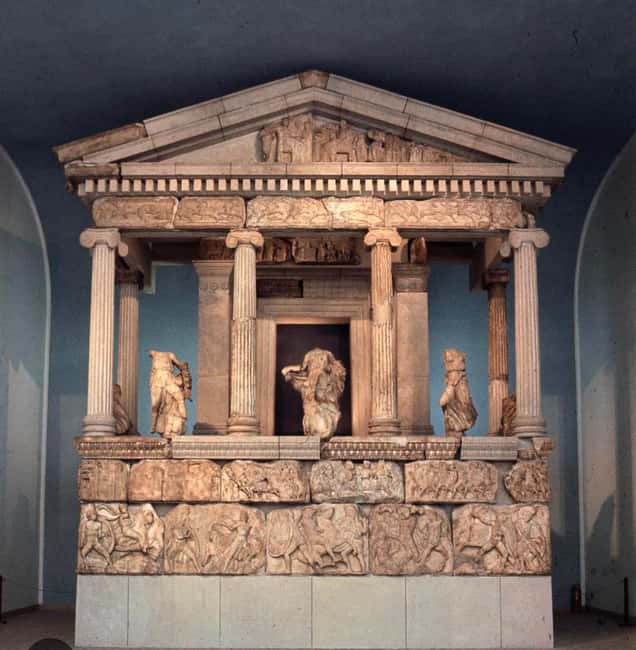
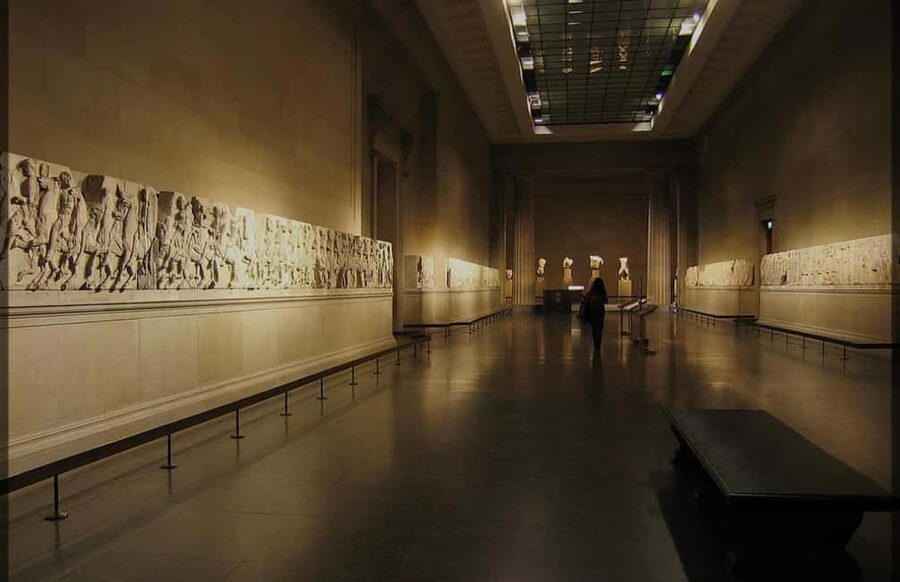
Parthenon Sculptures (Elgin Marbles): Why Greek Myths Work in Stone
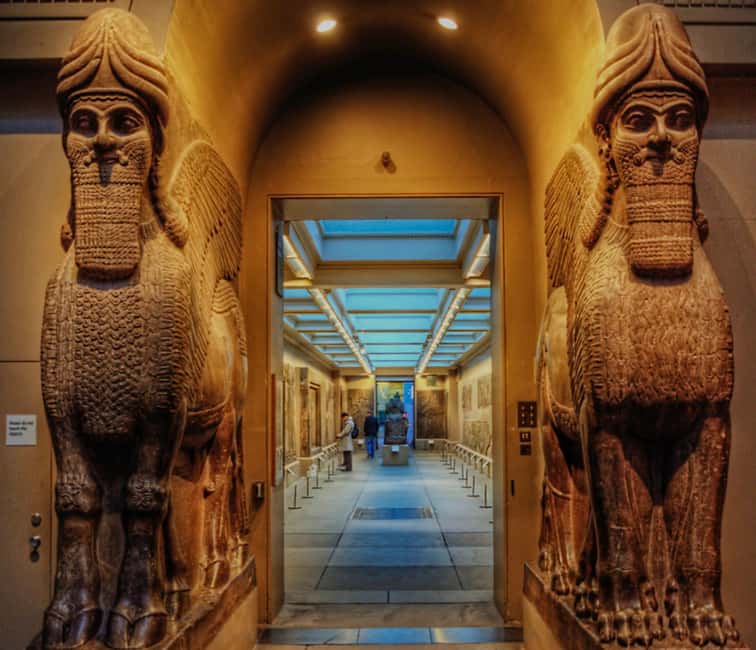
Next up is the Elgin Marbles, the Parthenon sculptures connected to the 5th century BCE. The guide’s job here is crucial, because Greek sculpture can feel “just beautiful” if you only look for style. The better approach is to understand what’s being shown and why.
You’ll see how the sculptures depict scenes from Greek mythology and what that implies about Greek culture and storytelling. When you hear the context while you’re standing in front of the pieces, you start noticing things you’d otherwise miss: the expression, the action, the sense of drama that myth needed in visual form.
One payoff I like in a tour like this: it turns a famous label into a mental picture. After the explanation, those sculptures aren’t just a tourist photo stop. They become scenes you can describe—at least in broad strokes—because the “myth” has a shape and purpose now.
Assyrian Lion Hunt Reliefs: Royal Power Carved Into Relief
After Egypt and Greece, the tour shifts gears to the Assyrian Empire, with the impressive lion hunt reliefs. These carvings are famous for a reason. They’re detailed, and they communicate authority through action—royal power shown as control over danger.
Here’s what you gain with a guide: you get help reading the relief like a scene, not just a pattern. You can see how the artwork supports the political message. A lion hunt is more than sport in this context. It’s a statement about strength, order, and the ruler’s ability to dominate the world.
If you usually rush through “another ancient civilization” stops, this is the section that can slow you down. The combination of motion and symbolism makes it easier to pay attention to the smaller details, too.
Lewis Chessmen: A Medieval Story Hiding in Scotland
Then comes a curveball that still fits the museum’s long view of human life: the Lewis Chessmen. These intricately carved chess pieces were discovered on the Isle of Lewis in Scotland. On a guided tour, that discovery story becomes part of the meaning.
You’ll learn about their significance and how they connect to medieval culture, including Viking-era ideas. The best moment here is realizing how a “game piece” can be a historical clue. These objects aren’t just crafts or curiosities. They hint at trade, skill, and everyday life (yes, people played chess a long time ago, and they cared about it enough to make it art).
For anyone who likes fun facts that still lead to real understanding, this is a strong stop. It breaks the “big empires only” rhythm without turning the tour into randomness.
You can also read our reviews of more museum experiences in London


How the 80-Minute Format Works (and Where You Might Want to Stay Longer)
Eighty minutes sounds short, and it is. But that’s also the point. In a museum this size, a guided highlight tour is a way to make your visit feel efficient rather than exhausting.
The best way to think about it: treat the tour like a guided orientation to the museum’s most famous objects. You leave knowing what to look for next when you wander on your own.
There’s also a practical rhythm built into how people handle the British Museum:
- You get a guided thread that links civilizations and themes.
- Then you get free time to peruse at your leisure afterward.
That “then you’re free to keep exploring” part is where you can extend the visit in the direction that actually interests you. If you connect most with ancient Egypt, you’ll naturally want more time there. If Assyria hooked you, you’ll probably want to keep scanning for more carved narratives.
Photography, Foot Traffic, and the Rules You’ll Actually Notice
The museum experience comes with basic rules that shape how you move. Photography is allowed, but flash photography is prohibited. That’s pretty typical, but it matters if you’re tempted to use flash for low-light corners.
Also, food and drinks are not allowed inside the exhibition rooms. In other words, don’t plan on eating as you go from stop to stop inside galleries. If you’re bringing kids, plan snacks outside and keep the inside time focused.
Wheelchair access is available, but some areas may still be challenging to navigate. If you need step-free routes, the guide can help you follow a workable path during the highlight run.
What You Get for $20.20: Value in Time, Direction, and Context
At $20.20 per person for an 80-minute guided tour, you’re paying for three things: time, direction, and interpretation. In the British Museum, those are the real costs that aren’t obvious until you try to do it solo.
Without a guide, you can absolutely see the Rosetta Stone and take photos. But the missing piece is usually context—why it matters, what to notice, and how the museum’s stories connect across time.
This tour’s structure does that for you:
- It starts with the Rosetta Stone so you understand the hieroglyph breakthrough early.
- It adds Egypt’s mummification beliefs through the mummy and coffin displays.
- It brings Greek myth to life with the Parthenon sculptures.
- It shows how Assyria uses narrative reliefs to communicate power.
- It includes Lewis Chessmen to widen the lens beyond the biggest empires.
And because it’s live, English-speaking, and guided by a certified professional, you also get the chance to ask questions and get answers in the moment. That’s hard to replicate with audio guides.
Is it the best deal if you plan to spend four hours roaming on your own? Maybe not. But if you want the museum’s “must-see” meaning in a tight window, it’s a good value.
Who This Tour Fits Best (Families, First-Timers, and History Fans)
This tour works for a few different travel styles.
First-time British Museum visitors will like having a route that prevents decision overload. The museum is too large to “wing it” well unless you love getting lost.
Families and mixed-age groups can benefit because the guide can keep the pace accessible. One review specifically notes that the tour catered to a younger teenager, which tells me the explanations are not just for adults who want lecture-level detail.
History fans who want the highlights will also find it satisfying. You get major ancient civilizations, plus a fun object story with the Lewis Chessmen. You leave with a mental map, not just scattered facts.
If you’re a specialist—like someone who wants archaeology methodology or deep art-historical debates—this might feel like a warm-up. In that case, think of it as your “best starting point,” then spend your extra time returning to the sections that grabbed you.
Should You Book This British Museum Guided Tour?
I’d book it if you want an efficient, high-impact visit. The big win is that you’ll see the museum’s most famous objects—Rosetta Stone, Parthenon sculptures, Assyrian lion hunt reliefs, and Lewis Chessmen—while getting the story that makes those objects matter.
I’d skip it (or add more free time) if you’re the type who needs long stretches of quiet looking. Since it’s only 80 minutes, you’ll still want to plan extra museum time after the tour to go deeper on your favorite areas.
If you’re juggling limited time in London, or you want your first visit to feel like you understood the museum rather than just walked through it, this guided highlight format is a smart bet.
FAQ
How long is the British Museum guided tour?
The guided tour lasts 80 minutes.
Where do I meet the guide?
Meet outside the Montague Place entrance, by the two stone lions.
Is the tour guide English-speaking?
Yes, the live tour guide is English.
Is the tour wheelchair accessible?
Yes, it is wheelchair accessible, but some areas may be challenging to navigate.
Can I take photos inside the museum?
Photography is allowed, but flash photography is prohibited.
Are food and drinks allowed in exhibition rooms?
No, food and drinks are not allowed inside the exhibition rooms.
Is there free cancellation?
Yes, free cancellation is available up to 24 hours in advance for a full refund.
Can I reserve without paying right away?
Yes, you can reserve now and pay later, meaning you can book your spot and pay nothing today.