REVIEW · ROME
Rome: Galleria Borghese Museum Entry Ticket and Guided Tour
Book on GetYourGuide →Operated by TLight · Bookable on GetYourGuide
Bernini in marble, close enough to feel it. This Galleria Borghese ticket plus guided tour turns a timed entry into a clear route, and the headsets help you catch every explanation. I also love the tight focus on Bernini, especially getting to stand in front of Apollo and Daphne without wasting time hunting.
The main trade-off is the two-hour clock. You won’t see everything at a slow museum pace, and there’s also a clear rule: no luggage or large bags.
In This Review
- Key highlights at a glance
- Galleria Borghese: why this collection feels built for close looking
- Meeting at Piazzale Scipione Borghese and getting your bearings fast
- The Salone fresco by Mariano Rossi: perspective you can see working
- Chamber of Ceres: Oedipus and the Sphinx in marble form
- Caravaggio at Borghese: where light and mood do the talking
- Bernini’s sculpture route: Proserpine to Apollo and Daphne
- Why the guide + headsets matter more than you think
- Pricing and value: what $94 buys you in the real world
- Who this Borghese tour fits best
- Should you book this Galleria Borghese guided ticket?
- FAQ
- FAQ
- How long is the Galleria Borghese guided tour?
- Where do I meet the guide?
- Is the entry ticket included?
- Will I be able to hear the guide?
- What languages is the tour offered in?
- Do I need to bring an ID?
- Is luggage allowed?
- Is the tour wheelchair accessible?
- Is hotel pickup included?
Key highlights at a glance

- Entry ticket + live guide: you’re not stuck reading labels while the clock runs.
- Headsets included: the guide stays audible even when rooms get busy.
- Bernini’s big hits: Rape of Proserpine and Apollo and Daphne get the spotlight.
- Caravaggio representation: including St John the Baptist within the Borghese Collection.
- Ceiling fresco wow-factor: Mariano Rossi’s foreshortened ceiling is a must-see.
- Clear meeting point: your guide holds a red flag with the Saints Tour logo at Piazzale Scipione Borghese.
Galleria Borghese: why this collection feels built for close looking
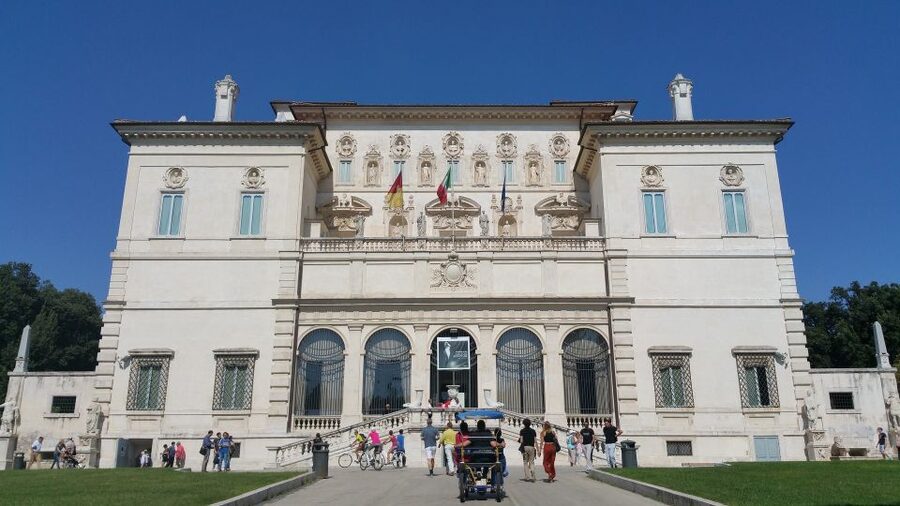
The Galleria Borghese is famous for one simple reason: the Borghese Collection is concentrated, curated by design, and packed with artists that people actually travel for. Much of it traces back to Cardinal Scipione Borghese, nephew of Pope Paul V, who was an avid collector and helped shape what you’ll see today.
What I like about this set-up is how it mixes media. You’re moving between paintings and sculpture without the usual long museum “walk-and-wait.” Caravaggio is strongly represented in the collection, including works like Boy with Basket of Fruit, Saint Jerome Writing, and Sick Bacchus, and your tour also spotlights St John the Baptist.
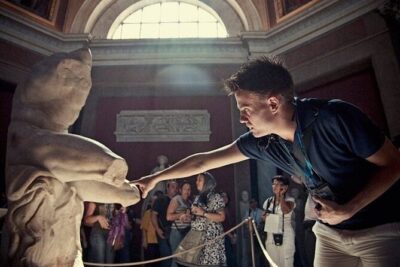
And then there’s Bernini. This gallery is where you see why his Baroque style hits so hard: figures feel alive, movement looks frozen mid-action, and the storytelling is emotional rather than just decorative. If you come expecting statues, you’ll still be surprised by how “theater-like” some of these pieces feel.
A few more Rome tours and experiences worth a look
Meeting at Piazzale Scipione Borghese and getting your bearings fast
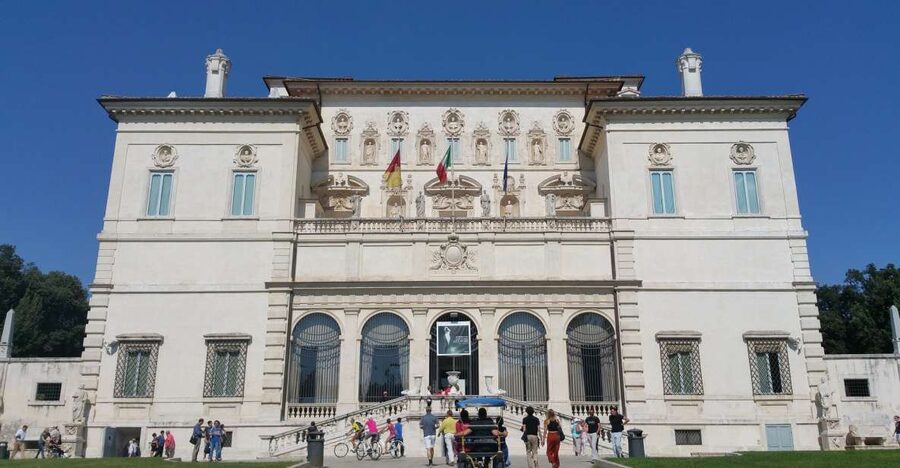
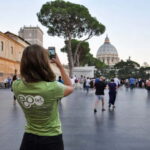
Your tour starts at Piazzale Scipione Borghese, 5. Look for your guide’s red flag with the Saints Tour logo. It’s a small detail, but it matters in Rome where streets can look identical and timing is tight.
Plan around a 2-hour visit rain or shine. Bring a passport or ID card. There’s also a practical restriction: no luggage or large bags, so show up light. If you’ve got a daypack, keep it manageable and ready to move.
Languages include French, Italian, and English. During the tour you’ll use headsets so you can hear your guide clearly. There’s also an audio guide available in French, Italian, and English, which can be helpful if you want to re-check a point after the guide moves you to the next room.
The Salone fresco by Mariano Rossi: perspective you can see working
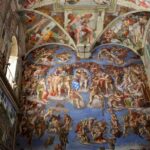
One of the most memorable stops happens almost immediately in the first major room, the Salone. The ceiling features a large fresco by the Sicilian artist Mariano Rossi. The big trick here is foreshortening, a technique that makes the scene look almost three-dimensional. It’s the kind of ceiling work where you realize the artist planned the illusion for the way your eye lands from the floor.
The fresco depicts Marcus Furius Camillus relieving the siege of the Capitol by the Gauls. If that sentence sounds like ancient-school details, don’t stress. Your guide’s job is to connect the subject to the visuals, and in a guided visit you get that context without having to research beforehand.
This is also where I find a timed group format helps. Instead of spending 15 minutes deciding where to look, you get prompted to look up first, then back down, then sideways. That pacing keeps the illusion from turning into generic ceiling spotting.
Chamber of Ceres: Oedipus and the Sphinx in marble form
After that first impact, the experience moves into the Chamber of Ceres. Here, you’ll see a marble vase depicting Oedipus and the Sphinx. Even if you only know the story in broad strokes, you’ll probably appreciate the symbolism. The Sphinx isn’t just an animal figure; it’s part riddle, part judgment, part threat.
A guided route helps you avoid a common mistake: focusing only on the central figure while missing how the whole composition supports the narrative. With a guide, you get pointed to the “why this matters” moments, not just the “what you’re looking at” basics.
Then you’ll transition to the next room’s ceiling work: the second room has a ceiling fresco by Francesco Caccianiga, showing the Fall of Phaeton. This is another example of why these galleries feel like more than a list of masterpieces. You’re building a visual rhythm: large sky-like ceiling scenes, then smaller, more grounded sculpture and painting sections.
Caravaggio at Borghese: where light and mood do the talking
Caravaggio is the artist people expect to be dramatic, and the Borghese Collection doesn’t disappoint. Your tour includes two paintings by Caravaggio, including St John the Baptist. You’ll also encounter other Caravaggio works in the collection, such as Boy with Basket of Fruit, Saint Jerome Writing, and Sick Bacchus.
Here’s why a guided tour adds value with Caravaggio. In photos, his work can look like “dark paintings.” In person, the contrast is sharper, and the emotional temperature changes piece to piece. A good guide helps you notice what’s emphasized through light and how it guides your eye to the subject’s expression and action.
Also, timed tours force choices. You can’t read every label, and you can’t stand forever. With a guide, you’ll hit the key Caravaggio works first, including St John the Baptist, and you’ll leave understanding why the same artist keeps showing up across the collection.
You can also read our reviews of more guided tours in Rome

Bernini’s sculpture route: Proserpine to Apollo and Daphne
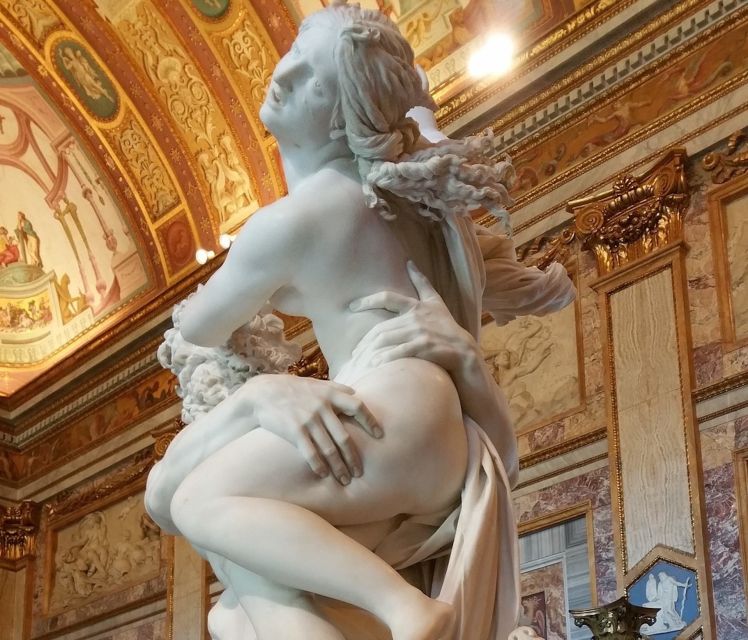
Bernini is the headline here, and the tour’s itinerary is built around that momentum. One of the key sculptural stops is the Rape of Proserpine. This piece represents the dramatic intensity Bernini became famous for. Even if Baroque sculpture isn’t your usual style, the physical storytelling is hard to miss.
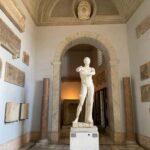
Then the tour brings you to Apollo and Daphne. This is one of Bernini’s most famous secular sculptures, and it’s easy to see why. The moment you get close, the work becomes less like a statue and more like a frozen event: motion in hair, tension in bodies, and a transformation that feels immediate rather than distant.
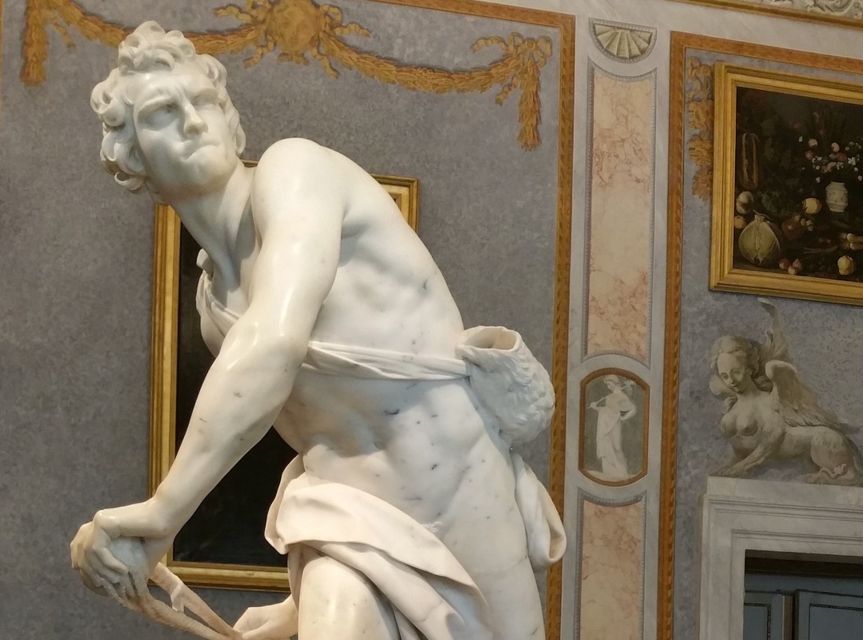
What I appreciate is that the tour doesn’t treat Bernini as one-note. The collection also connects to his broader range, from early works such as Goat Amalthea with Child Jupiter and Faun and Aeneas, Anchises and Ascanius to other major pieces like David. You don’t need a biography lecture to enjoy the range, but it helps to know the sculptor’s style evolved and that this gallery holds different phases of his production.
Why the guide + headsets matter more than you think
At $94 per person, this isn’t a budget activity. The value comes from three things you actually use during the visit: entry included, a live guide, and headsets.
Without the guide, a timed entry can turn into a scramble. You’d have to decide quickly where to go, which labels are worth your attention, and what to ignore. With the guide, the tour gives you a route that prioritizes the most impactful rooms and the specific works that define the collection.
The headsets are especially useful in marble halls where voices can bounce and rooms can get crowded. If you’ve ever been close to a group and still struggled to understand the explanation, you’ll get why this matters. You can focus on seeing instead of guessing what the guide just said.
The duration is listed as 2 hours, which is a good fit for most people who want the highlights without turning the day into a museum marathon. One caution from the real world: there has been at least one report of a session running shorter than advertised. If you have a hard next appointment, build in buffer time and aim to arrive early at the meeting point.
Pricing and value: what $94 buys you in the real world
The price is $94 per person, and you’re paying for more than entry. You’re paying for the guide to do two jobs at once: translate art into plain language and manage a timed environment where you can’t linger.
For me, the value equation looks like this:
- You get entry ticket + guide for a set 2-hour experience.
- You also get headsets, which makes the explanation usable in practice.
- The tour is focused on signature works like Bernini’s Rape of Proserpine and Apollo and Daphne, plus Caravaggio’s St John the Baptist.
If you love art and you enjoy learning while you look, this can be a strong deal. If you’re the type who wants to wander alone and read every label slowly, you might feel the schedule more. Still, even then, the headsets and route planning can help you make the most of the time you do have.
Who this Borghese tour fits best
This experience is a smart match if:
- You want major masterpieces in a short visit.
- You’re not trying to master art history, but you do want to understand what you’re seeing.
- You prefer a plan over indecision when you’re in a timed museum.
- You appreciate both sculpture and paintings, since the Borghese Collection moves between them.
It also works well for families and mixed-age groups. A guide named Silvia has been praised for keeping a family tour moving through highlights efficiently and staying patient with teenagers, which is exactly what you want if attention spans are doing their own thing.
Should you book this Galleria Borghese guided ticket?
If your goal is to see the defining works—especially Bernini’s Apollo and Daphne and Caravaggio’s St John the Baptist—then yes, I’d book a guided option like this. You’ll get a coherent path through rooms, you won’t lose time figuring things out, and the headsets make the whole experience smoother.
But if you’re allergic to time limits or you want total freedom to linger in every room, you may find the two-hour structure frustrating. In that case, consider whether you’d rather build a longer museum day.
FAQ
FAQ
How long is the Galleria Borghese guided tour?
The tour duration is listed as 2 hours.
Where do I meet the guide?
Meet at Piazzale Scipione Borghese, 5. Your guide will be holding a red flag with the Saints Tour logo.
Is the entry ticket included?
Yes. The entry ticket is included in the activity.
Will I be able to hear the guide?
Yes. Headsets are provided to hear the tour guide clearly.
What languages is the tour offered in?
The live guide language options are French, Italian, and English.
Do I need to bring an ID?
Yes. You’ll need a passport or ID card.
Is luggage allowed?
No. Luggage or large bags are not allowed.
Is the tour wheelchair accessible?
Yes, the activity is wheelchair accessible.
Is hotel pickup included?
No. Hotel pickup and drop-off are not included.