REVIEW · SEATTLE
The Museum of Flight Entrance Ticket
Book on Viator →Operated by The Museum of Flight · Bookable on Viator
Aircraft on the ground feel like time travel. For about $29, you get access to the world’s largest independent air and space museum, with close-up aircraft plus a huge hangar where aviation history feels real, not read-on-a-wall real.
Two things I really like: you can get up close to the NASA Space Shuttle Trainer setup and walk through an exhibit range that spans the earliest flight machines to space-era training. One thing to keep in mind is that some space-related areas may have limited access on certain days, so don’t assume every shuttle component will be open exactly as shown.
In This Review
- Key Highlights at a Glance
- Ticket Value: What You Actually Get for $29
- 2–3 Hours Works, But 4–5 Hours Fits Better
- First Stop: The Museum of Flight’s Layout and What Makes It Special
- Start With the Flight-Themed 3D Movie (Extra Cost, Helpful Context)
- The Hangar Highlights: Shuttle Trainer, 747 Cockpit, and Big “What If” Aircraft
- The NASA Space Shuttle training mockup
- The Boeing 747 cockpit experience
- Curiosity aircraft: sailplanes, Aerocar, and a human-powered legend
- Amelia Earhart’s missing-flight replica
- Interactive Exhibits That Don’t Feel Like Homework
- Outdoor Break and Views: T. Evans Wyckoff Memorial Bridge
- What to Expect From Staff and How to Get More Out of Your Visit
- Food, Comfort, and Practical Tips That Save Your Day
- Best for Who: Aviation Fans, Space Fans, and Families
- Should You Book the Museum of Flight Entrance Ticket?
- FAQ
- What does the entrance ticket include?
- Is the 3D movie included?
- Can I buy simulator tickets on the spot?
- How long should I plan to spend?
- What are the museum hours?
- Do I need to book in advance?
- What if weather is bad?
- What is the cancellation window?
- Is the museum accessible and easy to reach?
Key Highlights at a Glance
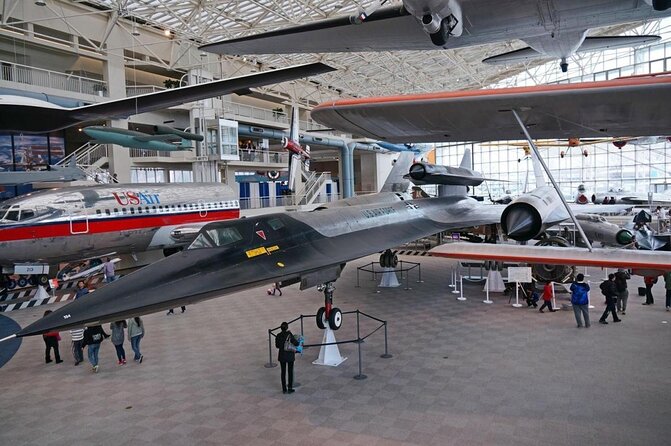
- NASA Space Shuttle Trainer up close: the training-style full-scale mockup is a standout for space fans
- 747 cockpit time: sit in the cockpit area and learn how big-jet design shaped modern aviation
- Hands-on, interactive learning: exhibits are built for people who learn best by seeing and trying
- More than 150 aircraft on display: from sailplanes and early concepts to famous Boeing milestones
- Big views when the weather cooperates: the T. Evans Wyckoff Memorial Bridge gives you runway sightlines and Mount Rainier
Ticket Value: What You Actually Get for $29
This ticket is priced like a bargain if you’re the type who likes to look longer than you planned. For $29 per person, you’re buying admission into a museum that takes up a lot of space—23 acres, six buildings, and over 160 planes and spacecraft on display.
And here’s the key value point: the museum’s main “show” is the aircraft themselves plus the indoor exhibits that explain them. You’re not forced into a packaged, rushed checklist. You can move at your pace, stop where something clicks, and spend more time with the machines you care about.
There are a couple of add-ons. The museum includes a flight-themed 3D movie as part of the typical flow, but it’s an added cost. Simulator rides are also extra and purchased on arrival. If you’re trying to keep the total cost down, you can still have a very full visit using just the included admission.
2–3 Hours Works, But 4–5 Hours Fits Better
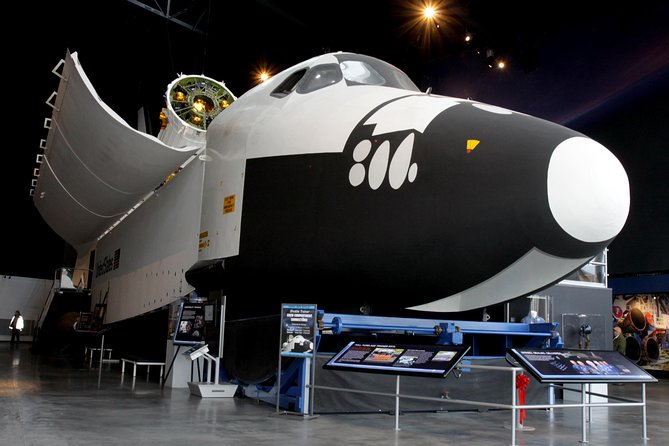
Most people think they can do this in two quick hours. You can, but you’ll end up skimming. The museum is physically large, and aircraft are spread across multiple buildings (and sometimes connected by outdoor walkways).
On a practical level, plan 2 to 3 hours minimum for a solid “hit the highlights” pass. If you want to read more and actually use the hands-on parts, stretch it to 4 hours or more. I’d treat this like a mini-day trip inside the museum, not a museum you pop into between coffee and dinner.
When you’re deciding timing, remember that clear weather matters. On good days, you can add an outdoors viewpoint from the T. Evans Wyckoff Memorial Bridge, which lines you up with Seattle-Tacoma International Airport sightlines and Mount Rainier.
First Stop: The Museum of Flight’s Layout and What Makes It Special
The Museum of Flight is based at Seattle’s oldest airport, which already gives it a different feel than a downtown museum. You’re walking through hangar-style spaces, looking at real aircraft up close, and learning in the context of aviation itself.
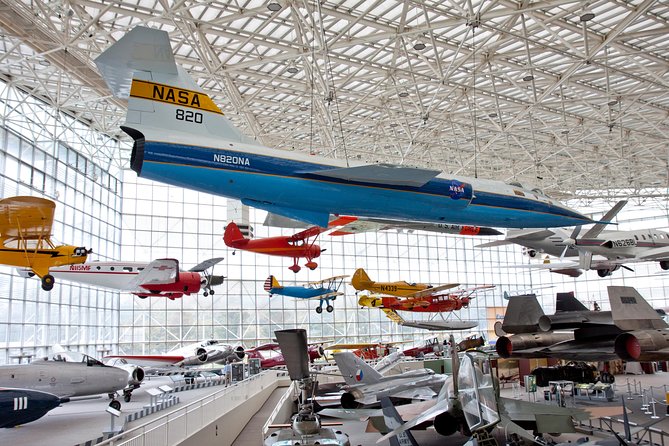
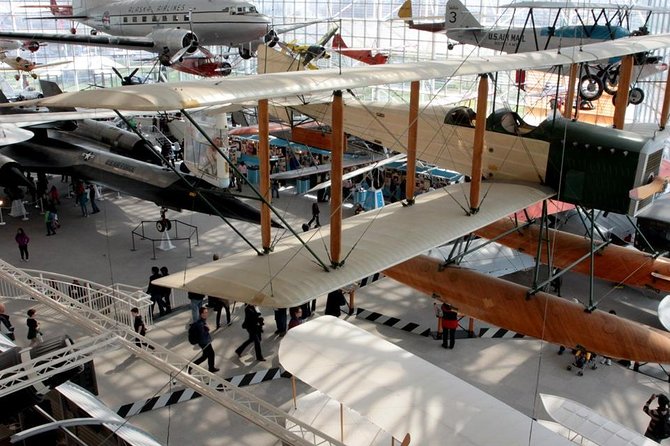
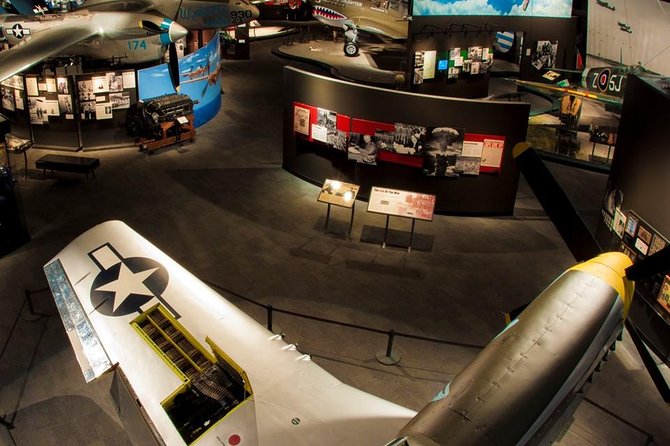
A big structural win is the Great Gallery: a six-story glass building with 43 aircraft spanning from the 1920s to the present. Even if you only spend an hour there, it gives you a fast “timeline” sense of what changed and when.
You’ll also notice some of the museum’s identity in the buildings. It includes the original Boeing Aircraft factory, which means part of what you’re seeing is tied to how aerospace work has actually been done—not just finished aircraft arranged for display.
Start With the Flight-Themed 3D Movie (Extra Cost, Helpful Context)
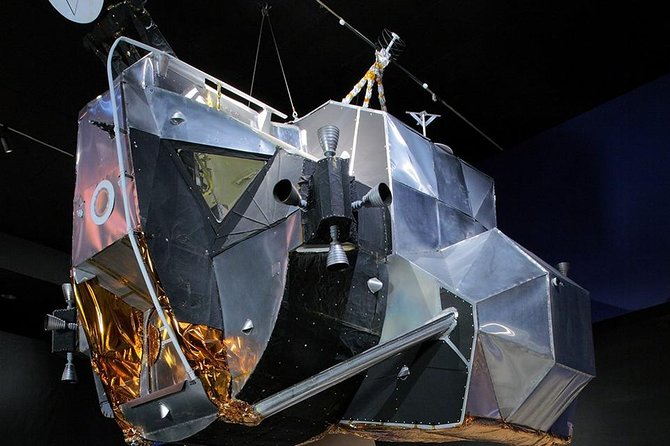
Before you go deep into the hangar, expect a flight-themed 3D movie in the museum’s 3D theater. It’s not included in the admission price, so treat it like an optional upgrade that helps orient you.
For many people, that movie is a time-saver in disguise. It sets the tone for how to interpret what you’re seeing next—how flight evolved, how training supports missions, and why aviation technology is tightly connected to aerospace ambition. If you’re bringing kids, the theater portion can also break up the walking and give everyone a mental reset.
If you’d rather skip extra costs, you can still do the full museum route without it. Just know you might miss a bit of framing that makes the aircraft sections easier to follow.
The Hangar Highlights: Shuttle Trainer, 747 Cockpit, and Big “What If” Aircraft
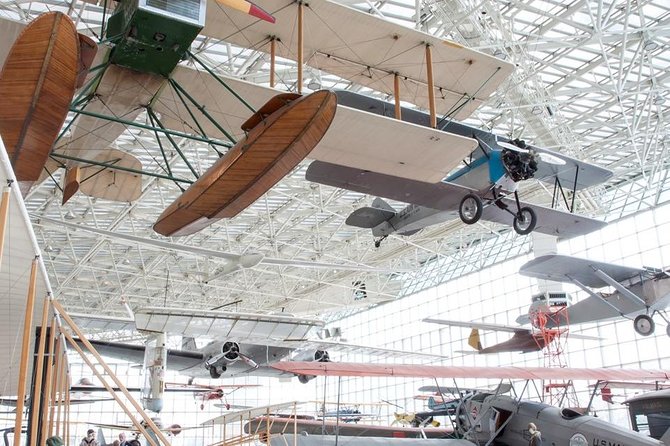
This is where your ticket starts to feel like money well spent. After the movie, you head into hangar spaces packed with more than 150 aircraft. The variety is a big deal: you’re not only seeing famous planes, you’re seeing the experiments and stepping-stones that got aviation to where it is.
The NASA Space Shuttle training mockup
One major draw is the full-sized mockup of a Space Shuttle Orbiter used for training before real missions. For space fans, it’s one of those displays that makes “training” feel concrete. You’re not just reading about the program. You’re standing next to a physical training model.
One caution: at least one visitor noted that the Space Shuttle Trainer deck was closed during their visit. That doesn’t mean your whole experience is ruined, but it’s a good reminder not to assume every shuttle area will be accessible every day.
The Boeing 747 cockpit experience
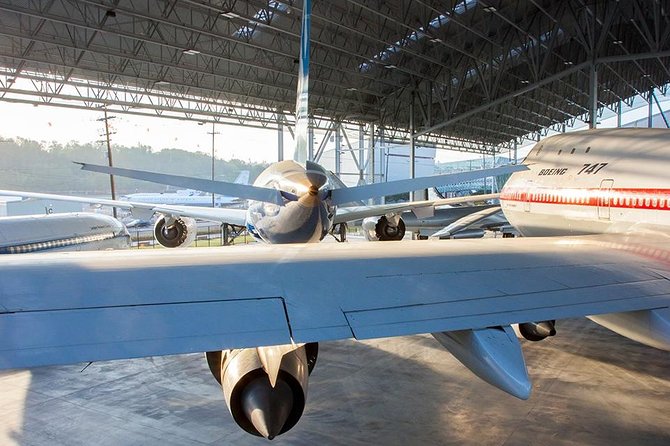
Another favorite is the chance to sit in a Boeing 747 cockpit and learn about the design and operational thinking behind it. The museum also includes the very first flight-worthy Boeing 747 nearby, so you can compare early milestone engineering with later operational realities.
Even if you don’t know aviation details, the cockpit areas tend to make the story click fast. It’s one thing to look at an airplane outside. It’s another to see what pilots actually face.
Curiosity aircraft: sailplanes, Aerocar, and a human-powered legend
The museum’s collection includes “show-me-how-we-got-here” aircraft like a sailplane, an Aerocar, and the human-powered MacCready Gossamer Albatross II. Those displays reward a specific kind of imagination—the idea that flight isn’t only about military jets or big airline engineering.
It’s also a nice balance if your group includes both aviation geeks and people who just enjoy clever design.
Amelia Earhart’s missing-flight replica
You’ll also see a faithful replica of the plane that Amelia Earhart disappeared in. That kind of exhibit works well because it connects aviation technology to a story people already remember. Even without getting technical, it hooks your attention and keeps you moving to the next display.
Interactive Exhibits That Don’t Feel Like Homework
The museum is built around “learn by doing.” That matters for you if you’re visiting with kids, but it also matters for adults who get tired of museum fatigue.
The hands-on and interactive areas are part of why visitors rate the experience highly. And you’ll see that reflected in how people plan their time: many recommend blocking at least three hours, with frequent mentions of longer visits if you want to see more than the first wave of aircraft.
One practical tip: give yourself permission to pause. If you’re in a hangar full of planes, your brain keeps trying to read labels like it’s a race. Instead, stop when something grabs you and spend a little longer there. You’ll get more from the museum that way, and you won’t burn out.
Outdoor Break and Views: T. Evans Wyckoff Memorial Bridge
If the sky’s clear, don’t miss the viewpoint from the T. Evans Wyckoff Memorial Bridge. It’s a different angle on aviation: you can see Seattle-Tacoma International Airport activity and look toward Mount Rainier.
This is especially helpful if you’re visiting on a day when weather limits outdoor walking. You can get a scenic airplane-and-mountain moment without needing to hike.
Also, since some aircraft are across walkways and connected by bridges, factor in outdoor time even if you’re mostly “indoor museum” focused.
What to Expect From Staff and How to Get More Out of Your Visit
A standout pattern in experiences here is helpful staff and volunteers. You’ll often find people around who can explain the aircraft beyond what you’ll read on a plaque.
So here’s a simple strategy: when you see an area you don’t understand, ask a question. Not a quiz. Just something like what makes this model historically important, or what to notice in the cockpit or design details. That turns a museum visit into a real conversation, and it’s one reason this place doesn’t feel dead-quiet.
For families, the museum’s layout also supports different energy levels. People noted that it’s interactive for children and that the museum stays clean with restrooms placed conveniently.
Food, Comfort, and Practical Tips That Save Your Day
This isn’t a “bring nothing and be fine” kind of place. You’ll walk a lot and you’ll want breaks.
A few practical ideas based on what’s worked for visitors:
- Bring snacks and water, especially if you’re traveling with kids or visiting in warmer months.
- If you’re the type who hates rushing, pack a lunch so you can keep your momentum.
- The museum has a restaurant option, and people also appreciated having places to eat without leaving the site.
Wear comfortable shoes. You’ll be crossing hangar floors and moving between buildings. This is one of those attractions where your feet will tell you the truth before your brain does.
Best for Who: Aviation Fans, Space Fans, and Families
This ticket makes the most sense if your group includes at least one of these:
- people who love aircraft details and cockpit access
- space and training program fans who want a physical mockup
- families looking for an interactive museum that keeps kids engaged
If you’re not an aviation person, you can still have a good time, but go with a slightly flexible plan. Spend time where you feel curious, use the 3D movie for context if you want it, and don’t feel pressured to read every panel.
If you do love aviation, this is where you’ll want extra time. Many people talk about needing more than they expected because the museum is huge and the displays reward repeat viewing.
Should You Book the Museum of Flight Entrance Ticket?
I think you should book this if you want a high-value aviation day with real aircraft, strong displays, and enough variety to keep different interests satisfied. At $29, you’re paying for access to a major museum that can easily fill a half day or more, and the overall ratings are strong.
Book it especially if:
- you’re visiting Seattle and want one destination that’s worth the walking
- you care about space training displays and big milestone aircraft like the 747
- you’re bringing kids and want interactive exhibits
One reason to hesitate: the shuttle-related components you’re most excited about might have limited access on some dates, so your best move is to arrive with a “plan to adapt” mindset. Even without every shuttle detail fully active, the hangars still deliver a lot.
FAQ
What does the entrance ticket include?
Your ticket includes museum entrance admission to the Museum of Flight. It does not automatically include simulator rides.
Is the 3D movie included?
No. The flight-themed 3D movie theater experience is part of the visit flow, but it has an added cost.
Can I buy simulator tickets on the spot?
Yes. Simulator tickets may be purchased upon arrival.
How long should I plan to spend?
Plan for about 2 to 3 hours for a typical visit, but many people end up staying longer because there’s a lot to see.
What are the museum hours?
For 2026, the museum is open 10:00 AM to 5:00 PM, Monday through Sunday.
Do I need to book in advance?
Yes, it helps. This experience is commonly booked about 17 days in advance on average, and advance tickets help you avoid disappointment.
What if weather is bad?
The experience requires good weather. If it’s canceled due to poor weather, you’ll be offered a different date or a full refund.
What is the cancellation window?
You can cancel up to 24 hours in advance for a full refund. Canceling less than 24 hours before the start time is not refundable.
Is the museum accessible and easy to reach?
The museum allows service animals, is near public transportation, and notes that most travelers can participate. The experience is offered in English.