
REVIEW · STAX MUSEUM OF AMERICAN SOUL MUSIC
Memphis: Stax Museum of American Soul Music
Book on GetYourGuide →Operated by Stax Museum of American Soul Music · Bookable on GetYourGuide
Soul music starts in a humble church.
I love how Stax Museum of American Soul Music treats soul’s roots like a story you can walk through, beginning in a carefully reassembled circa-1906 Mississippi Delta church. I also love the way the museum mixes recording details with showmanship, especially Isaac Hayes’ custom Cadillac Eldorado and the in-your-face joy of the Express Yourself dance floor. One caution: if you’re sensitive to noise or crowd energy, you may want to aim for a calmer time, since school-group visits can make the space feel a bit hectic.
In This Review
- Key moments you will remember
- Entering a Soul Music Museum That Begins as a Church
- How the Museum Explains Southern Gospel Roots in Plain English
- Express Yourself: When the Museum Lets You Dance
- Control Room Clues: Seeing What Happens Before You Hear the Song
- Studio A: The Replica Movie Theater That Shaped the Sound
- The Hall of Records (1957–1975): A Visual Timeline You Can Hear
- Isaac Hayes’ Cadillac Eldorado: Luxury With a Recording Deal Backstory
- How Much You Pay (and Why $20 Feels Fair Here)
- Who This Visit Fits Best in Memphis
- Practical Tips for a Smooth, Joyful Visit
- Should You Book Stax Museum of American Soul Music?
- FAQ
- Where is the Stax Museum meeting point?
- How much does admission cost and how long is it valid?
- What parts of the museum can I access with admission?
- Is dancing allowed at the museum?
- Can I take photos or record video?
- Is the museum wheelchair accessible?
- Are pets allowed?
- Can I reserve now and change plans later?
Key moments you will remember

- A real rebuilt Delta church that sets the tone before you even hit the exhibits
- Express Yourself dance floor where you can move, not just watch
- Control room equipment plus Studio A, a replica of Stax’s movie-theater studio with a slanted floor
- Hall of records (1957–1975) with floor-to-ceiling cases and listening stations
- Isaac Hayes’ Cadillac Eldorado with gold trim, mini-bar, and white fur carpeting
- A museum that just keeps expanding its reach, including its 20th birthday celebration in 2023
Entering a Soul Music Museum That Begins as a Church
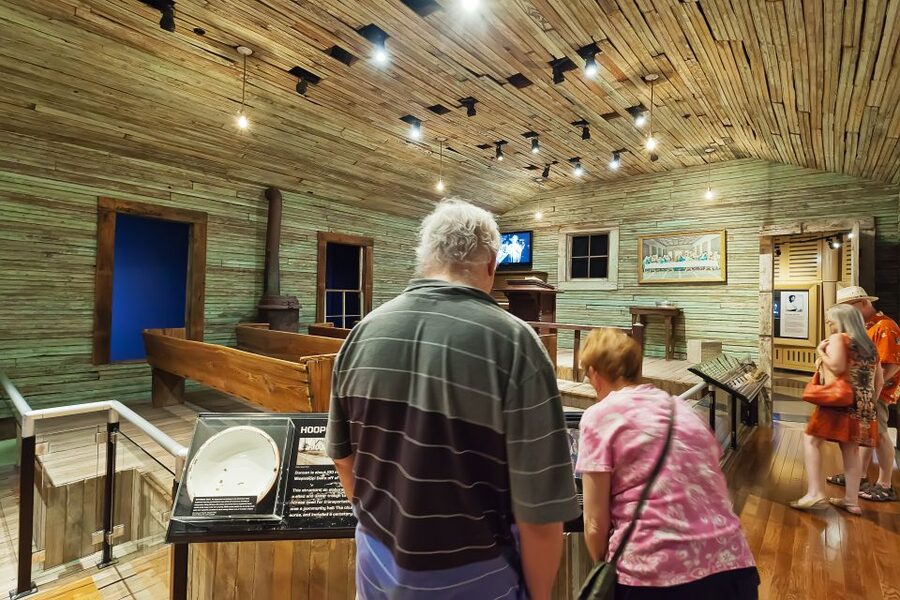
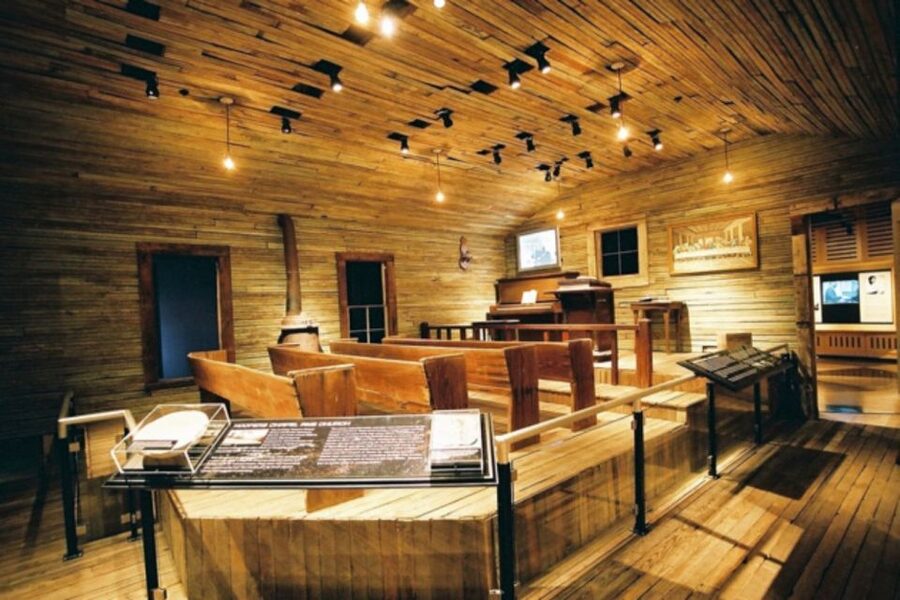
Walking into Stax feels like you’ve stepped into the origin point, not just the archive. The first stop is a modest country church built in the circa-1906 Mississippi Delta tradition—and it’s been carefully reassembled inside the museum. That choice matters. It tells you soul didn’t begin as a brand. It began as a community sound, shaped in worship spaces, where people showed up to sing, react, and feel.
You’ll start with the sound’s early DNA: how Stax’s music grew out of Southern gospel music. Even if you’re a casual fan, this opening helps you hear later records with new ears.
How the Museum Explains Southern Gospel Roots in Plain English
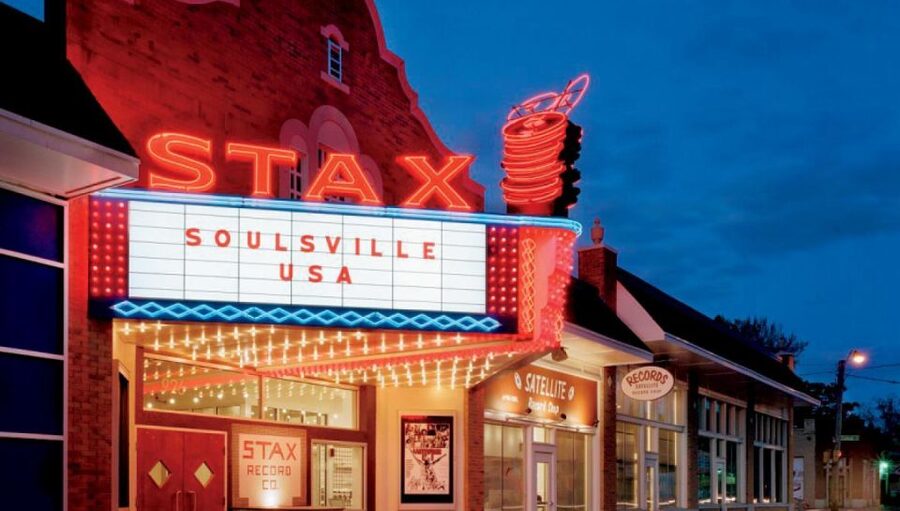
Most music museums focus on dates, names, and gear. Stax does that too, but it also connects the dots between music styles—specifically how Southern gospel fed the energy and phrasing that would later become soul.
Here’s the practical payoff for you: when you reach the more famous Stax sounds, you won’t hear them as random hits. You’ll recognize how the rhythm and vocal intensity got passed along, like a family recipe. The museum is built to keep that cause-and-effect feeling moving forward.
Express Yourself: When the Museum Lets You Dance
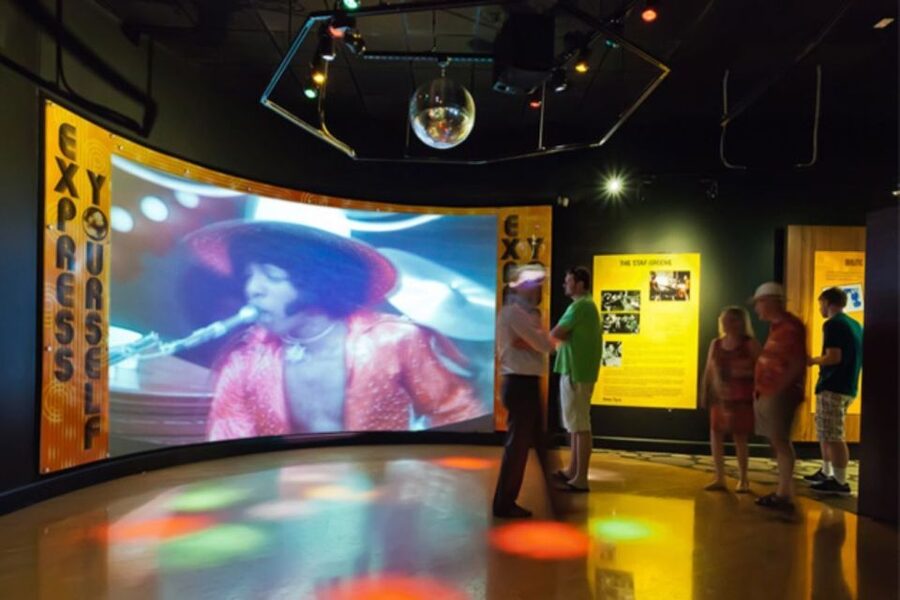
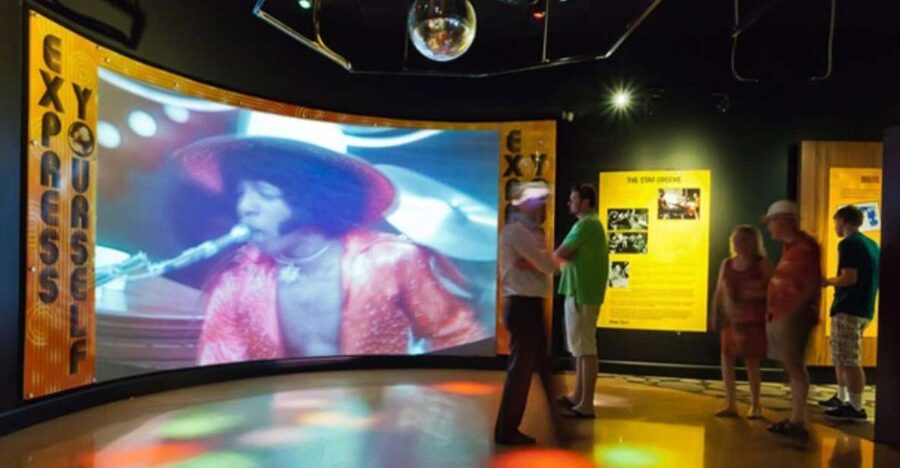
The Express Yourself dance floor is the part people talk about because it refuses to be polite. Most museums want you still, phone-down, face-neutral. Stax gives you a spot where movement is part of the experience.
Next to the dance floor, you’ll see vintage Soul Train episodes playing. The idea is simple: you learn the vibe by watching the dancers, then you add your own energy. Don’t worry if you think you can’t dance. The museum’s humor comes through in the encouragement—this is joy-first, not perfection-first.
If you’re visiting with kids, teens, or anyone who learns by doing, this is where the museum turns from education into momentum.
Control Room Clues: Seeing What Happens Before You Hear the Song
After the dance break, the museum shifts gears into the behind-the-scenes world. You’ll check out period recording equipment in the control room. That section works like a reality check: it reminds you that great sound isn’t magic. It’s setup, timing, microphones, and decisions made by people in the room while the music is happening.
This is also where the museum’s value gets serious for you. Even if you don’t care about gear terms, seeing the hardware helps you understand why those records have a particular feel. You start thinking about the recording process as part of the music, not separate from it.
Studio A: The Replica Movie Theater That Shaped the Sound
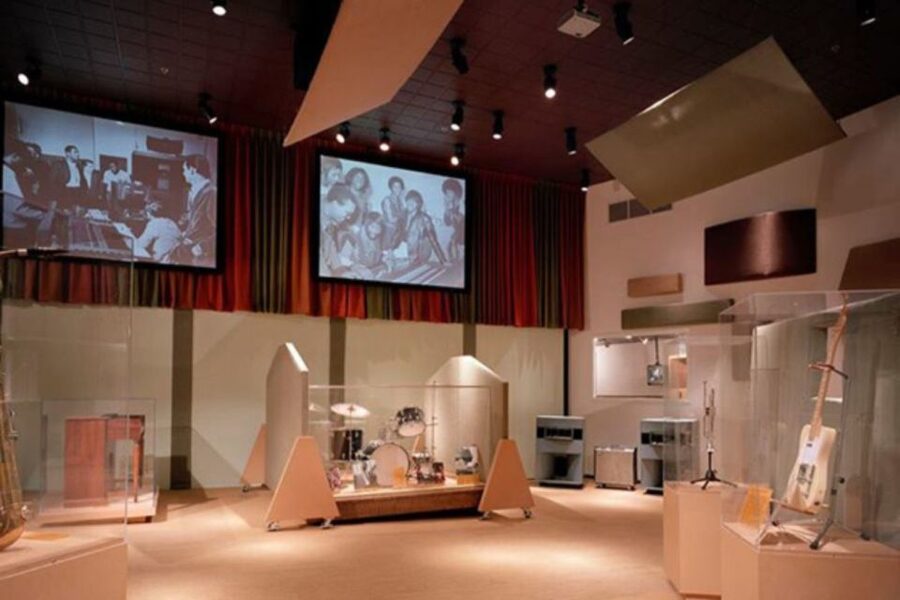
Then comes Studio A, an exact replica of the legendary converted movie theater where Stax artists cut records. The most important detail is the floor: it’s gently slanted, and that small physical quirk helped contribute to Stax’s special sound.
This is one of the museum’s smartest moves. It takes something that could feel abstract—sound quality—and makes it physical. When you stand in the replica space, you get a sense of how a studio environment can influence performance and recording outcomes.
If you like music history that explains how the sausage was made (minus the office jokes), Studio A is a highlight. It’s also a great stop if you enjoy “why it sounds like that” more than “who wrote it.”
The Hall of Records (1957–1975): A Visual Timeline You Can Hear
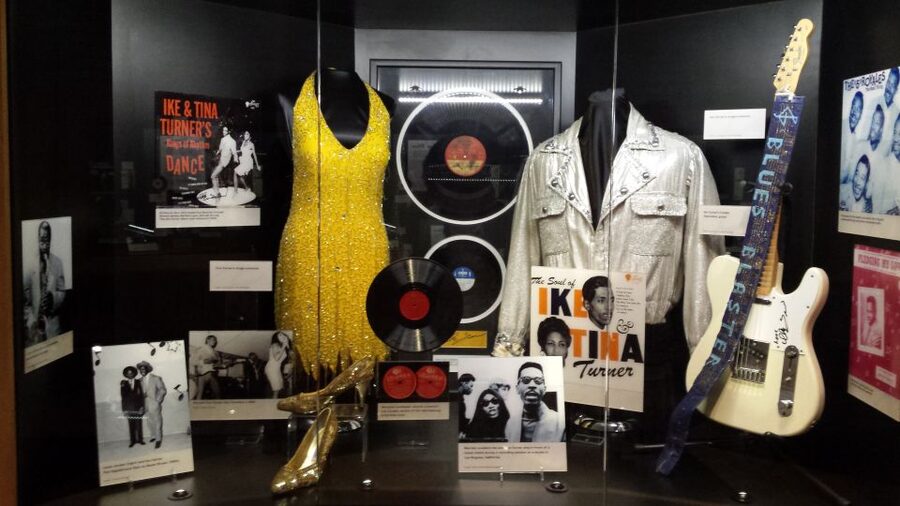
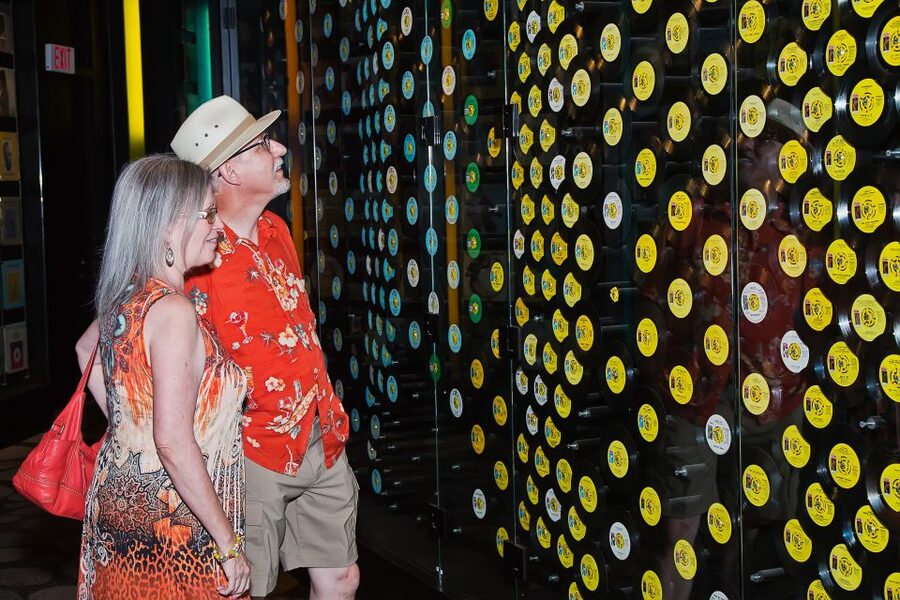
Stax’s impact isn’t just told in words. It’s displayed in the hall of records, with floor-to-ceiling cases lined with albums and singles released by Stax and its subsidiary labels from 1957 to 1975. That time range turns the museum into a timeline you can browse at your own speed.
A practical tip for your visit: plan to slow down here. The point of the hall isn’t to sprint to the end. It’s to browse like a collector—reading album art, scanning titles, and mentally connecting releases to what you already know.
Along the way, you can sit at listening stations. Hearing classics in the museum space changes the experience. The music lands with more context because you’ve just seen the packaging and era markers around it.
Isaac Hayes’ Cadillac Eldorado: Luxury With a Recording Deal Backstory
One artifact can carry an entire emotion in a museum: Isaac Hayes’ custom Cadillac Eldorado. The museum displays the car that was purchased as part of Isaac Hayes’ renegotiated deal with Stax in 1972. Even the purchase amount becomes part of the story: $26,000 at the time (the museum notes what that looks like in later-dollar terms).
What makes the car fun to see isn’t just that it’s famous. It’s how specific it is. The Eldorado includes a refrigerated mini-bar, a television, 24-carat gold exterior trim, and white fur carpeting on the floorboards. That level of detail turns it into a snapshot of an era when star power met major label muscle.
If you’re wondering why this belongs in a soul music museum, it’s because it shows the business side too—how talent, negotiation, and image became part of the records you hear.
How Much You Pay (and Why $20 Feels Fair Here)
At about $20 per person for admission, Stax is priced like a museum stop that’s meant to be doable for most visitors. The best value isn’t just the artifacts. It’s that admission gets you access to all exhibits, and it’s built for a 1-day outing.
So where does the value come from?
- You get origin storytelling, not just famous names.
- You get multiple learning styles: visual displays, listening stations, and even an area where you can dance.
- You get iconic objects tied to real Stax moments, like Studio A and the Hayes Cadillac.
A possible drawback on value: if your interest is only in a few mainstream tracks and you hate museum-style reading, you might find yourself moving through faster than you planned. This is best for you if you like context—how music connects to place, people, and process.
Who This Visit Fits Best in Memphis
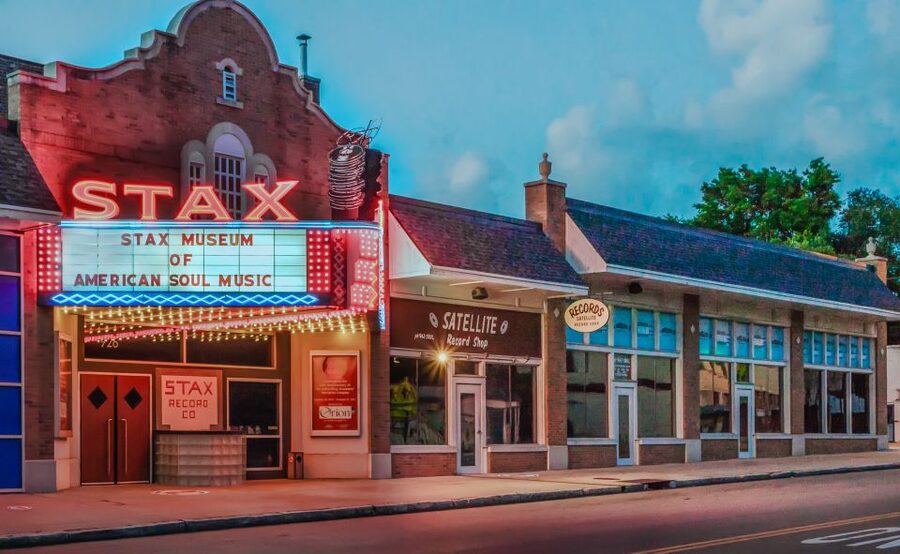
This works especially well if:
- You’re into music history and want the recording side, not just the spotlight side.
- You like museums that explain the “why” behind the sound.
- You’re traveling with a mix of music lovers and history lovers.
One clue you’re going to enjoy it: the museum doesn’t treat Stax as an isolated story. It ties the recording world together, and you’ll see how Stax relates to other hit-making studios. That kind of comparison helps you build a mental map fast.
If you’re the kind of traveler who wants one Memphis experience that covers a lot of ground without feeling like a textbook, Stax is a strong pick.
Practical Tips for a Smooth, Joyful Visit
Here are a few ways to make the museum easier on your day:
- Start at the church and let the museum’s order do its job. The gospel-to-soul connection lands better when you don’t jump ahead.
- Take breaks between rooms. The exhibits are information-heavy, and your brain will appreciate a short reset—especially if you’re reading signage closely.
- Plan to spend time in the listening area. If you want to understand why the museum cares about 1957–1975, you need ears-on time, not just eyes.
- If you can, pay attention to how busy it feels. With school groups, the space can get loud and a bit rushed, which can undercut the calm, hands-on vibe.
Also keep the rules in mind: flash photography is not allowed, and video recording is not allowed. Pets are not allowed either.
Should You Book Stax Museum of American Soul Music?
If you’re even slightly curious about how soul music formed—where it came from and why it sounded the way it did—you should book Stax. For $20, you get a rare mix: a reconstructed church opening, a recording-focused Studio A, serious timeline displays, and the fun permission to dance on Express Yourself.
If your trip is short and you’re trying to choose only one “music history” stop, this is a great candidate. It’s one-day friendly, wheelchair accessible, and presented in English with an English host or greeter on site.
Book it if you want Memphis to hit both your head and your feet.
FAQ
Where is the Stax Museum meeting point?
The Stax Museum of American Soul Music is at 926 E McLemore Ave, Memphis, TN 38126, USA.
How much does admission cost and how long is it valid?
Admission is $20 per person, and it’s a 1-day experience (valid 1 day from first activation).
What parts of the museum can I access with admission?
Your admission includes access to all exhibits, including the reassembled circa-1906 Mississippi Delta church, Studio A replica, the hall of records (1957–1975), listening stations, the Express Yourself dance floor, and Isaac Hayes’ custom Cadillac Eldorado.
Is dancing allowed at the museum?
Yes. There is an Express Yourself dance floor where you can dance.
Can I take photos or record video?
Flash photography is not allowed, and video recording is not allowed.
Is the museum wheelchair accessible?
Yes, the museum is wheelchair accessible.
Are pets allowed?
No, pets are not allowed.
Can I reserve now and change plans later?
You can reserve and pay later. There is free cancellation if you cancel up to 24 hours in advance for a full refund.