REVIEW · FLORENCE
Florence: Museo Galileo Small Group Tour
Book on GetYourGuide →Operated by Keys of Italy · Bookable on GetYourGuide
Galileo’s lenses feel surprisingly real. This Museo Galileo small-group tour in Florence lets you see original Galileo instruments up close, with an official guide explaining what he was trying to prove when he turned his telescopes skyward.
I especially like that it’s built for focus, not wandering: you get a clear guided path through the museum’s story of the history of science, and then you can stay afterward if you want more time with the exhibits. One possible drawback: the visit is only about 90 minutes with a small-group pace, so if you want a slow, on-your-own deep look, you may crave extra time.
What seals it for me is the small-group size (limited to 9), which keeps the guide’s attention on the people in front of them. If your guide is as strong at explaining as the names I’ve seen praised here (Ivan, Rebecca, Beatrice, Elizabeth), you’ll leave feeling like you actually understand how observation becomes evidence. A practical consideration: the museum follows strict rules, including no luggage or large bags, so you’ll want to travel light and wear comfortable shoes.
In This Review
- Key takeaways
- Museo Galileo in 90 Minutes: What a Small Group Changes
- Telescopes, Lenses, and the Moment You See Jupiter’s Moons
- How the Museum Turns Observations Into Science
- After the Tour: Using Your Extra Time Wisely Inside the Museum
- Price and Value: What $108 Buys You Here
- Who Should Book This Galileo Tour—and Who Might Skip It
- Should You Book This Museo Galileo Small Group Tour?
- FAQ
- How long is the Museo Galileo small group tour?
- How big is the group?
- What’s included in the price?
- Can I skip the ticket line?
- What languages are the guides available in?
- Is the tour wheelchair accessible?
- What should I bring?
- What is not allowed inside the museum?
- What’s the cancellation policy and payment option?
Key takeaways
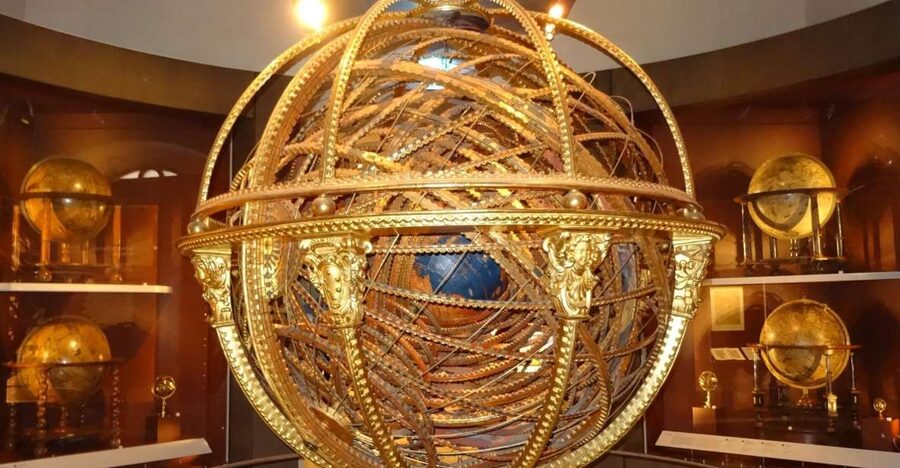
- Original instruments tied to Galileo’s own work, including telescopes and lenses used for observing Jupiter’s moons
- Small group of up to 9 keeps questions in play and the pace human
- Official guide in Italian, English, or Spanish to connect the objects to the ideas behind them
- Skip the ticket line so you start seeing sooner
- You can stay after the tour if you want extra time with the displays
- Museum experience feels structured, even though the building is sizable
Museo Galileo in 90 Minutes: What a Small Group Changes
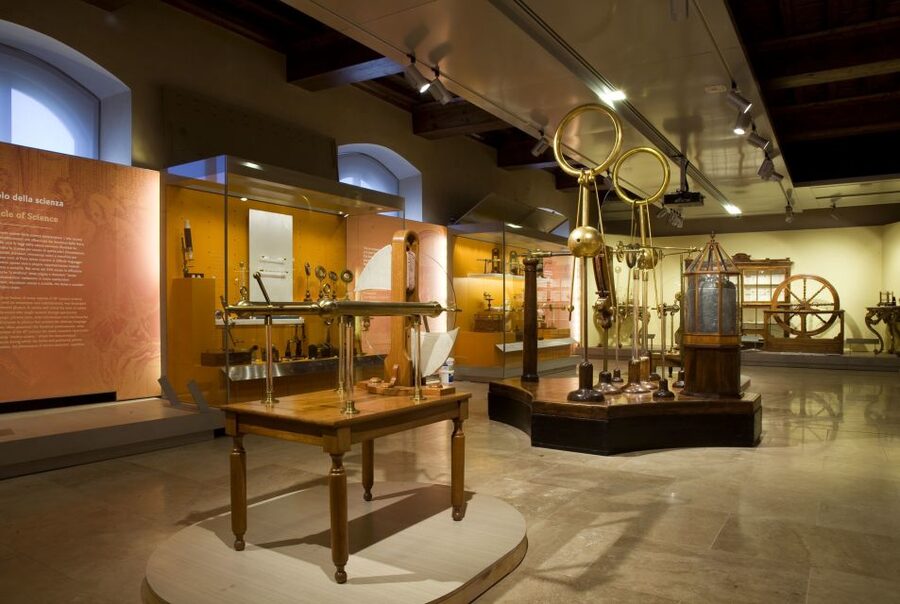
Florence can feel like an endless loop of churches and art. This tour gives you a different kind of wow: the moment you realize science used to be done with tools that look almost handmade by today’s standards. Museo Galileo is one of the main international institutions devoted to the history of science, and it isn’t just a room of old objects. It also supports research, documentation, and spreading that history in a broad way. That matters because the tour isn’t only about dates. It’s about why these instruments were revolutionary.
The format is simple. You join a guided tour for about 90 minutes with an official guide, in a group limited to 9 participants. That small size is the real advantage. When you’re packed into a large crowd, instruments become background. With a small group, the guide can slow down where it matters and clarify what you’re actually seeing.
It’s also a tour with an end in sight. You’re not committing to a full day. After the guided part, you have the choice to remain in the museum as long as you like. That flexibility is great if you’re the type who wants one guided thread and then time to follow it at your own speed.
Timing and logistics are worth planning around. Since the meeting point can vary depending on what option you book, I recommend you check your exact instructions the day before. And because the museum doesn’t allow luggage or large bags, I suggest bringing only what fits comfortably for an indoor visit—phone, ID, a water bottle if allowed, and nothing bulky.
You can also read our reviews of more tours and experiences in Florence.


Telescopes, Lenses, and the Moment You See Jupiter’s Moons
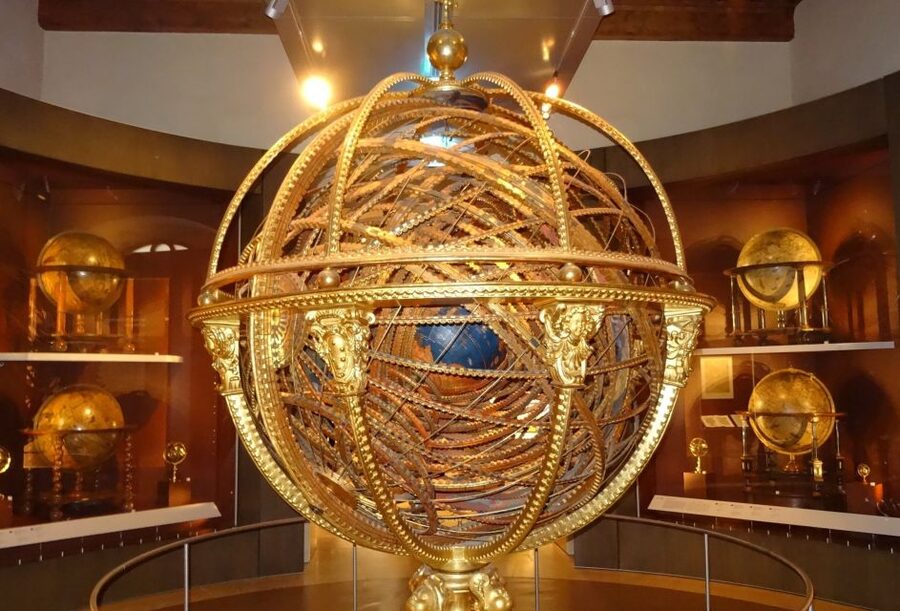
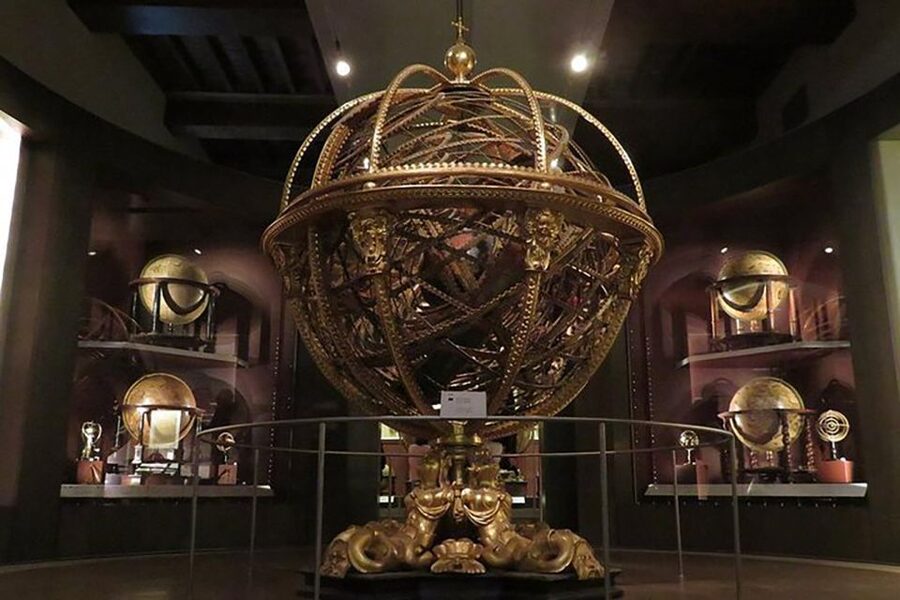
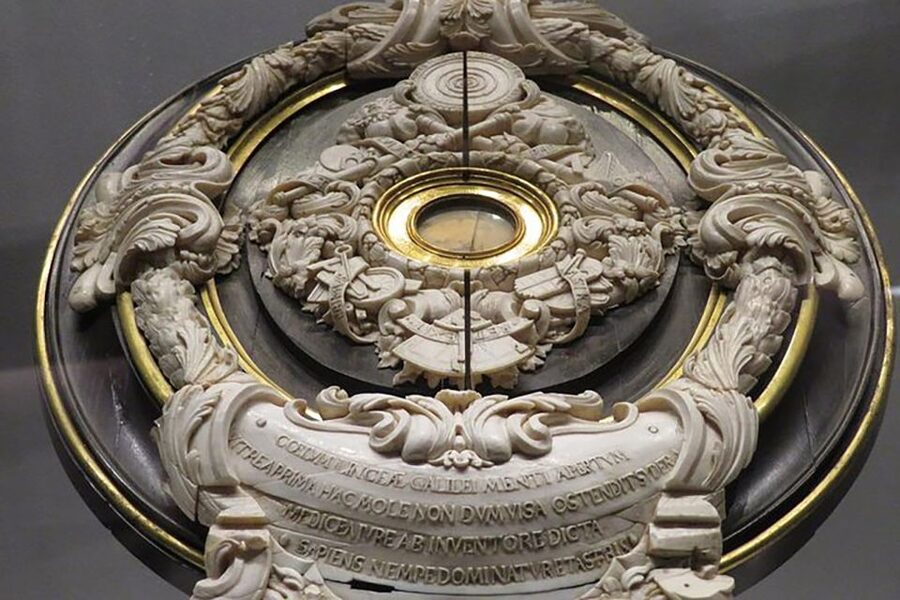
This is the part that makes the tour click: you get to admire original scientific tools made by Galileo himself—especially telescopes and lenses tied to his observations of Jupiter’s moons. You don’t just hear that he looked at the sky. You see the kind of optics he used to spot and interpret what was there.
A telescope visit can go two ways. It can become a lecture about astronomy, or it can be about the actual objects: how the shape, the glass, and the design influence what you can notice. On this tour, the instruments are treated like the center of the story. Your guide points out details that are easy to miss if you’re walking by on your own. You’ll get a clearer sense of why those moons mattered. They weren’t a random discovery; they were evidence that supported a broader scientific worldview.
One practical tip: bring your curiosity, not just your questions. If you’re the kind of person who likes to understand how something works, pause and let the guide explain the “why” behind what you’re seeing. Even if you don’t remember every term, you’ll likely walk out with an understanding of the method: observe carefully, describe what you see, and use tools as part of the argument.
If you’re someone who loves “how it works” science, you’ll probably enjoy the tour more than you expect. The museum experience turns the equipment into a story of human problem-solving—how Galileo made a better view possible with the tools available in his era.
How the Museum Turns Observations Into Science
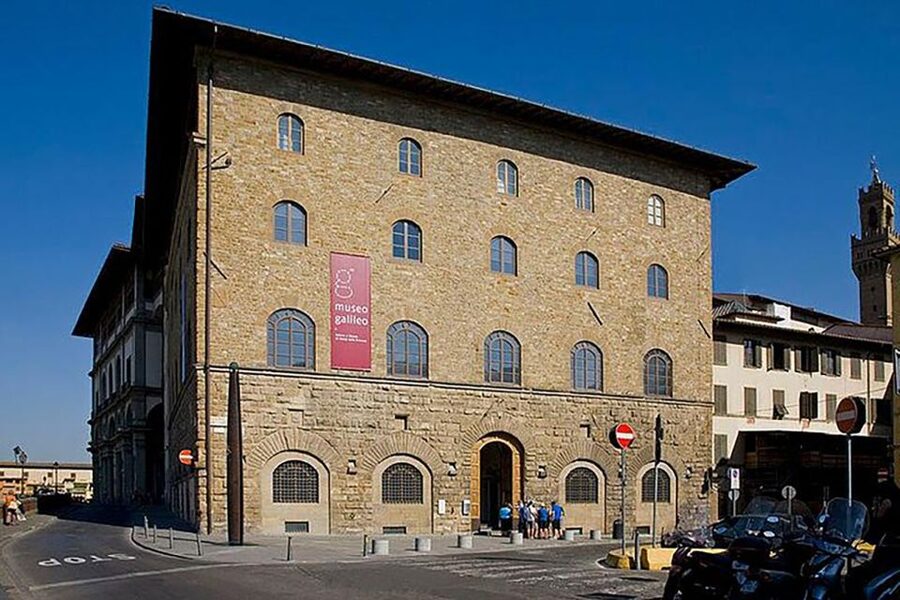
Museo Galileo’s mission is history of science, but it’s not stuck in a museum-only mindset. The institution combines exhibits of instruments with an institute focused on research, documentation, and sharing the history. In real terms, that means your guide can connect artifacts to the development of ideas, not just the object’s age.
During your guided time, you can expect your official guide to reveal the secrets of the museum—meaning you’ll get context that makes the displays understandable. That’s especially important here, because you’re dealing with instruments where the “wow” isn’t always obvious at first glance. A lens or telescope can look simple until someone explains what it was built to do and what it made possible.
The best part of a guide-led science museum visit is when the guide helps you slow down. You learn how to look at an object the way a scientist would: pay attention to what you can trust, what might distort the view, and what observation means in the wider debate of the time.
And since the tour runs in multiple languages (Italian, English, and Spanish), you can pick what you’ll be most comfortable with. If you’re traveling with someone who prefers English or Spanish, choose that language option so you don’t end up translating in your head the entire time. The difference between a “nice explanation” and a “this makes sense” explanation often comes down to language comfort.
Based on what I’ve heard about guides like Ivan, Rebecca, Beatrice, and Elizabeth, the human factor seems strong: these guides are described as experienced and engaging, with enough detail to keep you interested without getting lost in jargon. If you get a guide with that style, you’ll get more than a list of facts. You’ll get a mental model for how Galileo changed the conversation about what’s visible and what counts as proof.
After the Tour: Using Your Extra Time Wisely Inside the Museum
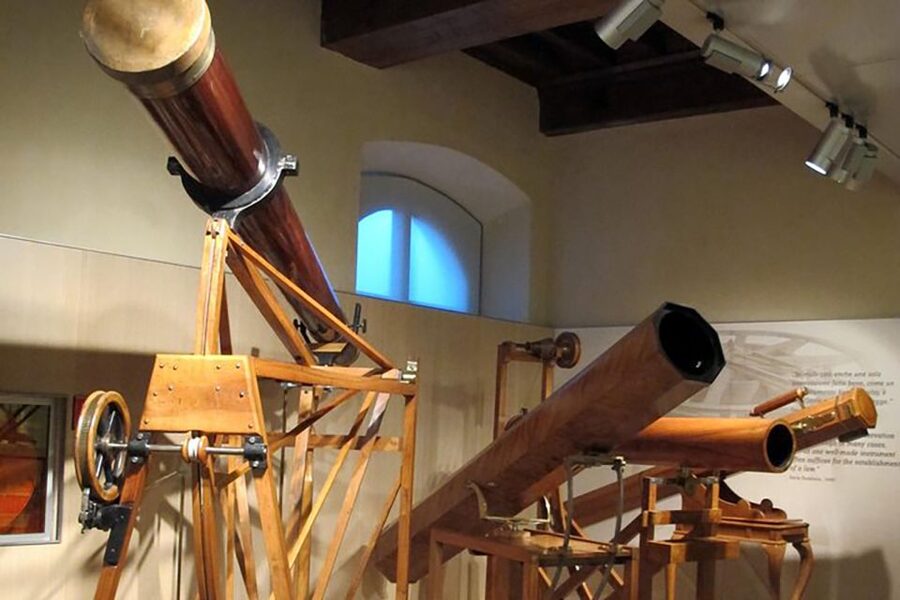
A big perk of this experience is that the guided segment is only the start. When the tour ends, you can stay in the museum as long as you like. That means you can match your time to your interest level instead of forcing yourself to keep up with a fixed itinerary.
Here’s how I’d use that extra time, in a practical way. If you loved the telescopes and lenses section, spend your free time revisiting those exhibits slowly. Look again at the instruments with the guide’s explanations still in your head. You’ll notice differences you didn’t catch the first time, and you’ll understand what you’re being shown instead of just admiring it.
If you’re more of a history-of-science person, use the museum time to follow the bigger story your guide highlighted. The museum is built to present science’s development as something human—tools, debates, documentation, and changing ways of seeing. Without making up a “must-do” path (since the museum layout and exhibit focus can vary), I’d still recommend you pick one theme and stick with it for your extra hour or two. That keeps your visit from turning into aimless wandering.
Also remember the rules. No luggage or large bags means you’ll want your hands free for looking, photographing (if permitted by the museum), and moving around comfortably. I’d avoid carrying anything awkward that makes you fumble your way through a museum.
If you like structured time with space to breathe, this format hits a sweet spot: the guide gives you direction, and the museum time lets you decide how much you want.
Price and Value: What $108 Buys You Here
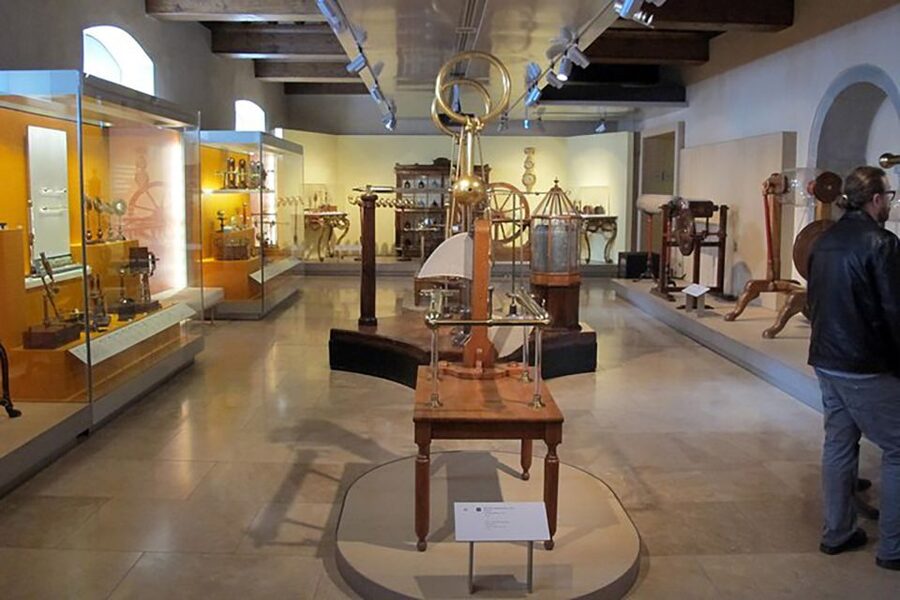
At $108 per person for about 1.5 hours, this isn’t a budget add-on. But it’s also not just you paying for entry. The price includes museum entrance fees, an official guide, and the guided tour itself. You also skip the ticket line, which can matter in busy Florence, even for timed museum visits.
So where does the value show up?
- You’re paying for an official guide. In a museum focused on instruments and scientific context, that’s not a luxury. It’s what turns objects into understanding.
- You get a small group capped at 9. That’s the difference between hearing the explanation and actually getting answers when you want them.
- You’re not stuck with a rigid schedule. After your guided time, you can stay longer if you want.
If you were planning to visit the museum anyway, this kind of guided session tends to be worth it when you care about seeing original instruments and understanding what they meant. If you’re only casually interested in science history and you prefer to browse quietly with no guide, you might decide solo entry makes more sense. But for many people, the guided experience is the whole point—especially when original Galileo-linked optics are involved.



Who Should Book This Galileo Tour—and Who Might Skip It
This tour makes the most sense for you if:
- You like science history but want it explained in plain language tied to real objects
- You’re curious about how instruments shaped what people believed
- You enjoy small groups and don’t want to fight crowds for a good view
- You want a guided highlight now, then free time later
It may be less ideal if:
- You need a very long, unhurried museum session with no structured pacing
- You’re visiting with heavy luggage or you won’t be able to travel light (the museum doesn’t allow luggage or large bags)
- You’re only interested in fast sightseeing and don’t want a science-focused stop
In terms of languages, this tour is offered with live guides in Italian, English, and Spanish. If you’re not fluent in Italian, English or Spanish will keep the experience comfortable and easier to follow.
Should You Book This Museo Galileo Small Group Tour?
I’d book it if you want Galileo to feel real, not abstract. The chance to see original instruments, including telescopes and lenses connected to observations of Jupiter’s moons, is the kind of experience that usually benefits from an official guide. Add the small group size and the ability to stay afterward, and you get both structure and freedom.
If your idea of a museum day is purely self-guided and slow, you might choose solo entry. But if you like your history with context—tools explained, not just displayed—this is a smart use of your time in Florence.
FAQ
How long is the Museo Galileo small group tour?
The duration is 1.5 hours.
How big is the group?
It’s a small group limited to 9 participants.
What’s included in the price?
You get museum entrance fees, an official guide, and a guided tour of the museum.
Can I skip the ticket line?
Yes, this experience includes skipping the ticket line.
What languages are the guides available in?
The live guide is available in Italian, English, and Spanish.
Is the tour wheelchair accessible?
Yes, it is wheelchair accessible.
What should I bring?
Bring a passport or ID card and wear comfortable shoes.
What is not allowed inside the museum?
Pets are not allowed. Smoking is not allowed. Luggage or large bags are not allowed.
What’s the cancellation policy and payment option?
You can cancel up to 24 hours in advance for a full refund. You can also reserve now and pay later to keep your plans flexible.