REVIEW · WELTMUSEUM WIEN
Vienna: Ticket to the Weltmuseum
Book on GetYourGuide →Operated by Kunsthistorisches Museum · Bookable on GetYourGuide
One museum, world stories, and a giant hall. The Weltmuseum is the kind of place where Penacho makes you slow down, and the listed pillar hall helps you orient before you start hunting for connections across continents.
What I really like here is that the highlights aren’t just nameplates. You get a memorable focus on the antique Mexican feather decoration and you also see the famous sailor James Cook collection, alongside ethnographic objects and historical photos and books tied to non-European cultures. One thing to consider: this is museum time, not a guided show, so if you hate wandering and want a strict, hour-by-hour program, plan for a bit of self-direction.
In This Review
- Key things to look for in the Weltmuseum
- Weltmuseum Basics: What Your Ticket Actually Covers
- Meeting at Heldenplatz, then Let Neue Burg Do the Work
- Entering the Listed Pillar Hall: The Museum’s Heart
- Penacho: Why This Antique Feather Decoration Hits Hard
- Rudolf II’s Kunstkammer Pieces: How Habsburg Collecting Worked
- James Cook Collection: Voyages, Objects, and 19th-Century Curiosity
- Ethnographic Objects, Photos, and Books: More Context Than a Quick Look
- A Realistic One-Day Plan That Doesn’t Feel Like a Rush
- Price and Value: Is $18 Worth It?
- Who This Ticket Suits Best
- Should You Book This Ticket?
- FAQ
- FAQ
- How much does the Weltmuseum ticket cost?
- How long is the experience valid?
- Where do I meet for the Weltmuseum ticket?
- What’s included in the ticket price?
- Is the Weltmuseum wheelchair accessible?
- Can I cancel for a refund?
Key things to look for in the Weltmuseum
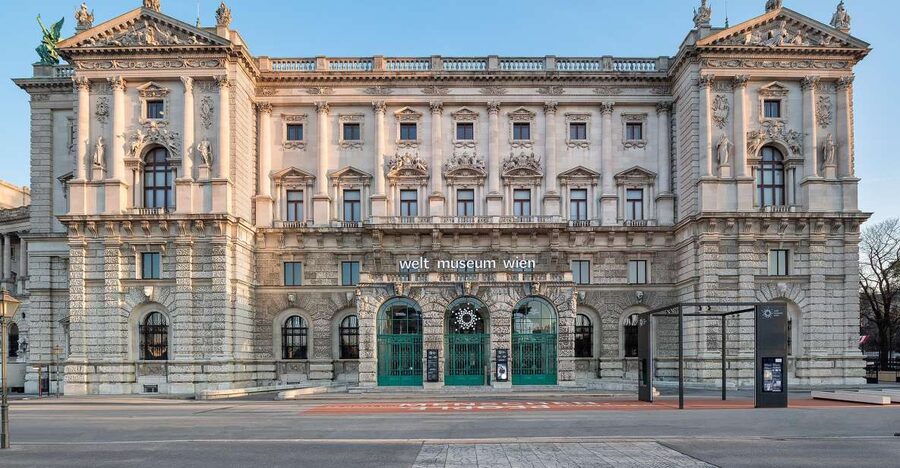
- Penacho (antique Mexican feather decoration): the single object many people come for, and for a good reason.
- James Cook collection: a standout link between curiosity, collecting, and 19th-century seafaring.
- Kunstkammerstücke of Emperor Rudolf II: Habsburg-era objects that show how collecting worked.
- The listed pillar hall: the museum’s heart, also used as a stage for events.
- Ethnographic objects plus historical photos and books: more context than you’d expect from a single-site museum.
Weltmuseum Basics: What Your Ticket Actually Covers
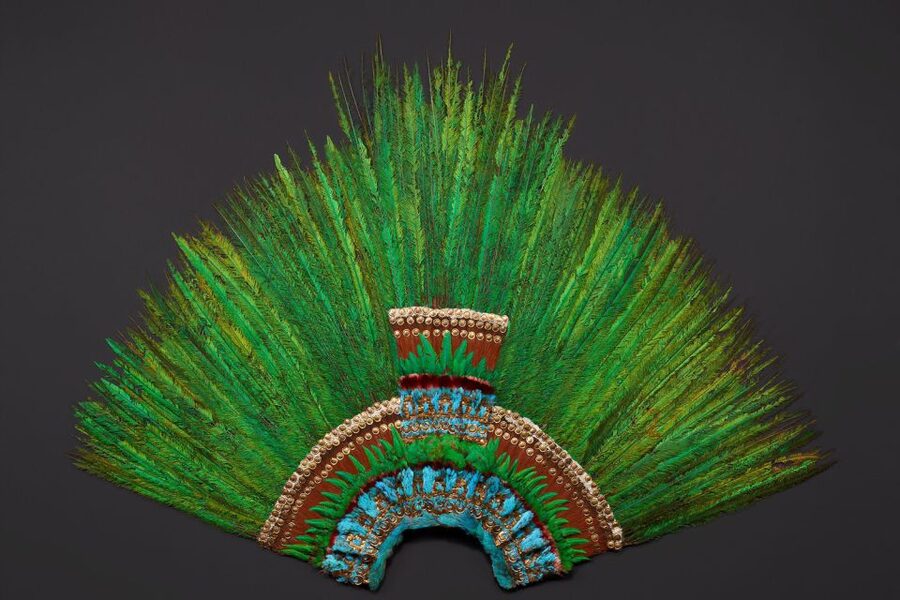
This is a one-day admission ticket to the Weltmuseum in Vienna. You pay $18 per person, and you’re free to spend the day inside the museum at your own pace.
The experience is run by the Kunsthistorisches Museum. That matters because the Weltmuseum sits in the bigger world of Vienna’s museum culture, and the building itself feels like part of the show, not just a container for objects.
You’ll be walking through collections that trace back about 500 years of Habsburg collecting. That’s a long timeline, and it shows in the way the museum mixes display styles: ethnographic objects, historical photographs and books, and special “Kunstkammer” pieces.
If you’re short on time, you’ll want to pick targets. The museum is described as large, and if you try to see everything, you’ll end up racing.
Meeting at Heldenplatz, then Let Neue Burg Do the Work
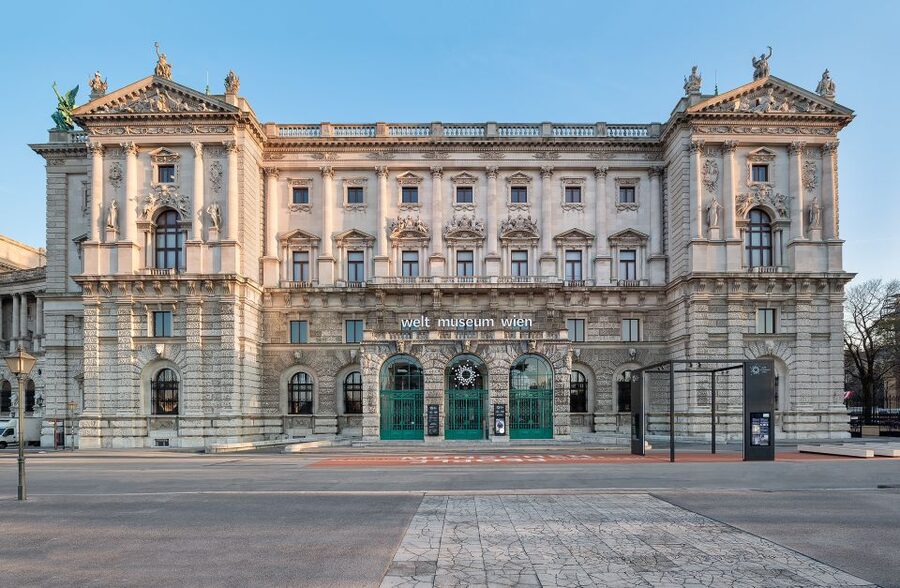
Your meeting point is Heldenplatz, Neue Burg, 1010 Vienna. Even if your visit is self-directed, showing up in the right place helps you get oriented fast, especially because the museum is part of the Neue Burg area right by the grand center of Vienna.
I like that the museum’s core experience is anchored in one major space. Once you find the pillar hall, you can use it like a home base and decide your next route from there.
Practical tip: if you’re arriving near a busy time, give yourself a little buffer. Vienna museums often reward calm pacing more than sprint planning, and your day will feel smoother when you aren’t fighting crowds.
And yes, the site is wheelchair accessible, so you don’t have to guess whether your route will work.
Entering the Listed Pillar Hall: The Museum’s Heart
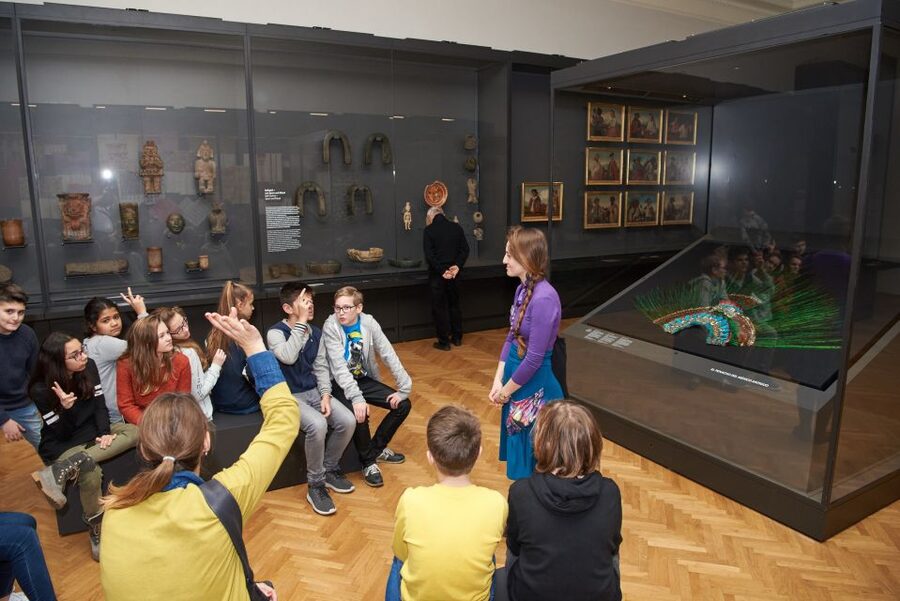
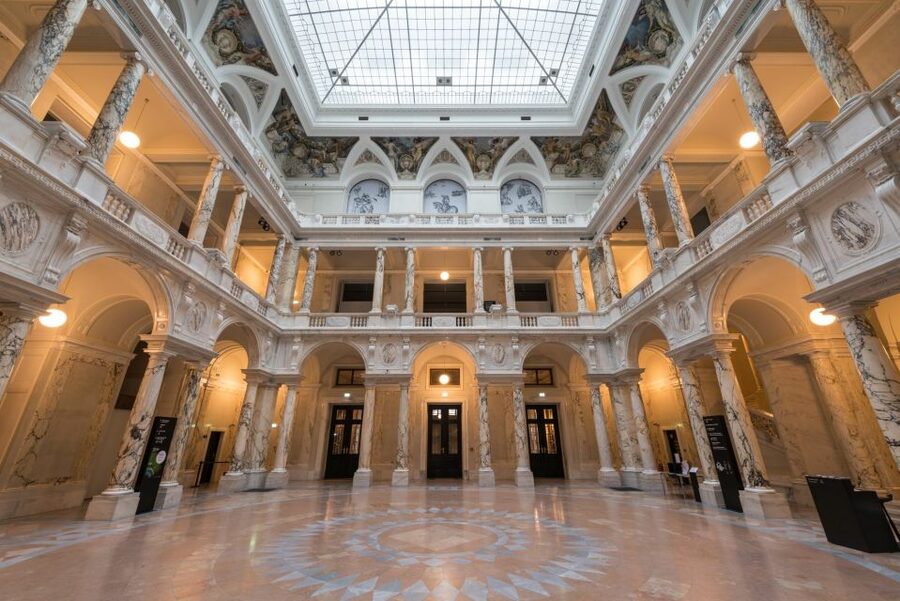
The pillar hall is the part people remember. It’s described as impressive, listed (meaning it’s protected), and it’s the heart of the Weltmuseum—open to the public and used as a stage for museum events and customer events.
Even if you never attend an event, this hall changes how you experience the collections. It’s easier to connect the objects when you’re not constantly moving through narrow, disconnected rooms. The hall gives you a sense of scale and symmetry, and it makes the museum feel like one coherent place.
This is also where it makes sense to pause. I like to treat the pillar hall as your first “reset button,” especially if you’re coming from another stop in the city.
There’s a new museum café too, and it’s a nice way to break your visit. A short coffee break here can keep the rest of the day enjoyable instead of turning into a blur.
Penacho: Why This Antique Feather Decoration Hits Hard
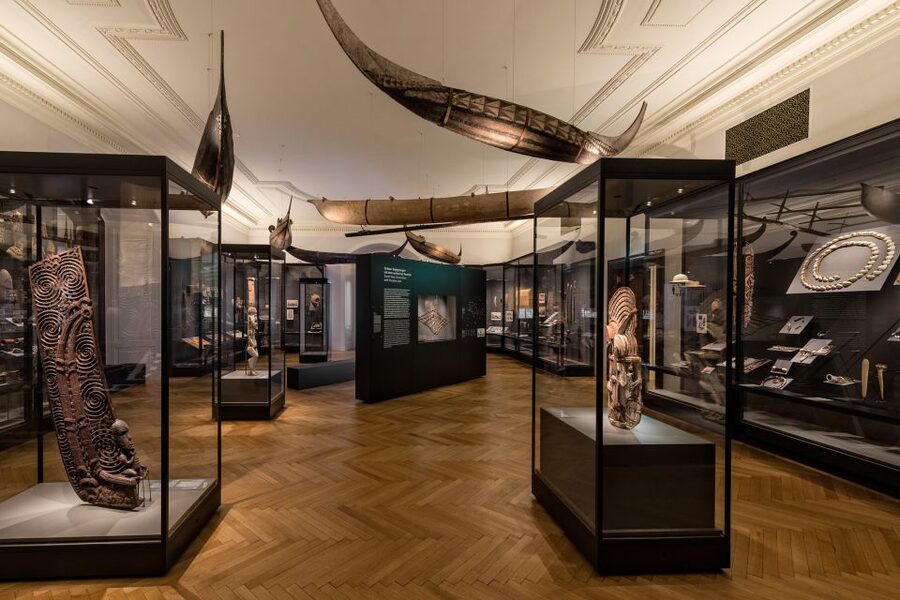
The antique Mexican feather decoration Penacho is one of the world-famous highlights of the Weltmuseum. If you came for one object, this is the one to place at the top of your list.
What makes Penacho special in a museum like this is the contrast of craftsmanship and context. You’re looking at something that was made with enormous care, and the museum framing helps you connect it to broader historical collecting and how different cultures entered European collections.
I recommend giving it a slow look. Not because it needs a dramatic speech, but because these feather works reward attention: you’ll often notice how materials, color placement, and design choices create a visual structure even from a distance.
If you’re visiting with kids or friends who want a quick win, Penacho delivers fast. If you like details, it delivers even more—just make time to stand there longer than you think you need.
Rudolf II’s Kunstkammer Pieces: How Habsburg Collecting Worked
Another major highlight is the museum’s “Kunstkammerstücke” linked to Emperor Rudolf II. Kunstkammer is basically the idea of a collector’s cabinet—an obsession with objects, rarity, and the stories items can carry.
Rudolf II is a name you’ll see when people talk about collecting and cabinets of curiosities in European history. In the Weltmuseum setting, those pieces connect the Habsburgs’ collecting habits with the wider world—so you’re not just seeing objects, you’re seeing a pattern.
I like this part because it adds a layer you can use elsewhere in Vienna. Once you understand that Habsburg collecting didn’t happen randomly, you start noticing relationships between museums, displays, and how European collections were built over centuries.
One caution: if you only want ethnographic context and you skip historical collecting context, you might miss why these items were valued. If you’re curious about museum history itself, Rudolf II’s section is worth your time.
James Cook Collection: Voyages, Objects, and 19th-Century Curiosity
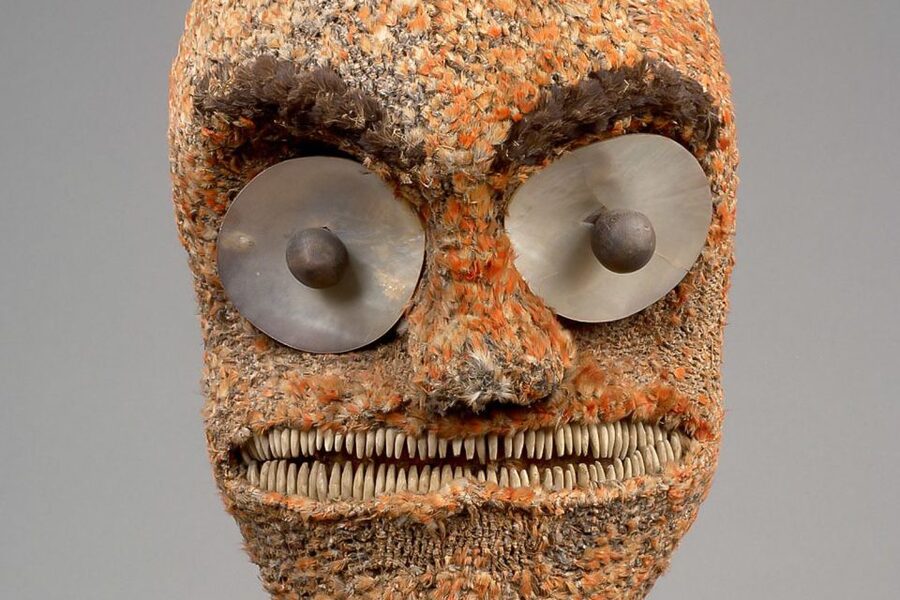
The Weltmuseum’s collection related to the well-known sailor James Cook is another standout. The museum frames it as a famous collection from the 19th century, and it’s a powerful example of how exploration and collecting often traveled together.
It’s easy to treat Cook as a name from textbooks. Inside the museum, he becomes a connector between objects, collecting networks, and the way European institutions built knowledge through physical things.
If you like big themes—like exploration, trade, and how knowledge changes when it’s brought back—you’ll probably enjoy moving through this section. The objects help you feel how collecting worked in practice, not just in theory.
Practical approach: don’t just read labels and move on. Spend a minute asking yourself what kind of object this was meant to be, and what information it was meant to bring. That makes the collection feel less like a random assortment and more like a system.
Ethnographic Objects, Photos, and Books: More Context Than a Quick Look
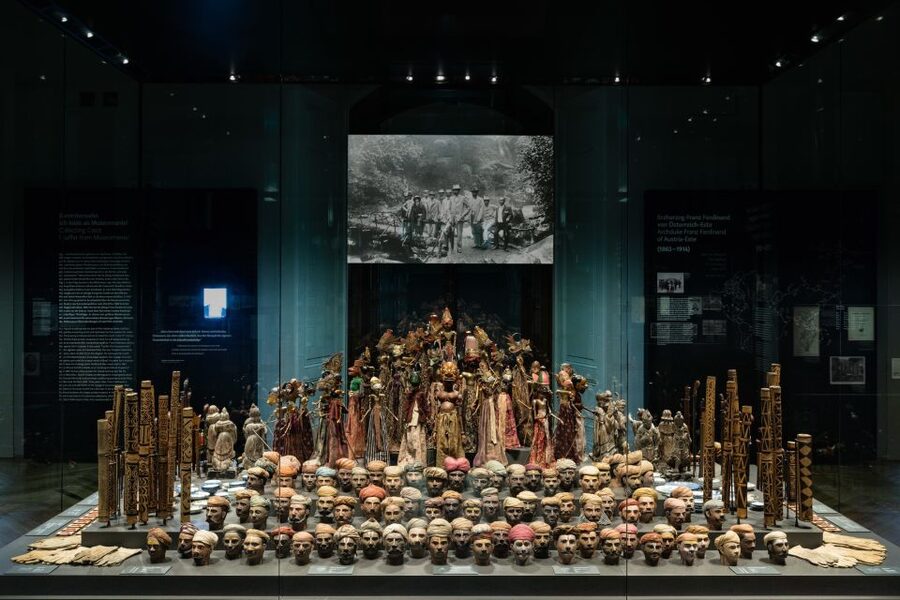
Beyond the biggest headline highlights, the Weltmuseum includes ethnographic objects, historical photographs, and books focused on non-European cultures. That blend is important.
Ethnographic objects alone can feel like isolated artifacts. Photos and books can bring added context, showing how images and printed material shaped European understanding—sometimes accurately, sometimes through the lens of the era collecting.
I find it helpful to move between types of media. If you see an object and then look at historical imagery or text connected to similar themes, you get a better sense of what the museum is trying to say. It’s not just the object; it’s the story around it.
Because the collection goes back centuries, you may also notice that the museum’s approach is partly about time. You’re seeing how collecting decisions from 500 years ago ripple into what’s preserved and displayed today.
A Realistic One-Day Plan That Doesn’t Feel Like a Rush
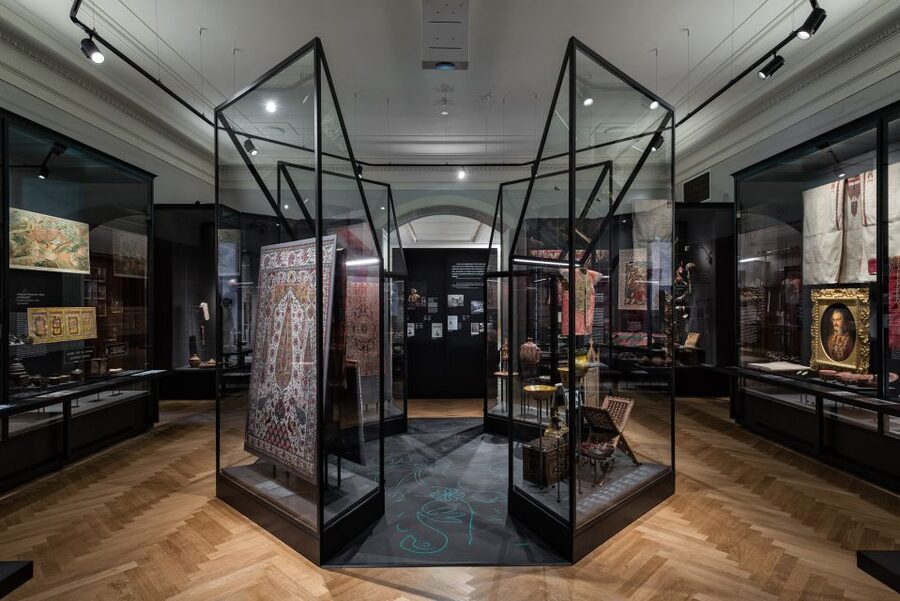
You’ve got one day, and the ticket is valid for that day. The museum is large enough that a rushed visit will feel thin, especially if you want to see the key objects properly.
Here’s a simple plan you can use without overcommitting:
- Start with the pillar hall to get oriented, then decide what you want most.
- Put Penacho and the James Cook collection on your “must-see” list.
- After those anchors, follow the museum’s flow through ethnographic objects and historical photos and books.
- Save Rudolf II’s Kunstkammer pieces for when you want a change of pace—those objects often feel different from ethnographic displays.
Timing tip: aim for one long stop at Penacho, then keep the rest of the day lighter. If you try to treat every highlight like a long sit-down, you’ll burn the day.
Also, consider the café as a scheduling tool. A short coffee break in the middle of your visit can keep your attention sharp for the final rooms.
If you want audio support, there’s mention of an audio guide called House of Habsburg. It can add context, but it won’t land for everyone, so don’t expect it to replace your own priorities.
Price and Value: Is $18 Worth It?
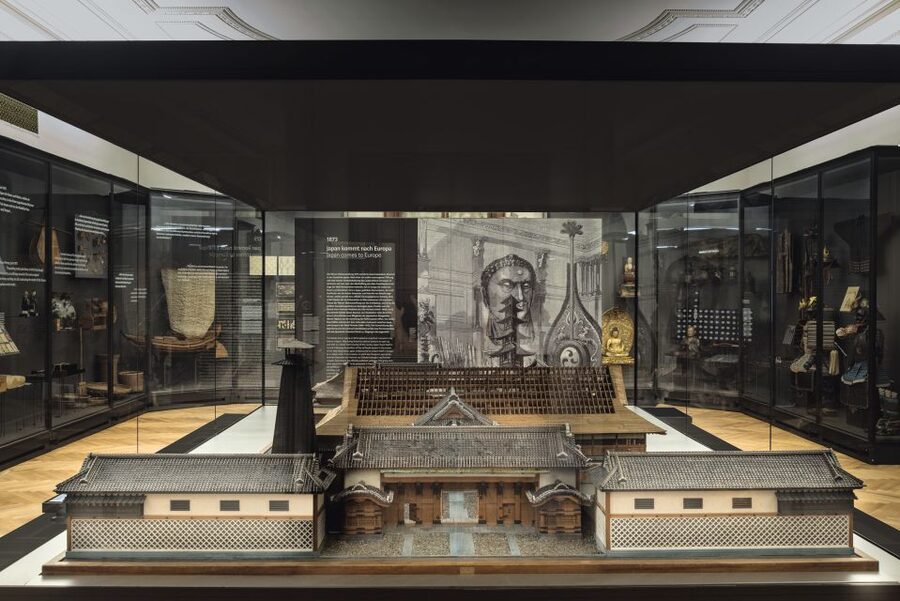
At $18 per person, the ticket cost is not trivial for a single museum visit. The good news is that the museum feels like more than one kind of experience packed into one location.
You’re getting:
- major headline objects like Penacho and the James Cook collection
- Kunstkammer-style pieces linked to Rudolf II
- ethnographic objects with historical photographs and books
- a dramatic, listed pillar hall that changes the whole feel of the visit
That combination is why people often feel like they’re getting value out of a single admission. It’s not a narrow, one-theme museum.
The trade-off is time. If you only have a short attention span or you plan to “skim and go,” the price can feel heavy. If you’re willing to slow down for a few key stops and accept that you can’t see every room in maximum detail, it becomes a fair deal.
Who This Ticket Suits Best
This is a strong fit if you want museum culture that goes beyond the usual single-country story. You’ll like it if you enjoy objects, collecting history, and the way historical European cabinets and 19th-century curiosity shaped what ended up in major collections.
It’s also a good choice if you like variety. One part of the day can be about Penacho, another can be about maritime history through Cook-related materials, and then you can switch gears to Habsburg-era collecting.
If you prefer fully guided tours with strict schedules, you might need to create your own structure using the highlights as anchors. The ticket gives you admission, and you decide how to spend the time.
Should You Book This Ticket?
Yes—book it if Vienna’s museums are your thing and you want a day that mixes world cultures with the history of collecting. Penacho is a convincing reason on its own, and the listed pillar hall makes the visit feel memorable even before you hit the object rooms.
Skip this only if you’re looking for a tightly scripted guided experience, or if you strongly dislike wandering through large museums at your own pace. For most people who enjoy thoughtful looking and don’t mind building their own route, the Weltmuseum is a solid value for a focused day.
FAQ
FAQ
How much does the Weltmuseum ticket cost?
The ticket price is $18 per person.
How long is the experience valid?
The admission is valid for 1 day. You should check availability to see starting times.
Where do I meet for the Weltmuseum ticket?
The meeting point is Heldenplatz, Neue Burg, 1010 Vienna.
What’s included in the ticket price?
The ticket includes admission to the Weltmuseum in Vienna.
Is the Weltmuseum wheelchair accessible?
Yes, the experience is wheelchair accessible.
Can I cancel for a refund?
Yes. You can cancel up to 24 hours in advance for a full refund.