REVIEW · LILLEHAMMER
Maihaugen Museum/The Norwegian Olympic Museum, Lillehammer.
Book on GetYourGuide →Operated by Stiftelsen Lillehammer Museum · Bookable on GetYourGuide
One site, centuries of Norway in one walk. Maihaugen pairs an open-air time machine with the Olympic Museum, and it’s an easy way to understand Lillehammer beyond the views. I especially like the way the grounds cover long stretches of daily life, from farm buildings to the Garmo stave church (from the 1200s). One key consideration: in colder months, you may find fewer outdoor houses open, so your plan should lean more on the indoor exhibitions.
I also really like the indoor portion for a practical reason: it tends to work on days when the weather (or opening hours) are less forgiving. The Olympic Museum is the other big reason this ticket is worth thinking about. It focuses on Norway’s Olympic story, with special attention on Oslo 1952 and Lillehammer 1994, using hands-on parts and film to make the moments feel current.
In This Review
- Key points that help you plan
- Why Maihaugen plus the Olympic Museum works as a full-day plan
- Getting oriented at the Visitor Center (and picking your route)
- The open-air timeline: stave church, old farms, and houses through the centuries
- Indoor exhibitions: where the story stays clear even in bad weather
- The Norwegian Olympic Museum: Oslo 1952 and Lillehammer 1994 in context
- Norwegian Postal Museum in summer: a small detour with real personality
- Where to eat and how to use the museum shop wisely
- Christmas Market on the first weekend of Advent
- Price and value: why $19 can make sense for the right visitor
- Who should book this ticket (and who might not love it)
- Should you book Maihaugen plus the Olympic Museum?
- FAQ
- What’s included in the Maihaugen and Olympic Museum ticket?
- Is the Norwegian Postal Museum included year-round?
- How long should I plan for?
- Where do I go when I arrive?
- Are there English-language hosts or greeters?
- Is the site wheelchair accessible?
- What are the outdoor highlights I should look for?
- What Olympic history does the Norwegian Olympic Museum cover?
- Is free cancellation available?
Key points that help you plan
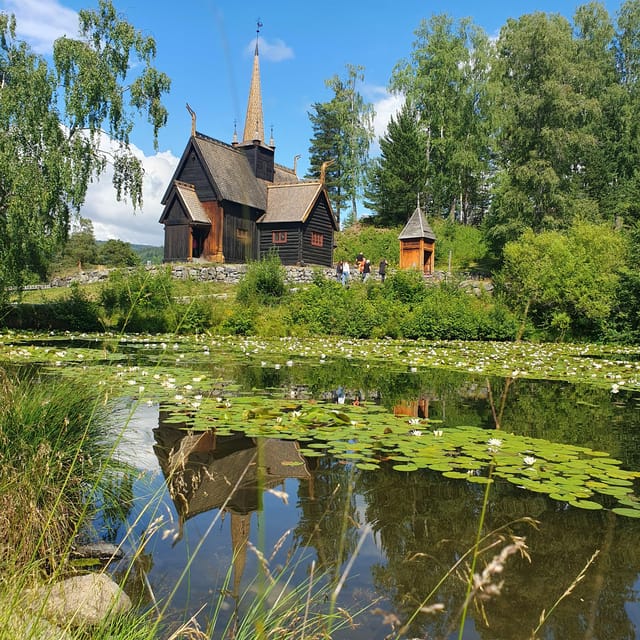
- Garmo stave church (1200s) is the kind of stop that makes the whole area feel real.
- Indoor exhibitions are your best bet when outdoor houses are limited by season.
- Olympic Museum focus includes Norway’s standouts, especially Oslo 1952 and Lillehammer 1994.
- “Impulses” and “We won the land” add strong, thematic indoor storytelling.
- Postal Museum is summer-only, and it’s a good add-on if your dates line up.
- Christmas Market runs the first weekend of Advent, turning parts of the museum into a seasonal event.
Why Maihaugen plus the Olympic Museum works as a full-day plan
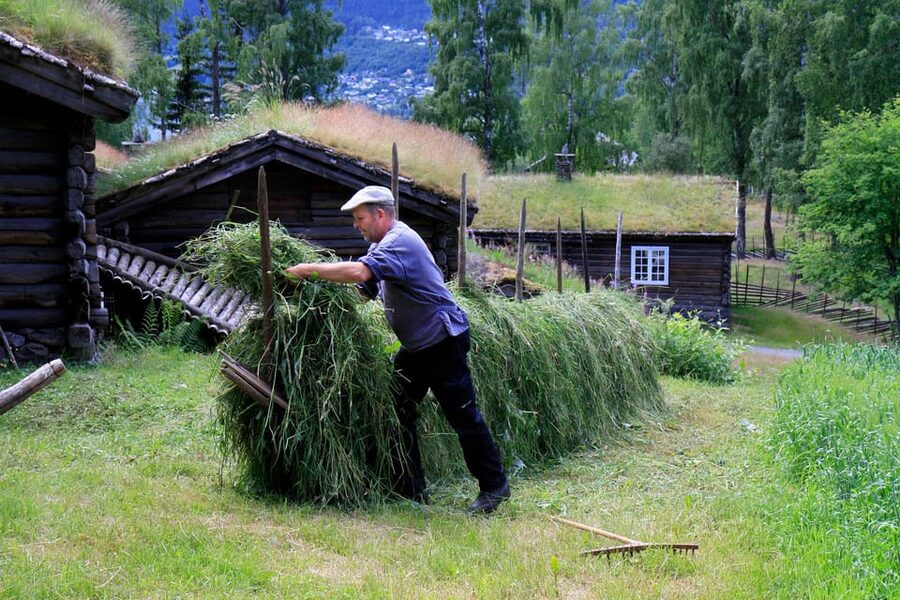
Maihaugen is Norway’s largest open-air museum, and the “largest” part matters. You’re not just popping into one pretty building. You’re walking through more than 200 buildings that span roughly eight centuries, with indoor exhibitions that keep the story going year-round. Put another way: you can build a coherent day even if the weather changes.
Then there’s the second half of the value equation. The Norwegian Olympic Museum sits on the same site, so you can connect Norway’s cultural history (Maihaugen) with modern sporting identity (the Olympic Museum) without commuting around Lillehammer. If you like museums that connect dots instead of making you hop between locations, this combo is smart.
The one thing you should respect is seasonality. The outdoor parts are the star in summer, and in winter you may end up with fewer open houses. That doesn’t make the site useless. It just changes what you’ll want to prioritize.
Getting oriented at the Visitor Center (and picking your route)
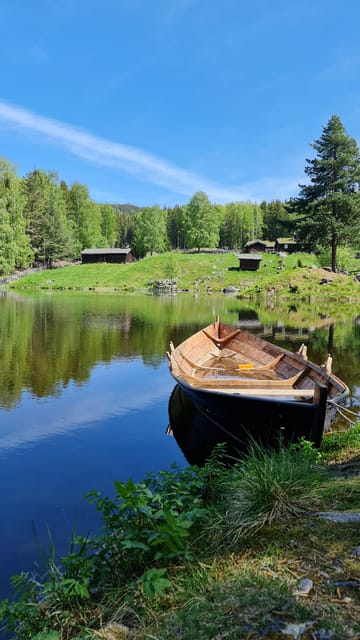
Start at the Visitor Center and go into the area with the counter and hosts. That’s your practical meeting point, and it’s the fastest way to get bearings before you wander for an hour and realize you started at the far end of the museum.
From there, think in “zones,” not in a checklist. The site spans a lot of ground, and when you’re focused on one area at a time, you feel less like you’re hunting for entrances and more like you’re following a timeline. Your ticket covers entry to:
- The open-air museum
- The indoor exhibitions
- Outdoor exhibitions (they vary by season)
- The Norwegian Olympic Museum
- The Norwegian Postal Museum in summer only
A small but important note for planning: your ticket is valid for 1 day, and you’ll want to check starting times based on availability. If you can, schedule your day so you’re not rushing the indoor parts.
If you’re traveling with kids, this is a good place to avoid museum fatigue. There are places to eat, and there’s enough variety that adults can keep learning while kids stay moving.
The open-air timeline: stave church, old farms, and houses through the centuries
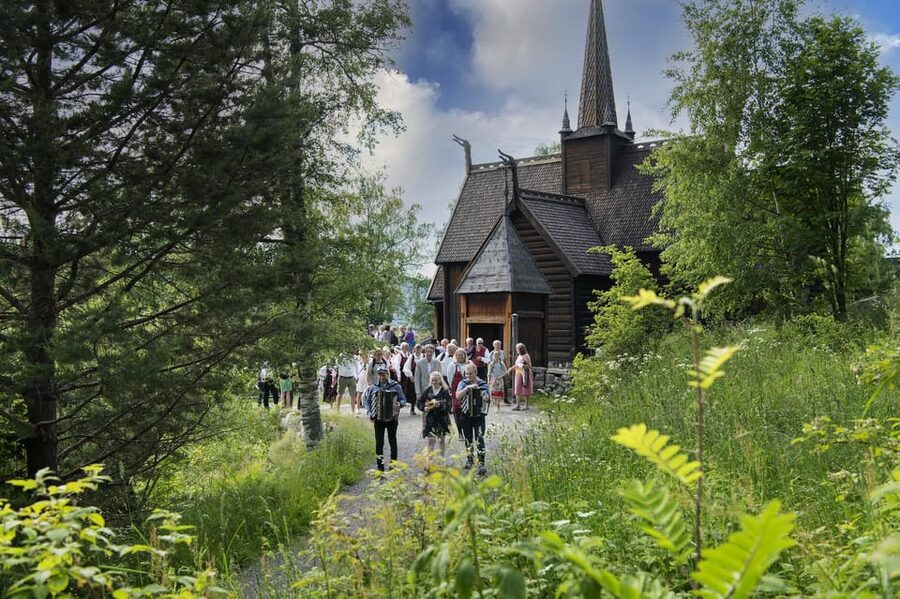
The open-air museum is where Maihaugen earns its reputation. The highlights aren’t random either—you can feel the structure of Norwegian life changing over time.
Here are the stops that matter most:
- Garmo stave church (1200s): A standout because it’s early history in a form that still looks and feels like it belongs in the landscape around it. Even if you’re not a “church person,” the architecture is worth slowing down for.
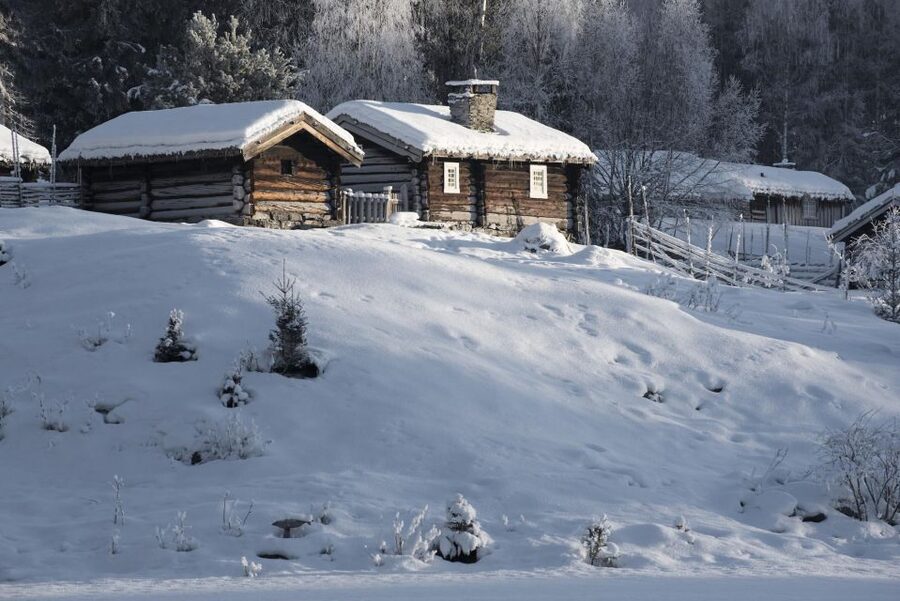
- Old farms from the 1600s–1800s: These buildings help you picture how people worked, stored goods, and lived in mountain farm settings. It’s not just buildings; it’s the layout and how the structures relate to daily routines.
- Houses from the 1900s: These add a later layer, so you don’t just stay stuck in “old Norway.” You get a smoother bridge toward modern life and design.
Walking the grounds takes energy. You’ll likely cover more distance than you expect, especially if you stop often to read details or take photos. If you want to see a lot without burning out, pick a few anchors (like the stave church and one farm cluster), then fill in the rest around them.
One drawback to keep in mind: outdoor buildings can be closed depending on the season, which means you might not always get the full “open door” experience. When that happens, your best move is to lean into the indoor exhibitions for continuity.
Indoor exhibitions: where the story stays clear even in bad weather
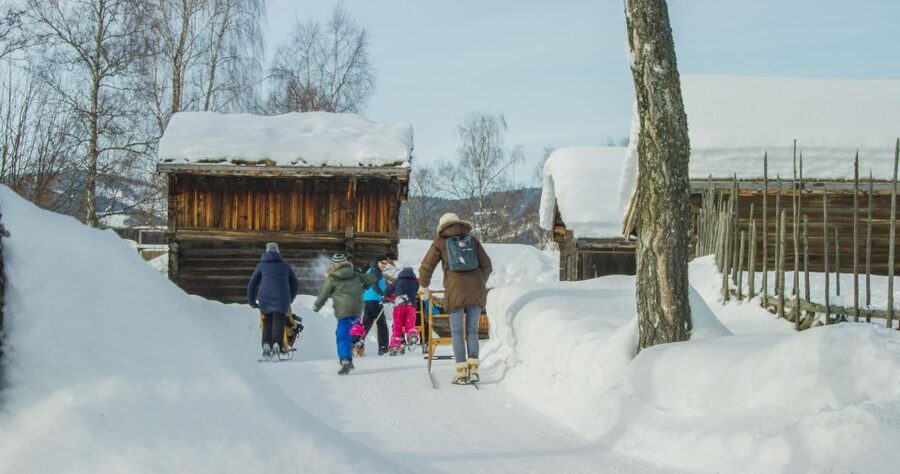
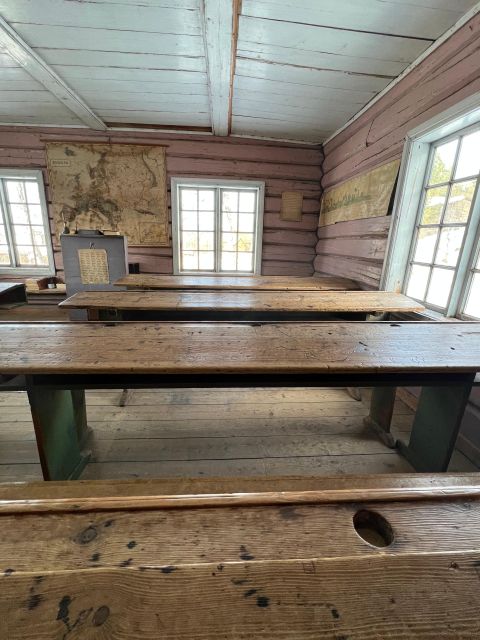
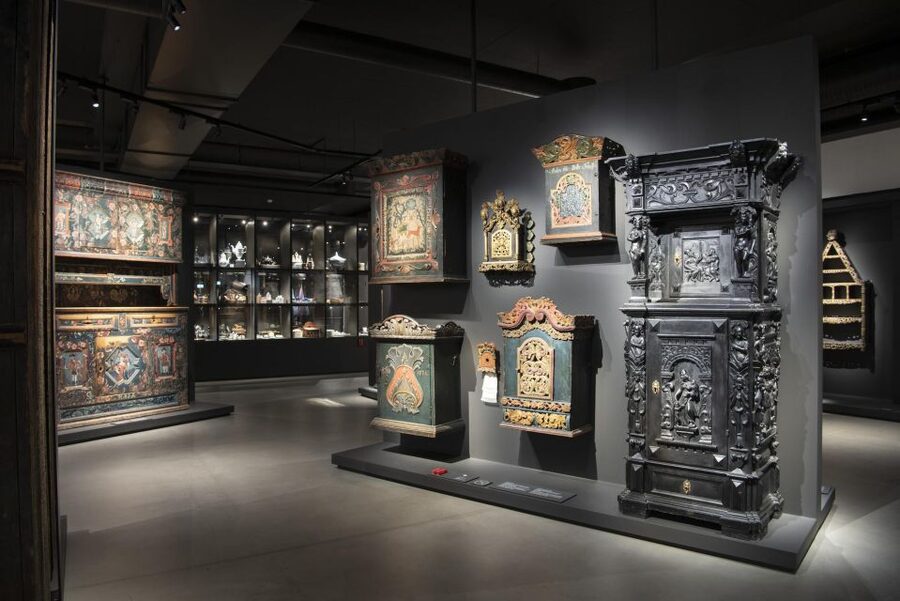
If you want a reliable plan, the indoor exhibitions are the anchor. On days when outdoor access is limited, indoors keeps the museum feeling like a complete experience rather than a partial one.
This is also where you’ll find standout themed exhibitions, including:
- Impulses
- We won the land
The value here is clarity. Open-air museums can sometimes feel like you’re walking through separate exhibits with gaps in between. Indoors helps tie the timeline together, so you understand not just what you’re seeing, but why it matters—how culture shifts, how Norway changes over time, and how everyday life fits into the larger picture.
If you’re traveling with someone who hates being outside for long stretches, this is the compromise that works. You still get the authenticity of the outdoor site, but you’re not dependent on good weather or full outdoor openings.
The Norwegian Olympic Museum: Oslo 1952 and Lillehammer 1994 in context
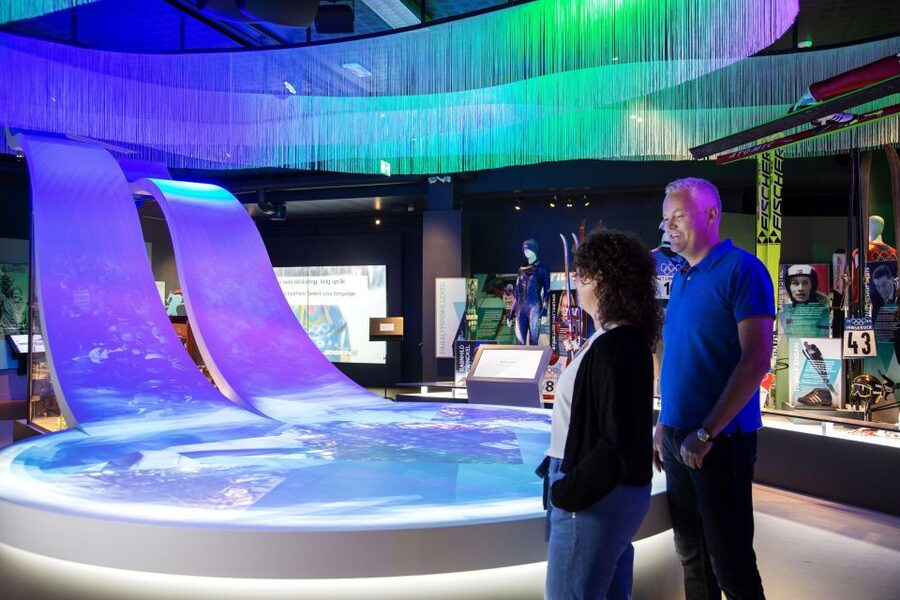
The Norwegian Olympic Museum is on the same grounds, and it plays a different role than Maihaugen. Maihaugen answers: how people lived. The Olympic Museum answers: how Norway showed up on the international stage.
What makes it especially appealing is the museum’s focus on Norway’s Olympic story across time, with special attention on two events:
- Oslo 1952
- Lillehammer 1994
You’ll see original objects and experience interactive elements and films that bring Olympic moments to life. That mix matters. Static displays are fine, but films and interactive parts keep you from feeling like you’re reading for an hour. It’s also a nice reset after the walking and looking outdoors.
Timing tip: if you’re worried about outdoor closures, you can even make the Olympic Museum your early priority, then go outside once you know what’s open.
Norwegian Postal Museum in summer: a small detour with real personality
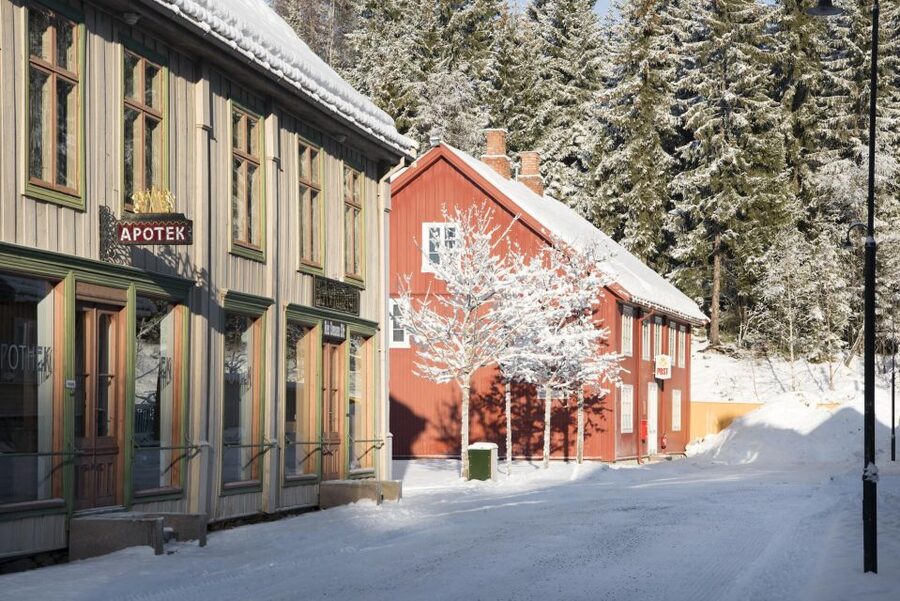
If your visit is in summer, the Norwegian Postal Museum is included in the ticket. It’s open only during that season, so if you’re not sure when you’re going, double-check your dates.
This addition is fun because it connects technology and daily life. The museum preserves Norwegian postal history and includes exhibitions that feature an old train with a postal carriage. Even if you’re not into communication history, the train element makes it tangible, and it gives you something different from the architecture-heavy parts of Maihaugen.
In a perfect day flow, it’s the kind of stop you can place mid-afternoon, when your legs want a break but your brain still wants to learn.
Where to eat and how to use the museum shop wisely
Maihaugen has a cafeteria in the main building that’s open all year round. In summer, there are additional places to eat spread across the open-air museum. Translation: you won’t have to plan your lunch like a military operation.
I like building a lunch plan that prevents “hangry museum wandering.” If you eat near the center building, you can use the break to reset and then return to the route you want, without backtracking too much.
Then there’s the museum shop. If you like Scandinavian design or you want one practical souvenir rather than five small ones, this is where that works. You’ll generally find quality design products rather than random clutter.
Christmas Market on the first weekend of Advent
Maihaugen does seasonal events, and the standout is its Christmas Market on the first weekend of Advent. It’s the kind of event that turns the grounds into a layered experience: decorated houses from different historical periods, plus stalls with Norwegian crafts, handmade products, local food, and Christmas decorations.
If you’re visiting around that time, this can change your day from “museum day” into a “museum day with atmosphere.” The big win is that you still get historical context while enjoying a festive setting, and it’s especially family-friendly.
If you’re not visiting during Advent, don’t worry. You still get the core museum experience, but you’ll want to plan your day around the indoor/outdoor openings instead of seasonal programming.
Price and value: why $19 can make sense for the right visitor
At about $19 per person for a 1-day ticket, this isn’t a “quick look” add-on. It’s a plan that makes sense when you want a full day of cultural learning in one place.
Here’s why the value works:
- You’re paying for both open-air history and indoor exhibitions.
- You also get the Norwegian Olympic Museum, which is a major separate attraction in its own right.
- In summer, you add the Norwegian Postal Museum without paying extra for another ticket.
The main value risk is simple: if you visit when many outdoor houses are closed, you might feel like you bought more open-air coverage than you actually get. In that case, you should treat the day as a flexible mix—open-air for the highlights that are operating, and indoor for the core.
If your travel style is “one big museum day,” this price is more likely to feel fair. If your style is “I only like a couple exhibits,” you might want to trim expectations and focus on the Olympic Museum and the indoor timeline first.
Who should book this ticket (and who might not love it)
I think Maihaugen plus the Olympic Museum is best for:
- Families who want variety without changing locations
- People who like walking through time—buildings, farms, and later houses
- Visitors who want both cultural history and modern national pride
- Anyone who appreciates that the site is open all year round, even if the outdoor part changes
It may be less satisfying if:
- You strongly prefer guided indoor tours and need English-led guiding throughout every area
- You hate museums where outdoor buildings may not all be accessible at once
- You want a super tight schedule with no walking
The good news is that the indoor exhibitions keep the day from falling apart if outdoor access is limited. You can still leave with a coherent sense of Norway’s story at different eras.
Should you book Maihaugen plus the Olympic Museum?
Yes, I’d book it if you’re spending a day in Lillehammer and you want a “two-for-one” cultural experience: Norway’s everyday history outdoors and Olympic history indoors, both on the same ticket. With the indoor exhibitions and themed shows like Impulses and We won the land, you’re not dependent only on perfect outdoor conditions.
Hold off or adjust your expectations if you’re visiting in winter and you’re hoping every outdoor building will be open and interpreted. In colder months, your best strategy is to prioritize the indoor exhibitions and use the open-air areas for the standout architectural pieces that are operating.
If you’re the type who likes to plan a day around one place and make it count, this is a strong bet.
FAQ
What’s included in the Maihaugen and Olympic Museum ticket?
The ticket includes entrance to the Maihaugen open-air museum, the indoor exhibitions, the outdoor exhibitions (which vary by season), the Norwegian Olympic Museum, and the Norwegian Postal Museum in summer.
Is the Norwegian Postal Museum included year-round?
No. The Norwegian Postal Museum is included only during the summer.
How long should I plan for?
This is a 1-day experience.
Where do I go when I arrive?
Go into the Visitor Center and then to the counter area where the hosts are.
Are there English-language hosts or greeters?
Yes. The host or greeter provides support in English.
Is the site wheelchair accessible?
Yes. The experience is wheelchair accessible.
What are the outdoor highlights I should look for?
Key outdoor highlights include the Garmo stave church from the 1200s, old farms from the 1600s–1800s, and houses from the 1900s.
What Olympic history does the Norwegian Olympic Museum cover?
It covers Olympic history from ancient times to the present, with special focus on Oslo 1952 and Lillehammer 1994.
Is free cancellation available?
Yes. You can cancel up to 24 hours in advance for a full refund.