REVIEW · COPENHAGEN
Copenhagen: The Museum of Danish Resistance Entrance Ticket
Book on GetYourGuide →Operated by The Museum of Danish Resistance · Bookable on GetYourGuide
A wartime story you can walk through. The Museum of Danish Resistance in Copenhagen turns Denmark’s WWII occupation years (1940–1945) into a sequence of scenes, with an audio guide that guides you step by step. I also like the interactive exhibits that let you try out resistance tactics, not just read about them. The main drawback is simple: you’ll want about two hours to do it properly, so don’t count on a quick in-and-out stop.
This is one of those museums where your pace matters. You’re going underground to follow how the Nazi occupation affected daily life, and how the resistance movement took shape through difficult choices. If you prefer a relaxed, purely visual experience with no audio listening, plan for that ahead of time, because the audio guide is the core of how you experience the story.
In This Review
- Key highlights at a glance
- Finding the museum at Churchill Park and Kastellet
- Voucher exchange and entering the exhibition
- Underground occupation scenes: 1940 to 1945 in sequence
- The audio guide: five historical figures, real dilemmas
- Interactive exhibits: trying resistance tactics yourself
- What the museum does well for civilians and everyday life
- Timing: plan for closer to two hours than one quick stop
- Price and value: is $20 worth it?
- Who this museum ticket suits best
- Practical tips so your visit goes smoothly
- Should you book the Museum of Danish Resistance ticket?
Key highlights at a glance
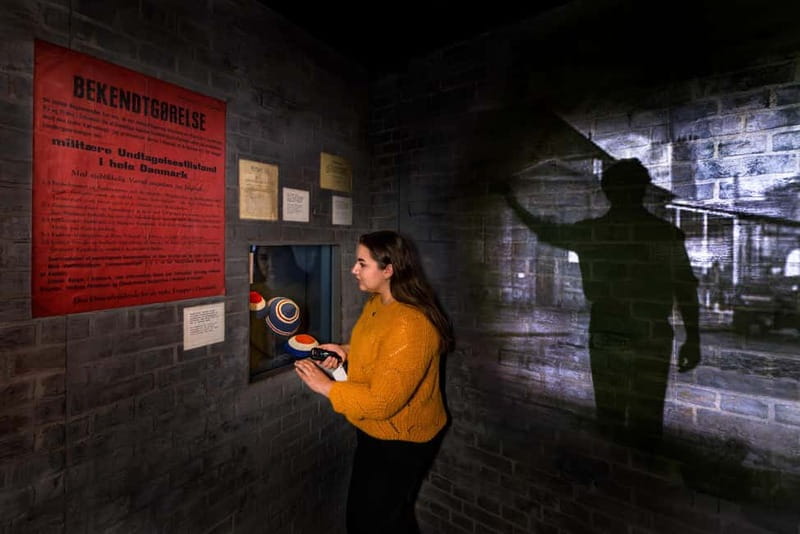
- Audio guide (English and Danish): Hear the resistance story told through five historical figures.
- Underground occupation scenes: See how the war period is presented year-by-year from 1940 to 1945.
- Hands-on resistance tactics: Try activities like printing illegal magazines and intercepting phone calls.
- Enigma-focused exhibit: Get a hands-on feel for cracking the Germans’ Enigma code.
- Voucher exchange at the museum shop: Swap your voucher before you enter the exhibition.
Finding the museum at Churchill Park and Kastellet
The Museum of Danish Resistance sits in Churchill Park at Kastellet in Copenhagen. That setting matters because Kastellet is one of the city’s most distinctive old fortifications, and it gives the visit a grounded, “you’re really here” feeling rather than a random museum drop-in.
From a practical point of view, it’s also easy to reach. One recent review noted it’s near the Østerport train station, which is helpful if you’re bouncing between neighborhoods by foot or metro. Plan to walk a bit around the Kastellet area before you go in—there’s something calming about starting your day with open space before shifting to a story that’s anything but light.
A few more Copenhagen tours and experiences worth a look



Voucher exchange and entering the exhibition
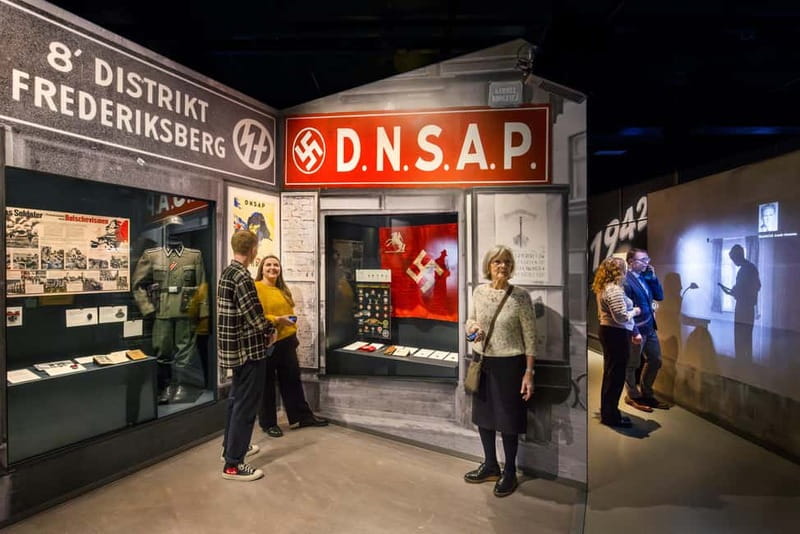
Before you can enter, you’ll need to exchange your voucher at the museum shop. This is one of those small steps that can slow you down if you show up and assume your ticket is scanned at the door.
Once you’re inside, the museum is set up so the audio guide becomes your route map. You’re not just looking at panels—you’re stepping through scenes that follow the occupation years. If you’re the type who likes to control your pace, bring headphones-ready habits: you’ll be pausing, replaying a section, and taking your time when the exhibits connect to the audio stories.
Underground occupation scenes: 1940 to 1945 in sequence
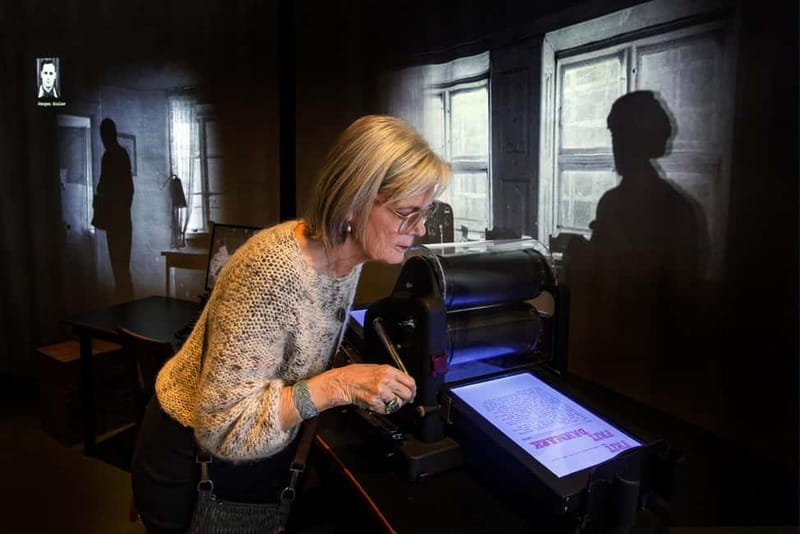
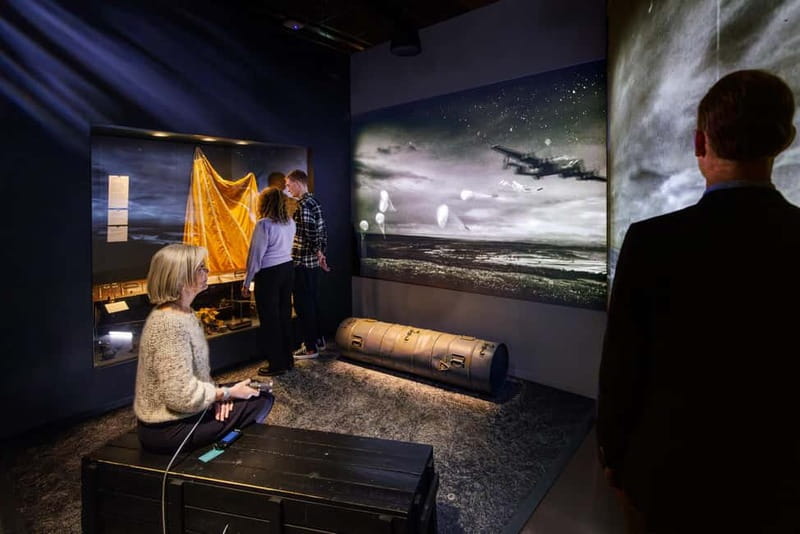
The museum’s biggest structural strength is how it frames the occupation years. You’ll go underground and move through different scenes that represent the war years in Denmark. The theme stays clear throughout: how the Nazi occupation affected the Danish population and how resistance began to take shape.
Think of it like a guided path through “how this period felt,” not just “what happened.” Each scene gives you context for the next one, and the story keeps returning to civilians and everyday life, not only big-name events. That’s an important balance. WWII history can sometimes feel like memorizing dates. Here, the focus is on the human scale—choices, pressures, and consequences in day-to-day Denmark.
The audio guide: five historical figures, real dilemmas

The audio guide is included in your entry ticket, and it’s available in English and Danish. What I like about this approach is that it doesn’t treat the resistance as one uniform story. Instead, you hear the resistance period through five historical figures, each giving you a different window into what people were facing.
This matters because resistance isn’t only about action. The museum specifically highlights the difficult choices and dilemmas people lived with during the occupation. As you listen, you’ll start to feel that tension between doing what you can and living with the risk of doing it. That human dimension is where many people leave with more than facts—they leave with perspective.
If you’re short on time, the audio guide still helps, but you’ll likely move faster through it than you would otherwise. For me, the strongest plan is to match your walking pace to what you’re hearing. If a figure’s segment makes you stop and read a bit more, let that happen. This is the kind of museum where pausing is part of the experience.
Interactive exhibits: trying resistance tactics yourself

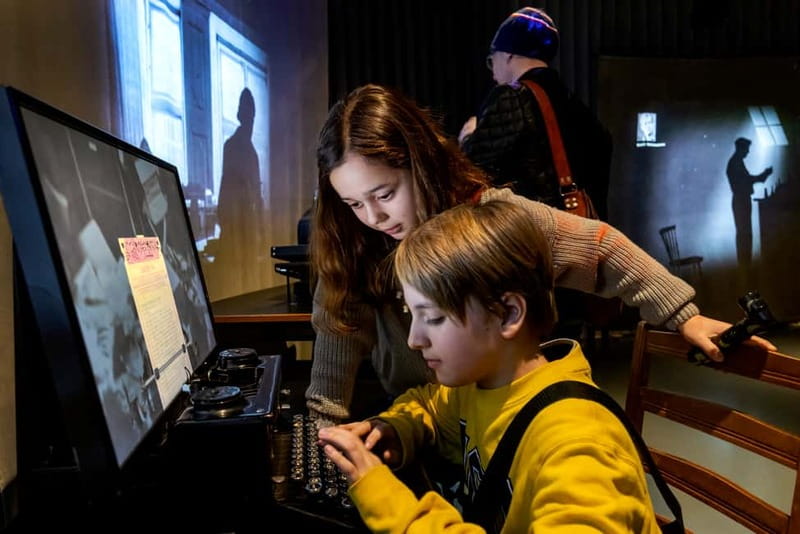
One of the most practical reasons to choose this museum is that you can do things, not only watch things. The exhibits are designed to give you an insight into resistance tactics through hands-on challenges.
Here are examples of what you can try:
- Print illegal magazines
- Intercept phone calls
- Break the Germans’ Enigma code
These aren’t just “cool games.” They give you a concrete sense of how resistance work could be technical, risky, and detail-heavy. When you press buttons, make choices, and see the consequences of different attempts, the museum turns strategy into something you can feel in your hands.
A common temptation with interactive museums is to rush through them like a checklist. I suggest the opposite here. Spend a few extra minutes on each activity so you can connect it back to what you just heard on the audio guide—otherwise you’ll know what the exhibit is, but you won’t fully understand why it matters in the story.
You can also read our reviews of more museum experiences in Copenhagen
What the museum does well for civilians and everyday life

Many WWII exhibits focus on the dramatic moments: raids, battles, high command. This one deliberately puts emphasis on how the occupation changed life for civilians and how resistance grew out of that reality.
That’s valuable for a few reasons. First, it’s a reminder that “history” is made by ordinary people making constrained decisions. Second, it keeps the story from becoming distant. You’re learning about the period from the point of view of people who had to keep living through it.
The museum also frames resistance as something that began and evolved. You’re not shown resistance as a mythic, instant movement. Instead, it develops across the occupation years through the pressures civilians faced. That’s a more realistic way to understand how movements take shape under threat.
Timing: plan for closer to two hours than one quick stop

The ticket is valid for one day, but your real question is: how long will you want to stay? The information here is a full-day option, but one review specifically wished they had known it takes about two hours to see it all.
So here’s my practical advice. If you’re visiting in between other stops, set aside a block of roughly two hours. If you’re the type who listens carefully to every audio segment, reads the extra text, and takes time with the interactive stations, you might stretch a bit longer. If you’re cutting it tight, prioritize the underground scenes first, then do the interactive exhibits once the story makes sense.
Price and value: is $20 worth it?
At about $20 per person, the value comes from what’s included. You get entry to the Museum of Danish Resistance plus an audio guide. That audio guide isn’t an optional extra—it’s essentially how the museum tells its story, built around five historical figures.
In other words, you’re not paying just for a room full of panels. You’re paying for a guided narrative plus hands-on resistance activities. For many visitors, that combination is what makes the ticket feel justified: the museum doesn’t only inform, it helps you process.
If budget is tight, this is still the kind of experience I’d consider “worth it” because it’s self-contained. You don’t need a live guide to understand what you’re seeing. The audio guide carries the explanation, and the exhibits reinforce it.
Who this museum ticket suits best
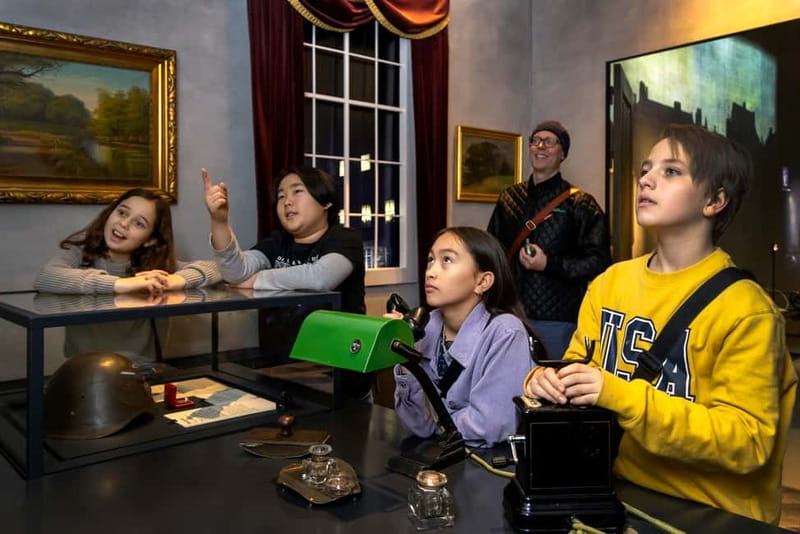
This visit is a great match if you want a WWII experience that’s grounded in Denmark’s real occupation years and the way civilians were affected. It’s also ideal if you enjoy learning through story-based audio and interactive stations.
It may be less ideal if you:
- hate audio guides and prefer text-only museums
- want a super quick stop that fits in under an hour
- expect a traditional guided tour format (there’s no live guide included)
On the flip side, if you like museums that respect your time and let you move at your pace, you’ll probably enjoy it.
Practical tips so your visit goes smoothly
A few small things will make a big difference.
First, don’t forget the voucher exchange at the museum shop. Build that into your arrival plan so you’re not flustered at the entrance.
Second, set your expectations for an audio-led museum. If you arrive with full battery and comfortable listening volume, you’ll get more out of the five historical figure segments.
Third, treat the interactive exhibits like part of the learning, not just breaks. The museum’s whole point is to show resistance tactics in action, so give yourself enough time to actually try the activities.
Should you book the Museum of Danish Resistance ticket?
If you’re in Copenhagen and you want a WWII museum experience that connects the occupation years to real human dilemmas and resistance tactics, I’d book this. The biggest reasons are straightforward: the included audio guide in English and Danish, the museum’s underground 1940–1945 scene structure, and the hands-on activities like Enigma code cracking and illegal magazine printing.
Book it if you can spare around two hours. Skip it only if you need a very short visit or you strongly dislike audio-led museums.
If you’re looking for a meaningful, value-priced stop that’s more than a lecture on history, this one earns a spot on the itinerary.