
REVIEW · COPENHAGEN
Copenhagen: Danish War Museum Entry Ticket
Book on GetYourGuide →Operated by The Danish War Museum · Bookable on GetYourGuide
A museum where the building itself tells a story. The Danish War Museum in Copenhagen walks you through Danish military history from the 1500s to today, all inside the historic Tøjhus Arsenal built by Christian IV in 1604. I especially like the 163-meter-long first-floor hall (the longest room in the Nordics) and the way the exhibits shift from heavy armor to modern conflicts, including the War in Afghanistan. One consideration: there is currently no elevator to reach the first-floor exhibitions.
I also love the breaks built into the experience. You can relax in a hammock and listen to Danish stories from the seven seas, which is a smart way to keep a long museum visit from feeling like one long lecture.
If you’re expecting a hands-on, kid-centered museum, you might want to recalibrate. This place is built around real objects, models, uniforms, and military context, so plan for reading time.
In This Review
- Key highlights worth your attention
- Danish War Museum in Copenhagen: why the Tøjhus Arsenal matters
- The 163-meter hall: how to pace yourself and not miss the best sections
- From the 1500s to Afghanistan: the Danish war timeline you’ll actually encounter
- Armor, weapons, and the objects that make history feel physical
- Three unforgettable artifacts: bones, a bomb-surviving car, and a full Civil War uniform
- Hammock time and seven seas stories: a smart break in the middle
- The drones spot exhibition: what it means for today’s war
- Price and value: is $20 worth a full day?
- How long to plan in Copenhagen (and how to avoid the rush)
- Accessibility and comfort: know the one major limitation up front
- Who this museum suits best (and who might want a different option)
- Should you book the Danish War Museum ticket?
- FAQ
- Where is the Danish War Museum located?
- How long is the Danish War Museum ticket valid?
- What does the ticket include?
- How much does it cost?
- Can I cancel if my plans change?
- Do I have to pay immediately?
- Is there an elevator to reach the first-floor exhibitions?
- Can I bring a wheelchair or baby carriage?
- What time can I visit?
- What is the new spot exhibition about?
Key highlights worth your attention
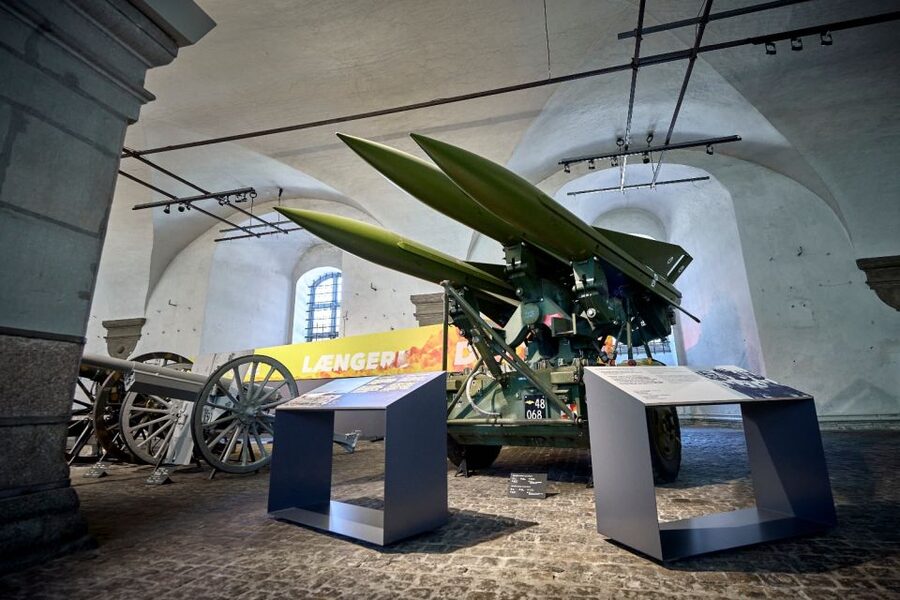
- The Tøjhus Arsenal setting: the museum sits in a 1604 armory building tied to Christian IV.
- A 163-meter first-floor hall: a huge space that makes the timeline feel like a real “walk through time.”
- Armor and weapons across centuries: Danish knights’ armor through later wars and into modern conflict.
- Standout artifacts: a ship model made of bones, a military car tied to an Afghanistan bomb incident, and a complete American Civil War uniform.
- Hammock downtime: a restful moment with Danish sea stories, right in the flow of the museum.
Danish War Museum in Copenhagen: why the Tøjhus Arsenal matters
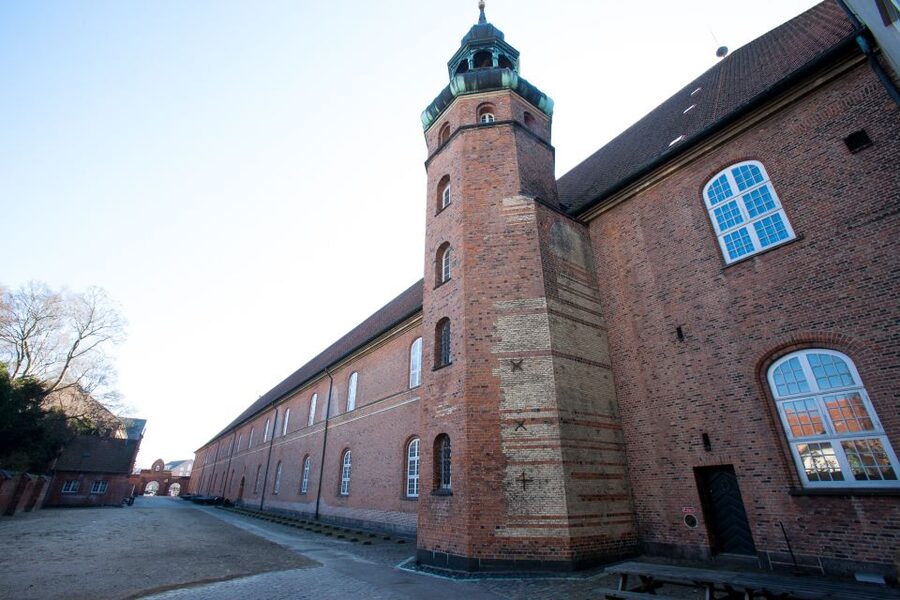
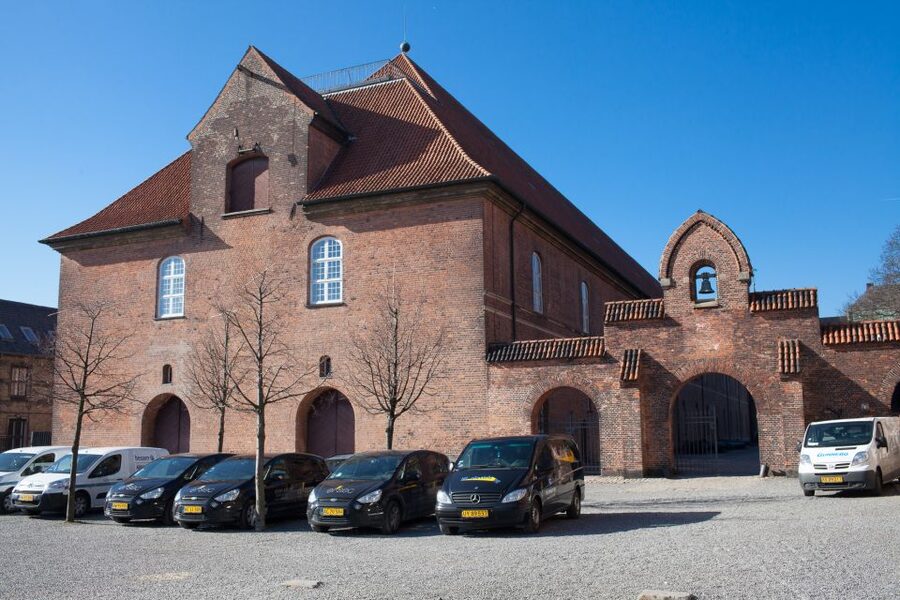
First things first: you’re not just visiting a museum, you’re stepping into an old military machine. The Danish War Museum is located in the historic Tøjhus (Arsenal) building, built by Christian IV in 1604 and used as an armory. That context changes how you read the exhibitions. Even before you reach the objects, the setting quietly tells you this is a place that was built for weapons, logistics, and national defense.
It also helps that the museum’s layout feels intentional. Instead of scattering displays around small rooms, the space gives you a long, steady route. That’s a big deal if you want to actually connect the dots between periods—early wars, then later European conflicts, then modern operations.
And yes, it’s a good day out in Copenhagen that doesn’t rely on pretty postcards. This is about details: materials, designs, uniforms, and how warfare evolves.
A few more Copenhagen tours and experiences worth a look



The 163-meter hall: how to pace yourself and not miss the best sections
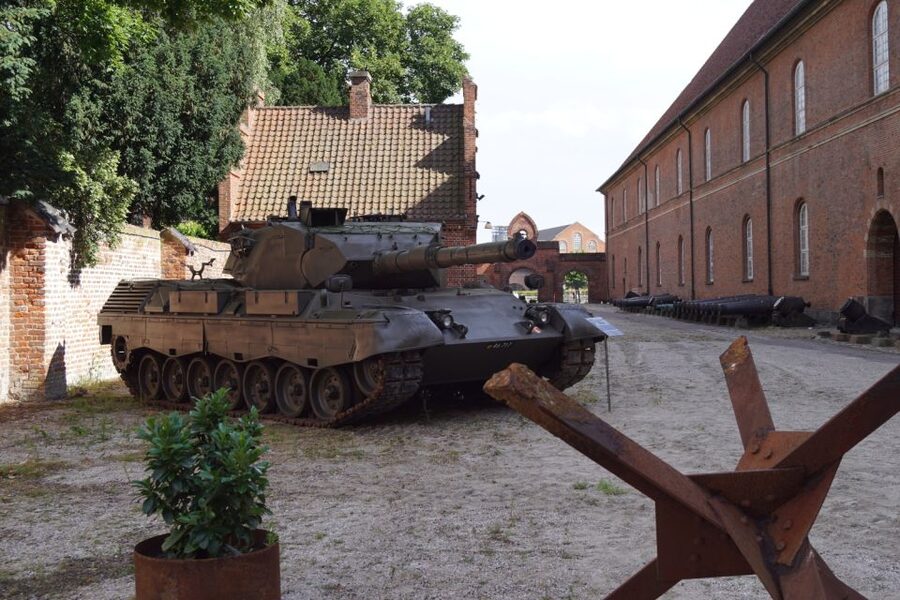
One of the most memorable features is the 163 meters long first-floor hall, noted as the longest room in the Nordics. When you’re inside, the sheer length changes your rhythm. You can keep moving without feeling cramped, but you also need to watch your energy. This isn’t a “pop in for 20 minutes” kind of site.
I’d plan your visit like a line you can pause on. Walk the hall steadily once to get the timeline in your head. Then slow down for the sections that grab you. If you try to read everything at full speed, you’ll end up skimming and you’ll lose the payoff.
A practical note from the visit planning side: since there’s no elevator to the first floor, your pacing should also consider stairs. If you need step-free access, it’s worth thinking ahead about how your group will move through the building.
From the 1500s to Afghanistan: the Danish war timeline you’ll actually encounter
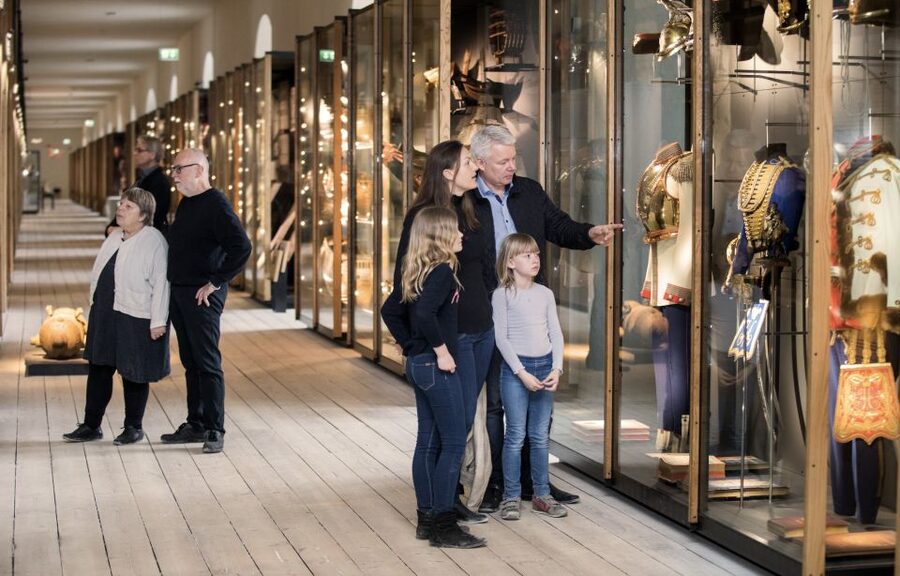
The museum covers Danish military history from the 1500s up to present day, including the War in Afghanistan. You’ll see how Denmark’s wars and military planning shift over time, not just in the weapons, but in the stories countries tell themselves about threat and strategy.
Here’s what stands out as you go through the timeline:
- The 1500s onward feels more than “early history.” You start with Denmark’s longer military arc and then watch changes build. The museum keeps the story grounded in what Denmark faced and how it adapted.
- 17th-century conflicts with the Swedes get their own attention. This is where you see how regional power struggles shaped equipment and readiness.
- 19th-century war with the English adds another layer. You’re not only learning about battles; you’re seeing how war technology and military thinking are changing as Europe changes.
- War in Afghanistan and beyond bring the story to modern times. You’ll connect historical patterns to what modern conflict looks like in real life, with Denmark’s role in 21st-century conflicts.
A good part of the experience is that the museum doesn’t stop at “then.” It includes how World War II and the Cold War affected Denmark, and then carries the thread into modern conflicts. That structure helps you avoid the common museum trap of treating each century like a separate island.
Armor, weapons, and the objects that make history feel physical
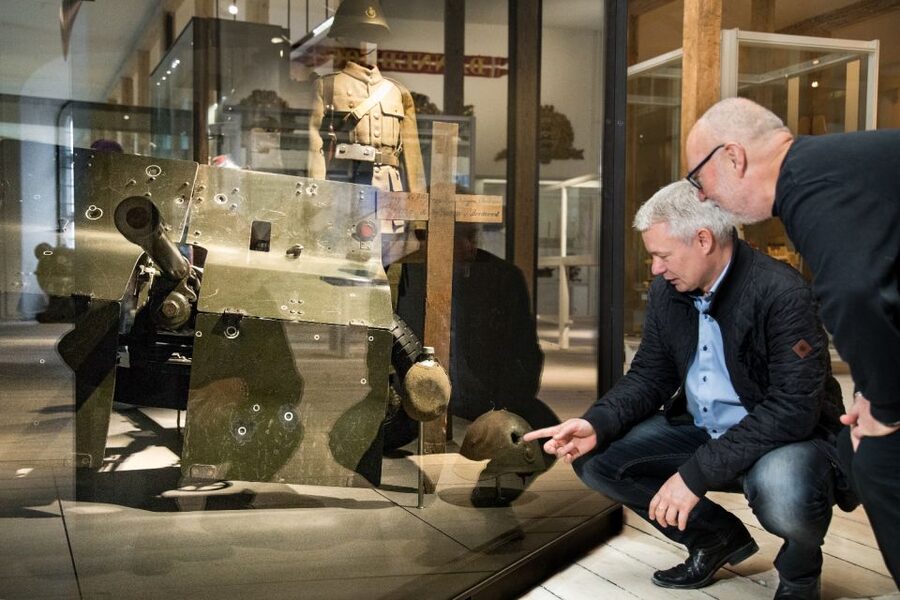
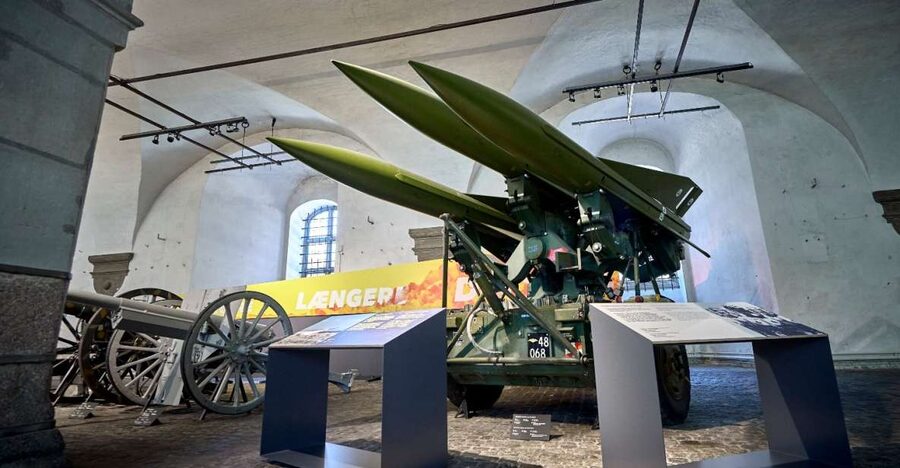
If you like military artifacts, this museum delivers. You’ll see shining armor tied to 15th-century Danish knights, plus weapons and gear used across centuries. The wow factor isn’t just size or shine. It’s the way design choices show what soldiers needed: protection, mobility, formation fighting, and later, new kinds of threats.
What I’d highlight is how the museum makes objects feel like evidence. You can stand in front of a piece of equipment and connect it to the period of conflict you’re currently seeing. The result is that you’re not just memorizing dates. You’re recognizing patterns in materials, craftsmanship, and intent.
The displays also include some genuinely unusual items that keep the story from becoming too uniform. You’ll likely remember the odd ones long after you’ve forgotten the less eye-catching corners—because they make you pause and ask how on earth this ended up in a museum.
Three unforgettable artifacts: bones, a bomb-surviving car, and a full Civil War uniform
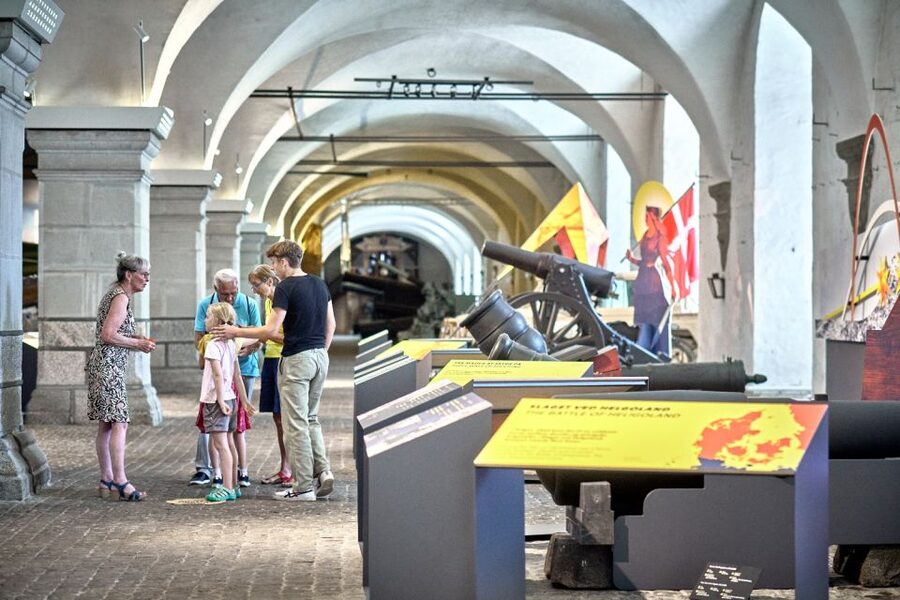
This is where the Danish War Museum gets playful in a very serious way. The museum includes artifacts that are strange, specific, and hard to ignore.
One: a ship model made of bones. Even if you don’t know the full background at first glance, the object forces attention. Models like this often reflect a particular kind of story—one where war, survival, or maritime hardship is part of the point.
Two: a 150-year-old biscuit military car that ran over a roadside bomb in Afghanistan, with everyone surviving. That detail is the kind of thing that makes modern conflict feel less abstract. It turns a headline war story into something grounded in a vehicle, damage, and outcomes.
Three: the world’s only complete example of a uniform from the American Civil War. Danish military museums don’t always focus on foreign uniform history, so seeing a complete example like this gives the collection extra reach. It’s a reminder that war isn’t just local; patterns of uniforms and military culture travel.
These artifacts do something practical for your visit. They give you anchors. When you later remember a century of wars, it’s easier because you associate it with real objects instead of only dates on labels.
Hammock time and seven seas stories: a smart break in the middle
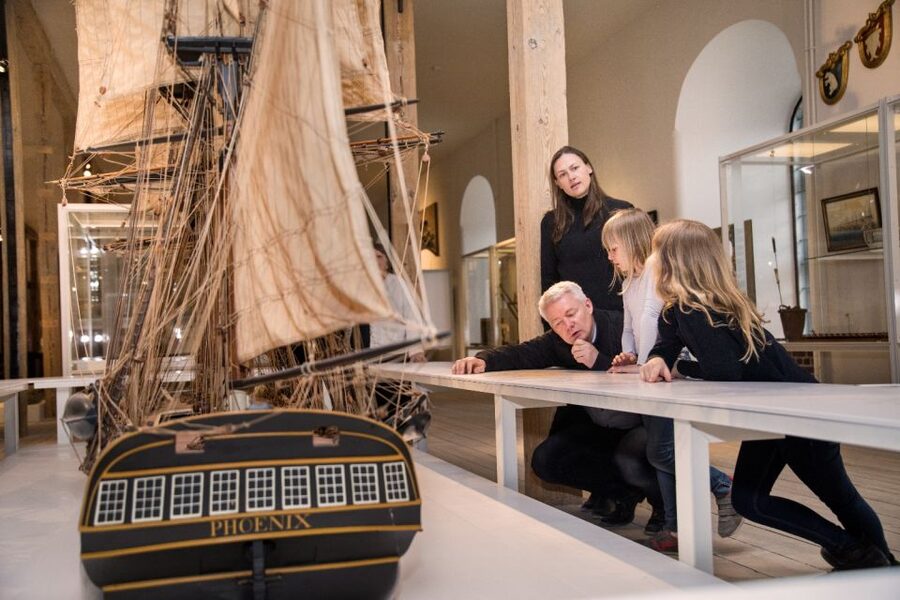
Most war museums keep the mood constant: dark, serious, and nonstop. Here, you get a different rhythm. You can sit back in a hammock and listen to Danish stories from the seven seas.
That matters because it breaks the mental load. After you’ve been staring at armor, weapons, and military timelines, your brain needs a reset. The hammock also changes your posture, which is a small but real comfort upgrade when you’re doing a one-day museum visit.
This is also where the museum becomes more than hardware. The sea stories connect Denmark’s experience to identity—how a country imagines its past and its role on the water, not only on land or at sea battles.
The drones spot exhibition: what it means for today’s war

A newer spot exhibition asks: Have drones changed the way we wage war? It’s built around the reality that drones are used for monitoring and attacks, and that unmanned aerial weapons can spread fear because they can observe from places where people feel safe.
The exhibition leans into current examples, including the sense of surveillance that drones create. It also raises big questions you’ll want to think about while you’re standing there: what happens when attacks become more automatic, and what kind of defense systems can respond to a drone threat today.
One practical benefit for you: this section helps you connect the “modern conflicts” part of the museum to a specific theme you can discuss after you leave. Instead of ending the visit with a blur of recent events, you get a focused thread: how technology changes the battlefield.
Price and value: is $20 worth a full day?
At $20 per person for a one-day entry ticket, the value depends on what you enjoy. If you love military history, armor, and the step-by-step evolution of conflict, this price feels fair for a building this old and a collection that spans centuries.
You’re also getting more than one topic. You get early-modern European wars, major 20th-century impacts like World War II and the Cold War, plus modern-day conflict including the War in Afghanistan. That range is a lot to pack into one visit, and museums that manage a wide timeline like this often cost more.
If you only want a quick overview, the museum may take longer than you expect. With the huge first-floor hall and the amount of reading/looking involved, you should budget real time. In other words: the $20 works best when you plan to actually stay.
A small scoring note: this ticket has a strong overall rating of 4.7 out of 5 based on 106 reviews, which usually signals consistent satisfaction with how the exhibits are laid out.
How long to plan in Copenhagen (and how to avoid the rush)
The ticket is valid for 1 day, and you’ll pick a starting time based on availability. That means you can shape the day around your Copenhagen schedule instead of squeezing the museum into a tiny window.
For timing, I’d treat this like a half-day to full-day museum experience. Start by walking through the main hall route to understand where the timeline is guiding you. Then come back for the parts you care about most—armor and weapons if that’s your focus, or modern conflicts and the drone exhibition if you want tech and today’s questions.
Also, build in a comfort pause. The hammock section is more than a gimmick. It’s a built-in moment to slow down, and you’ll come out refreshed for the later parts of the museum.
Accessibility and comfort: know the one major limitation up front
Here’s the big practical issue to plan around: there’s currently no elevator to help people reach the exhibitions on the first floor. The museum notes ongoing work on accessibility, but for now, first-floor access means stairs.
If you’re bringing a wheelchair or baby carriage, it’s possible to do so. But because the elevator option isn’t available for the first floor, you’ll want to think through how you’ll get to the main exhibition areas.
If stairs are a deal-breaker, you might still be able to enjoy parts of the museum, but you should assume your experience could be restricted. Make a quick plan for movement within the building before you arrive.
Who this museum suits best (and who might want a different option)
This Danish War Museum is a great fit if you:
- Enjoy real artifacts (armor, uniforms, weapons) more than just big murals or short captions
- Like chronological storytelling and want to see how military changes over time
- Want a break from purely city sights and want something grounded in place and objects
It might be less ideal if you’re looking for:
- A quick, casual walk-through with minimal reading
- A fully step-free visit on the first floor, since there’s no elevator access there
Should you book the Danish War Museum ticket?
Yes—if you want a serious, well-organized museum day that still offers comfort breaks and a modern-technology angle. The combination of the historic Tøjhus Arsenal setting, the 163-meter hall, and the mix of centuries (including Afghanistan) makes the visit feel more like a guided storyline than a pile of exhibits.
If you do decide to go, plan for stairs and give yourself time to slow down. Then you’ll get the best part of the experience: seeing how war tools, strategies, and national roles change across 500-plus years, while Denmark’s maritime stories and the drone exhibition keep it tied to today.
FAQ
Where is the Danish War Museum located?
It’s in Copenhagen, Denmark, in the Zealand Region, inside the historic Tøjhus Arsenal building.
How long is the Danish War Museum ticket valid?
The ticket is valid for 1 day.
What does the ticket include?
It includes the museum entry ticket only.
How much does it cost?
The price is listed as $20 per person.
Can I cancel if my plans change?
Yes. You can cancel up to 24 hours in advance for a full refund.
Do I have to pay immediately?
No. You can reserve now and pay later, with the option to keep travel plans flexible.
Is there an elevator to reach the first-floor exhibitions?
No. There is currently no elevator to help reach the exhibitions on the first floor.
Can I bring a wheelchair or baby carriage?
Yes. It’s possible to bring your own wheelchair or baby carriage.
What time can I visit?
You choose a starting time based on availability, and the ticket remains valid for 1 day.
What is the new spot exhibition about?
The new spot exhibition asks Have drones changed the way we wage war? and looks at how drones affect the battlefield, including today’s defense challenges.