REVIEW · COPENHAGEN
Copenhagen: National Museum of Denmark Entry Ticket
Book on GetYourGuide →Operated by The National Museum of Denmark · Bookable on GetYourGuide
Fourteen thousand years fit in one museum. I like how the Stone Age and Bronze Age finds lay a foundation you can actually connect to daily life, and I love that the Viking Sorceress (Völva) exhibition turns Norse belief into something you can study with your eyes, not just read about. The main drawback is simple: this place is big, and without a plan you may wander for an hour and still feel like you missed the point.
This entry ticket is straightforward and self-paced. Show your voucher at the ticketing desk, step inside, and shape your own route across Danish history, Vikings, Danish explorers, and cultural treasures with a global reach.
In This Review
- Key highlights worth your time
- Entering a huge museum without the usual hassle
- Stone Age and Bronze Age: the slow start that makes everything else click
- The Viking Sorceress (Völva) exhibit: Norse religion you can see
- Beyond Vikings: Danish explorers and Denmark’s wider world
- How to pace your visit so you don’t lose your footing
- Cafe breaks and the museum shop that tempt you anyway
- Price and value: $21 for a full history day
- Where this fits in Copenhagen
- Should you book this National Museum of Denmark ticket?
- FAQ
- Where do I show my voucher?
- Does this include just an entry ticket or a guided tour?
- How much does the ticket cost?
- How long is the ticket valid?
- Is it wheelchair accessible?
- Can I cancel for a full refund?
- Can I reserve now and pay later?
- How long should I plan to spend inside?
- Is there a Viking exhibit I should prioritize?
- Is the museum good for a rainy day with time to spare?
Key highlights worth your time
- Stone Age and Bronze Age remains presented in a way that helps you place Denmark in long time
- Viking Sorceress (Völva) exhibition with items tied to Viking-age seer practices
- Vikings and Danish explorers sections that link local stories to wider worlds
- Big museum layout with lots of adjoining rooms, so pacing matters
- Cafe and museum shop that make a rainy Copenhagen day feel like a win
- Easy entry once you’re ticketed and no awkward checkpoints once you’ve redeemed
Entering a huge museum without the usual hassle
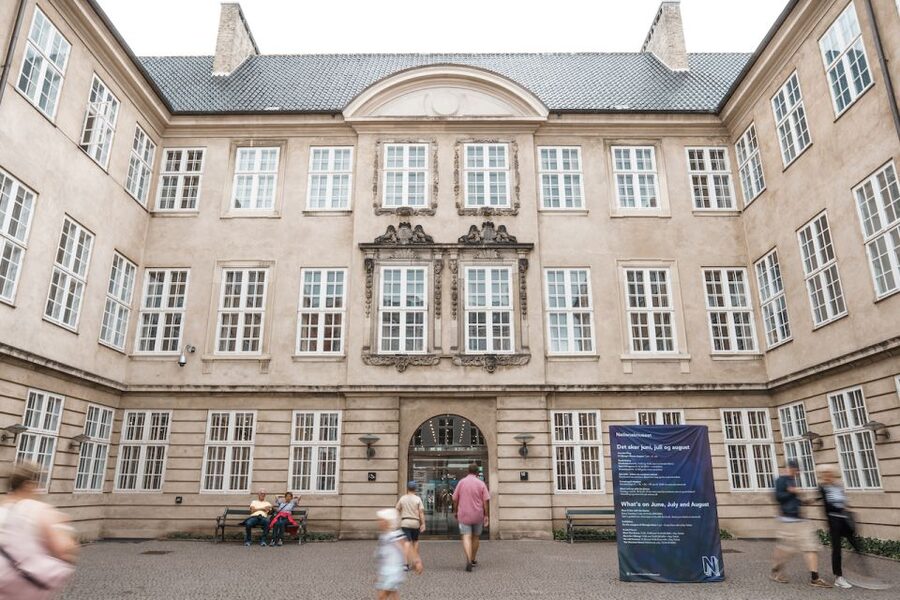
Think of the National Museum of Denmark as your one-stop “from earliest human stories to modern Denmark” option in Copenhagen. The ticket is just entry—no complicated timed route—and that flexibility is a real plus if you’re building a packed city itinerary.
You’ll redeem your voucher at the museum’s ticketing desk. From there, you’re free to follow what grabs you. I also like the way the museum’s mission is presented: Danish history isn’t treated like a sealed-off local topic, but tied to broader cultural heritage and worldwide connections.
One practical note: the ticket has 365 days of validity, so you can choose the day that matches your energy level. And yes, it’s wheelchair accessible, so it’s friendly for visitors who need step-free movement.
A few more Copenhagen tours and experiences worth a look



Stone Age and Bronze Age: the slow start that makes everything else click
If your Copenhagen list usually targets castles and canals, this is your chance to start much earlier. The National Museum covers roughly 14,000 years of Danish history, and those early periods do more than add trivia—they give you context for why later eras mattered.
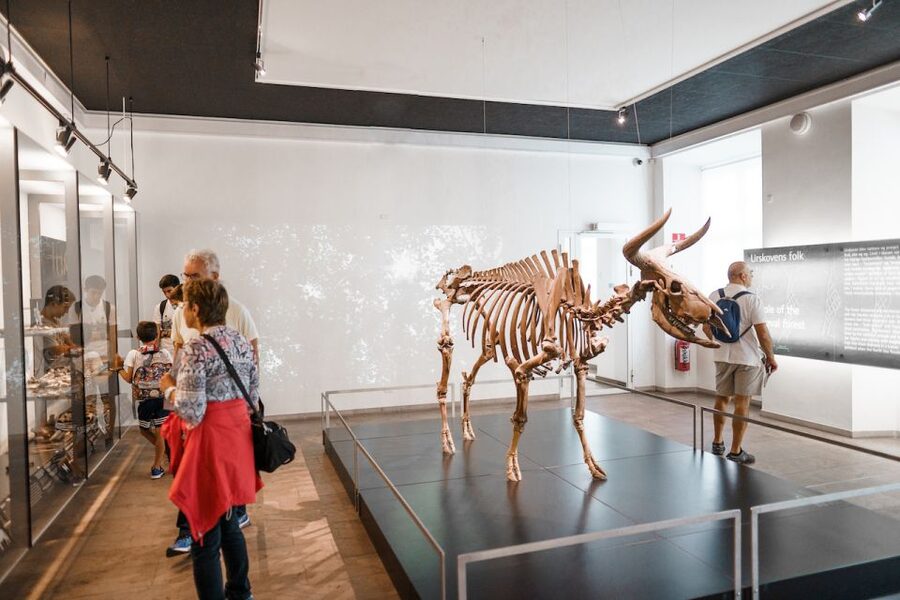
In the earliest sections, you’ll see remains uncovered from the Bronze Age and Stone Age. Even when artifacts are small, the museum’s storytelling approach helps you connect them to real routines: settlement, tools, trade, and how people lived with the landscapes they had. It’s not just a “look but don’t touch” museum moment. It’s more like building the background music that makes the Vikings scene hit harder.
One consideration: because the museum spans such a long timeline, you may feel like you’re absorbing a lot at once. If you like your museums focused and fast, you’ll want to target the sections that interest you most and move on before overload sets in.
The Viking Sorceress (Völva) exhibit: Norse religion you can see
The Viking section is the reason many people plan this museum day around one specific stop. The standout is the Viking Sorceress (Völva) exhibition, described as a powerful, mystical look at Viking-age seer culture and how that belief system connected the present to what people thought the future held.
This isn’t presented as a vague myth board. It leans into tangible details—objects used in seer practices and scenes connected to the Norse world. If you’re a fan of Norse mythology, you’ll likely appreciate how the exhibit bridges the gap between the Eddas and Sagas and real material culture.
A few specific favorites show up in visitor highlights: people often mention striking items like giant curving horns (lurs), helmets, and objects associated with older eras as well. Even if you don’t remember every name, you’ll remember the feeling: Denmark’s Viking age isn’t treated as a costume theme.
Possible drawback: the exhibit is very good, but it’s not guaranteed to scratch the itch for everyone who wants lots of hands-on interactivity. Some visitors found the Viking Sorceress portion more thought-driven than clicky-and-play.
Beyond Vikings: Danish explorers and Denmark’s wider world
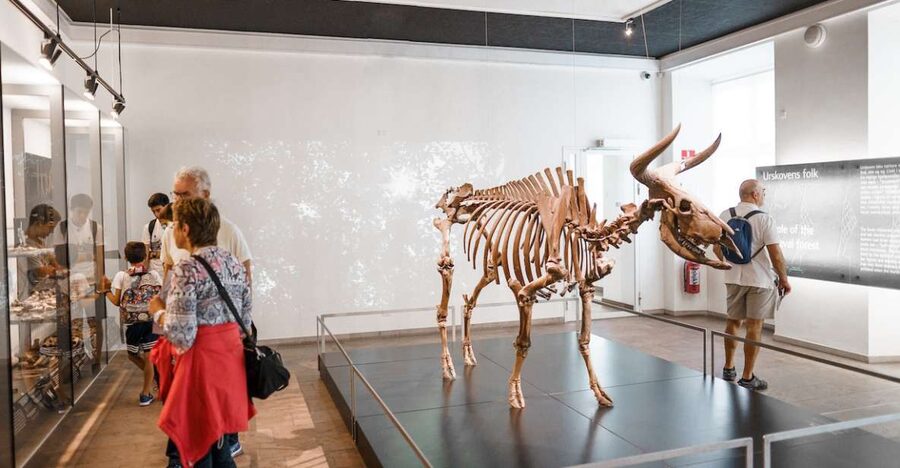
After you’ve handled the Viking material in your brain, the museum keeps going—into Danish explorations and stories that reach outside Denmark. This matters because it reframes Danish history as part of a bigger network: ambition, travel, contact, and curiosity, not just local events.
The museum positions these themes as both triumphs and tragedies, with cultural heritage presented as something living and changeable over time. That wider view can be especially valuable if you’re also seeing Copenhagen through architecture, design, and modern identity.
One thing I like here is the balance between big cultural narratives and world-famous objects. You get the sense that Denmark isn’t being shown as a small chapter in European history, but as a place that helped shape stories that traveled.
If you’re short on time, treat this as your “next stop” after Vikings. You don’t have to read every wall text to benefit. Even skimming the structure helps you understand where Denmark fits in the longer European story.
How to pace your visit so you don’t lose your footing
Plan on a chunk of time. Many people end up around 3 to 5 hours, with several leaning closer to the longer end once they slow down for key rooms. This is one of those museums where you’ll get what you put in.
The museum’s layout can also feel a bit complex. Visitors note getting turned around in adjoining rooms, and that’s easy to do when you’re surrounded by connected exhibition spaces. My advice: pick your top two targets on arrival. For many people, that’s Vikings plus one earlier era. Then use the rest as bonus time.
Footwear matters more than you think. A few visitors mention sore feet after an hour, which is totally believable in a building designed for long gallery routes. Add a short break every so often, and you’ll keep your momentum without feeling like you’re sprinting.
Also, there can be crowd pressure in certain spots at certain times. One small heads-up: some visitors wished for more toilet capacity because lines formed. So if you’re the type who hates waiting, time your restroom stops between gallery blocks.
Cafe breaks and the museum shop that tempt you anyway
A museum day lasts longer when you can reset your brain. The cafe is repeatedly praised as superb and worth slowing down for, with visitors highlighting the atmosphere and the variety of options.
If you’re planning the day for comfort, treat the cafe like part of the itinerary, not a last resort. Take 30 to 45 minutes, grab something simple, and let the museum’s information settle. You’ll come back better focused.
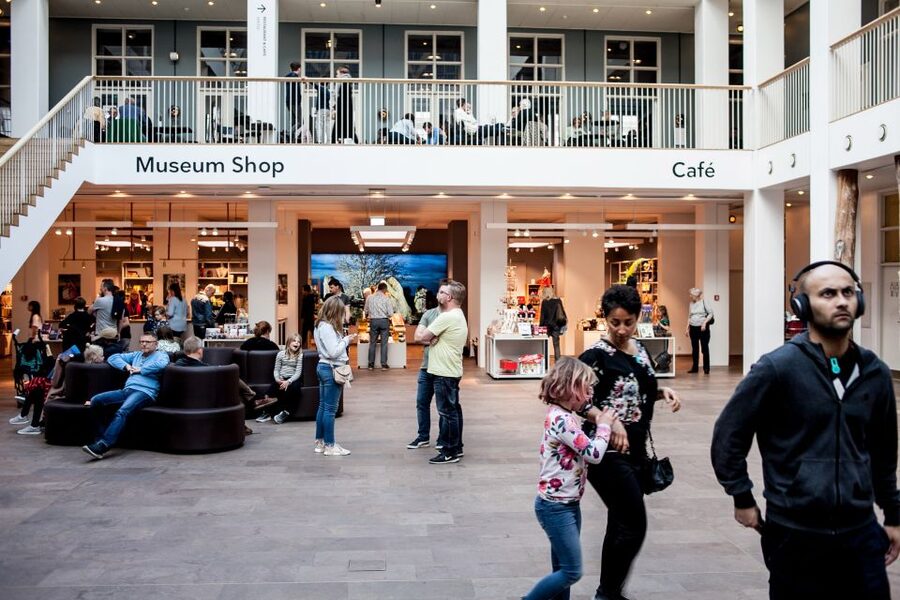
Then there’s the museum shop. People mention it in the same breath as the exhibits, including warnings that you may get carried away. Even if you don’t buy, it’s a good place to check out themes tied to the Viking material—so you can leave with something that reflects what you actually saw.
A slightly humorous strategy: if you’re serious about not overspending, decide on one item before you walk in. Once you’re browsing, the Viking-themed gear can make you weak at the knees.
Price and value: $21 for a full history day
The ticket price is about $21 per person, which is reasonable when you consider the museum’s scope. You’re paying for a lot more than one exhibit: you get access to Denmark’s long timeline, major Viking-age programming, and exhibitions that connect to broader cultural heritage and international perspectives.
The best value comes from using the self-paced format well. If you show up and spend only 30 minutes, you’ll feel like you paid for a fast walkthrough. If you arrive ready to spend half a day, it starts to feel like one of the smarter choices you can make in Copenhagen—especially on a rainy day.
Another value point: some visitors report that booking ahead can reduce time lost waiting. While the museum still has its own flow, having your voucher ready helps you get moving quickly once you’re at the ticket desk.
My bottom line: this is a strong buy if Vikings, Danish history, and museum-scale storytelling are your kind of thing. If you only want one tiny slice of Denmark’s past, you might feel the cost more than you’d like.
Where this fits in Copenhagen
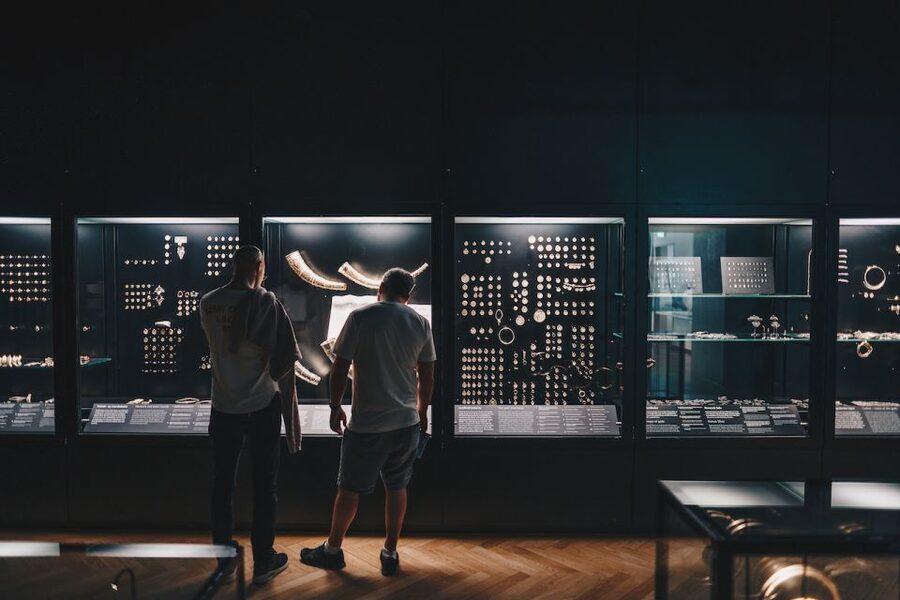
This is one of the most central choices for a cultural afternoon. It’s described as being in the heart of Copenhagen and easy to reach—near the main station by public transit, and not far from areas like Christiansborg.
If your days already include Tivoli-style fun and waterfront time, this museum adds contrast. It gives your trip a deeper backbone without forcing you into a tour schedule.
Who should come most?
- Adults who like history told through objects, not only dates
- Norse mythology fans who want to see Viking-age belief in material form
- Anyone who wants a Copenhagen rainy-day plan that still feels meaningful
Who might skip or shorten?
- If you only have a couple hours total in the city and prefer smaller, more focused museums, you may have to cherry-pick just the Vikings wing and one earlier era.
Should you book this National Museum of Denmark ticket?
Yes, if you want a serious Denmark overview in one stop and you’re even mildly interested in Vikings. The Viking Sorceress (Völva) exhibition is the headline, and the long timeline down into Stone and Bronze Age material gives the whole museum extra weight. At around $21, it’s good value for a half-day cultural experience.
If you’re worried about getting lost in a big museum, solve that with a simple plan: arrive with two priorities, take one break for food, and accept that you might not see everything. That approach turns the museum from overwhelming into satisfying. If you’re choosing between this and another major Copenhagen option, this is often the better bet for history-focused visitors who want Denmark’s story with scale.
FAQ
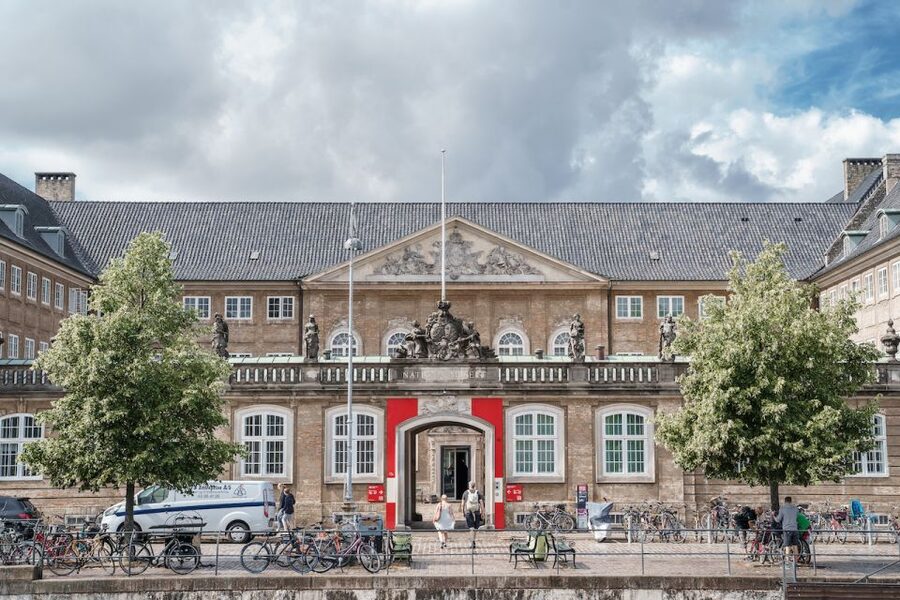
Where do I show my voucher?
Show it at the ticketing desk of the National Museum of Denmark.
Does this include just an entry ticket or a guided tour?
This activity includes an entry ticket, and the visit is self-guided.
How much does the ticket cost?
The price is listed as about $21 per person.
How long is the ticket valid?
The ticket is valid for 365 days.
Is it wheelchair accessible?
Yes, the museum is wheelchair accessible.
Can I cancel for a full refund?
Yes. Free cancellation is available if you cancel up to 24 hours in advance.
Can I reserve now and pay later?
Yes, you can reserve and pay later.
How long should I plan to spend inside?
Many visitors describe spending around 3 to 5 hours, with several choosing closer to half a day or more.
Is there a Viking exhibit I should prioritize?
Yes. The museum highlights Vikings and specifically includes the Viking Sorceress (Völva) exhibition.
Is the museum good for a rainy day with time to spare?
It tends to work well for that. The museum is large, well organized, and many visitors recommend it as a solid way to spend several hours indoors.