REVIEW · BARCELONA
Barcelona: Small Group Picasso Tour with Picasso Museum
Book on GetYourGuide →Operated by Turisme de Barcelona · Bookable on GetYourGuide
Teen Picasso turns streets into art. This 2-hour small-group Barcelona walk links the locations where Pablo Picasso formed his eye, then sends you straight into Museu Picasso with skip-the-line entry. I love the way the story stays on his early years, not just the famous Blue and Cubism hits.
Two things I really like: you get a guided walk through the Gothic Quarter (about 50 minutes), and you finish with a museum visit that tracks how his style changed over time. The group stays small (max 9), so questions don’t get lost in the crowd.
One drawback to consider: you’re on your feet for most of the outing, and some meeting-point confusion is common. Plan for comfortable shoes, and follow the directions to the Tourist Information Point carefully.
In This Review
- Key things to know before you go
- Why young Picasso in Barcelona makes the art click
- Gothic Quarter walking route: Plaça Reial, Llotja de Mar, and the Barcelona behind the work
- Els Quatre Gats: the café stop that makes the art era feel real
- Museu Picasso Barcelona: how a guided hour helps you see the evolution
- The only public Picasso frieze: why that detail is worth the detour
- Small-group format: max 9, plus guides who actually run the room
- Price and value: why $47 feels fair for this mix
- Who should book this tour, and who might not
- Before you go: small details that keep the day smooth
- Should you book the Barcelona Small Group Picasso Tour with Picasso Museum?
- FAQ
- How long is the tour?
- Where does the tour start?
- Where does the tour end?
- Is the museum ticket included, and do you skip the ticket line?
- How big is the group?
- What languages is the live guide offered in?
- Is there an optional audio guide?
- What should I bring?
- What isn’t allowed on the tour?
- How does the tour handle different interests in Picasso?
Key things to know before you go
- A timed Barcelona-to-museum route helps you read Picasso’s paintings with context.
- Els Quatre Gats gets its moment as a real stop, not a quick photo stop.
- Skip-the-line at Museu Picasso saves time you can spend looking.
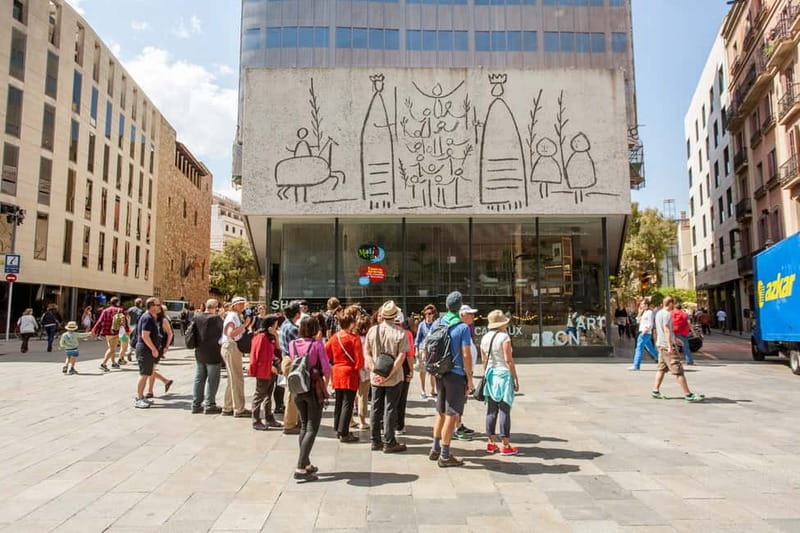
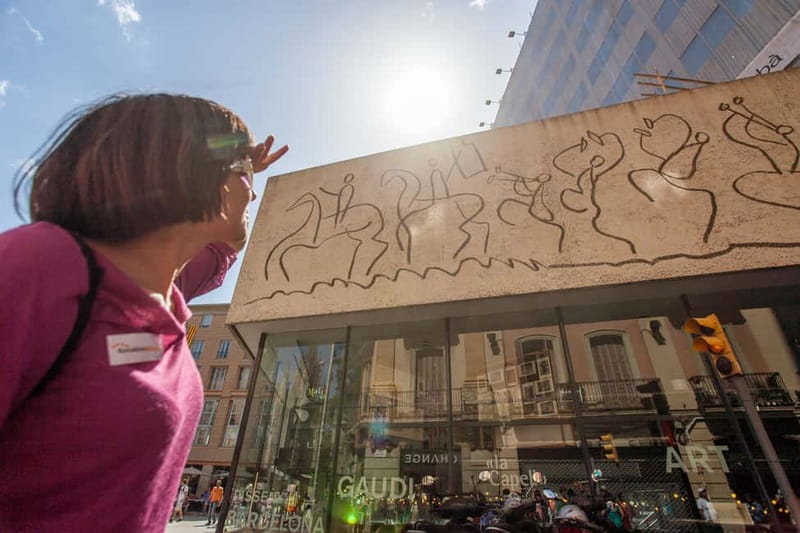
- Picasso’s only public artwork (a frieze at the Architects’ Association Building) is part of the walk.
- Guides make it land: guides like Anne, Pilar, Iris, and Olga Escribano show up in recent tours with lots of story and Q&A.
Why young Picasso in Barcelona makes the art click
If you’ve ever felt like Picasso is either everything or nothing, this tour helps you find the middle ground. You start by walking through the city scenes tied to a teenage and early-adult Picasso, then you step into the museum knowing what to watch for.
This is the best kind of art lesson: not a lecture in a room. It’s streets first, then paintings. And the museum visit matters because it’s not just a wall of masterpieces. You’re shown how his style evolved, from early sketches to later experiments.
The pacing is also smart for a first-timer. You get enough walking to feel the place, then enough museum time (about an hour) to understand the overall arc without ending the tour overstimulated.
You can also read our reviews of more museum experiences in Barcelona


Gothic Quarter walking route: Plaça Reial, Llotja de Mar, and the Barcelona behind the work
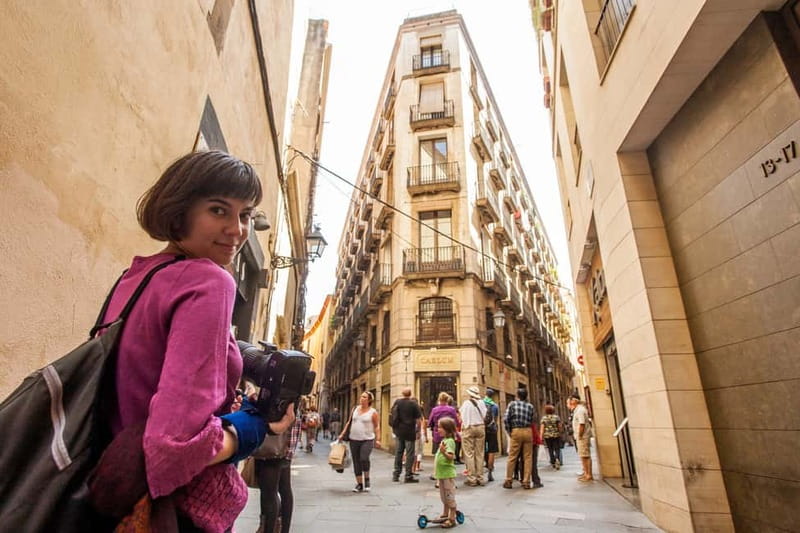
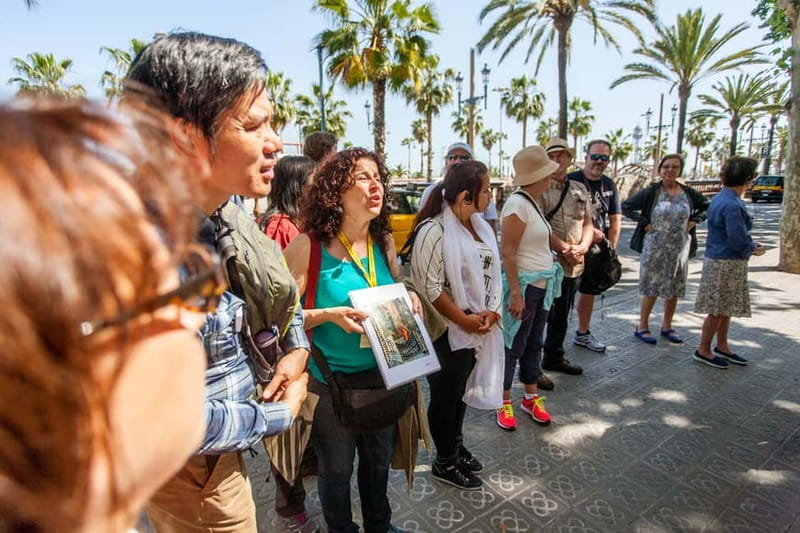
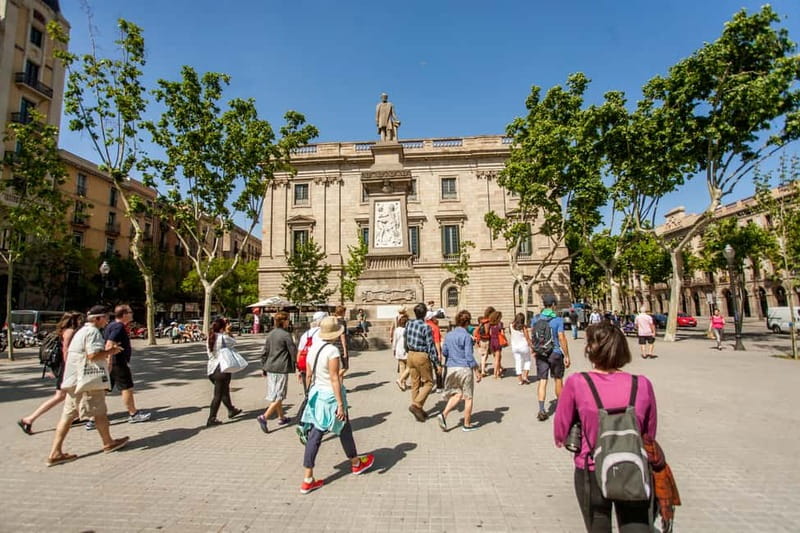
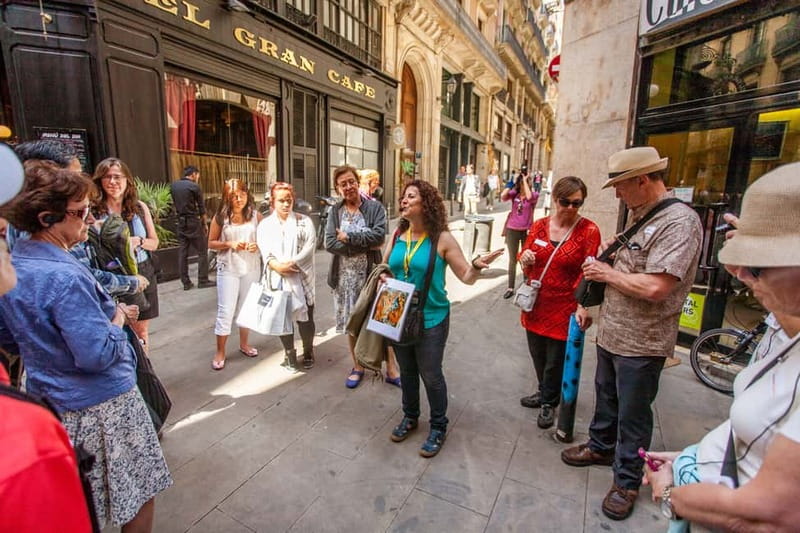
The walk begins in the area of the Gothic Quarter, around a meeting point near Pl. de Catalunya. Expect about 50 minutes of guided walking where the guide connects key Barcelona locations to Picasso’s development.
A few stops that define the route:
- Plaça Reial, where the tour frames Picasso observing café life that fed later ideas in his work.
- Llotja de Mar, the art academy tied to Picasso’s early talent, when he was very young and already drawing attention.
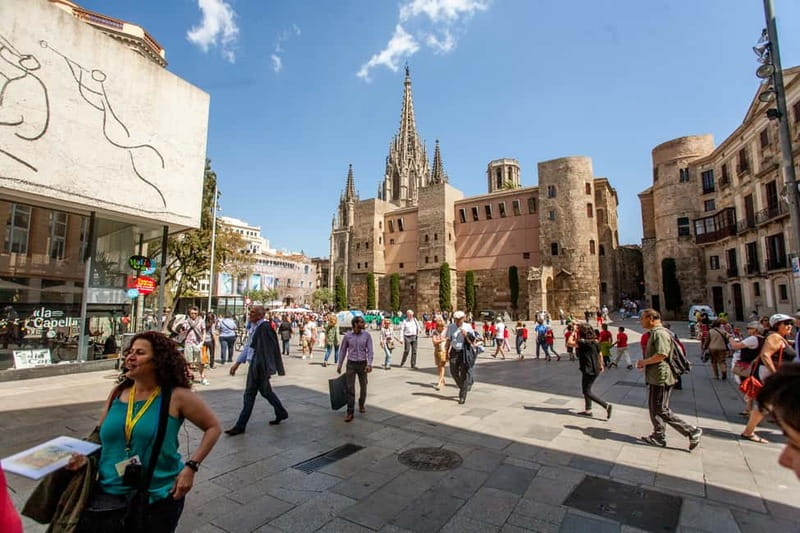
- The Architects’ Association Building, where you’ll see Picasso’s only public artwork: a frieze that many visitors miss entirely.
This part of the tour is where you pick up the “why” behind the art. Instead of asking Why did Picasso do that?, you start asking What was happening around him? You also get a sense of the city as a network of cafés, schools, and meeting places, not just monuments.
Practical tip: bring your comfortable shoes. Cobblestones add up on a 2-hour outing, and the walk is the main engine of the experience.
Also note how the guides tend to run this segment. In recent tours, guides such as Anne and Pilar are praised for telling stories that connect neighborhood details to specific artistic choices. It’s the difference between reading about Picasso and seeing why Barcelona mattered.
Els Quatre Gats: the café stop that makes the art era feel real
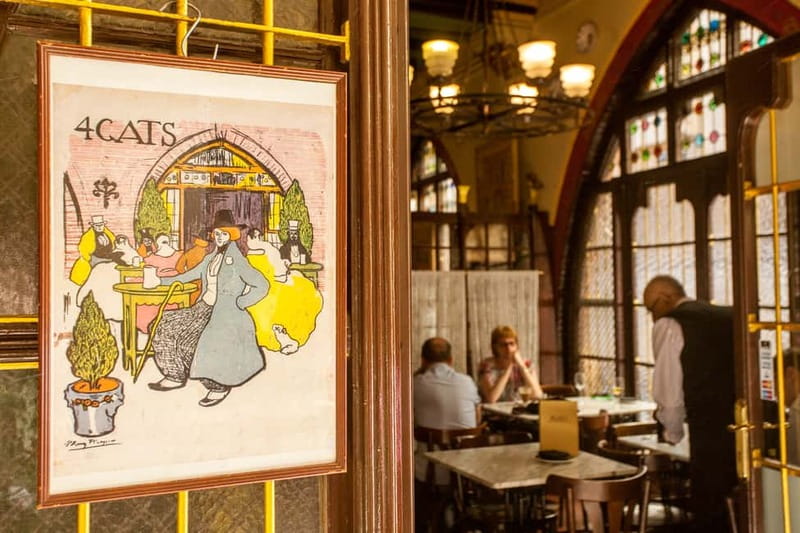
After the Gothic Quarter stretch, the tour makes time for Els Quatre Gats (about 10 minutes). It’s brief, but it’s the kind of stop that changes how you picture the whole scene.
Here’s what the tour emphasizes:
- Picasso’s early involvement with the space as a young artist
- The café as a meeting place for artistic discussion and experimentation
- Stories that explain why this kind of gathering mattered for someone training to break rules
Even if you’re not obsessed with cafés, this stop gives you an “art ecosystem” feeling. You start to understand how new ideas spread when artists actually see each other, debate, and share work in person.
And yes, there’s a practical benefit. A quick, guided café stop is often easier than trying to cram this context into a museum timeline. You leave with the emotional texture of the time, which makes later artworks easier to place.
Museu Picasso Barcelona: how a guided hour helps you see the evolution
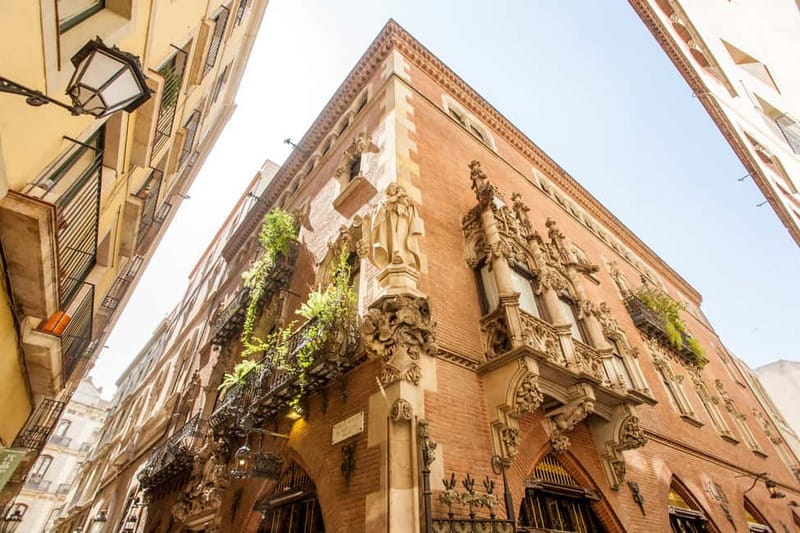
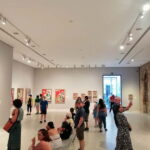
Then you switch gears: the tour includes a guided visit to Museu Picasso de Barcelona, where you spend about one hour. The museum is known for its important collection of Picasso’s early works, and the guide uses that time to walk you through the arc rather than letting you wander randomly.
One value of a guided route in this museum is simple: Picasso’s periods can feel like separate worlds. A guide helps you connect them. Recent guides are praised for explaining why his methods shifted over time, and for guiding you room to room so you don’t miss the themes that tie everything together.
What you should expect the museum portion to cover (at least in the way the guide frames it):
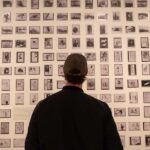
- Early sketches showing strong technical skill even when he was young
- Major series highlights, including the complete Las Meninas series
- Portraits of lovers and friends, used to show how personal life fed artistic direction
- Examples of ceramics and engravings, which broaden the idea of Picasso as more than just a painter
The museum is large enough that you could easily lose an hour and see only a handful of pieces. With a guide, you’re more likely to come away with a clear mental map: where to look for evidence of experimentation, and how later work links back to early training.
If you’re a fan of Picasso, you’ll probably enjoy it even more because a guided hour can pull out details you might otherwise overlook. If you’re not a fan, the best version of this tour is still useful because it gives you a framework to respect the choices behind the style, not just judge the final look.
The only public Picasso frieze: why that detail is worth the detour
One of the tour’s smartest touches is that it doesn’t treat Picasso as museum-only. You’ll also see his only public art: a frieze at the Architects’ Association Building.
This is the kind of moment that rewards people who like small, concrete evidence. You stop, you look, and you realize Picasso wasn’t trapped inside galleries. His work could show up on public streets, too.
It also gives you a clean conversation starter later. After you’ve seen it, you’ll notice how easy it is for “major art” to feel distant. This stop brings it back to the city’s everyday spaces.



Small-group format: max 9, plus guides who actually run the room
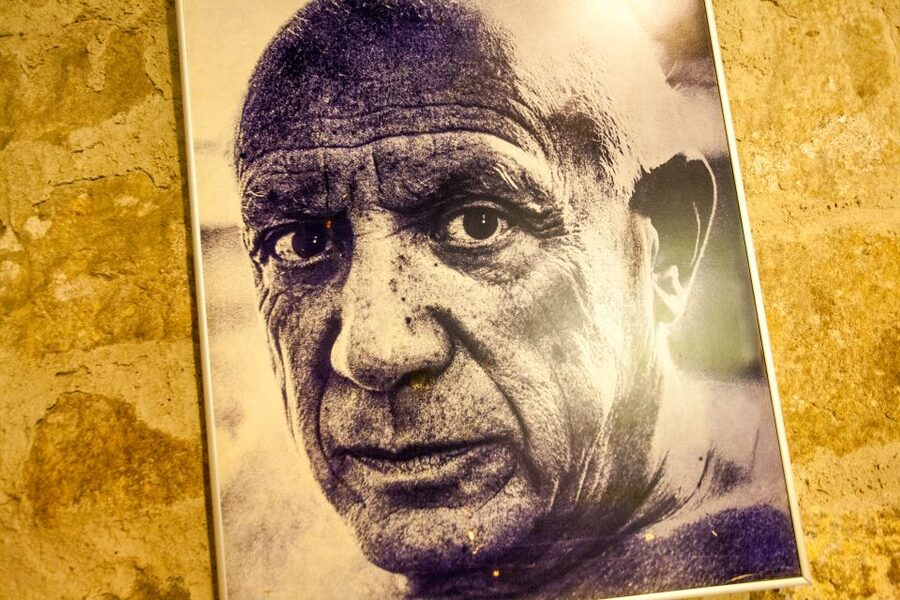
The tour is a small group experience, limited to 9 people. That matters more than it sounds. When you have fewer people, you get:
- More chances to ask questions
- Faster regrouping when the group moves through tight streets
- Less time stuck waiting at viewpoints
It also affects how the museum feels. Instead of reading labels alone, you’re guided through key works with explanation timed to what you’re looking at.
The guide quality is a strong theme in recent feedback, with names like Anne, Pilar, Iris, Stephen, Julie, Ali, Jorge, Olga Escribano, Catarina, Mark, and Olga Eschenko appearing in recent high ratings. The consistent praise is about storytelling that connects Barcelona’s context to Picasso’s art, plus patience when people ask follow-up questions.
There’s also an example of active care. One guide was credited with confronting a pickpocket during the tour, which hints at a larger point: the guide isn’t just narrating. They’re keeping an eye on the group and the surroundings.
If you like tours where the guide talks like a real person, not a script, this format is likely a good match.
Price and value: why $47 feels fair for this mix
At $47 per person for about 2 hours, the price makes sense because you’re getting two different experiences bundled together:
- A guided walking portion through key Picasso-linked spots in the Gothic Quarter (about 50 minutes, plus a short stop at Els Quatre Gats).
- A guided museum visit (about 1 hour) at Museu Picasso.
Two more value boosters:
- Skip-the-line means you spend less time queued outside.
- The tour includes the museum component you’d otherwise have to plan separately.
So the cost isn’t just for the museum. You’re also paying for the connective tissue: explanations about why these places mattered and what to notice in the artworks.
At this length, it also works as a half-morning plan that doesn’t hijack your whole day. If you have limited time in Barcelona, it’s an efficient way to get Picasso context without sacrificing your schedule.
Who should book this tour, and who might not
This tour fits best if:
- You want Picasso context tied to actual Barcelona locations
- You like walking tours that also include a museum visit
- You’re curious about early Picasso and how his style evolved
- You enjoy asking questions and getting answers in real time
You might want to skip or adjust expectations if:
- You only want to see a huge number of specific Picasso masterpieces and don’t care about the street-level setup
- You prefer very long museum time, because the guided portion is about one hour
That said, even if you already love Picasso, the street-to-museum structure is the point. And even if you don’t, a guide can help you understand the logic behind the changes in his style.
Before you go: small details that keep the day smooth
Here’s what I’d do to avoid annoying friction:
- Wear comfortable shoes. Cobblestones plus short regrouping time adds up.
- Bring headphones and a charged smartphone, since the tour setup may use audio support.
- Don’t bring pets or luggage/large bags. The format is built for easy movement through city streets and museum rooms.
- If you’re worried about finding the start: use the provided directions. The meeting point is at the Tourist Information Point at Pl. de Catalunya, 17-S, and you go down the escalators between two large pillars.
One more note: some people found the meeting point confusing. That’s usually an easy fix. Arrive a few minutes early and follow the escalator cue.
Should you book the Barcelona Small Group Picasso Tour with Picasso Museum?
If you want the fastest path to understanding Picasso’s Barcelona, I’d book this. The tour’s best strength is that it doesn’t treat the museum like a separate world. It builds a story while you’re walking, then gives you a guided hour that helps you see patterns in the art.
I’d especially recommend it if you:
- Have limited time in the city
- Like small-group experiences (max 9)
- Want a guided introduction that makes Picasso feel more human and less abstract
Book it if you want clarity and context, not just photos. The result is a visit where you look longer, understand more, and leave with a few specific images in your head that tie back to the streets of Barcelona.
FAQ
How long is the tour?
The tour lasts about 2 hours, with a guided walking segment of about 50 minutes plus visits including Els Quatre Gats and the Museu Picasso (around 1 hour).
Where does the tour start?
It starts at the Tourist Information Point at Pl. de Catalunya, 17-S, Barcelona. You go down the escalators between two large pillars to reach the information point.
Where does the tour end?
The tour finishes at Museu Picasso de Barcelona.
Is the museum ticket included, and do you skip the ticket line?
Yes, museum entry is included and the tour includes skip-the-line access to the Museu Picasso.
How big is the group?
It’s a small group limited to 9 participants.
What languages is the live guide offered in?
The live guide is available in French and English.
Is there an optional audio guide?
An optional audio guide in English is available.
What should I bring?
Bring comfortable shoes, headphones, and a charged smartphone.
What isn’t allowed on the tour?
Pets are not allowed, and no luggage or large bags are allowed.
How does the tour handle different interests in Picasso?
The format combines Picasso-linked streets, a short stop at Els Quatre Gats, and a guided museum route that focuses on early works and how his style evolved, so you’re guided toward what to notice even if you don’t focus only on the most famous pieces.