REVIEW · KYOTO
Kyomai Dance by Maiko Geiko and Visits of Gion Art Museum Kyoto
Book on Viator →Operated by Gion Kagai Art Museum -Kyomai Dance Performance by Maiko Geiko- Kyoto · Bookable on Viator
Kyomai is quick, close, and memorable. In the Gion Kagai Art Museum setup, you’ll see a live Kyomai performance by a geiko or maiko and then browse a Gion Kagai Art Museum collection built around Kagai culture. The only real catch is that the dance itself is brief, so treat this like a taste rather than a long evening.
I like that the ticket bundles admission with the show, which means less time fretting about lines and more time getting your bearings in Gion. You also get a chance to slow down afterward with exhibits and a garden, which helps the whole experience feel more than just sitting in a room for a few songs.
One practical note: you’ll need to remove your shoes before going inside the buildings, and photos aren’t allowed during the dance.
In This Review
- Key takeaways before you go
- Kyomai at Gion Kobu Kaburenjo: what the live dance actually feels like
- Gion Kagai Art Museum: kimonos, makeup, and the Kagai Art Culture story
- A smart way to move through the museum
- The value equation for $20: what you get, and what you trade
- Photo rules, shoe removal, and seat-friendly timing
- How to get the most out of the close-up viewing
- Who should book this Kyomai + Gion Kagai Art Museum combo
- Should you book it?
- FAQ
- How long is the Kyomai Dance experience?
- Where does the experience take place?
- How much does it cost?
- What is included in the ticket price?
- Are photos allowed during the dance?
- Do I need to buy separate tickets for the museum and performance?
- Is there a time limit for the dance performance?
- How big is the group?
- What is the cancellation policy?
- Is the venue near public transportation?
Key takeaways before you go
- Admission + dance included so you don’t have to coordinate separate tickets.
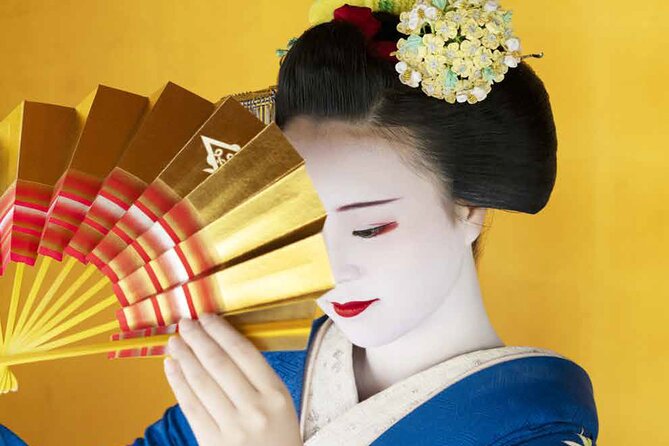
- Kyomai runs about 15 minutes with two songs, performed in the Inoue style.
- Permanent Kagai Art Culture exhibits include kimonos, accessories, personal items, and maiko makeup.
- A garden break gives you a calmer pace after the performance.
- No-photo dance rule with an optional photo session available for an extra fee.
- Small group setting with a maximum of 25 people.
Kyomai at Gion Kobu Kaburenjo: what the live dance actually feels like
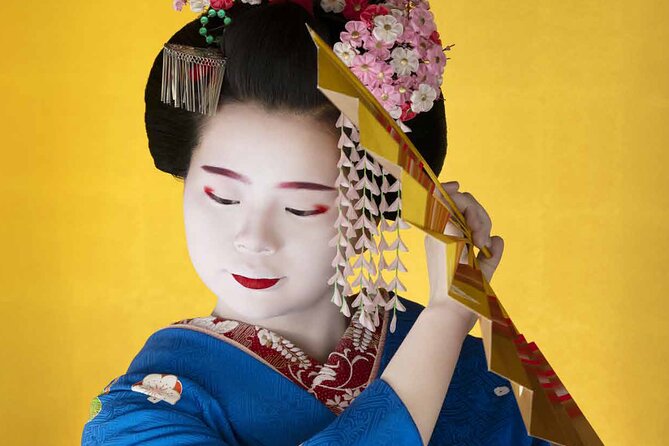
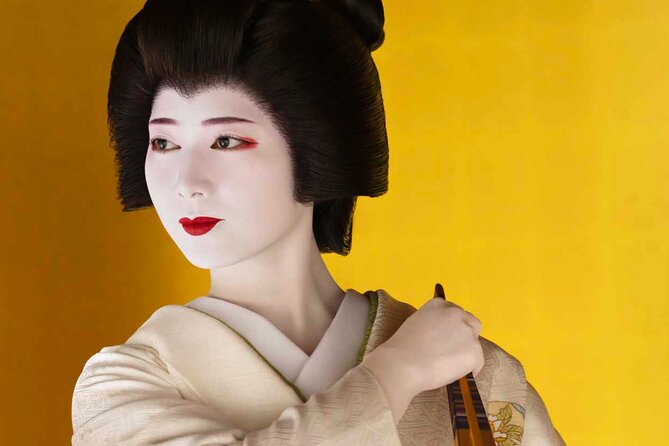
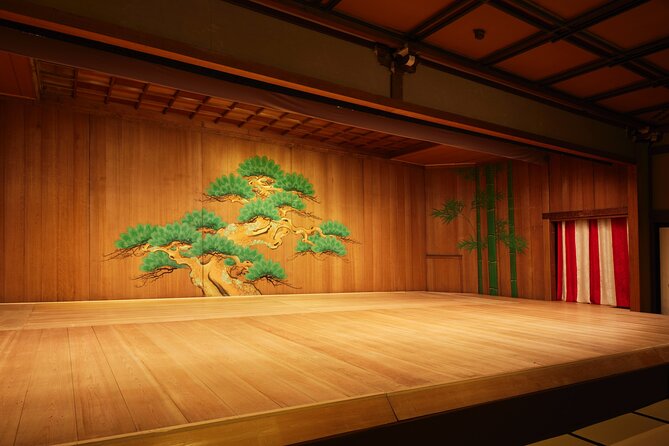
Kyomai is the main event here, and it’s designed to be seen up close. You’ll watch the dance performed by either a geiko or a maiko, with the performance described as happening in an atmospheric banquet-room setting. The performance time is about 15 minutes, and it runs as two songs, so you’ll stay focused the whole way through.
The style used is specifically listed as the Inoue style. That matters because it shapes the look and feel of the choreography: the performance is graceful and formal, and the pacing is meant to read well even in a small viewing space. Instead of turning into a long production with lots of stage changes, it’s more like watching a distilled art moment, complete with traditional attention to movement and detail.
Seating also seems built for clear sightlines. The format is described as accommodating around 40–50 people per show, which typically means you’re not far from the stage area. A few minutes in, you’ll probably realize why this works: the room keeps you close enough to notice the rhythm, hands, and posture that you miss when you’re watching from the back of a large theater.
If you’re the kind of person who loves cultural shows but hates sitting through something that drags, this fits your style. If you’re expecting a dramatic, hour-long spectacle, you may find the time short—and that’s not a problem with the dance, just a mismatch in expectations.
You can also read our reviews of more museum experiences in Kyoto


Gion Kagai Art Museum: kimonos, makeup, and the Kagai Art Culture story
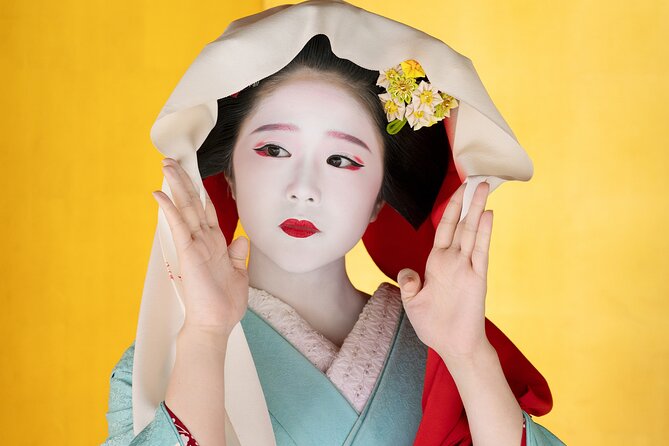
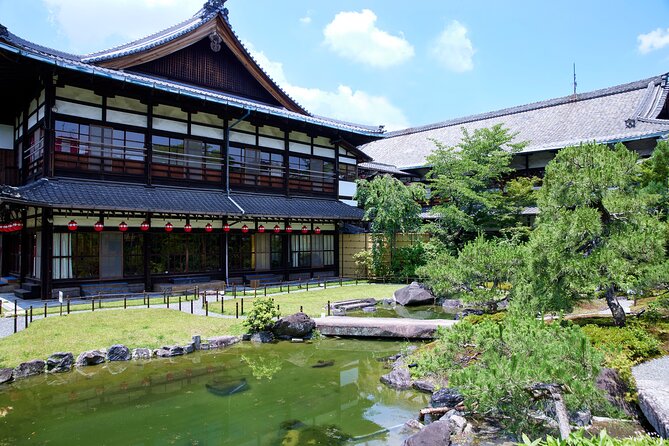
The museum is where the experience gains context. This site is presented as the only facility in the world where visitors can discover the sophisticated culture of geiko and maiko, and it’s housed in the historic Gion-machi area. That framing is a hint about what to look for: you’re not just admiring clothes, you’re seeing how the details build the identity and artistry of Kagai culture.
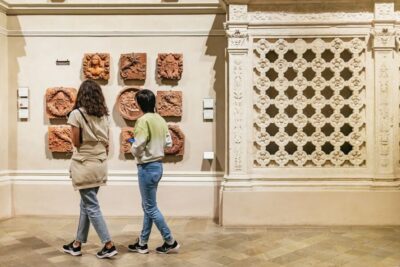
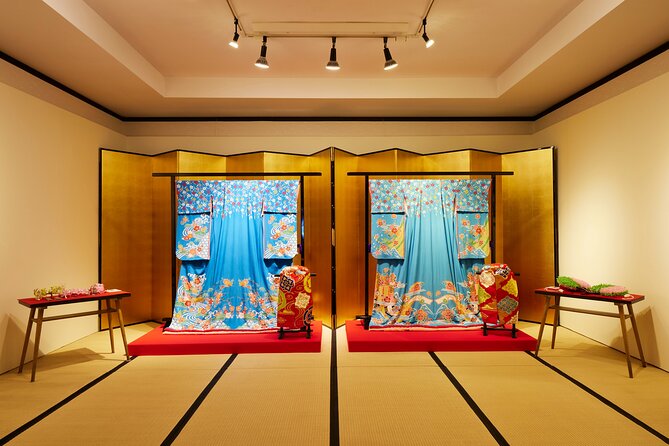
Plan to spend time with the permanent exhibit on Kagai Art Culture. The display includes a mix of clothing and “life details,” like hand-painted Yuzen kimono and Nishijin brocade obi sashes. You’ll also see personal belongings and makeup used by maiko, plus hair ornaments (kanzashi) made for each season.
One standout detail is the mention of black crested formal kimono that are rarely seen in the Gion quarter. Even if you’ve seen plenty of kimono photos around Kyoto, the museum approach feels different because it highlights items that most casual visitors won’t encounter on the street.
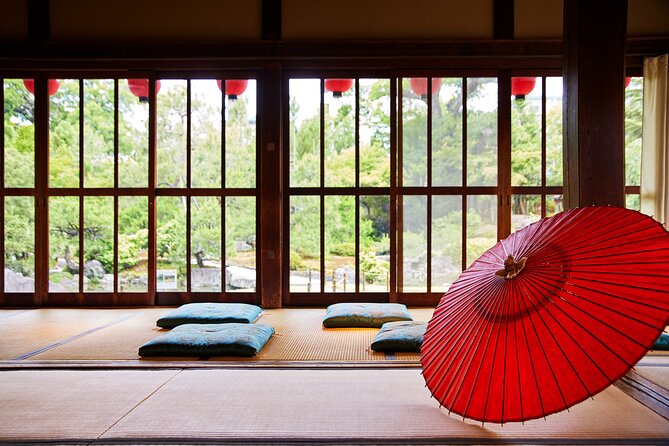
There’s also a garden you can enjoy. After the dance, the museum grounds give you a softer landing, and that helps with the overall pacing. If you’re traveling with kids, this garden time can be useful too—just remember the museum environment is still a quiet indoor space before and after the show.
A smart way to move through the museum
Since the dance is short, I’d treat the museum like your context builder. If you arrive with even a little curiosity about kimonos and seasonal accessories, the exhibit will click faster. And if you’re a first-time visitor to Gion, the museum helps you understand what you’re seeing rather than just watching the dance as a standalone performance.
The value equation for $20: what you get, and what you trade
At $20, this is priced like a focused cultural add-on rather than a full-length guided day. The good news is that admission and the dance performance are included, and that bundling is where the value really shows. Instead of paying for a show and then separately paying to see the museum afterward, you get both for one straightforward price.
The tradeoff is duration. The dance itself is about 15 minutes, and the whole experience runs around 20 minutes. That brevity is exactly why the price stays reasonable—but it also means you’ll want to schedule it deliberately, not as something you tack on at the end of a chaotic day.
Think of it as a first-night win. Gion is one of those places where you can wander for hours and still feel like you missed the point. This experience gives you a structured entry into Kagai culture, and then the museum helps you make sense of what you’re looking at afterward.
It’s also a good value for people who like variety. You get a live performance element, but you’re not trapped only watching. You can balance it with exhibit time and a garden pause, so the experience feels complete even though it’s short.
Photo rules, shoe removal, and seat-friendly timing
This experience has a couple of rules that can surprise people if they’re not ready.
First: no photos during the dance. That’s common for traditional performances, and it’s explicitly part of how this experience works. If you want photos with the performers, there’s an optional photo session available, listed at 2,000 yen per group (max 5 people). If photos matter to your trip memories, I’d factor that extra cost into your plan.
Second: you remove your shoes before entering the buildings. If you’re traveling in comfortable slip-ons, this is easy. If you’re in shoes with fussy straps, plan a quick bathroom-style shoe change. It’s not dramatic, but it helps to arrive ready so you’re not rushing while everyone else follows the rules.


How to get the most out of the close-up viewing
Because the dance is short and close, small things matter:
- If you want to understand the context first, consider arriving with enough time to look around the museum before the show.
- Keep the indoor hush—especially if you’re traveling with kids. The dance is the main moment, and staying quiet helps the experience feel respectful.
There’s also a practical crowd rhythm. The show format accommodates around 40–50 people and your experience group is capped at 25. That means you won’t feel lost in a huge crowd, but you should still show up a bit early so you can settle calmly.
Who should book this Kyomai + Gion Kagai Art Museum combo
I’d book this if you want a clear, low-stress introduction to Kagai culture. It’s ideal for:
- First-time visitors to Gion who want something more meaningful than walking past streets and shops
- People who enjoy cultural performance, but prefer events that are short and well-paced
- Anyone who likes costume details, accessories, and the “small objects” side of tradition
It may not be the best match if you’re craving a long performance or lots of spoken narration. Since the dance is about 15 minutes, the experience moves fast. If you get bored when the museum time is your main follow-up, you might wish it lasted longer.
Families can work here too. The performance is an easy hook for kids, and the garden space helps afterward. The key is that indoor moments need quiet, and kids may lose interest after the dance if there isn’t an ongoing focus.
Should you book it?
Yes, if your goal is a compact, meaningful Gion night. For $20, the combination of Kyomai dance plus museum admission is a strong deal, especially because you’re not spending time coordinating separate tickets. The short show is the point, not a flaw: it’s built for impact in a tight window, then you shift into museum context and garden time.
Skip it only if you’re expecting a long, multi-hour production. If you want that kind of evening, look for a different format and plan a longer sit-down experience. But if you want something structured, traditional, and easy to fit into your itinerary, this is an efficient way to get your footing in Gion.
FAQ
How long is the Kyomai Dance experience?
The duration is about 20 minutes (approx.). The dance performance itself is approximately 15 minutes and includes two songs.
Where does the experience take place?
It takes place in Kyoto, Japan, centered on the Gion Kagai Art Museum area. The meeting point is listed as Gion Kagai Art Museum Yasaka club, 570-2 Gionmachi Minamigawa, Higashiyama Ward, Kyoto 605-0074, Japan.
How much does it cost?
The price is $20.
What is included in the ticket price?
Admission and the dance performance are included, plus all fees and taxes.
Are photos allowed during the dance?
Photos of the dance are not allowed. A separate photo session can be purchased for an additional fee of 2,000 yen per group (max 5 people).
Do I need to buy separate tickets for the museum and performance?
No. Admission and the performance are bundled in the same experience.
Is there a time limit for the dance performance?
Yes. The performance time is approximately 15 minutes (two songs).
How big is the group?
The maximum number of travelers is 25.
What is the cancellation policy?
You can cancel for free up to 24 hours in advance for a full refund.
Is the venue near public transportation?
Yes, it’s described as near public transportation. Service animals are also allowed.