REVIEW · PARIS
Paris: Musée d’Orsay Ticket and Guided Tour
Book on GetYourGuide →Operated by Walks France-Spain · Bookable on GetYourGuide
Paris has a way of making art feel personal. This Musée d’Orsay guided tour uses skip-the-line access and a tight, story-driven route through the museum’s greatest Impressionist hits.
I like that you’re not just walking in and hoping for the best. You get a focused plan that highlights major works by Van Gogh, Monet, Manet, Cézanne, Gauguin, and more, instead of trying to see everything at once.
The main downside is that this is a walking tour inside a big museum. If you use a wheelchair or need a stroller, or if large bags/luggage are an issue, this won’t fit your day.
In This Review
- Key things to know before you go
- Skip the queue fast: entering Musée d’Orsay without the stress
- The Beaux-Arts Main Hall isn’t decoration, it sets the story
- What you’ll see: the Impressionist canon plus a few smart surprises
- Why 2 hours with a local guide is worth it
- The flow of the day: meeting point, guided highlights, then your own time
- Practical Paris notes: lines, bags, pace, and strike day reality
- Who should book this Musée d’Orsay tour
- Price and value: is $69 a good deal for 2 hours?
- Should you book it?
- FAQ
- How long is the Musée d’Orsay tour?
- Where do we meet the guide?
- Is the tour guided in English?
- Does this experience include skip-the-line tickets?
- What art will we see on the tour?
- Is it suitable for wheelchair users or strollers?
- What should I bring?
- What happens if the museum has a closure due to strikes?
Key things to know before you go
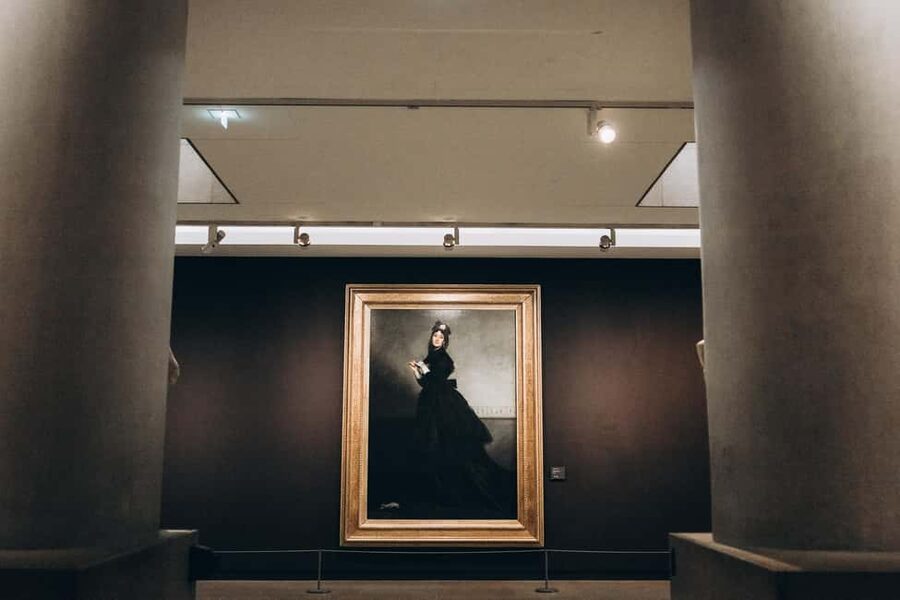
- Skip-the-line entry so you can get moving fast instead of losing time in queues.
- Beaux-Arts Main Hall wow factor right away, including the dramatic ceiling vaults that set the tone.
- Selected masterpieces with context—not a race through the museum’s full collection.
- A guide who connects art to its moment in history, so the paintings make more sense.
- Ear-pieces/headsets in busy rooms (when used) help you hear the guide even with crowds around you.
Skip the queue fast: entering Musée d’Orsay without the stress
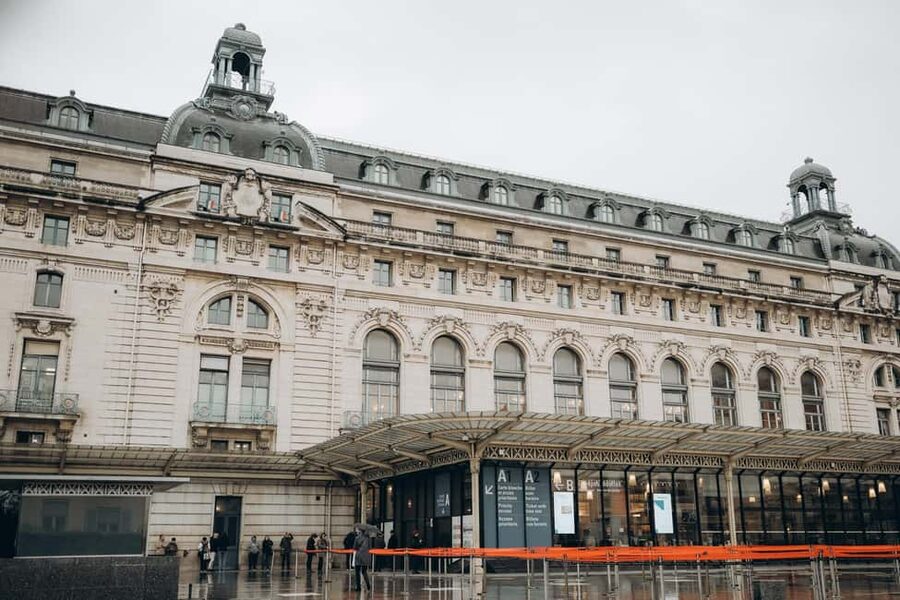
The best part about this experience starts before you even reach the galleries. You meet at 2 Rue de la Légion d’Honneur, and your guide holds a green Walks sign. From there, you go in with skip-the-line tickets, which matters because Musée d’Orsay can be packed and the ticket bottlenecks are real.
Once you’re inside, the museum hits you with scale. You head for the Main Hall first—this is the kind of room that makes you pause without meaning to. It also gives you a mental map: you get oriented to how this former train-station structure flows into art spaces.
After that, the tour shifts from logistics to storytelling. You’re guided through the kind of highlights that keep you from getting lost in a museum that’s both huge and visually crowded.
A few more Paris tours and experiences worth a look



The Beaux-Arts Main Hall isn’t decoration, it sets the story
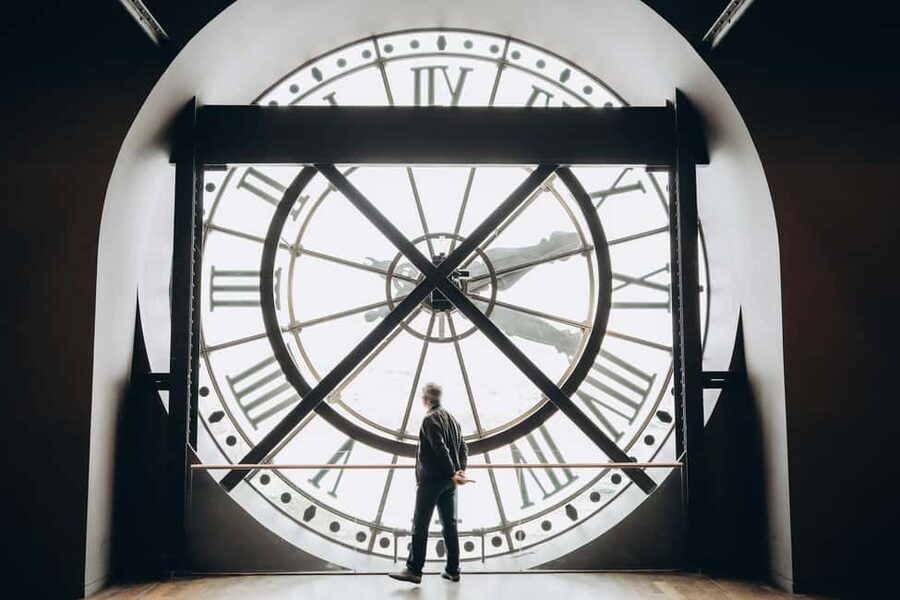
Musée d’Orsay lives inside a beautiful Beaux-Arts building, and that architecture isn’t just background. Your guide explains how it went from a working train station to the home of one of Europe’s strongest Impressionist collections. That transformation changes how you see the museum itself.
In a normal self-guided visit, you might notice the grandeur and move on. With a guided start, you get the “why” behind it early. You also learn what parts of the building are worth slowing down for, and when it’s better to keep moving.
It’s a good way to understand the vibe of the collection, too. Impressionist art often feels like modern life—light, movement, city scenes—so it helps to be in a building that once served modern travel. Even if you’re not an architecture person, you’ll still feel the atmosphere.
What you’ll see: the Impressionist canon plus a few smart surprises
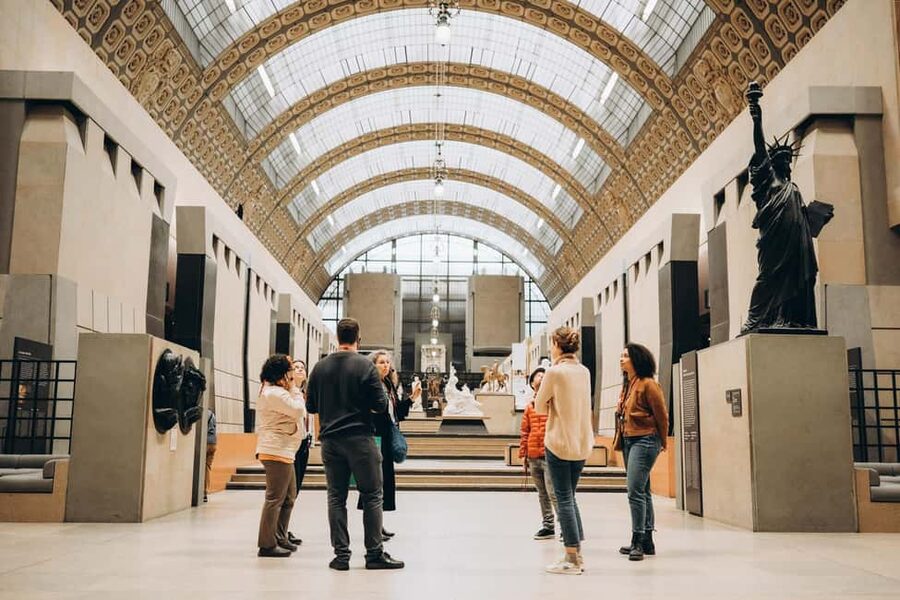
Musée d’Orsay is known for Impressionism, and this tour leans into that strength. You’ll spend your guided time on major works and key artists, including famous names like Van Gogh, Monet, Manet, Cézanne, and Gauguin.
You can expect to run into paintings such as:
- Van Gogh’s Self Portrait and Starry Night Over the Rhone
- Manet’s Olympia and Luncheon on the Grass
- Monet’s Houses of Parliament
- Gauguin’s Tahitian Women on the Beach
That’s the headline list. But the smarter value is how the guide uses these works to build patterns. You’re not just seeing isolated masterpieces; you’re learning how painters in the late 1800s reacted to each other and pushed new visual ideas.
You’ll also see that Orsay isn’t only paintings. Sculpture and other objects are part of the museum’s power, and a good guide knows how to prevent the visit from turning into a blur of frames. A theme keeps reappearing: how artists used color, brushwork, and modern subjects to break with older rules.
Why 2 hours with a local guide is worth it

If you’ve ever done a big museum alone, you know the problem. After an hour, you can feel overloaded and start skipping anything that doesn’t immediately grab you. This tour avoids that trap by giving you a planned route and a guide who knows what to prioritize.
The most praised aspect across many guides is selection—showing key pieces instead of rushing through everything. You’ll learn what’s significant about each work, not just what the painting is. That includes context around why a piece looks the way it does and what was happening in art and society around the artist.
Guides also tend to keep you mentally active. Some guides use small prompts—questions, close reading, and quick moments to slow down and look carefully. You may even notice a “listen, then look” rhythm as you move between galleries, which helps the art stick.
You’ll also benefit from real-time crowd navigation. Musée d’Orsay is busy, and with a group plan you spend less time deciding where to stand and more time actually seeing. In crowded rooms, your guide’s delivery is easier to follow too—several guides use headsets/ear-pieces, which can be a big help when other groups crowd your line of sight.
And for many people, that’s the real payoff. The museum becomes less like an exhausting checklist and more like a coherent story you can follow.
The flow of the day: meeting point, guided highlights, then your own time

This experience is built for a clear split between guided structure and personal wandering.
You start outside the museum at 2 Rue de la Légion d’Honneur. Aim to arrive 15 minutes early so you’re not scrambling to find the right group. Then the first phase is guided: you enter and take in the Main Hall, before moving into the collection with a curated path.
The guided portion lasts about 2 hours. That timing is long enough to feel you got somewhere, but short enough that you’re not trapped in museum fatigue. Your guide helps you make sense of the big names and also points out what you can save for later.
After that, you get free time for self-guided exploring. This is where you can return to anything that caught your attention during the tour. It’s also when you can follow the guide’s recommendations—if they pointed out certain rooms or works to revisit, this is your chance.
One practical note: the tour is a walking tour through the museum. Wear comfortable shoes and expect moderate walking at a steady pace.
You can also read our reviews of more guided tours in Paris




Practical Paris notes: lines, bags, pace, and strike day reality

Here’s where this tour gets real in Paris.
First, lines. The reason you’re paying for skip-the-line isn’t luxury—it’s time. Orsay queues can be intense, and when you’re on a tight itinerary, losing an hour at a ticket counter can derail your day. With skip-the-line access, you keep momentum.
Second, what you bring matters. You should have passport or ID, and comfortable shoes. The tour also doesn’t allow baby strollers or luggage/large bags, so pack light. If you’re traveling with extra items, plan to store them before you arrive.
Third, mobility and strollers. This tour is not suitable for wheelchair users and it doesn’t work with strollers. If you’re unsure, check before booking—this is a museum visit with walking and crowd movement, not a sit-and-watch experience.
Finally, strikes and closures can happen in France. Musée d’Orsay may close certain areas due to strikes, and communication about last-minute changes can come either in advance (if there’s time) or at the meeting point. Build flexibility into your schedule so a partial closure doesn’t ruin your mood.
Who should book this Musée d’Orsay tour

This is a great fit if you want the museum’s best without spending your whole day figuring things out.
You’ll likely enjoy it if:
- You want a guided route through Impressionism with famous works like Van Gogh and Monet
- You’re short on time and want help prioritizing
- You value art context, not just seeing paintings from a distance
- You like the idea of a local guide guiding your attention instead of wandering randomly
It may not be the best choice if:
- You need wheelchair access or must use a stroller
- You’re expecting a fully relaxed, low-walking tour
- You want a totally open-ended visit with no structure at all
Price and value: is $69 a good deal for 2 hours?
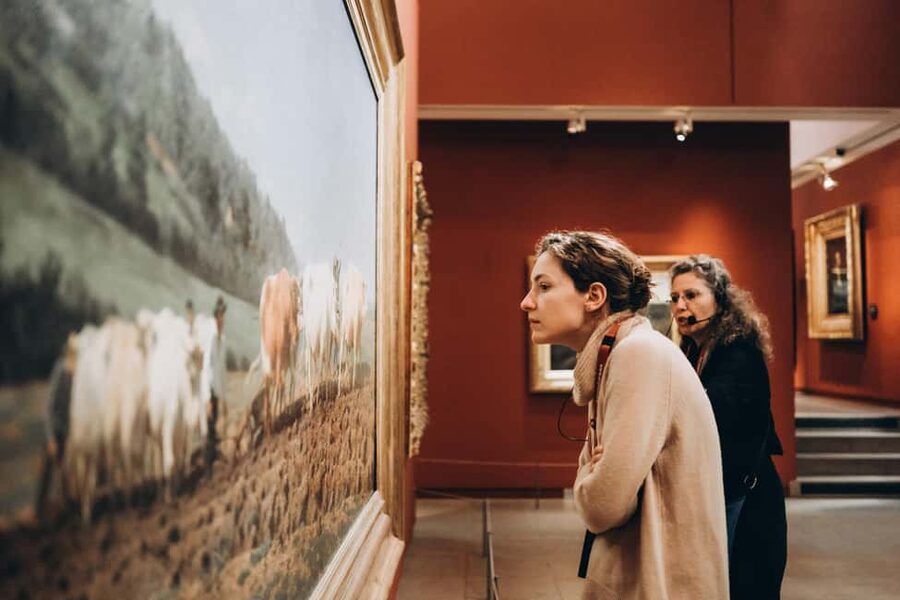
At $69 per person for a 2-hour guided experience with skip-the-line entry, the value comes down to time saved and how much you get out of the collection.
If you’re the type of person who can walk through Orsay and still absorb details on your own, you might not feel the guide is necessary. But if you’ve ever left a museum thinking, I saw a lot, but I don’t remember much, this is exactly what a guide helps solve.
This tour is designed to keep you focused on the works that most impact the story of late 19th-century European art. You also avoid the most painful part of a busy museum visit: waiting. For many visitors, that saved queue time alone makes the price feel reasonable, and the guide’s interpretation turns what you see into something you understand.
Should you book it?
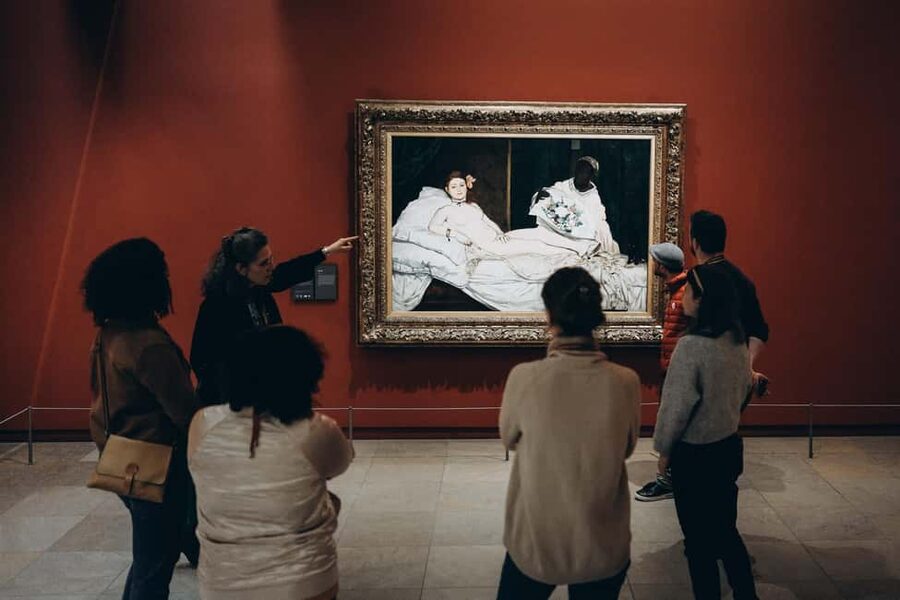
Yes—if your goal is a smart, guided Orsay experience with skip-the-line entry and a route built around the museum’s strongest Impressionist collection. This is not a slow, everything-at-once museum day. It’s a clear two-hour plan that helps you walk into a huge museum and immediately know what matters.
Book it especially if you want to leave with names you can place, not just paintings you passed. If you’re traveling with kids, it can work well too, because the guides often keep the pace engaging and the focus on key works.
If you’re sensitive to walking time, or you need wheelchair access or a stroller, look for a different format. Otherwise, this is a solid way to experience Musée d’Orsay without wasting your Paris day in lines or indecision.
FAQ
How long is the Musée d’Orsay tour?
The experience lasts about 2 hours, including the guided portion.
Where do we meet the guide?
Meet in front of the Musée d’Orsay entrance at 2 Rue de la Légion d’Honneur. Your guide will be holding a green Walks sign. Arrive about 15 minutes early.
Is the tour guided in English?
Yes, the live tour guide provides the tour in English.
Does this experience include skip-the-line tickets?
Yes. Your ticket includes skip-the-line entry for Musée d’Orsay.
What art will we see on the tour?
You’ll focus on major late 19th-century artists and works, including pieces by Van Gogh, Monet, Manet, Cézanne, and Gauguin, plus additional works.
Is it suitable for wheelchair users or strollers?
No. It is not suitable for guests with mobility impairments, wheelchair users, or strollers.
What should I bring?
Bring a passport or ID card and wear comfortable shoes.
What happens if the museum has a closure due to strikes?
Musée d’Orsay can be subject to closures due to strikes. If there’s time, the operator will reach out before your tour. For last-minute closures, details may be communicated at the meeting point.