REVIEW · ROME
Vatican Museums and Sistine Chapel: Small-Group Night Tour
Book on GetYourGuide →Operated by Rome Your Way · Bookable on GetYourGuide
Three hours, after hours, and you get in.
This Vatican night tour is built for the days when the museum feels like a long line simulator. With skip-the-ticket-line entry, you step in faster and spend your limited time where art actually matters—ancient sculpture, major galleries, and the Sistine Chapel—with an expert guide keeping you oriented.
I also like the format: 18 people or fewer with headsets when needed. The single drawback is simple but real: the tour runs only on Fridays and Saturdays from mid-April to the end of October, and if the guide can’t make it (there have been last-minute cancellations tied to guide sickness), you may need patience and a clear Plan B.
In This Review
- Key things to know before you go
- Entering the Vatican Museums at night without the time-drain
- Gallery of Maps, Tapestries, and the Candelabra: what to look for
- Pine Courtyard and Museo Pio Clementino: the Roman muscle of the Vatican
- Raphael Rooms: why this stop isn’t just a warm-up
- Sistine Chapel at the end: how to enjoy Michelangelo’s ceiling
- Price and value: is $84 worth your night?
- The rules that affect your comfort: dress, bags, and security
- Small-group dynamics: why 18 people can feel roomy
- A quick reality check: should you book this Vatican night tour?
- FAQ
- Which days does this Vatican Museums and Sistine Chapel night tour run?
- How long is the tour?
- Is skip-the-ticket-line entry included?
- What’s included in the price?
- Is St. Peter’s Basilica included?
- Where is the meeting point?
- What time should I arrive?
- Do I need to bring anything?
- What should I wear?
- Is the tour wheelchair accessible?
- What is the cancellation policy?
Key things to know before you go
- Skip-the-ticket-line entrance so you spend time inside, not in queues
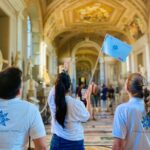
- Small-group limit of 18 with headsets when needed for clear guide commentary
- Raphael Rooms + Sistine Chapel focus in a tight 3-hour walking route
- Vatican Museums galleries you can actually name: Maps, Tapestries, Candelabra, plus Museo Pio Clementino
- Strict dress and bag rules: knees and shoulders covered, no umbrellas, no large luggage
Entering the Vatican Museums at night without the time-drain
This is a classic “pick the right moment” tour. The Vatican Museums can be packed, especially during peak daytime hours, so an after-hours entry helps you move instead of stalling. You meet at the corner of Viale Giulio Cesare and Via Leone IV, next to the flower stand (Viale Giulio Cesare 243), and you’ll want to arrive 15 minutes early to avoid the stress spiral.
Before you see any masterpieces, you go through airport-style security control. That’s non-negotiable and it sets the tone: go light, wear layers you can adjust, and keep your ID ready. You’ll need a passport or ID card.
From there, the tour’s main promise kicks in: a guide gets you past the ticket line and into the museums. With an 18-person-or-fewer group, you don’t feel like a number being pushed along. And because this is set up as a guided walking route, the commentary is part of the value, not an add-on.
One more practical detail: this tour ends in the Sistine Chapel. That’s good because it keeps your attention on the climax, but it also means you should plan how you’ll move afterward. And if you were hoping to add St. Peter’s Basilica, note that it’s not included.
You can also read our reviews of more museum experiences in Rome
Gallery of Maps, Tapestries, and the Candelabra: what to look for
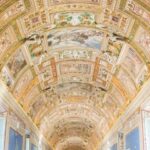
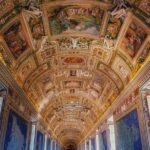
The route is designed to give you a spread of styles, not just one “wow” and done. Early on, you’re guided through standout rooms including the Gallery of the Candelabra, the Gallery of Maps, and the Gallery of Tapestries.
Here’s how I’d think about each stop, so your eyes know where to go:
The Gallery of the Candelabra
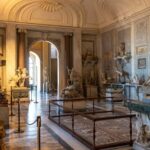
This is one of those rooms where the scale hits first. You’ll see ornate decorative sculpture and display-like arrangements that show how the Vatican collected and curated ancient art. The guide’s role here is important: you’ll get help connecting what you’re seeing to broader themes like Roman craftsmanship and the Vatican’s collecting history.
The Gallery of Maps
Maps in the Vatican can sound like a detour until you realize they’re a snapshot of how the world was imagined, organized, and valued. In a group tour with limited time, it’s easy to skim. You won’t have that luxury. You’ll get the basics you need to read what’s on the walls instead of just admiring color.
The Gallery of Tapestries
If you’ve only seen paintings, tapestry can feel different—like stepping into a textile version of art history. The guide helps you focus on materials, design, and the storytelling quality of these large woven works. It’s also a nice pacing reset: a room like this gives your eyes a chance to relax from sculpture and frescoes.
A heads-up on pace: 3 hours is tight. That’s why “skip the line” matters. If you get stuck waiting outside, you’ll feel the time crunch inside. With skip-the-ticket-line entry and a focused itinerary, the tour aims to keep you from spending your night on logistics.
Pine Courtyard and Museo Pio Clementino: the Roman muscle of the Vatican
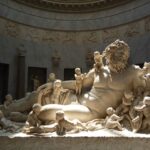
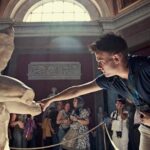
Between the big name galleries, the tour includes Pine Courtyard and Museo Pio Clementino. These stops are worth your attention because they show you another side of the Vatican Museums: sculpture, display logic, and the sense of walking through a collection built over time.
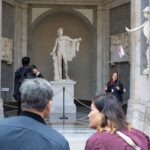
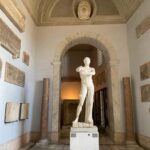
In Museo Pio Clementino, you’re in the lane of ancient statues and gallery architecture. If you like classical art, you’ll probably find this the part where things click. Even if you’re not a “sculpture person,” it helps to know what you’re seeing: ancient figures are arranged to communicate ideal forms, mythic subjects, and the craftsmanship that made these works famous.
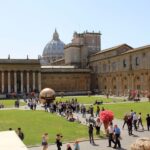
Pine Courtyard works as a breather—an in-between space where you can reset your eyes before the next interior rooms. Night tours can feel like a sprint because of the clock, so having a courtyard stop helps your brain regroup. You’ll want that, because the tour then ramps back up toward the Raphael Rooms and the Sistine Chapel.
Drawback consideration here: you’re walking. The tour is not wheelchair accessible, and the restrictions on luggage (no large bags) mean you should plan how you’ll carry essentials without slowing down the group.
Raphael Rooms: why this stop isn’t just a warm-up
The tour reaches one of the most satisfying bridges in the Vatican: the Raphael Rooms. This is where you’ll see masterful work by Raphael, and it matters because it changes the visual language you’re used to in other museum halls.
In a short tour, the danger is treating Raphael as a pre-finale. But that’s not the point. These rooms help you understand how artists built dramatic storytelling with fresco cycles and careful composition. By the time you’re led toward Michelangelo’s ceiling, Raphael’s presence makes the jump feel less random.
Practical note: because the group is small, your guide can usually steer you to the most important areas without the usual scramble. Headsets when needed also help here. If the room is busy or echoing, you won’t have to crane your neck to catch the explanation.
If you’re short on time in Rome, this is one of those stops that feels like getting a focused education in visual sequencing. It’s art you can actually talk about afterward, not just art you passed by.
Sistine Chapel at the end: how to enjoy Michelangelo’s ceiling
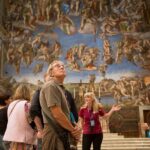
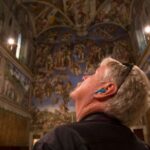
The climax is the Sistine Chapel, and the tour ends there. You’ll see two of Michelangelo’s most famous works: The Creation of Adam and The Last Judgment.
Even if you’ve seen these images online a hundred times, the real experience is different. Scale and proximity change everything. The chapel pulls you upward, and you’ll want to hold your attention there rather than letting your eyes drift to the edges.
A good strategy for how to enjoy it in a guided setup:
- Listen for the guide’s framing just before you enter, so you know what to notice.
- After the explanation starts, pick one focal point (like the central imagery in Creation of Adam) and give it your full attention rather than scanning everything at once.
- Keep expectations realistic: you’re there for a guided experience that ends your tour, not a long, slow study session.
Also, remember the tour is time-based. You’re not lounging. You’re getting access, getting the key context, and moving on when the tour wraps. That’s the trade for doing the Vatican Museums circuit in only 3 hours.
You can also read our reviews of more evening experiences in Rome

Price and value: is $84 worth your night?
The price is $84 per person for a 3-hour small-group night tour. Here’s how I’d judge value, not just cost.
You’re paying for:
- Skip-the-ticket-line entry (this is often the difference between a great night and a frustrating one)
- All admission fees
- A professional guide with commentary
- Headsets when needed (small detail, big comfort upgrade)
- Small-group size of 18 people or fewer
- Instant confirmation, plus free cancellation up to 24 hours in advance and a reserve now, pay later option
What you’re not getting:
- Hotel pickup/drop-off
- St. Peter’s Basilica
So the value question becomes: do you want guidance and faster entry enough to justify $84? For most visitors trying to fit the Vatican into a limited Rome schedule, the answer is yes—especially because you avoid losing prime time to queues.
But I’d also factor risk. The provided experience history includes last-minute cancellations linked to guide availability, including a scenario where the guide got sick and the group ended up being handled differently, with people waiting and then being left without a proper guided experience. That doesn’t mean it will happen to you, but it does mean you should book with awareness and keep your schedule flexible.
The rules that affect your comfort: dress, bags, and security
This tour has a strict entry environment, so your wardrobe and packing choice matter. Plan for these rules:
Dress code
- No shorts
- No short skirts
- No sleeveless shirts
- For both men and women: knees and shoulders must be covered, or you risk being refused entry
This is the kind of rule that can ruin your night fast. If you’re traveling in warmer months, bring a light layer. Don’t assume you can improvise at the entrance.
What you can bring
- No luggage or large bags
- No umbrellas
You’ll also pass through airport-style security control, which means you should keep items easy to access and avoid bulky bags that slow everyone down.
Accessibility
- The tour is not wheelchair accessible
If your mobility needs are flexible, you’ll still want comfortable walking shoes. The museum is huge, and even in a focused itinerary, 3 hours means steady movement.
Small-group dynamics: why 18 people can feel roomy
Small-group tours are often marketed as “intimate,” but the real advantage is how it changes your experience. With 18 people or fewer, you usually get:
- More likely guidance during transitions between rooms
- Better odds of hearing the explanation (especially with headsets when needed)
- Faster walking because the guide isn’t herding a crowd
In practical terms, that can also mean less time lost to confusion. The Vatican has many entry points and side corridors, and when a tour is organized well, you feel it immediately.
One more detail: the tour languages listed are German, English, Spanish, and French. If you’re traveling with mixed language skills, this matters. A clear guide language helps you follow the narrative, not just admire the scenes.
A quick reality check: should you book this Vatican night tour?
Book it if you:
- Want skip-the-line entry and expert help focusing your limited time
- Like the idea of a guided path through Maps, Tapestries, Candelabra, Raphael Rooms, and then the Sistine Chapel
- Prefer a small group (18 or fewer) instead of a big cattle-car session
- Can follow the dress code and travel light (no large bags, no umbrellas)
Think twice if you:
- Are traveling with mobility needs you know won’t work with a non-wheelchair-accessible tour
- Might struggle with the strict dress rules (knees and shoulders covered for everyone)
- Have an inflexible schedule, because the tour has had last-minute cancellations in the past when a guide couldn’t make it
If you do book, I suggest you plan your evening with a little slack. Arrive early, keep your bag small, and dress like you mean it. If everything runs smoothly, this is a strong way to experience the Vatican’s top hits in a single, manageable night.
FAQ
Which days does this Vatican Museums and Sistine Chapel night tour run?
It runs on Fridays and Saturdays from mid-April to the end of October.
How long is the tour?
The tour lasts 3 hours.
Is skip-the-ticket-line entry included?
Yes. Skip-the-line entrance is included.
What’s included in the price?
The price includes a professional guide, skip-the-line entrance, all admission fees, headsets when needed, instant confirmation, and a small group of 18 people or fewer.
Is St. Peter’s Basilica included?
No. St. Peter’s Basilica is not included.
Where is the meeting point?
Meet on the corner of Viale Giulio Cesare and Via Leone IV, next to the flower stand (Viale Giulio Cesare 243).
What time should I arrive?
Please arrive 15 minutes prior to the tour departure time.
Do I need to bring anything?
You should bring a passport or ID card.
What should I wear?
You must have knees and shoulders covered. Shorts, short skirts, and sleeveless shirts are not allowed.
Is the tour wheelchair accessible?
No. The tour is not wheelchair accessible.
What is the cancellation policy?
You can cancel up to 24 hours in advance for a full refund.