REVIEW · DDR MUSEUM
Berlin: DDR Museum Tickets
Book on GetYourGuide →Operated by DDR Museum · Bookable on GetYourGuide
Berlin’s DDR Museum doesn’t just explain East Germany. It lets you touch it—drawers, cupboards, rooms, even a Trabant simulator—so the DDR feels real fast. You’ll walk through reconstructed daily life in a way that’s part museum, part interactive set.
My favorite thing is the hands-on rooms: you can open furniture and handle everyday items rather than staring at them behind glass. I also love the interactive Trabant experience, which turns a basic vehicle into a memorable, sensory lesson about ordinary movement in the DDR. (Yes, it includes that classic Trabant sound.)
One thing to plan around: the museum can get busy, especially at peak times, and that can make it harder to read all the info at your own pace.
In This Review
- Key highlights to know before you go
- Entering the DDR Museum by the Spree: location and first impressions
- Reconstructed DDR apartments you can open, smell, and handle
- The Trabant simulator: why a ride can teach you more than words
- TV rooms, cinema stalls, and Lipsi: culture in the DDR home
- How long you’ll need, and how to avoid the crowd crunch
- Tickets and price: what $15 buys you in real value
- Who this DDR Museum experience fits best
- Quick practical tips before you book
- Should you book DDR Museum tickets in Berlin?
- FAQ
- How long is the Berlin DDR Museum ticket valid?
- Where is the DDR Museum entrance?
- Is a museum guide included with the ticket?
- What are the opening hours?
- Are pets allowed in the museum?
- Are children charged for entry?
Key highlights to know before you go
- DDR apartments you can open up: cupboards, drawers, and household details are meant to be discovered.
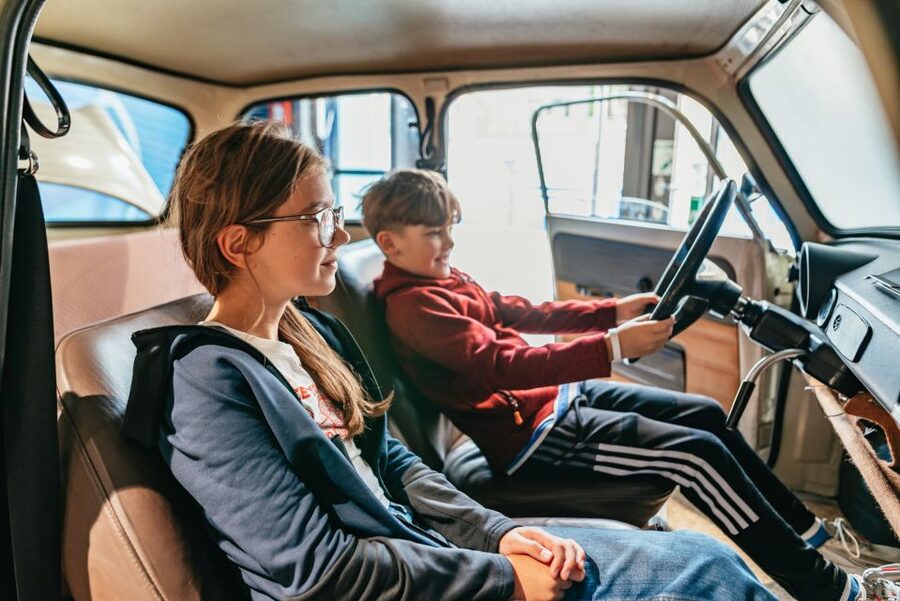
- Trabant simulator: climb in, turn the ignition, and enjoy a simulated ride with typical Trabant noises.
- Everyday objects with strong sensory cues: spices, a pressure cooker on the stove, and period furnishings help things click.
- Classic East German home entertainment: TV scenes and a cinema-stall viewing setup bring culture to life.
- Popular interactive parts: there are activity zones like the Lipsi dance, plus other hands-on moments.
- Plan for time on your feet: reviews suggest you’ll want a bit of stamina, and crowd levels matter.
Entering the DDR Museum by the Spree: location and first impressions
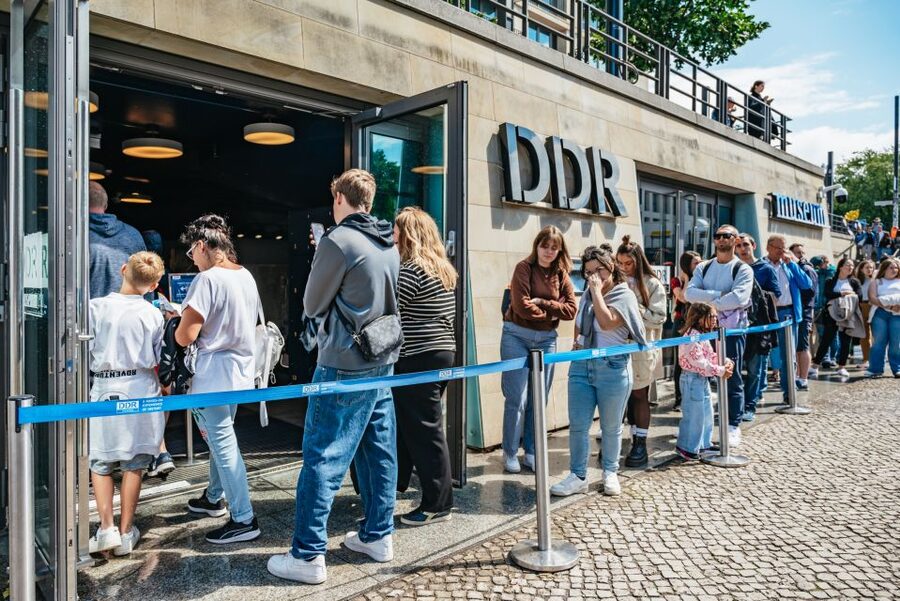
The DDR Museum entrance is on the bank of the Spree, opposite Berlin Cathedral. That spot matters because you’re not walking into some hidden venue—you’re stepping into a central, easy-to-reach stop in the city.
From there, the museum’s core idea becomes obvious quickly: it isn’t set up for passive viewing. Instead of treating artifacts like museum statues, it stages DDR life in rooms and objects you can interact with. That approach is why this ticket feels like more than a standard history stop.
Also note the basics so you can plan your day: the museum is open Monday through Sunday, 9am to 9pm, with shorter hours (9am to 4pm) on December 24 and 31. It’s not a quick “pop in and out” kind of attraction if you want to see and do the interactive parts.
Reconstructed DDR apartments you can open, smell, and handle
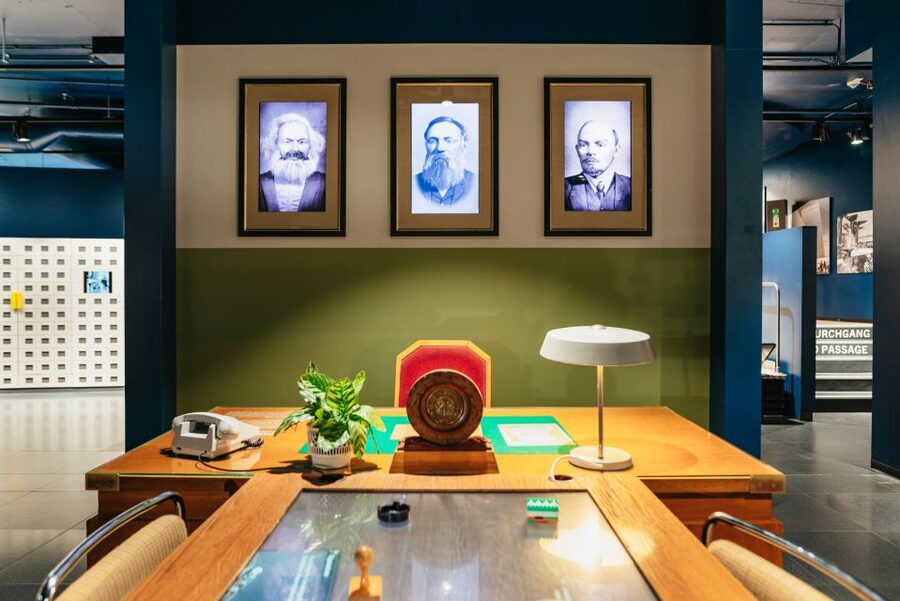
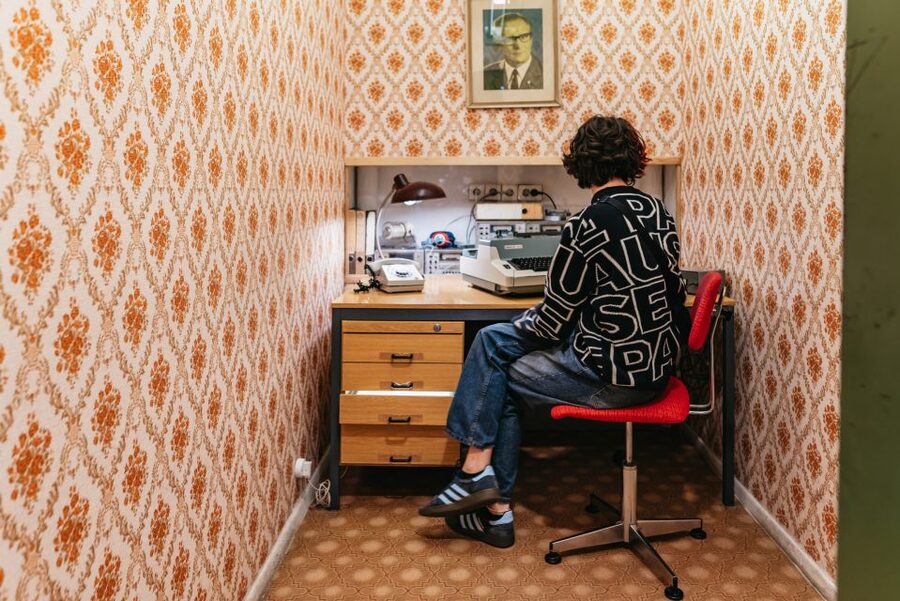
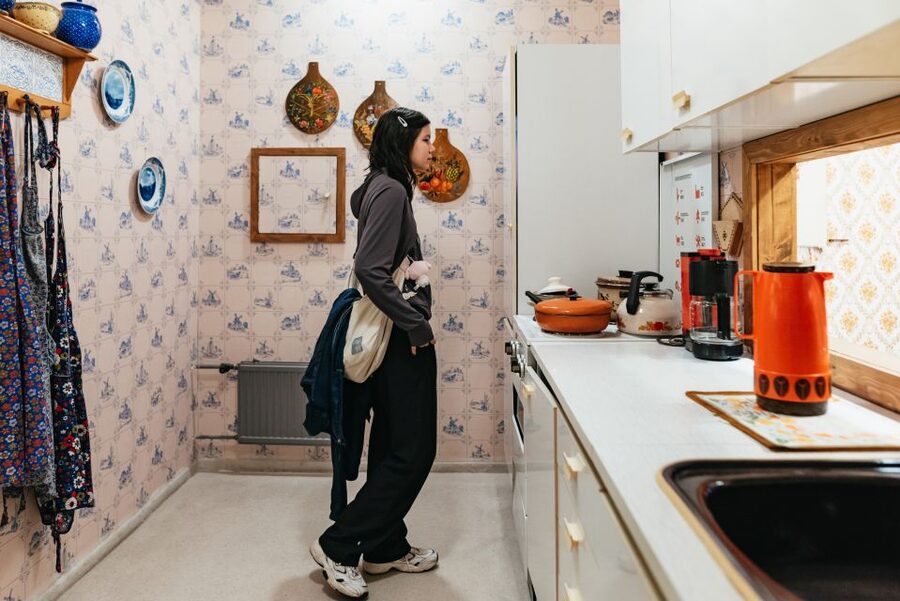
The heart of the DDR Museum is the apartment reconstruction. You’ll move through a DDR-era living space made tangible, including multiple rooms laid out like a real home you’d recognize from photos and stories.
What makes this genuinely useful is the way it’s built for discovery. You’re not stuck peering at items behind cases. You can pull out drawers, open cupboards, and reach inside. That physical act turns history into something your brain can file under real daily routine: storage, meals, clutter, and the practical limits of what people had.
One of the most talked-about pieces is the Karat wall-cupboard. It’s staged in a typical East German living-room setting, and it’s the kind of furniture that shows DDR design priorities—functional storage, built-in spaces, and a home life that looks different from Western apartments of the same era. The museum also leans into the senses: you’ll find details like spices on shelves and a pressure-cooker on the stove, which helps you imagine meals and routines, not just politics.
If you like “small things that make big scenes,” you’ll appreciate the museum’s style. It focuses on everyday household objects—things you could actually own—so you leave with a clearer mental picture of what a DDR apartment felt like day to day.
A practical note: one review mentioned the environment can feel a bit dusty because of period furnishings from the 70s. That’s not a deal-breaker, but if you’re sensitive to dust, plan accordingly.
The Trabant simulator: why a ride can teach you more than words
If you’re deciding whether this museum is worth your time, the Trabant simulator is the easiest “yes.” You can climb into an original Trabant, turn the ignition, and the experience starts with the kinds of typical Trabant noises you’d expect.
The value here isn’t only the novelty of sitting in the car. It’s the way the museum uses the simulator to recreate movement through the DDR’s prefabricated districts. You’re not learning history like a lecture; you’re experiencing the rhythm of a built environment—streets, blocks, and the sense of standardized urban life.
Several reviews point to this as the highlight for adults and kids, which makes sense. It’s interactive, it’s memorable, and it gives you something to connect with later when you’re thinking about shortages, everyday compromises, and how daily life shaped people’s choices.
One more practical tip: because the simulator is a signature attraction, it can draw lines. If you care about doing it without stress, aim for earlier in the day or at a less crowded time slot you select when you book.
TV rooms, cinema stalls, and Lipsi: culture in the DDR home
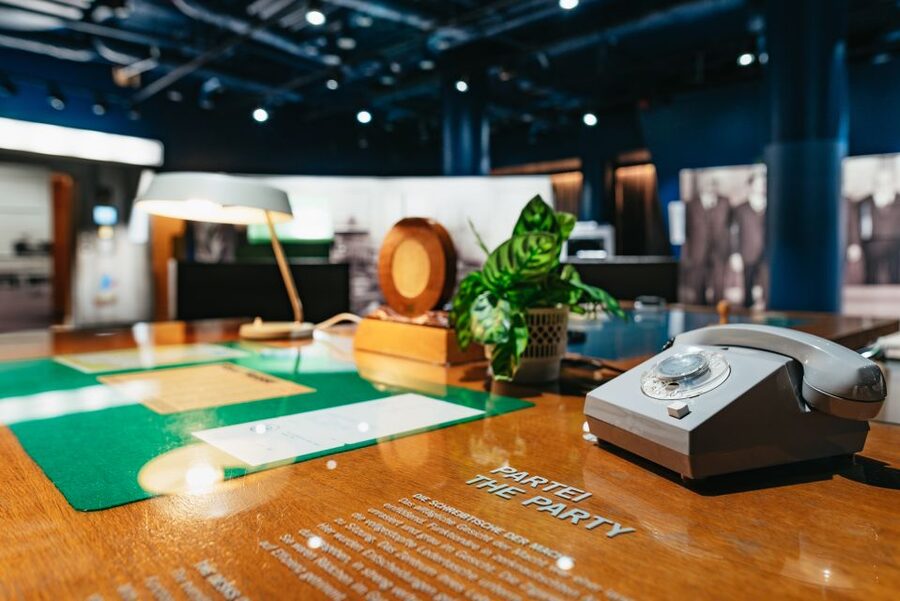
The museum doesn’t stop at apartments and vehicles. It spreads DDR life across media and leisure, which is where history often feels most human.
In the typical living-room setting, you can turn on a television and rifle through a wall-cupboard display tied to period home life. This is where the museum’s “touchable history” strategy really pays off: household media wasn’t separate from daily routine. It was part of it.
There’s also a cinema-stall setup where you can watch news-reports. It’s a small staging detail, but it matters. News wasn’t abstract then—it arrived in a specific format, in specific rooms, with people experiencing it together or in their own space.
And then there’s the fun side: you can dance to Lipsi, described as East Germany’s answer to rock-and-roll. This part may sound like a gimmick, but in context it helps you understand that culture didn’t disappear under a communist system. People still listened, moved, and reacted—sometimes with enthusiasm, sometimes with limits, and often with a mix of both.
If you enjoy museums that treat daily culture as part of the story—not just background—you’ll likely feel at home here.
How long you’ll need, and how to avoid the crowd crunch
The experience is designed to be explored at your own pace, which is great. But it’s also hands-on, and hands-on attracts people. Reviews mention that the museum can be popular and a bit crowded, with more reading and viewing pressure when lots of visitors arrive at once.
So plan your timing like you would for any Berlin hit site: if your goal is to take in details, go earlier rather than later. One review also suggested doing it earlier in the day if you don’t want to stand for long stretches when you’re tired.
In terms of time, reviews mention anywhere from about 1.5 hours if you’re moving briskly to 2–3 hours if you read more closely and linger in rooms. Since this is a full-ticket experience with multiple interactive zones, I’d treat it like a half-day commitment inside your Berlin day.
Also consider the museum layout style. One review said you don’t need to follow a strict route and you can shift between sections. That flexibility is helpful when crowding builds in one area.
If you want to make it easier on yourself, do it in a simple flow:
- Start with the apartment rooms and household details
- Hit the Trabant simulator once you feel settled
- Return to media and leisure zones after you’ve built context
That order helps the interactive sections feel less random and more like parts of one story.
Tickets and price: what $15 buys you in real value
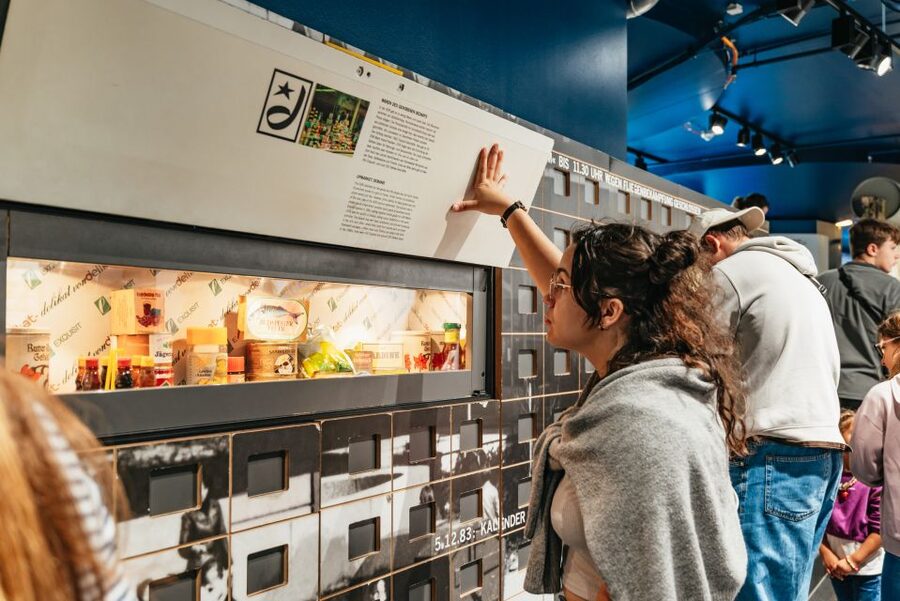
At around $15 per person for entry, the DDR Museum is priced like a museum ticket, but it offers more than a typical walk-through. The biggest value lever is interaction: you’re not just observing—you’re opening, touching, listening, and trying.
A standard museum often gives you short “try it” moments. Here, many parts encourage you to do the work yourself: drawers, cupboards, staged rooms, and hands-on media. That increases learning and recall because your senses are involved.
It’s also good value for mixed groups. Reviews highlight that it works well for adults and kids, which matters if you’re traveling with family or want something different from Berlin’s usual outdoor and monument-heavy rhythm.
That said, this isn’t a guided-tour style experience. A museum guide isn’t included, so if you love deep historical context delivered by a person, you might want to read up a bit beforehand or pair it with other Berlin DDR/GDR history stops.
For who you’ll be if you go: if you enjoy period details, practical daily-life history, and “show me instead of tell me” museum design, the price feels reasonable fast.
Who this DDR Museum experience fits best
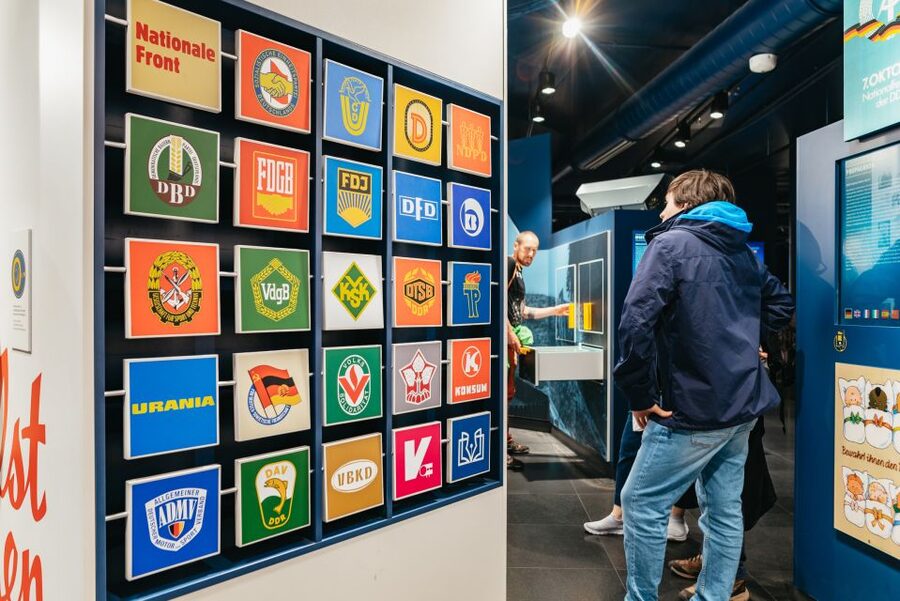
This is a smart pick if you want history that’s concrete. The DDR Museum doesn’t treat the DDR as a distant concept. It uses recreated rooms, everyday objects, and interactive media to help you understand daily life under a communist system.
It’s also a good match for:
- Families with children (reviews mention kids enjoy parts like the Trabant simulator)
- Anyone who likes tactile museums where you’re allowed to engage with the set
- People who want a quick-but-focused East Germany lesson in one go
One review also mentioned the museum includes a former East German prison cell area. If that kind of theme doesn’t bother you, it adds another layer beyond apartments and home life.
On the other hand, if you dislike standing or you prefer calm, uncrowded spaces, you’ll want to time your visit carefully. This museum is more likely to feel physically busy than, say, a quiet gallery.
Quick practical tips before you book
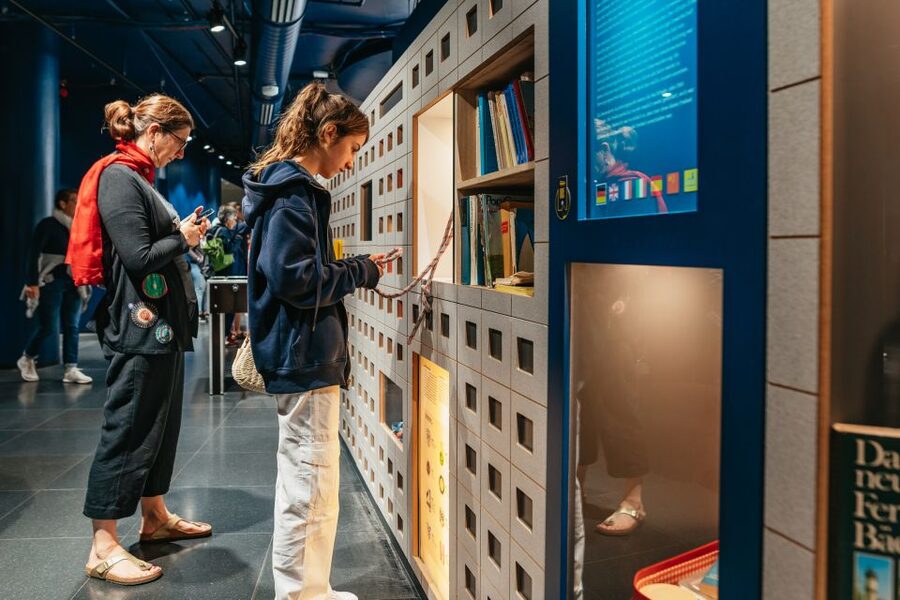
Here are the things that can make or break your visit:
- Go in with realistic expectations: this is hands-on, not a quiet, case-by-case museum.
- Plan for at least 1.5 to 3 hours, depending on how closely you read and how much you do.
- Use earlier hours to reduce crowd pressure and make reading easier.
- Remember entry includes the museum experience, but a museum guide isn’t included.
- No pets are allowed.
- Children up to 5 get free entry, which can help if you’re traveling with little ones.
Should you book DDR Museum tickets in Berlin?
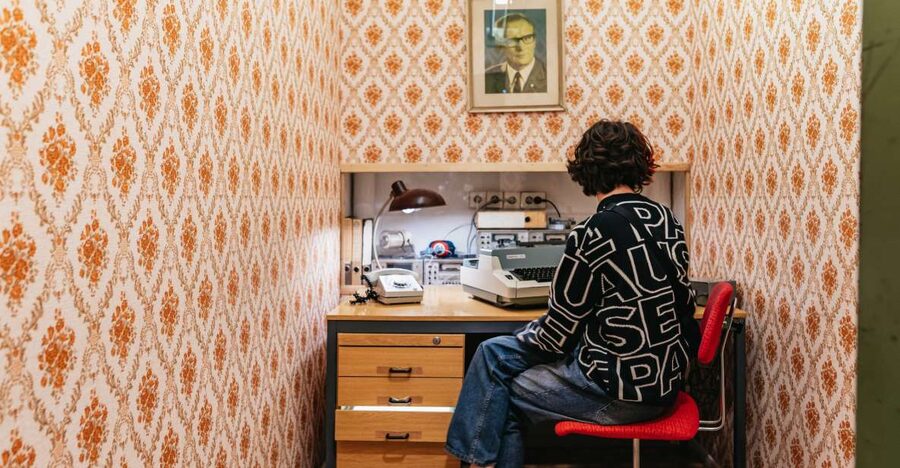
I’d book if you want a Berlin stop that feels real, not abstract. The DDR Museum is strong because it turns daily life into something you can do—open a cupboard, sit in a Trabant simulator, watch staged news scenes, and wander through reconstructed rooms filled with period items. For the time you spend, it’s good value.
Skip it or adjust your expectations if you hate crowds or you only want politics-level history with a guide. You’ll still learn a lot here, but the museum’s style is hands-on and object-focused, not lecture-based.
If you’re building a Berlin itinerary and you want one experience that’s both educational and very human-scale, DDR Museum tickets are one of the easiest “yes” decisions.
FAQ
How long is the Berlin DDR Museum ticket valid?
The ticket is valid for 1 day, and you should check availability to see starting times.
Where is the DDR Museum entrance?
The museum entrance is on the bank of the Spree, opposite Berlin Cathedral.
Is a museum guide included with the ticket?
No. Entry to the DDR Museum is included, but a museum guide is not included.
What are the opening hours?
The museum is open Monday to Sunday from 9am to 9pm, except December 24 and 31, when it’s open from 9am to 4pm.
Are pets allowed in the museum?
No. Pets are not allowed.
Are children charged for entry?
Children up to 5 get free entry.