REVIEW · ORLANDO
Skip the Line: Museum of Military History Ticket
Book on Viator →Operated by Museum of Military History · Bookable on Viator
Military history, minus the waiting. With skip-the-line entry, you can get inside faster and spend your time where it matters: the exhibits that trace America’s military story. I like that you’re not chained to a group—after the guided walkthrough, you can explore at your own pace instead of rushing from room to room.
My favorite part is the way the museum mixes rare artifacts with moving, human accounts from former soldiers. A strong guide makes the timeline feel real. In particular, I’ve seen praise for docents such as Al, plus other credited guides like Linda Gray and Bob Martin, who add details that the exhibit labels alone don’t cover.
One heads-up: a small number of people reported ticket acceptance issues at the museum, and at least one mentioned the place being closed unexpectedly. So I’d show up during open hours and keep your mobile ticket confirmation handy just in case.
Skip-the-line entry saves you waiting time
Guided walkthrough adds context beyond the labels
Chronological exhibits cover American wars from the Revolutionary era onward
Rare artifacts and moving accounts keep the story personal
You get room to roam after the guided portion
Mobile ticket + service animals allowed, near public transportation
In This Review
- Skip-The-Line Entry That Helps You Start Fast
- The Museum Mission: A Timeline You Can Actually Follow
- What the Guided Part Feels Like (And Why It Matters)
- Inside the Exhibits: Artifacts, Accounts, and Chronology
- Pace Yourself: Guided First, Then Your Own Route
- How Long You Really Need (About 2 Hours)
- Location and Getting There Without Stress
- Who This Ticket Is Best For
- Practicalities: Tickets, Phone Entry, and What to Bring
- Should You Book the Skip-the-Line Ticket?
- FAQ
- What’s included with this Museum of Military History ticket?
- How long is the experience?
- What language is the experience offered in?
- What are the museum’s opening hours?
- How does the ticket work at the museum?
- Is the museum easy to reach using public transportation?
- Are service animals allowed?
- Is the experience suitable for most travelers?
- What if I need to cancel?
- What happens if I cancel within 24 hours?
- Is there anything to watch for when arriving with the ticket?
Skip-The-Line Entry That Helps You Start Fast
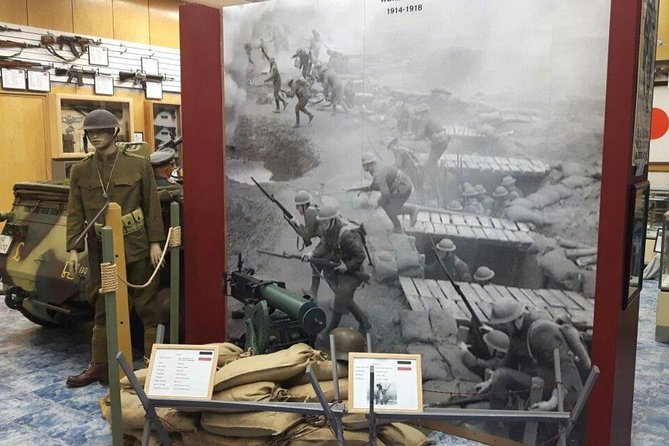
The big promise here is simple: you avoid the time sink of waiting at the door. When you’re visiting an attraction in the Orlando area, that matters more than people expect. A few minutes less in a line means you can spend longer reading, looking closely, and moving at your own rhythm.
This ticket is designed around a mobile entry experience. That’s good if you’re juggling plans, photos, and directions on your phone. Just make sure you can access your ticket screen when you arrive, and don’t rely on a signal you don’t have. The museum’s hours run Tuesday through Sunday, 10:00 AM to 6:00 PM, which gives you plenty of workable options across a vacation week.
You’re also not required to keep pace with a tour group the whole time. The experience is set up so you get structure when it helps, then freedom when you want to linger. That’s a smart way to do a museum: let someone point you toward the best context first, then let you decide how long you want to sit with each exhibit.
My practical take: if you’re visiting on a busy day, skip-the-line access is the kind of “small” upgrade that actually changes your experience.
The Museum Mission: A Timeline You Can Actually Follow

This is not a random collection of military objects. The museum’s mission is to educate and deepen understanding of the American military experience through interactive, interpretive exhibits designed for visitors of all ages. In plain terms: you’re walking through a story that aims to be chronological and readable, not just a grab bag.
In fact, multiple people describe the exhibits as arranged in timeline order, starting with the Revolutionary War and moving forward. That matters because it gives you a sense of how wars connect to each other—shifts in technology, changes in uniforms and equipment, and how the country’s military role evolved over time. If you usually find museums overwhelming, timelines like this are a friend. They help your brain stop treating every room like a separate universe.
The tone is also described as real and raw, which is a way of saying it doesn’t only focus on the “cool stuff.” It centers the human side of conflict, which makes the artifacts feel less like displays and more like evidence of what people lived through.
A few more Orlando tours and experiences worth a look


What the Guided Part Feels Like (And Why It Matters)
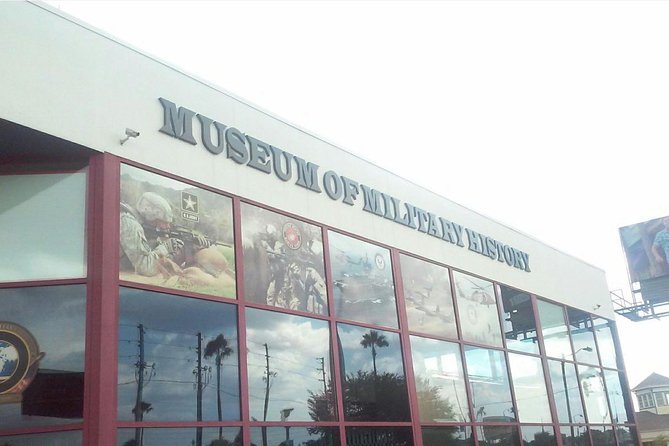
Even though you’ll have time to wander later, a guided element is the difference-maker. People praise the docent-led walkthrough style—where a guide goes exhibit by exhibit and supplies the background that labels usually skip. The result is that you don’t just see items; you understand what you’re looking at.
One review highlights that the guide discourse covered details the exhibits alone didn’t describe. Another specifically praises a guide named Al for walking through the collection and providing insight that turns viewing into learning. Names like Linda Gray and Bob Martin were also cited as docents who brought extra context.
You should expect a guided tempo that’s more “explain and point” than “lecture at you.” And because you’re not forced to stay with the group, you can replay the best moments on your own afterward—return to the sections that struck you, or speed through the parts you already understand.
A practical trick: bring one question to the museum. For example, ask yourself how the U.S. military’s priorities changed over time. Then, while the guide covers the exhibits, listen for what’s different between eras. When you hit the room afterward on your own, your attention will lock in fast.
Inside the Exhibits: Artifacts, Accounts, and Chronology

The heart of your visit is the collection of American military history across multiple wars. Visitors specifically mention:
- A chronological layout from earlier American conflicts forward
- Multiple variations of artifacts across time periods
- An emphasis on moving accounts tied to former soldiers
That combination—timeline structure plus human stories—is what tends to make this kind of museum work. Without the accounts, artifacts can feel like museum props. With accounts, the objects become anchors for memory, sacrifice, and perspective.
You’ll likely see exhibits that help you compare eras. Even if you don’t know much military history going in, you can still track the “before and after” patterns: how weapons and equipment advanced, how the scale of conflict shifted, and how narratives were framed during different periods.
And because the museum uses interactive, interpretive exhibits, it’s not only about standing and reading. You should be able to engage with the displays in a way that feels more active than typical “look but don’t touch” museums.
Good to know: the experience is roughly two hours, so you’re not signing up for a full-day commitment. You’ll want to treat it as a focused visit: arrive ready to look, then come away with a clearer picture of the American military story rather than trying to cover every single object in depth.
Pace Yourself: Guided First, Then Your Own Route
The museum experience is built for flexible pacing. Start with the guided walkthrough so you get the big picture and the context. Then, when you’re on your own, slow down where you care.
This matters because “military history” can go two ways for people:
- Some want the technical side—equipment, uniforms, changes over time.
- Others want the emotional side—personal accounts, consequences, and what service meant.
You’ll probably enjoy it most if you let the guide set the foundation, then choose your lane for the self-guided portion. The freedom to roam also helps if you travel with someone who reads more slowly than you do. Nobody has to sprint.
My suggestion: once the guided portion ends, do a quick loop once more at your normal walking speed, then do a second pass only in the areas that pulled your attention in the first round.
How Long You Really Need (About 2 Hours)

The stated duration is about two hours. That’s usually enough for a thoughtful museum visit when there’s a guide involved. It also means you can comfortably pair it with other Orlando-area plans without wiping out your whole day.
If you’re a fast reader and enjoy scanning exhibits, you might finish closer to the low end of the estimate. If you’re the type who likes to read everything and linger at artifacts, you’ll want to treat the two hours as a “full but not rushed” visit. Either way, the structure of guided + self-paced usually helps you avoid the trap of feeling lost.
Plan tip: give yourself a little buffer before and after. Even with skip-the-line entry, you’ll still want time to settle in, find the best route, and adjust if you arrive slightly earlier or later than ideal.

Location and Getting There Without Stress
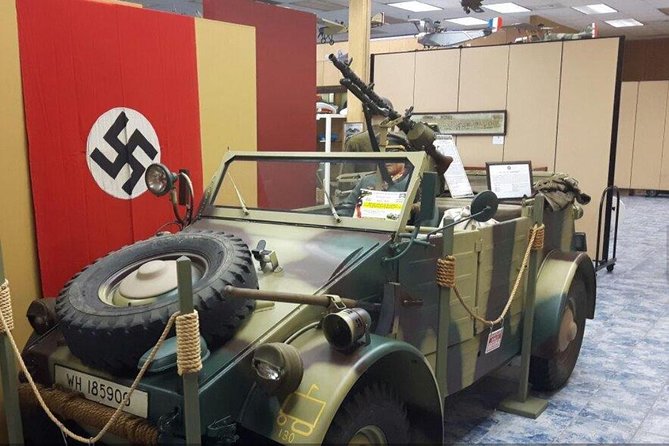
The museum is listed as near public transportation, which is a big plus if you’d rather not fight parking or traffic. That doesn’t tell you which bus stop or which transit line you’ll use, but it does signal that the site is set up to be reachable beyond car travel.
In a city like Orlando, that flexibility can save money and reduce friction. If you’re doing a day of multiple stops, transit proximity makes your routing smoother.
Who This Ticket Is Best For
This experience fits several types of visitors:
- People who want a fast start thanks to skip-the-line entry
- Folks who like museum guidance—someone explaining what you’re seeing
- Anyone interested in the American military story across multiple wars and eras
- Travelers who prefer a mix of structure and freedom: guided context, then self-paced wandering
- Visitors who appreciate rare artifacts paired with personal accounts
If you already know a lot about military history, you’ll still get value from the interpretive presentation and the timeline flow. If you’re newer to the topic, you’ll likely appreciate the help connecting the eras.
Practicalities: Tickets, Phone Entry, and What to Bring
You’ll receive confirmation at booking, and the ticket works as a mobile ticket. That’s your key item for entry. Bring your phone fully charged if you can, and double-check your screen brightness if you’re using it outside in daylight.
Service animals are allowed, and most travelers can participate, so it’s a fairly welcoming setup for a wide range of visitors.
One small but important caution: some people reported trouble with ticket acceptance at the location. I can’t predict your experience, but you can reduce your stress by showing up with the mobile ticket confirmation ready and taking a screenshot or saving it in your offline wallet if your phone allows it.
Should You Book the Skip-the-Line Ticket?
If you want a museum visit that’s organized, emotionally grounded, and easy to fit into a trip, I’d lean yes.
Book this if:
- You’d rather spend your time reading and looking than waiting in line
- You like a guided walkthrough that adds meaning to artifacts
- You want a timeline from earlier American wars onward, with room to roam after
Skip it (or consider adjusting expectations) if:
- You’re the kind of visitor who gets anxious about ticket scanning at the door and you’d rather purchase onsite
- You only have a short window and the exact timing of the guided portion matters to you (the experience runs about two hours, but you’ll still want to be there comfortably during open hours)
My take: this ticket is good value because it buys you time (skip-the-line), context (guide-led explanations), and control (self-paced exploring). For most people, that combo is the difference between a “seen it” museum day and a “remembered it” one.
FAQ
What’s included with this Museum of Military History ticket?
Admission is included, and you receive skip-the-line entry with a mobile ticket. The experience also includes a guided walkthrough element.
How long is the experience?
The duration is approximately 2 hours.
What language is the experience offered in?
It’s offered in English.
What are the museum’s opening hours?
Tuesday through Sunday the museum is open 10:00 AM to 6:00 PM.
How does the ticket work at the museum?
You’ll receive a mobile ticket, and you’ll use your confirmation to gain entry.
Is the museum easy to reach using public transportation?
It’s listed as near public transportation.
Are service animals allowed?
Yes, service animals are allowed.
Is the experience suitable for most travelers?
Yes, it’s listed as suitable for most travelers.
What if I need to cancel?
Cancellation is free. You can cancel up to 24 hours before the experience for a full refund.
What happens if I cancel within 24 hours?
If you cancel less than 24 hours before the start time, the amount you paid is not refunded.
Is there anything to watch for when arriving with the ticket?
A couple of past customers reported difficulty having their ticket accepted at the location. Keep your mobile ticket and confirmation accessible when you arrive.