REVIEW · PARIS
Paris: Musée d’Orsay Private Guided Tour with Reserved Entry
Book on GetYourGuide →Operated by TOUR FRANCE EXPERIENCE · Bookable on GetYourGuide
Musee d’Orsay hits differently with expert eyes. This private guided tour pairs reserved entry with real commentary across art from 1848 to 1914, so you don’t just see paintings—you understand what you’re looking at. Skip the ticket line and you’ll use your time inside far better than if you wander solo.
The two things I’d put at the top are the guide’s explanations and the freedom to move at a comfortable pace. You’ll get insights from an expert guide who can explain both the works and the museum itself, including history and architecture, with room for your questions and opinions as you go. If you want context fast, this format delivers.
One note before you book: it’s $282 per person, so it only feels like a smart buy if you’ll actually use the guide time. Also, if you already know a lot about 19th-century French art, you may find the tour feels more geared toward making first impressions than adding lots of brand-new stories.
In This Review
- Key highlights you’ll care about
- A 2-hour private tour that keeps Orsay from feeling overwhelming
- Entering the museum with reserved entry and zero wasted time
- What your guide actually does for you in the galleries
- A smart way to use the Q&A part
- Impressionists and Post-Impressionists you’ll see up close
- The 1848–1914 timeline: why the tour structure matters
- The art beyond Impressionism: Neoclassicism, Realism, Symbolism
- Museum history and architecture: the hidden reason this tour feels different
- Price and value: is $282 per person actually worth it?
- Language options make this tour easier than you think
- Who this private Orsay tour suits best
- Should you book this Musée d’Orsay Private Guided Tour?
- FAQ
- FAQ
- How long is the Musée d’Orsay private guided tour?
- Does the tour include museum tickets?
- Can I skip the ticket line?
- What art periods and movements will the guide cover?
- Which famous artists might I see during the tour?
- Are temporary exhibitions included?
- Is the tour wheelchair accessible?
- What languages are offered by the live guide?
Key highlights you’ll care about
- Skip-the-line, reserved entry so your 2 hours start in the galleries, not in queues
- Private, expert-led pacing with time to react, ask questions, and talk through what interests you
- Impressionist and Post-Impressionist focus with major names like Monet, Van Gogh, and Degas
- Clear coverage of 1848–1914 so the museum’s timeline helps you connect the dots
- Museum history and architecture context so the building and the art make sense together
A 2-hour private tour that keeps Orsay from feeling overwhelming
The Musée d’Orsay can feel like a lot, fast. One room looks like a conversation starter, the next feels like a clue, and before you know it you’re lost in the sheer number of masterpieces. This private format is designed to keep you moving with purpose while still letting you slow down where your interest spikes.
I like how the tour is built around a manageable time window: 2 hours. That matters because Orsay rewards attention, but you don’t need an all-day plan to get real value. You’ll see major works and come away with enough context to make the rest of your visit (or future visits) click.
And because it’s private, you’re not stuck listening to a one-size-fits-all script. The experience is set up for discussion, so you can ask what a painting is doing, why the style shifted, or how the museum connects to the era it covers.
You can also read our reviews of more guided tours in Paris



Entering the museum with reserved entry and zero wasted time
Getting into a big museum is often the first stress test. This tour is specifically set up to skip the ticket line, which helps your visit start calmly instead of with logistics in your face.
The meeting point is on the Esplanade du Musée d’Orsay, and it may vary depending on the option booked. Practically, that’s good news because it’s easy to find the museum’s main exterior area before heading in, rather than trying to hunt down a hidden side door.
Once you’re inside, you’re not left with a map and a hope. Your guide takes over immediately, so your time stays focused on what you came for: art from the long arc of 1848 to 1914.
What your guide actually does for you in the galleries
A private guide isn’t just a narrator. The best ones act like translators, turning visual choices into understandable reasons. That’s exactly where this tour shines, because the commentary covers not only the artworks but also the museum’s history and architecture.
One guide name that stands out in the tour experience is Antoine, praised for connecting French art to the broader context of France and Paris. That’s the kind of approach that changes the mood of a museum visit. Instead of treating paintings like isolated objects, you start seeing how ideas moved through time and why styles emerged when they did.
You also get personalized attention and flexible pacing. In plain terms: if you want to linger at a certain painter, you can. If a topic makes you curious, your guide can steer the conversation toward related works nearby.
A smart way to use the Q&A part
If you enjoy learning, come ready with a couple of prompts. For example: what makes Impressionism different from earlier styles in the museum, or how do Post-Impressionist ideas build on what came before? Even if you don’t know the terms, your guide can meet you where you are.
Impressionists and Post-Impressionists you’ll see up close
This is an Orsay tour built for fans of Impressionism and Post-Impressionism. The museum is famous for major works from that period, and the tour is designed to take you directly into the heart of that story.
Expect coverage of big names including Monet, Van Gogh, Degas, and more. The point isn’t just to tick off famous titles. With a good guide, you learn what to look for—brushwork, light, composition choices, and the themes artists were leaning into.
For Monet, for instance, you’ll get more out of the experience if you understand how he treated light and atmosphere as the subject. For Degas, learning how he structured scenes (and often framed them with unusual cropping) helps you notice what you’d miss at first glance. For Van Gogh, context around mood and meaning helps you see intensity as deliberate, not just dramatic.
Even if you can’t name every style shift immediately, the guide helps you spot patterns. That’s the secret of enjoying a museum without getting lost in art history jargon.
You can also read our reviews of more private tours in Paris





The 1848–1914 timeline: why the tour structure matters
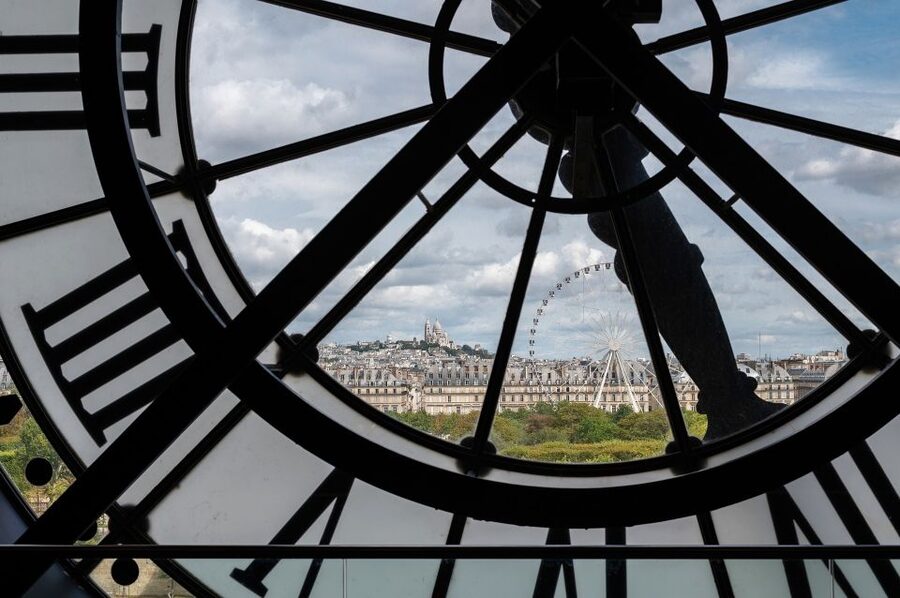
Orsay’s collection isn’t random. It’s organized around a specific span of Western art, from 1848 to 1914, and the tour keeps that timeline in view as you move. That framing helps you understand why certain artistic ideas appear when they do.
When you get context in the right order, everything feels less chaotic. Instead of asking, Why is this painting here? you start thinking, How did we get here from the earlier styles—and where did the next shift come from?
This time period also covers a lot of cultural and political change in France. The guide’s job is to connect that bigger picture to what you see on the walls, including the way themes and styles evolve. If you’ve ever felt like museum visits are either too general or too academic, this middle-ground approach is one of the reasons people like this format.
The art beyond Impressionism: Neoclassicism, Realism, Symbolism
Orsay doesn’t only do one style. You’ll also walk through major works of Neoclassicism, Realism, and Symbolism—which is a huge plus if you don’t want your visit to feel narrow.
Why this matters: those movements provide the “before” and “in-between” pieces that make Impressionism and Post-Impressionism easier to grasp. If you only look at Impressionist works, you might treat the movement like it sprang up out of nowhere. Seeing Neoclassicism and Realism nearby gives you the continuity.
Symbolism is especially useful for understanding why some artists leaned toward mood, meaning, or dreamlike elements rather than only chasing visible light and everyday scenes. With a guide, you can usually connect the dots in a single pass, because the commentary can point out what to watch for when Symbolism shows up.
And because the tour is private, it can adapt to what you respond to most. If your eye is drawn to the darker, more metaphorical works, you’ll get time spent where you’re engaged.
Museum history and architecture: the hidden reason this tour feels different
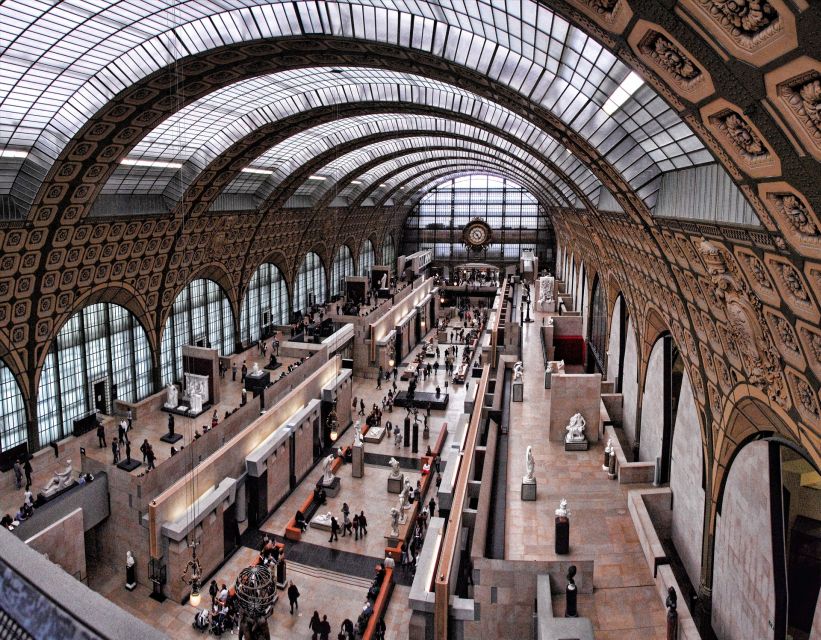
Most people visit Orsay for the art first, and that’s fair. But the building itself adds a layer of meaning if someone helps you notice it. This tour includes commentary on the museum’s history and architecture, so you’re not just walking past the setting without understanding it.
That kind of context turns a stop-and-stare museum into a more cohesive experience. You start seeing the museum as part of the story of how France preserved and presented 19th-century art. Even if you’re not an architecture buff, these explanations make the physical space feel purposeful.
It also helps with confidence. When you know why the museum is shaped the way it is, navigation feels easier and your sense of “this is where I am in the building” becomes automatic.
Price and value: is $282 per person actually worth it?
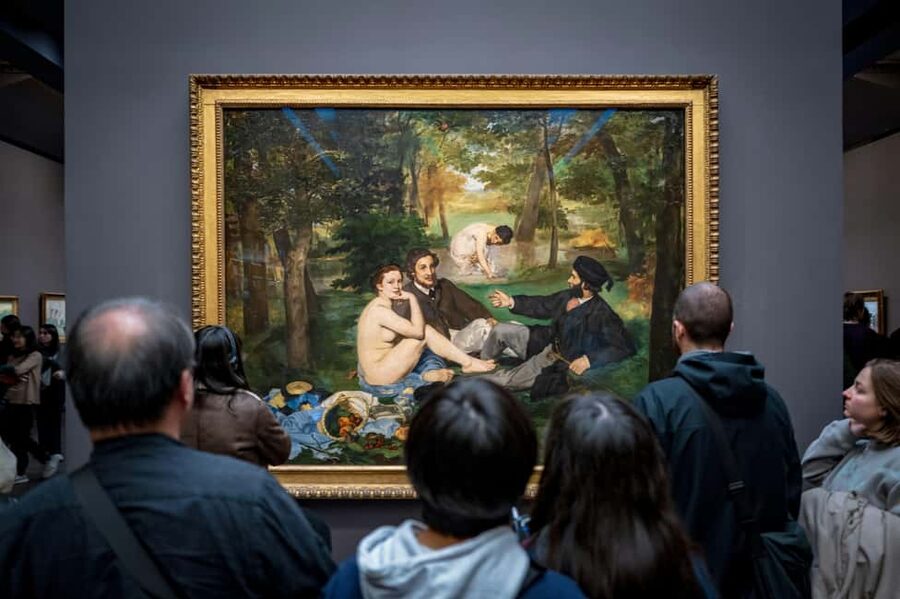
Let’s talk money plainly. At $282 per person for a 2-hour private tour, you’re paying for three things: time saved, expert guidance, and a more personal pace than you’d get on a standard group tour.
Here’s how I’d judge value:
- If you love art and want to understand what you’re seeing, the guide’s commentary is the core value.
- If you hate lines, skip-the-ticket-line access is worth something on its own.
- If you prefer to linger and ask questions, the private format is where the price starts to make sense.
This is not the cheapest way to see Orsay. But it can be one of the best ways to really get it in a short visit, especially if you’re here for a trip that also includes other sights and you don’t want your museum time to turn into aimless wandering.
A possible drawback is that it may feel a bit pricey if you’re mainly looking for a casual stroll and already feel comfortable with the basics of 19th-century French art.
Language options make this tour easier than you think
You’re not limited to one language. The tour offers live guide options in Spanish, German, Italian, Portuguese, Russian, Chinese, Japanese, English, and French.
That matters because museum explanations are only as good as the words. If you want the guide’s insights to land fully—especially for things like style changes, symbolism, or context around French art—being able to choose your language is a real advantage.
Who this private Orsay tour suits best
This experience is a strong fit if you:
- Want Impressionist and Post-Impressionist highlights with expert commentary
- Appreciate historical context tied to French art and Paris
- Prefer a guide who answers questions and adapts to your interests
- Have limited time and want the museum to feel meaningful, not overwhelming
It might feel less ideal if you:
- Already know Orsay’s collection very well
- Are mainly there for photos and a casual overview rather than guided understanding
There’s a subtle hint here from the range of satisfaction: the tour tends to work especially well for people who want a clear orientation and fresh stories. If you’re already deep in the subject, you may need more specialized time elsewhere—or to spend more solo time afterward.
Should you book this Musée d’Orsay Private Guided Tour?
If you’re deciding between rushing Orsay on your own and doing something more intentional, this is the intentional option. The combination of private guided time, skip-the-line entry, and a focus on both major Impressionist/Post-Impressionist works and other key movements makes it a smart choice for most people visiting for the first time.
I’d say book it if:
- You want the museum to make sense quickly
- You’d benefit from someone explaining what to look for
- You like learning while moving at your pace
I’d reconsider if:
- Your budget is tight and you can handle a self-guided visit
- You already have a very advanced understanding of the period and worry you’ll get fewer new ideas in just 2 hours
FAQ
FAQ
How long is the Musée d’Orsay private guided tour?
The guided tour lasts 2 hours.
Does the tour include museum tickets?
Yes. It includes a ticket for the museum’s permanent collection.
Can I skip the ticket line?
Yes. The experience is described as skipping the ticket line.
What art periods and movements will the guide cover?
You’ll see masterpieces tied to the Impressionist Movement and Post-Impressionist works, plus major works of Neoclassicism, Realism, and Symbolism, spanning art from 1848 to 1914.
Which famous artists might I see during the tour?
The tour highlights include works by Monet, Van Gogh, Degas, and more.
Are temporary exhibitions included?
No. Temporary exhibitions are not included.
Is the tour wheelchair accessible?
The tour is wheelchair accessible, and you should inform the operator beforehand to ensure it can accommodate wheelchair users.
What languages are offered by the live guide?
Available languages include Spanish, German, Italian, Portuguese, Russian, Chinese, Japanese, English, and French.