REVIEW · WARSAW
Warsaw: Ghetto, Jewish Cemetery & POLIN Museum Private Tour
Book on GetYourGuide →Operated by Rosotravel Poland · Bookable on GetYourGuide
Warsaw’s ghetto story is on the streets. This private tour ties the big events of WWII—persecution, daily life, the 1943 uprising, deportations—to specific Warsaw locations you can still find. What makes it especially useful is the way it moves from ghetto remains to key monuments, then (on longer options) to the Jewish Cemetery and Poland’s major Jewish history museum.
I like two things right away. First, the guide walks you along the former ghetto area with real-world details, including ghetto boundary markers and the Mila 18 area linked to resistance. Second, the longer options connect the neighborhood story to places where you meet people through graves and exhibitions, not just dates on a timeline.
One consideration: the best add-ons cost extra time. If you choose the 2-hour option, you won’t get cemetery entry or POLIN skip-the-line, and you’ll likely miss the deepest context those stops provide.
In This Review
- Key highlights worth your attention
- Warsaw Ghetto on Foot: What You’re Really Seeing
- Meeting point, time options, and how to choose 2, 3, or 5 hours
- The former ghetto walk: boundary markers, Mila 18, and street-level context
- Ghetto Heroes and Umschlagplatz: why the monuments are more than photos
- Muranów Jewish Cemetery: names, dates, and the weight of place
- POLIN Museum on the 5-hour option: what the skip-the-line actually saves
- Guide quality and language: what you can expect from the private format
- Price and value: where $112 makes sense (and where it doesn’t)
- Practical tips before you go: meeting point, transport, and museum checks
- Should you book the Warsaw Ghetto, Jewish Cemetery & POLIN Private Tour?
- FAQ
- Where do I meet the guide?
- Is pickup from my hotel included?
- What’s included in the 2-hour tour?
- Does the tour include skip-the-line for POLIN Museum?
- Do I need public transport to reach the Jewish Cemetery?
- Is the Jewish Cemetery entry fee included?
- What languages are available for the guide?
- When should I check important tour details?
Key highlights worth your attention
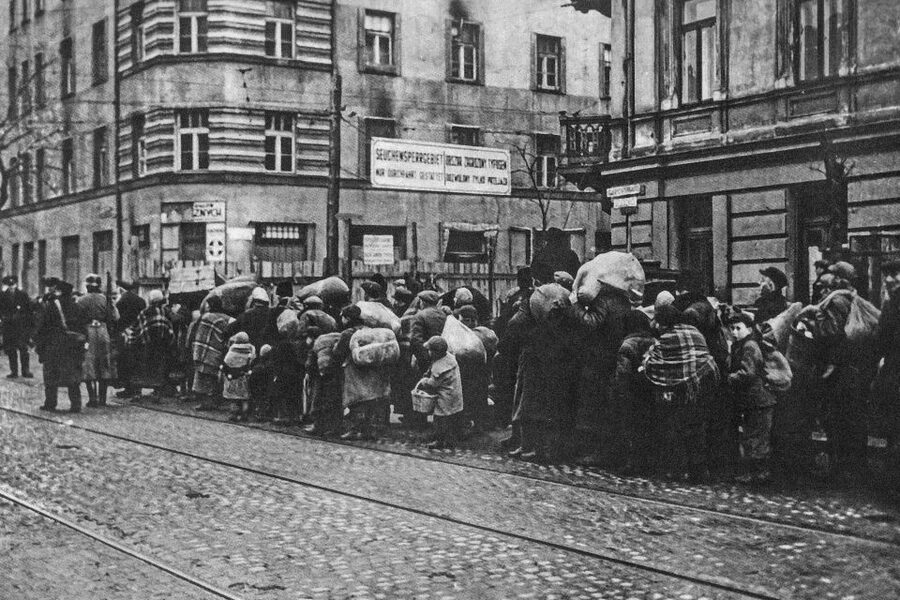
- On-foot ghetto geography with boundary markers so you understand what was inside vs outside
- Monuments with purpose, including the Ghetto Heroes memorial and the Umschlagplatz departure point
- Mila 18 / Anielewicz Mound included in the walking route for a resistance-focused moment
- Muranów Jewish Cemetery (established 1809) with graves of leaders, activists, and victims
- POLIN Museum skip-the-line included only on the 5-hour option
- Language flexibility across several major European languages with a licensed guide
Warsaw Ghetto on Foot: What You’re Really Seeing
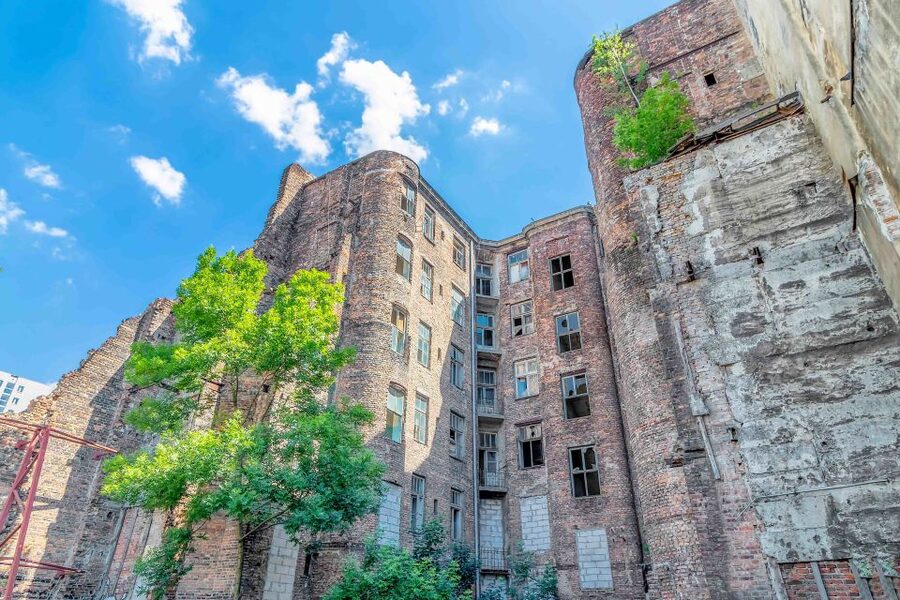
This is one of those Warsaw experiences where the city doesn’t let you stay abstract. You’re walking where Nazis forced Jewish life into shrinking space, and where resistance later pushed back. The guide’s job is to translate that into street-level reality: what stood where, what changed, and what survives as trace markers today.
You should expect a tour that balances daily life and brutality. The story isn’t only about suffering, but also about hunger, disease, and death paired with courage and rebellion. That mix matters, because it prevents the visit from becoming a one-note memorial. It also helps you understand why the uprising in 1943 is remembered so powerfully.
The private format helps too. With a smaller group (or just your party), you can ask why a particular corner matters, or how people moved between neighborhoods under occupation. And if you’re the type who likes to fact-check as you go, a good guide will follow your questions instead of rushing past them.
You can also read our reviews of more tours and experiences in Warsaw.


Meeting point, time options, and how to choose 2, 3, or 5 hours
You meet your guide by the anchor monument in front of the Field Cathedral of the Polish Army at Długa 13/15, 00-238 Warsaw. If you’re staying in the Old Town, pickup is available, but only within about 1.5 km of the meeting spot. Otherwise, plan to get yourself to the meeting point.
Here’s the practical way to choose your time slot:
- 2-hour option: the core walking tour through the former Warsaw Ghetto area, ending at Umschlagplatz. This is the fastest route to the main story beats.
- 3-hour option: adds the old Jewish Cemetery in Muranów. You’ll use public transport tickets to reach the cemetery, since it’s outside the city center.
- 5-hour option: adds POLIN Museum and includes skip-the-line tickets for the POLIN Museum area (more on what that really means later).
If you only have a short window, go 2 hours. But if you want the story to land deeper, the cemetery stop is a big part of that. The museum is the final layer: modern interpretation, context, and cultural memory in a building designed for serious learning.
The former ghetto walk: boundary markers, Mila 18, and street-level context
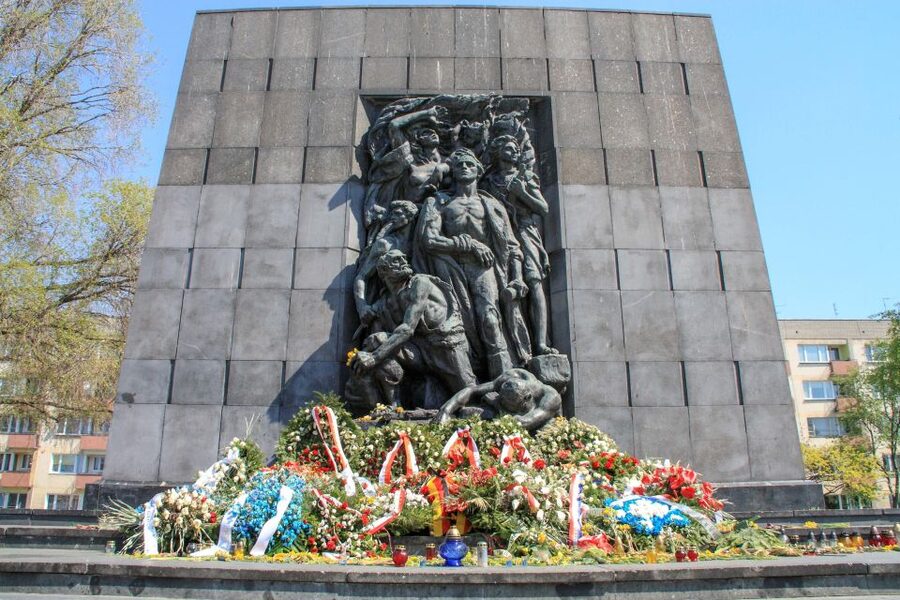
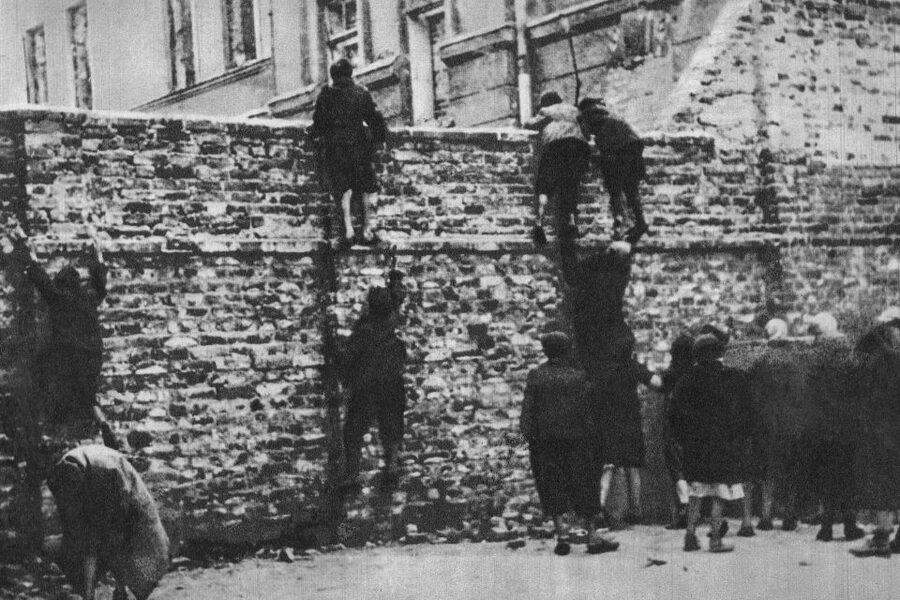
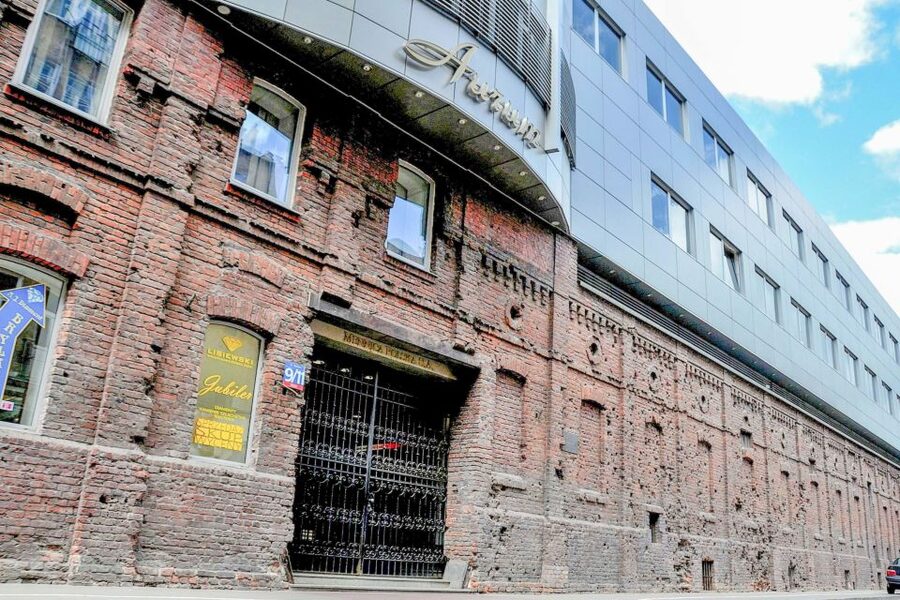
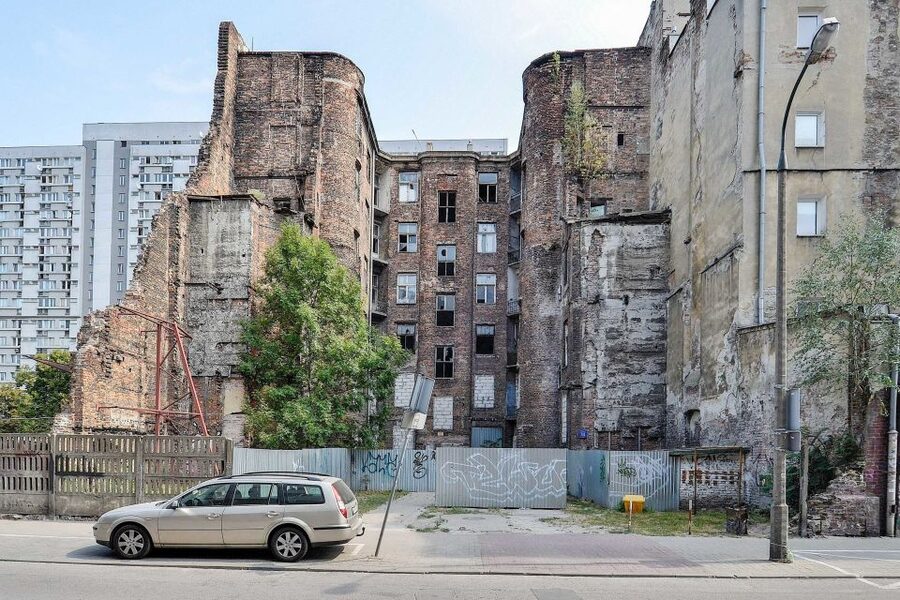
The heart of this experience is a guided walk through the former ghetto traces. Even if you arrive thinking you know the basics, you’ll probably be surprised by how much the route helps you picture the place as it was—especially when the guide points out ghetto boundary markers.
The tour frames the Warsaw Ghetto as Europe’s largest ghetto, with over 400,000 Jews from Warsaw and nearby areas imprisoned there. That number can feel like a statistic until you see how the boundaries shaped daily life. The best part here is that you’re not just hearing about confinement; you’re learning where it physically was.
The route also includes the Anielewicz Mound at Mila 18, described as a hidden shelter linked to the Jewish resistance group. This stop gives you a shift in tone—from enforced suffering to organized resistance. It helps you understand that the uprising wasn’t random heroics; it grew out of a trapped community that still fought for agency.
One practical note: this is WWII history, so you should expect heavier themes. The guide’s skill (and your own pacing) matter. If you need a slower moment for reflection, a private guide can usually work with that better than a big group.
Ghetto Heroes and Umschlagplatz: why the monuments are more than photos
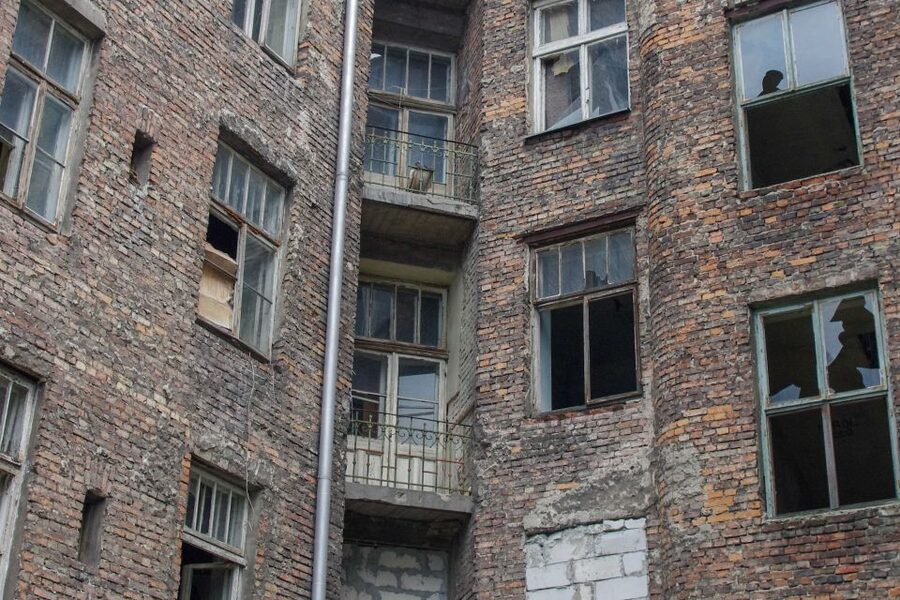
Two of the strongest “story anchors” are the monuments tied to the uprising and the deportations.
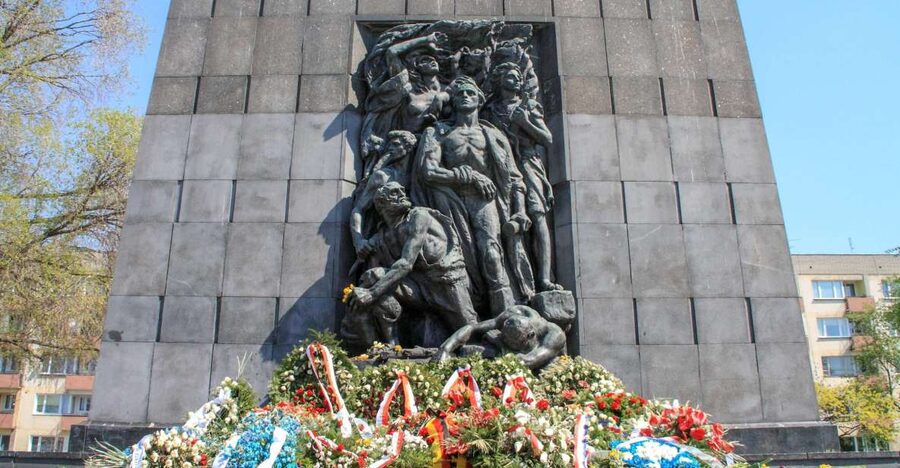
You’ll see the Monument to the Ghetto Heroes, commemorating the 1943 Warsaw Ghetto Uprising. In a walking context, that monument becomes more than a landmark. It turns into a reference point the guide can keep returning to, while explaining how resistance unfolded and why it became such a defining moment.
Then the tour ends at Umschlagplatz, which marks the departure point for Jews transported to Treblinka Concentration Camp, where more than 300,000 Jewish people died. The emotional impact here is real. But the value of having a guide is that it’s not only about grief. You learn how deportation worked, why it escalated, and how it was part of the broader Holocaust machinery.
If you’re the type who likes to understand historical geography, these monuments help you build a mental map quickly. Even if the original structures no longer stand, the landmarks give you fixed points to organize what you’re learning.
Muranów Jewish Cemetery: names, dates, and the weight of place
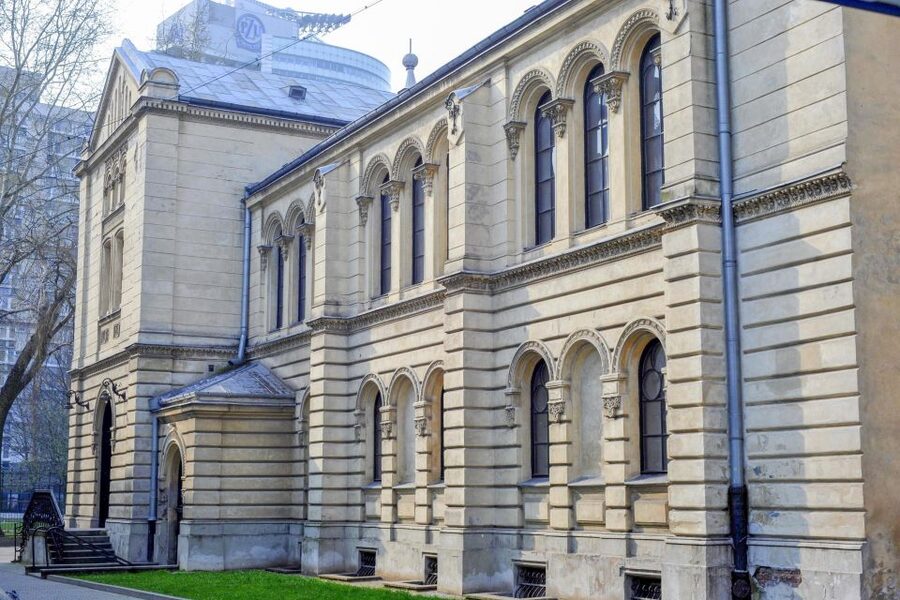
On the 3-hour and 5-hour options, you add the old Jewish Cemetery in Muranów. This is one of the places where history becomes personal fast. It was established in 1809 and is described as one of the largest cemeteries in Europe, with resting places for over 200,000 people.
The guide’s job here is crucial. Cemeteries can feel overwhelming if you’re just reading stone after stone. With a guide, you get a guided path: graves connected to spiritual leaders, political activists, creators of Jewish culture, and thousands of nameless victims of WWII. The point isn’t to memorize details. It’s to understand who people were, and how a community is preserved in names and burial traditions.
Because the cemetery is outside the city center, the tour includes public transport tickets for the 3- and 5-hour options. That matters for value and sanity. You’re not trying to figure out transit while carrying the emotional weight of the place.
Takeaway: if you want the visit to feel grounded in human lives rather than only political events, this cemetery stop is a major reason to choose the longer route.
POLIN Museum on the 5-hour option: what the skip-the-line actually saves
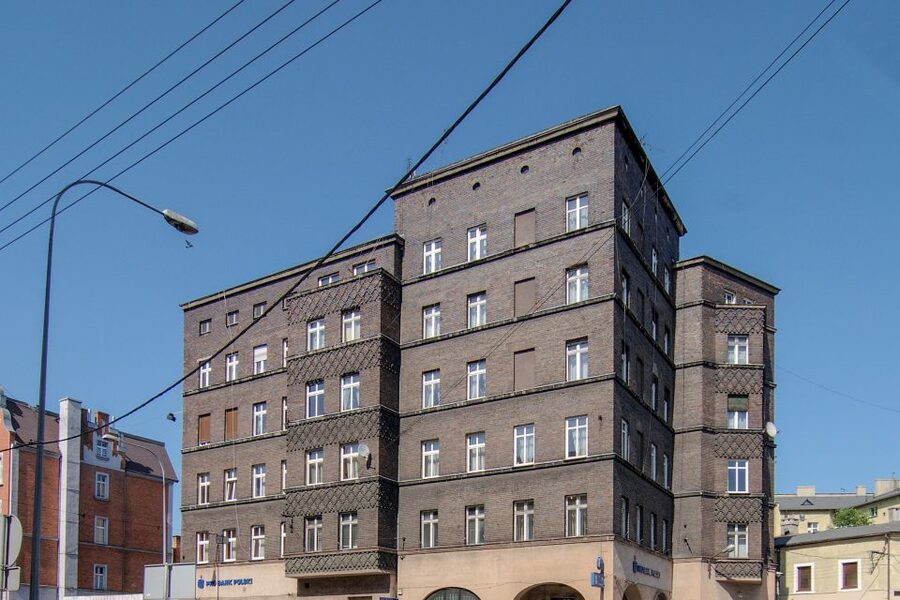
The POLIN Museum is the modern centerpiece of a deeper understanding of Polish Jews before, during, and after the war. The museum experience is included only on the 5-hour option, and there you get skip-the-line tickets.
Important detail: skip-the-line here means you skip the ticket office line. It does not skip the entrance and security checks. So plan for normal museum security. The time saved is mainly about avoiding the ticket desk bottleneck.
Why I think the museum is worth building into your day: a ghetto walking tour gives you place and sequence. POLIN gives you interpretation—how Jewish life changed, what was lost, and how memory has been shaped since the war. It also helps you place the ghetto story inside the broader story of Polish Jewish communities across time.
One practical expectation: even within a guided visit, POLIN can easily take more time than you’d think. If you’re the kind of person who reads and stops at exhibits, give yourself room to do that. The 5-hour slot is built for that balance.
Guide quality and language: what you can expect from the private format
This tour is led by a 5-star licensed guide fluent in the language you choose (Spanish, English, French, German, Italian, Polish, Russian). That’s a real advantage for heavy history. You’ll get explanations you can actually follow, not just a group being herded through.
The guide style also matters. In one example, a guide named Iwona provided excellent German and clear, understandable explanations. Another booking highlighted how the guide used photos and street layouts to show places that no longer exist in today’s Warsaw. That technique is exactly what you want for ghetto sites, because the city does not remain frozen in 1943.
Private format means you’re not stuck only listening. You can ask questions and react in the moment. If something is confusing—like how boundaries worked or why a specific location matters—this is the best time to ask.
Price and value: where $112 makes sense (and where it doesn’t)
The listed price is $112 per person, and the included stops depend on the duration option. That’s the key to evaluating value.
- The 2-hour option is best seen as a strong, efficient intro to the ghetto story, ending at Umschlagplatz. It does not include Jewish Cemetery entry and does not include POLIN Museum skip-the-line (and museum time isn’t part of that option).
- The 3-hour option adds the Muranów cemetery with an included cemetery entry fee (plus public transport help to get there). If you want the visit to include names and graves, this is where value often becomes clearer.
- The 5-hour option adds POLIN Museum and includes the skip-the-line tickets for the museum. If POLIN is on your must-do list, the longer option saves both time and decision effort.
So here’s my straight advice: if your goal is only the street-level WWII story, the 2-hour route is good value. If your goal is a fuller “place + people + interpretation” experience, plan for 3 or 5 hours. The cost difference is basically the difference between events and context.
Practical tips before you go: meeting point, transport, and museum checks
A few practical things will make your day smoother:
- Check your email the day before the tour. You’ll get important information.
- If you choose the 3- or 5-hour option, expect public transport support to reach the cemetery, since it’s outside the city center.
- Plan for security checks at POLIN. Even with skip-the-line ticketing, you still go through entrance and security procedures.
- Dress for standing and walking. This is a walking tour that tracks real locations, so comfortable shoes are non-negotiable.
Also, remember that the 2-hour option does not include the Jewish Cemetery entry fee with transport. If you’re tempted to add the cemetery after a short tour, you’ll need to handle that separately.
Finally, pick a language you’re truly comfortable with. This is not the tour where you want to rely on just a few words. The whole point is understanding the story, step by step, clearly.
Should you book the Warsaw Ghetto, Jewish Cemetery & POLIN Private Tour?
Book it if you want a guided walk that connects WWII history to real Warsaw locations, and you’d like the option to go further into cemetery memory and museum interpretation. The private format, licensed guide, and structured route through key sites make it a strong choice for first-timers or anyone who wants a more meaningful understanding without doing the research on your own.
Skip it if you only have a very short time and you’re comfortable missing POLIN and the cemetery. In that case, the 2-hour tour still gives you the central monuments and Umschlagplatz endpoint, but you’ll likely feel that the story needs one more layer of context.
FAQ
Where do I meet the guide?
Meet your guide next to the anchor monument in front of the main entrance to Katedra Polowa Wojska Polskiego (Field Cathedral of the Polish Army), Długa 13/15, 00-238 Warsaw.
Is pickup from my hotel included?
Pickup is available only for accommodations in the Old Town area, and only if your hotel is within about 1.5 km from the meeting point.
What’s included in the 2-hour tour?
The 2-hour option includes the private walking tour through the former Warsaw Ghetto area and ends at Umschlagplatz. Jewish Cemetery entry and POLIN Museum skip-the-line tickets are not included in this option.
Does the tour include skip-the-line for POLIN Museum?
Yes, but only on the 5-hour option. The skip-the-line applies to skipping the ticket office line, not the entrance and security checks.
Do I need public transport to reach the Jewish Cemetery?
For the 3-hour and 5-hour options, yes—public transport tickets are provided so you don’t have to walk a long distance to the cemetery.
Is the Jewish Cemetery entry fee included?
It is included for the 3-hour and 5-hour options. It is not included for the 2-hour option.
What languages are available for the guide?
The tour is offered in Spanish, English, French, German, Italian, Polish, and Russian.
When should I check important tour details?
You should check your email the day before the tour for important information.