REVIEW · WARSAW
Warsaw: POLIN Museum of the History of Polish Jews Ticket
Book on GetYourGuide →Operated by Museum of the History of Polish Jews · Bookable on GetYourGuide
A thousand years of Jewish Poland, in one walk. POLIN Museum turns history into an interactive indoor journey through artifacts, paintings, and audio—not a passive slideshow. I especially like how the museum keeps the story grounded in real objects while still feeling modern and engaging.
Interactive exhibits are a big draw here, and the museum’s layout helps you move at your own pace while following the timeline.
My second favorite thing is the audio guide that guides you by location. You’re less likely to get lost among the galleries, and the English track is clear enough that you can focus on what matters instead of constantly reading everything at once.
One consideration: this is an intense experience with heavy subject matter, and there’s a lot to see. If you only have a short attention span or plan to rush, you’ll miss the details that make the museum hit harder.
In This Review
- Key highlights you should plan around
- Why POLIN feels different from most Warsaw museums
- Tickets, timing, and the part people forget: closing time
- The layout: eight galleries and a story that builds layer by layer
- The audio guide: smart tech, but not flawless for reading walls
- What you actually see: artifacts, installations, and reconstructed details
- The Holocaust section: powerful and unavoidable
- After the worst: how culture is revived
- The practical museum day: how long to plan and why breaks help
- Lunch inside POLIN: easy reset without leaving your day behind
- Price and value: is $12 a good deal?
- Who should book this, and who might want a different plan
- Should you book POLIN Museum of the History of Polish Jews?
- FAQ
- How long does the POLIN core exhibition take?
- Is the ticket valid for more than one day?
- Can I enter at any time during the day?
- Does this experience include an audioguide?
- Is there a guided tour included?
- What languages are available for the audioguide?
- Do I need to go through security scanning?
- Is the museum closed on any day?
- Are there luggage restrictions?
- What are the rules for children?
Key highlights you should plan around
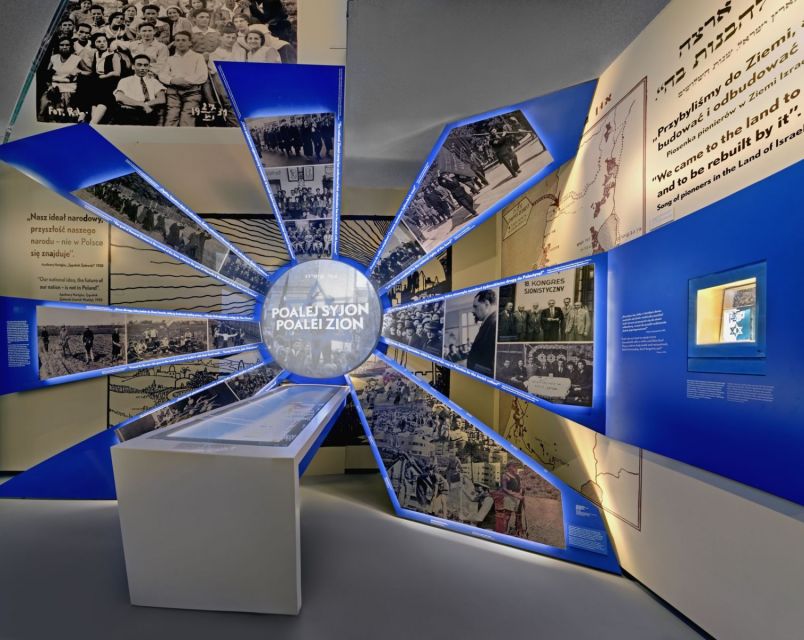
- 1,000-year timeline built into a walk-through experience across multiple galleries
- Audio guide with helpful guidance, including tracks that match where you are
- Hands-on and multimedia moments that break up the story by time period
- The Holocaust section is one of the museum’s major parts and emotionally demanding
- Seating and a mid-visit lunch option, so you can take breaks without losing the flow
Why POLIN feels different from most Warsaw museums
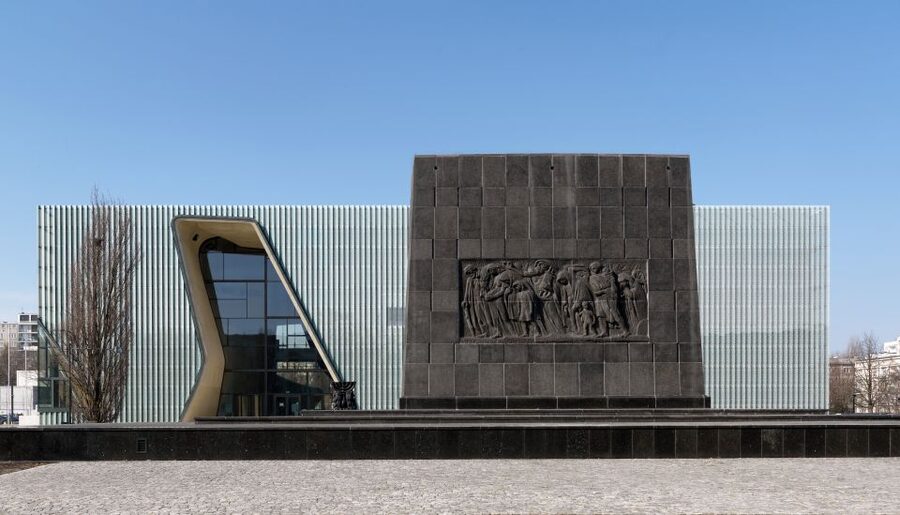
POLIN, the Museum of the History of Polish Jews, is one of those places where the building itself does part of the storytelling. Instead of placing artifacts behind glass and asking you to memorize dates, it guides you through centuries of community life in Poland—covering religion, politics, culture, and daily routines.
What I like most for your planning: it’s structured enough that you won’t feel totally overwhelmed, but open enough to let you go slower. You can spend 2 hours if you keep it moving, or give it the time it deserves if you want to sit with the exhibits for a minute.
You’ll also feel the museum’s balancing act. It doesn’t only focus on destruction. It spends serious space on Jewish life before the catastrophe—how communities formed, how people lived, and how Polish Jewish culture evolved.
A few more Warsaw tours and experiences worth a look
Tickets, timing, and the part people forget: closing time
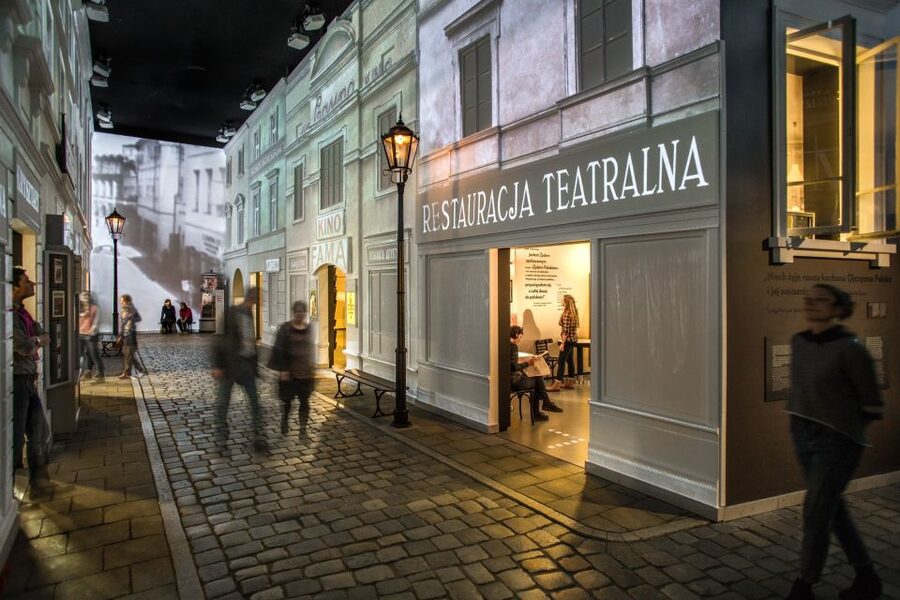
Your ticket gives access for one day, and you can enter when it works for you. Just keep one important rule in mind: admittance to the museum is closed 2 hours before closing. So if you show up late, you may lose the chance to finish the key areas.
The museum estimates about 2 hours for the core exhibition. In real life, you’ll probably want more. Many visitors end up closer to 3 hours if they stop to read and try the interactive elements. And plenty of people go longer—some far longer—because the museum is designed to keep drawing you from one section to the next.
Also note: the museum is closed on Tuesdays. That’s the kind of detail that wrecks plans if you only check once.
The layout: eight galleries and a story that builds layer by layer
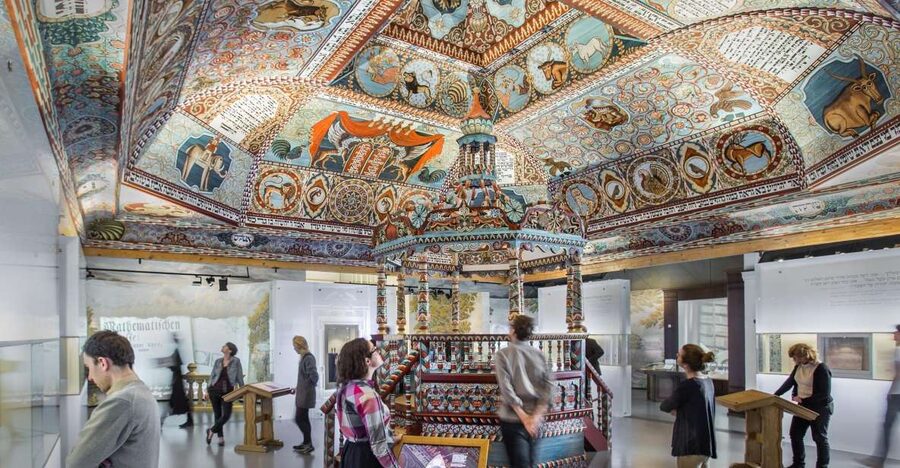
The core experience is built around 8 different galleries. Each gallery covers a chunk of Jewish history in Poland with visual and audio materials, plus artifacts and paintings.
Think of it like walking through time. Early sections focus on settlement and community beginnings. Middle sections show how Jewish life intertwined with wider social and political life in Poland. Later parts bring you toward the 20th century and the Holocaust, including how the destruction reshaped religious and cultural life afterward.
A few practical things matter here:
- You can leave the museum for lunch and return the same day, as long as you’re still within that day’s visit window.
- You’ll need electronic scanning before entering the core exhibition areas due to security rules.
- Oversize luggage isn’t allowed, so travel light if you can.
If you go in with those basics covered, you’ll spend your energy on the exhibits instead of logistics.
The audio guide: smart tech, but not flawless for reading walls
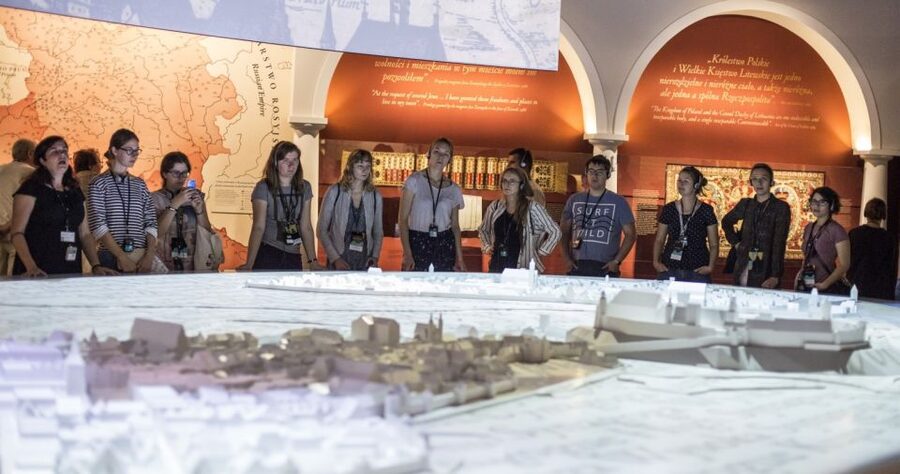
Included with your ticket, the audioguide is one of the museum’s strongest tools. The standout detail is that the system can recognize where you are and automatically switch to the right narrative.
That matters because the museum is not just chronological wallpaper. It uses multimedia, interactive installations, and room-specific storytelling. If you’re trying to read wall text while listening, you may occasionally find the audio timing a little distracting. Some visitors note the wall text reading can be hard when audio plays at the same time, especially in louder zones near school groups.
My practical suggestion: pick a rhythm.
- In rooms with lots of reading, listen first, then go back for a few key lines.
- In interactive spaces, use the audio to understand what you’re looking at, then try the hands-on element without trying to read every caption.
For languages, you’re covered with Polish and English, and the English track is consistently praised for being clear and easy to follow.
What you actually see: artifacts, installations, and reconstructed details
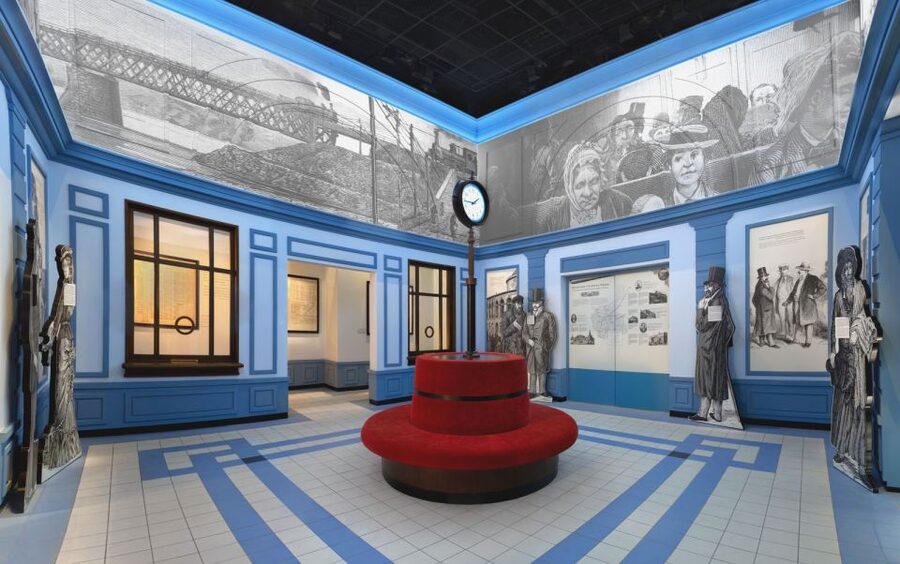
POLIN is packed with museum techniques that help you see the human scale of history. You’ll encounter artifacts and paintings, but you’ll also see installations designed to make the past feel more immediate.
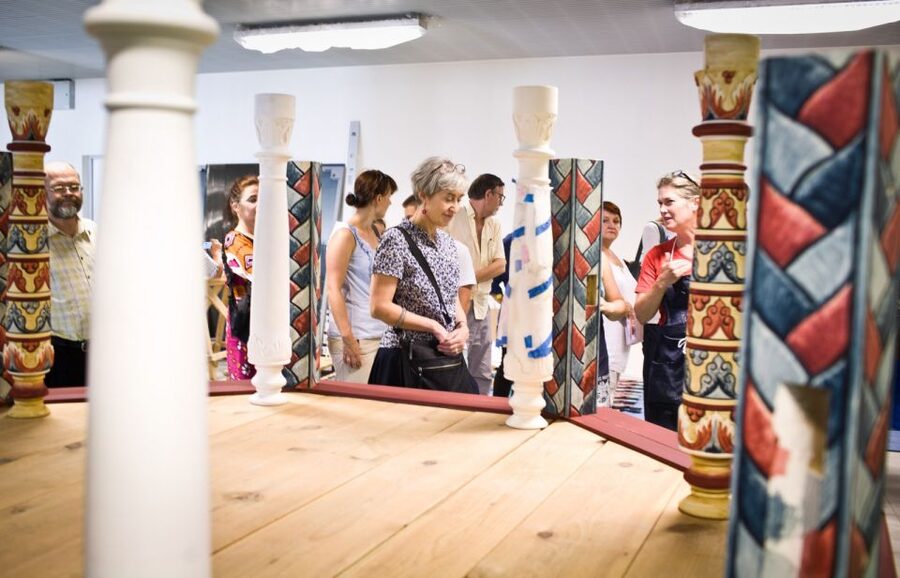
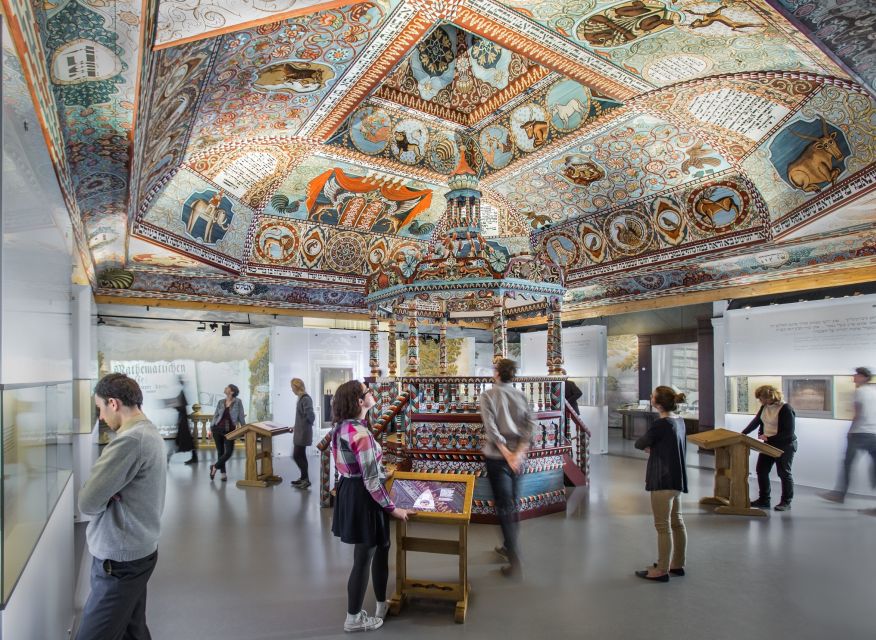
One highlight people mention often is the reconstructed synagogue ceiling. It’s not just pretty decoration; it’s a physical reminder that religious life wasn’t abstract. It had design, craft, and daily meaning.
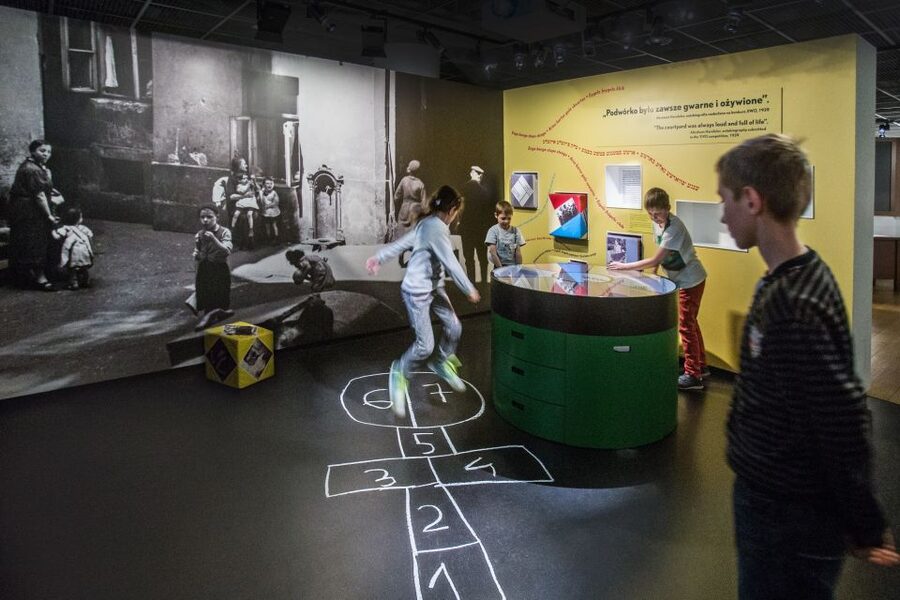
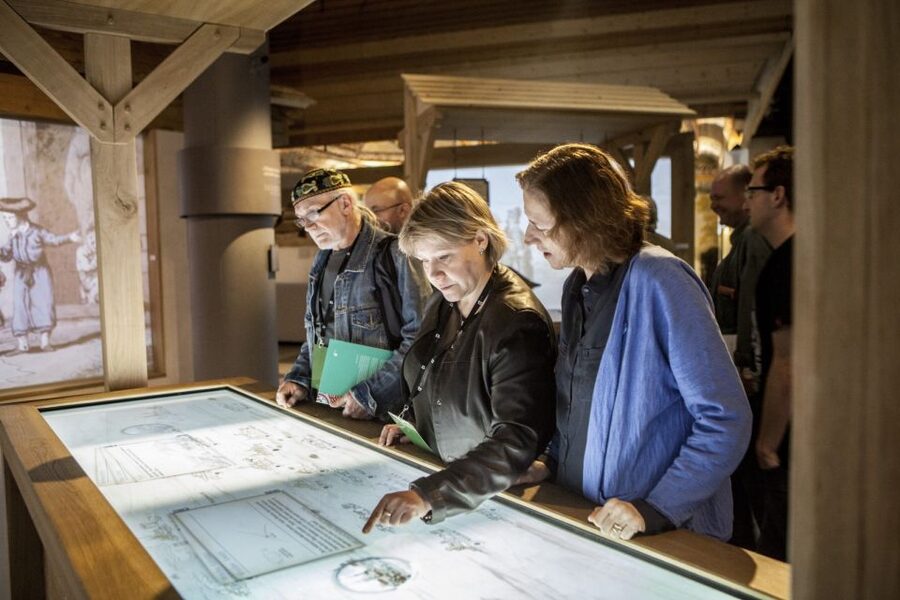
You can also expect plenty of interactive elements—things with buttons, sound, and visual prompts. This is a major reason the museum works for different kinds of visitors: history lovers get context, and people who normally skim museums have a way to stay engaged.
And yes, it’s emotional at times. The museum is careful, but it still asks you to confront reality.


The Holocaust section: powerful and unavoidable
The Holocaust is one of the museum’s major parts, and it’s handled as a core element of the story, not a sidebar. Some visitors describe it as intense, but the museum keeps the presentation fairly straightforward—less theatrics, more clear storytelling and historical grounding.
Within the museum, you’ll encounter a section referred to as Terror, and there’s also an optional special exhibition related to ghetto fighters. If you’re short on time, decide early whether you want that extra layer. If you’re sensitive to graphic or emotionally heavy material, don’t force yourself to rush through it.
My advice: treat this section as a breather-and-absorb moment, not a checkbox. Take pauses. Use seating when you need it. If you find yourself getting overwhelmed, stepping into a quieter area for a few minutes can help you keep your focus for the next part of the story.
After the worst: how culture is revived
A major theme across the museum is what happens after catastrophe. You’ll see discussion of how Jewish culture is revived after the Second World War, and how political and religious diversity changes under pressure.
This matters because it corrects a common mental shortcut many people bring with them: thinking Jewish history in Poland is only a tragedy with no continuing life. POLIN gives you the longer arc—community disruption, survival, adaptation, and cultural reemergence.
It’s also a reminder that history isn’t only about events. It’s about people and practices trying to continue in new conditions.
The practical museum day: how long to plan and why breaks help
If you only plan for the official estimate, you’ll probably feel rushed. The museum’s own time guidance says about 2 hours for the core exhibition, but many visitors land around 2.5 to 4 hours when they take the audio seriously and actually interact with the displays.
Some people report spending 5 to 7 hours—especially when they stop to read more than they expected. That’s not a failure of planning; it’s usually because the museum keeps pulling you from one idea to the next.
The good news: the museum supports longer visits with plenty of seating and rest points. It also has a food option you can use mid-visit.
Lunch inside POLIN: easy reset without leaving your day behind
You don’t need to turn the museum day into a complicated city mission. The on-site restaurant is described as cafeteria-style with good quality and generous portions.
This is helpful because you can step out, eat, and return without restarting your whole visit schedule. It’s also a nice way to cool down emotionally after heavier rooms. You won’t want to sprint through everything and then hit emotional fatigue right at the end.
Price and value: is $12 a good deal?
At around $12 per person, POLIN is strong value for what you get: a full-day-entry museum experience with an included audio guide, multiple galleries, interactive installations, and temporary exhibitions when available.
The biggest reason the price feels fair is the time investment. Even if you give the core exhibition the suggested 2 hours, the museum still delivers more than a typical single-floor history stop. If you stretch it to 3 to 4 hours, you’re essentially spending the cost of a couple Warsaw coffees for a complete, guided-feeling narrative of a thousand years.
Also, the museum is wheelchair accessible, which is another value point for planning a visit that works for your group.
Who should book this, and who might want a different plan
POLIN is a great fit if you:
- want history presented with media, sound, and hands-on elements
- prefer an audio-guided experience over a live tour
- care about understanding how Jewish life changed across centuries in Poland—not only during WWII
You might think twice if you:
- want a quick, light museum afternoon
- get overstimulated easily by audio plus interactive spaces
- are traveling with very young kids who may need extra pacing (note: children 7 and under are free, and 12 and under must be supervised)
If you’re visiting Warsaw alongside sites like Auschwitz-Birkenau days earlier or later, POLIN can add essential context about the Jewish community’s broader life in Poland. It’s not a substitute for those places, but it can give you a fuller picture of what was lost.
Should you book POLIN Museum of the History of Polish Jews?
If your goal is a meaningful Warsaw museum day with strong storytelling, I’d book it. For $12, you get a major history experience with audio guidance, interactive exhibits, and a clear attempt to show Jewish life across centuries—not just the final chapters.
Just plan for time and emotional weight. Give yourself at least 2.5 hours, and consider 3 to 4 hours if you want to read, pause, and use the interactive elements without rushing. Go with comfortable shoes, take breaks, and let the story unfold at a human pace. That’s when POLIN becomes more than information—it becomes understanding.
FAQ
How long does the POLIN core exhibition take?
The museum estimates about 2 hours for the core exhibition. Many people end up staying longer depending on how much they read and use the interactive elements.
Is the ticket valid for more than one day?
No. The ticket is valid for 1 day.
Can I enter at any time during the day?
You can enter at your own convenience on your ticket day, but admittance closes 2 hours before closing time.
Does this experience include an audioguide?
Yes. The ticket includes access to the permanent exhibition, temporary exhibition access if available, and an audioguide.
Is there a guided tour included?
No. This ticket does not include a guided tour.
What languages are available for the audioguide?
The audioguide is available in Polish and English.
Do I need to go through security scanning?
Yes. Every guest must undergo electronic scanning before entering the core exhibition areas.
Is the museum closed on any day?
Yes. The museum is closed on Tuesdays.
Are there luggage restrictions?
Oversize luggage is not allowed.
What are the rules for children?
Children aged 7 or younger enter for free. Children aged 12 or younger must be supervised by an adult at all times.