REVIEW · WARSAW
Warsaw: Cold War Museum Entry Ticket
Book on GetYourGuide →Operated by Cold War Museum · Bookable on GetYourGuide
Cold War history, lit by VR. At the Cold War Museum in Warsaw, you walk through the conflict from a distinctly Polish perspective, seeing real Cold War devices and uniforms alongside multimedia that keeps you moving.
I especially like how it mixes serious themes with hands-on stops: a multimedia quiz, a space-flight section with a hologram, and then three VR games that put you in the mindset of a Cold War agent. One consideration: this museum isn’t set up for wheelchair users.
If you want context, not just slogans, this place delivers. You’re also guided by an autonomous robot that helps you find your way as you go—easy to follow, even if you’re not fluent in Polish.
In This Review
- Key things I’d mark on your mental map
- Entering Warsaw’s Cold War story from a Polish perspective
- The building and location: when history isn’t in a display case
- What you’ll see: original devices, maps, and uniforms
- Touchscreens and multimedia tables: learning that doesn’t feel like homework
- The Cold War’s key figures: Reagan, John Paul II, and Kukliński
- Space-flight history and a hologram space-station moment
- VR agent games: three scenarios that make the rivalry feel real
- The autonomous robot guide: practical help, not a distraction
- Cinema moments: where the story slows down
- How long to plan for, and where to start when you arrive
- Price and value: what $12 really gets you in practice
- Who this museum fits best (and who should rethink it)
- Should you book the Cold War Museum ticket?
- FAQ
- What’s included with the Warsaw Cold War Museum entry ticket?
- How long is the ticket valid?
- Are the VR games and multimedia attractions included?
- What languages do you get?
- Where do I show my ticket when I arrive?
- Is the museum wheelchair accessible?
- Is food, smoking, or vaping allowed inside?
Key things I’d mark on your mental map
- Original Cold War artifacts: devices, maps, and uniforms you can actually look at closely
- More than 50 multimedia stations: touch screens, multimedia tables, VR goggles, and cinema
- A Cold War knowledge quiz: interactive, not just read-and-move
- Space race storytelling: history of space flights plus a hologram of a space station
- Three VR games: do missions that feel like secret-agent work
- An autonomous robot guide: a real helper, not just a gimmick
Entering Warsaw’s Cold War story from a Polish perspective
The Cold War Museum is built around one big idea: the Cold War didn’t just happen somewhere else. Poland experienced it up close, and the museum tells the rivalry between the two blocs through that lens. That matters for how you interpret everything you see. Instead of treating the era like a generic East-vs-West debate, you get a framed narrative shaped by Poland’s stakes, fears, and choices.
You’ll notice the museum’s tone early. It presents the Polish contribution to the victory of the capitalist world over Soviet communism and covers the Cold War period broadly. It also isn’t stuck in one country’s experience. The exhibition addresses the wider conflict and includes material connected to the fight against Soviet power across many countries and perspectives.
I like that this is not a museum that expects you to sit still for long stretches. The story is told through movement: touch screens, multimedia tables, short cinema moments, and activities that pull you into the timeline instead of just reciting it.
A few more Warsaw tours and experiences worth a look


The building and location: when history isn’t in a display case
This museum gets extra power from where it sits. The exhibition blends its architecture with the history of the location itself. During the Polish People’s Republic, the address was used by the communist militia, and it’s tied to the death of Grzegorz Przemyk, a high school graduate who was beaten to death amid martial law.
That sounds heavy because it is. The point isn’t to shock you; it’s to anchor the Cold War story in lived consequences. When you’re looking at messages, commitments, and actions tied to late Cold War figures, it lands differently because the site has its own story.
You also see how the museum frames truth-telling and resistance—its themes include victims, aggressors, and survivors. You don’t need to agree with every viewpoint to understand the emotional logic: this era is told as something that broke families, careers, and safe days, not just something that happened in politics.
What you’ll see: original devices, maps, and uniforms
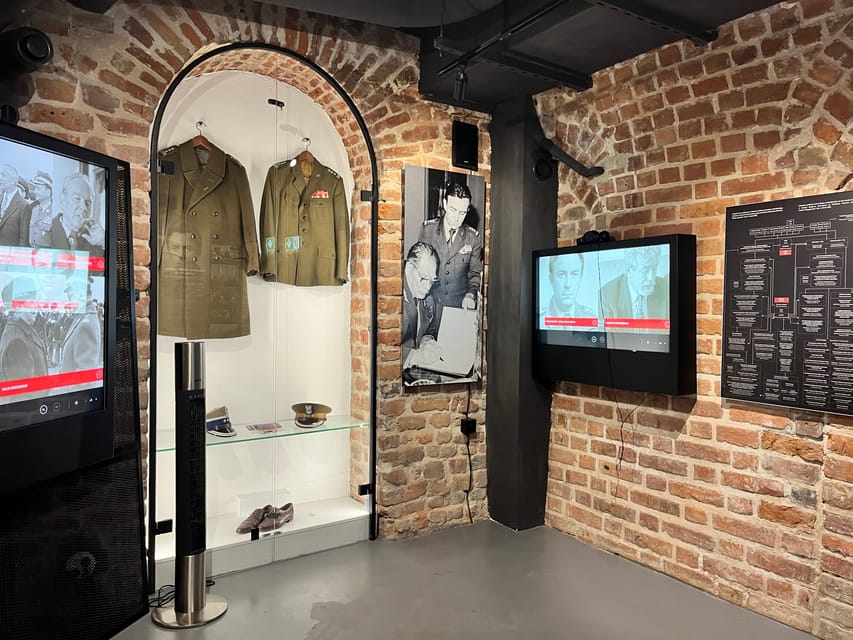
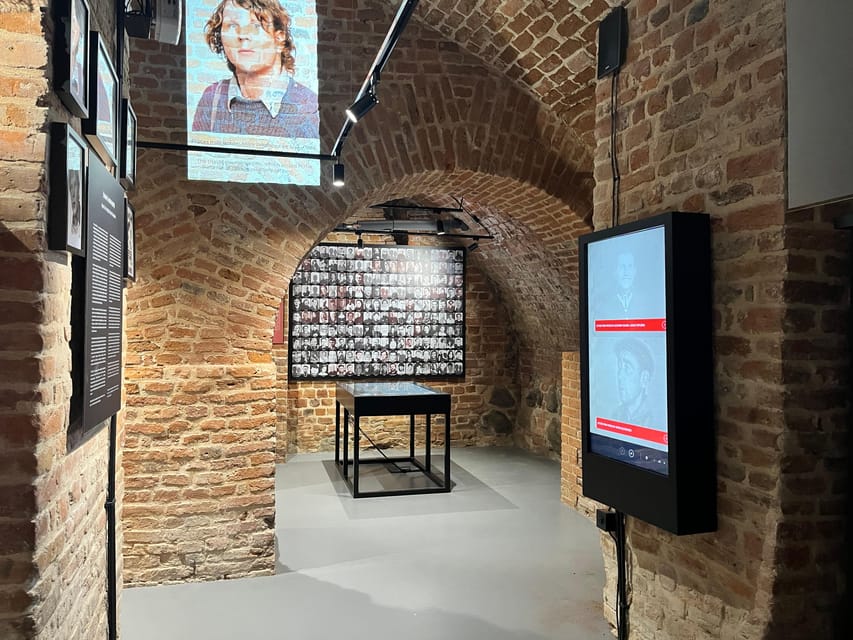
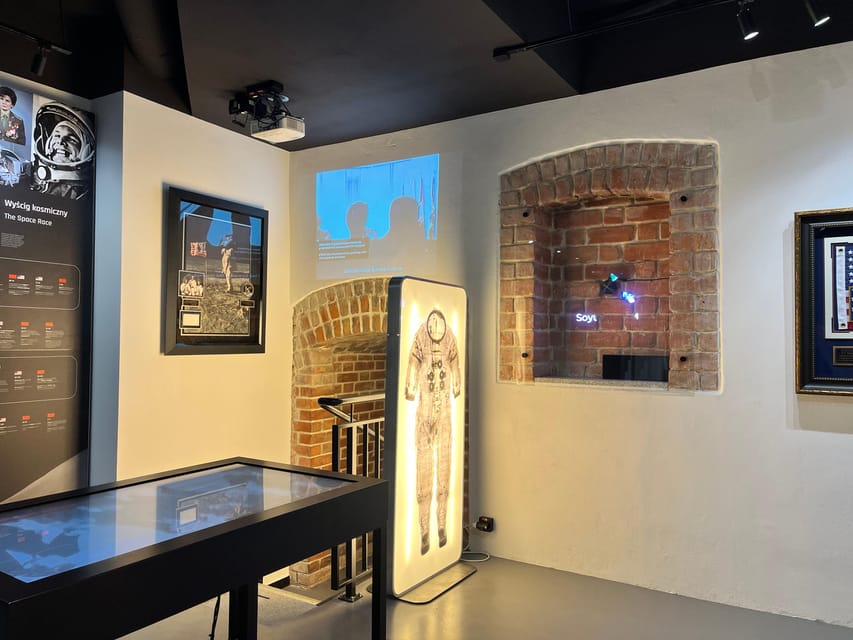
One of the simplest reasons to go is the physical stuff. You’ll encounter original Cold War devices, maps, and uniforms. That’s a big deal because it slows you down. A screen can explain something fast, but an artifact lets you notice details: what it looked like, how it was built, how it was meant to function.
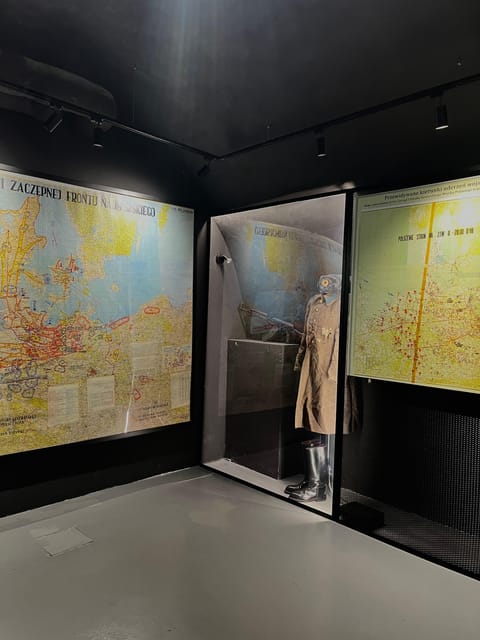
You’ll also get visuals that work as evidence. Maps help you grasp geography and shifting influence. Uniforms help you picture the human side of the era: not just the leadership in speeches, but the people in roles who moved through systems.
If you’re the type who likes to learn by looking, this portion is a good match. It gives your brain a base layer before the museum’s multimedia starts pushing you into timelines, scenarios, and role-based activities.
Touchscreens and multimedia tables: learning that doesn’t feel like homework
A major part of the experience is interactive. The museum uses more than 50 multimedia components, including touch screens and multimedia tables. Practically, that means you can pace yourself. Spend longer on what interests you, skim what doesn’t, and come back if something feels confusing.
The quiz is one of the more effective formats here because it turns remembering into action. It’s a multimedia knowledge quiz about the Cold War, and it’s built to test what you picked up while still feeling like a game rather than a lecture.
What I like about this approach is that it helps you connect the dots. Cold War history can feel overwhelming when it’s presented as dates and acronyms. Here, the museum structure nudges you to retain ideas by asking your brain to respond.
The Cold War’s key figures: Reagan, John Paul II, and Kukliński
The museum doesn’t only move through general events. A significant part of the narrative is built around three major late-Cold-War figures: President Ronald Reagan, Pope John Paul II, and General Ryszard Kukliński.
Including those names does two useful things for you as a visitor. First, it gives the era recognizable anchor points, so you can place ideas in a real-world context. Second, it emphasizes that the Cold War wasn’t only fought through weapons and negotiations—it also involved moral messaging, public pressure, and intelligence actions.
The museum ties these figures to commitment and deeds across the last two decades of the Cold War. Depending on your background, you’ll either discover new connections or see familiar names placed into a broader Polish narrative.
You can also read our reviews of more museum experiences in Warsaw


Space-flight history and a hologram space-station moment
Then you get a change of pace: space. The museum includes the history of space flights and pairs it with a hologram of a space station. This is more than a fun science detour. In Cold War terms, space was another front in the competition—proof of technological reach and national ambition.
For you, the value is the contrast. The museum doesn’t keep you in threat-mode the entire time. It shows how the same rivalry that shaped politics and military planning also shaped engineering, communication, and global attention.
The hologram part is also a good example of how the museum uses modern tools for clarity. Instead of making you read a dense panel, it gives you a “see it” moment that helps the story stick.
VR agent games: three scenarios that make the rivalry feel real
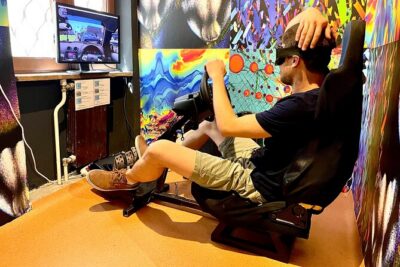
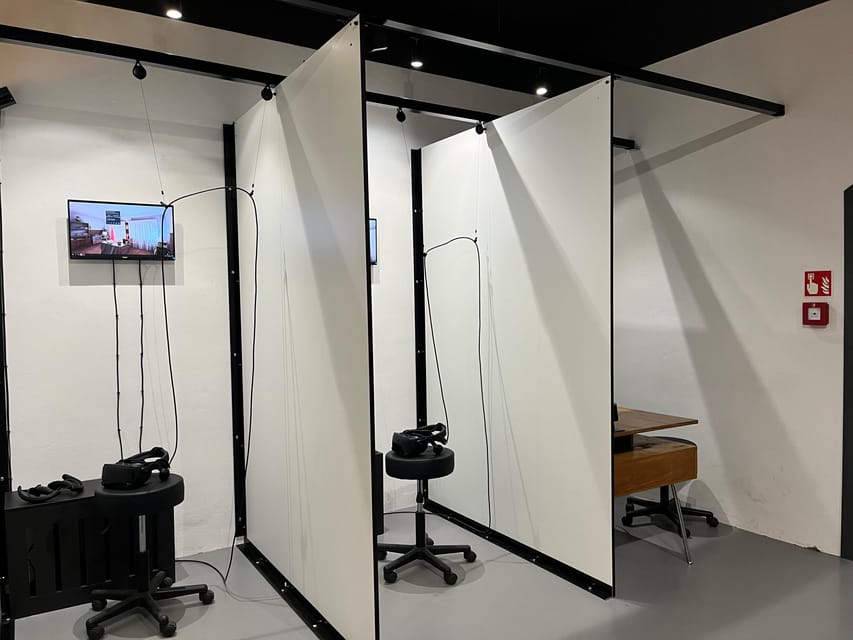
If you’re up for active learning, the VR is the heart-beat. The museum has three VR games where you play a role that feels like participating in Cold War operations—compromising plans and thinking like an agent.
What makes this worth your time is how it changes the type of attention you pay. You’re not just absorbing information. You’re responding to prompts and scenarios that turn abstract rivalry into concrete tasks.
I’d go into it with one attitude: treat it as a guided feeling for how the museum frames the era, not as a perfect simulation. The goal is to help you understand the narrative the museum is telling. You’ll come out with stronger impressions because you experienced them through action.
Also, since VR can vary in comfort from person to person, plan to do it after you’ve gotten your bearings in the earlier galleries. That way, you’re not trying to figure out the space while you’re also dealing with VR gear.
The autonomous robot guide: practical help, not a distraction
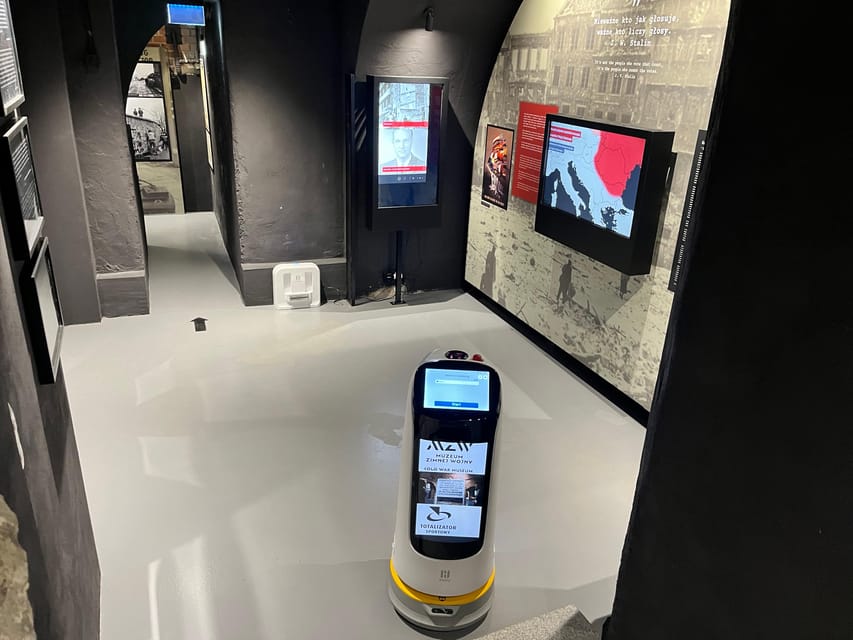
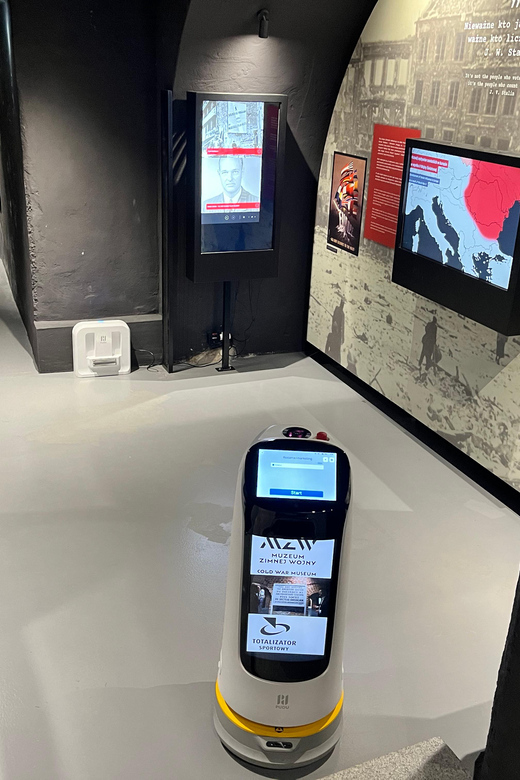
The Cold War Museum is the first and only museum in Poland that has a robot serving as an autonomous guide. That matters because it’s not only a novelty. It’s part of the navigation and pacing of your visit.
In plain terms, the robot helps you move through the museum with less guesswork. If you prefer structured museum time—especially when there are lots of multimedia stations—this feature can save you from the usual problem: standing in front of interactive areas wondering what to do next.
The robot also supports the museum’s overall style: hands-on, active, and guided. It pairs well with the quizzes and screens, because it keeps the experience from becoming a self-guided maze.
Cinema moments: where the story slows down
The museum includes cinema as one of the media types. I found this kind of break useful because it resets your brain after the interactive parts. Multimedia is engaging, but without rest you can start to feel like you’re processing too fast.
Cinema sections can give you a cleaner timeline. They’re also good for absorbing context around heavy themes, since video can frame events and consequences without forcing you to interpret every detail yourself.
How long to plan for, and where to start when you arrive
Your ticket is valid for 3 months, so you can choose a date/time that fits your trip rhythm. The museum also offers starting times based on availability, so it’s worth checking what’s open before you plan your day.
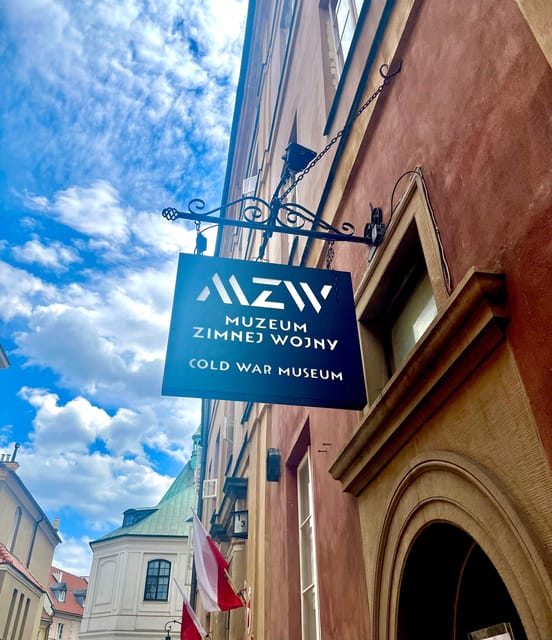
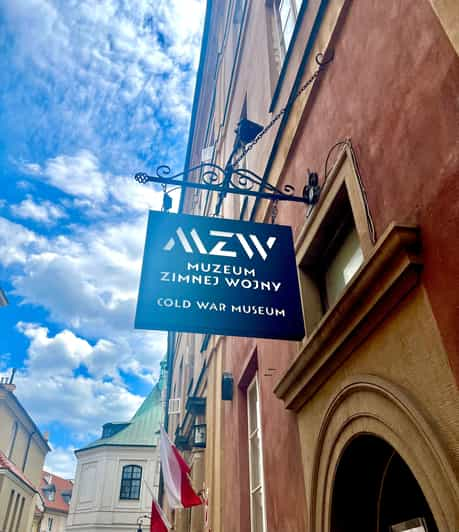
The meeting point is simple: show your ticket at the entrance of Muzeum Zimnej Wojny, about 40 meters from Old Market Square. That’s a convenient walk if you’re staying in the Old Town area. You won’t need a long commute to get into the museum’s core experience.
I’d recommend arriving a little early so you have time to settle in, grab your bearings, and get ready for the interactive stations—especially the ones that use VR gear. Once you’re inside, the experience is designed to keep flowing gallery to gallery.
Price and value: what $12 really gets you in practice
At around $12 per person, you’re not just paying for entry. You’re paying for access to all exhibitions and all attractions within the museum, plus the autonomous robot guide.
That value is real because the museum is packed with different formats: touch screens, multimedia tables, VR games, and cinema. If you like museums that use more than one teaching method, this ticket price is easier to justify. You’re also not stuck choosing between attractions; you get the whole set included.
If you’re on a tighter budget, this is still a solid option because the museum is structured as a full experience, not a quick stop. Plan to spend enough time to hit the main multimedia features rather than racing through the early galleries.
One small note: this museum has a clear set of rules inside. Smoking, food and drinks, vaping, and alcohol or drugs aren’t allowed. Plan to eat before you go so the visit stays smooth.
Who this museum fits best (and who should rethink it)
This museum is open to visitors of all ages, including Polish and foreign visitors. It’s also explicitly welcoming to four-legged visitors, so if you travel with a dog, you won’t automatically be blocked from the experience.
It’s especially suited for you if:
- you like Cold War history with a point of view
- you enjoy interactive learning (touch screens, quizzes)
- you’re curious about VR games tied to historical scenarios
- you want a museum that uses both artifacts and modern media
The big “maybe not” is mobility. It’s not suitable for wheelchair users. If that affects you or someone in your group, you’ll likely want to choose another option.
Should you book the Cold War Museum ticket?
Book it if you want a museum that mixes original artifacts with modern interaction and doesn’t treat the Cold War as a dusty topic. The combination of a multimedia quiz, a space-historical stop with a hologram, and three VR games makes it feel like a full experience rather than a passive walk-through.
Don’t book it if wheelchair access is a requirement for you, because the museum is listed as not suitable for wheelchair users. Also, if you know you prefer only light, casual history visits, be aware the museum is built around consequences and victims tied to martial law and Cold War repression.
If you’re okay with a serious theme and you like hands-on learning, this is one of the most efficient ways to understand Poland’s Cold War perspective in a single stop.
FAQ
What’s included with the Warsaw Cold War Museum entry ticket?
Your ticket includes admission to the exhibitions, access to all attractions within the exhibition, and access to the autonomous robot guide.
How long is the ticket valid?
The ticket is valid for 3 months. Starting times depend on availability.
Are the VR games and multimedia attractions included?
Yes. Access to all attractions within the exhibition is included, and that covers the VR games and other multimedia features inside the museum.
What languages do you get?
The materials and experience are available in English and Polish. The host or greeter is listed as English and Polish too.
Where do I show my ticket when I arrive?
Show your ticket at the entrance of the Cold War Museum (Muzeum Zimnej Wojny). It’s located about 40 meters from Old Market Square.
Is the museum wheelchair accessible?
No. It’s listed as not suitable for wheelchair users.
Is food, smoking, or vaping allowed inside?
No. Smoking, food and drinks, vaping, and alcohol or drugs aren’t allowed.