REVIEW · GRAN CANARIA
Gran Canaria: Winery Tour, Wine Museum, and Tasting
Book on GetYourGuide →Operated by Timonfaya Travel Lanzarote · Bookable on GetYourGuide
Wine history is right where the grapes grow. This Gran Canaria organic winery tour pairs a working estate with the island’s wine museum and a relaxed tasting that feels more local than commercial. You get the old-and-new story—from 100-year-old stone lagares to modern wine-making—without turning it into a lecture.
I love how the visit is built around real production: you walk the vineyard, smell fermenting wine in wooden casks, and learn why volcanic soil and endemic grape varieties matter. The tasting also lands well: two wines plus Gran Canaria cheese and toasted bread, with olives to snack while you sit in the garden. One thing to plan for is no hotel pickup, so you’ll need to make your own way to Bodega San Juan in El Mocanal and arrive on time.
In This Review
- Key highlights worth planning around
- At Bodega San Juan, the tour starts with family photos and old stones
- Walking organic vineyards in sun and volcanic soil
- The cellar stops: fermenting casks and a 100-year-old lagares
- The wine museum: old machinery with clear explanations
- The tasting area: two wines, cheese, toast, olives, and garden calm
- Price and time value: $34 for 1.5 hours that doesn’t drag
- Who should book this winery tour, and who might want something else
- Should you book Gran Canaria: Winery Tour, Wine Museum, and Tasting?
- FAQ
- Where do I meet for the tour?
- How long is the experience?
- Is the tour rain or shine?
- What do I get during the tasting?
- Is hotel pickup included?
- What language is the host or greeter?
Key highlights worth planning around
- Family-run estate with 5 generations: history from old photos and estate traditions, not just marketing.
- Only wine museum in Gran Canaria: you see old machinery and how the process changed.
- Volcanic soil + endemic grapes: the guide connects grape choices to flavor.
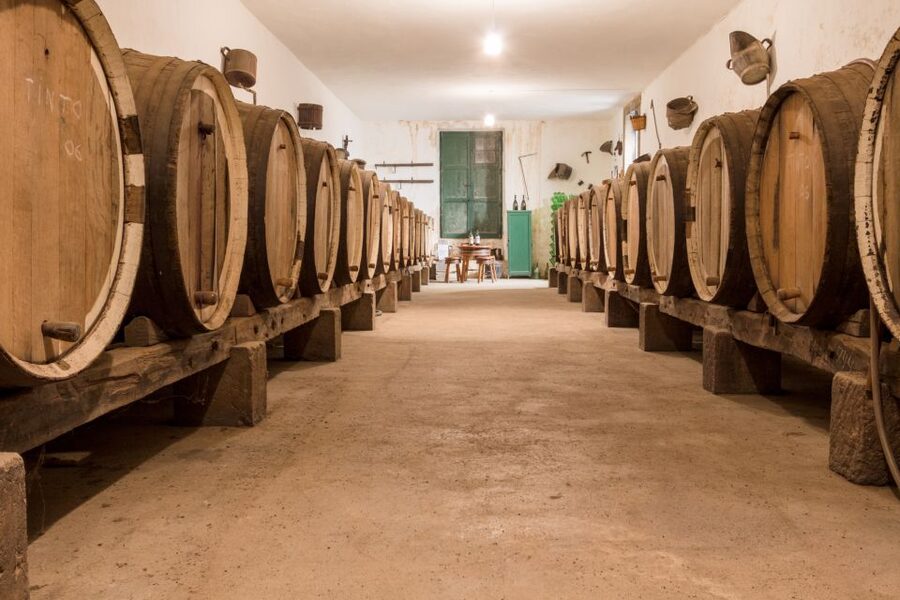
- Cellar atmosphere: you enter where aromas from fermenting wines come from the wooden casks.
- Tasting that feels like a snack break: two wines paired with local cheese, toasted bread, and olives.
- Maria is a standout guide: friendly, funny, and strong English, with frequent photo moments.
At Bodega San Juan, the tour starts with family photos and old stones
Most winery tours start with a sales pitch. This one starts with context. You meet at Bodega San Juan – Finca El Mocanal, and the guide begins by laying out the family story—how the estate has been passed down and how the winery stayed small and organic. You’ll also see old photos, which help you understand that the buildings and tools aren’t just props; they’re part of a continuing family business.
From there, the vibe becomes easy. You’re not rushed, and the route is designed for short stops where the guide can explain what you’re looking at. If you’re the kind of person who likes to ask why something is done a certain way, this tour rewards that.
Practical tip: aim to arrive a few minutes early and take note of the exact starting spot at Bodega San Juan. One traveler noted the tour start direction could be clearer, and that’s exactly the kind of small hiccup you can avoid by arriving a bit early.
Walking organic vineyards in sun and volcanic soil
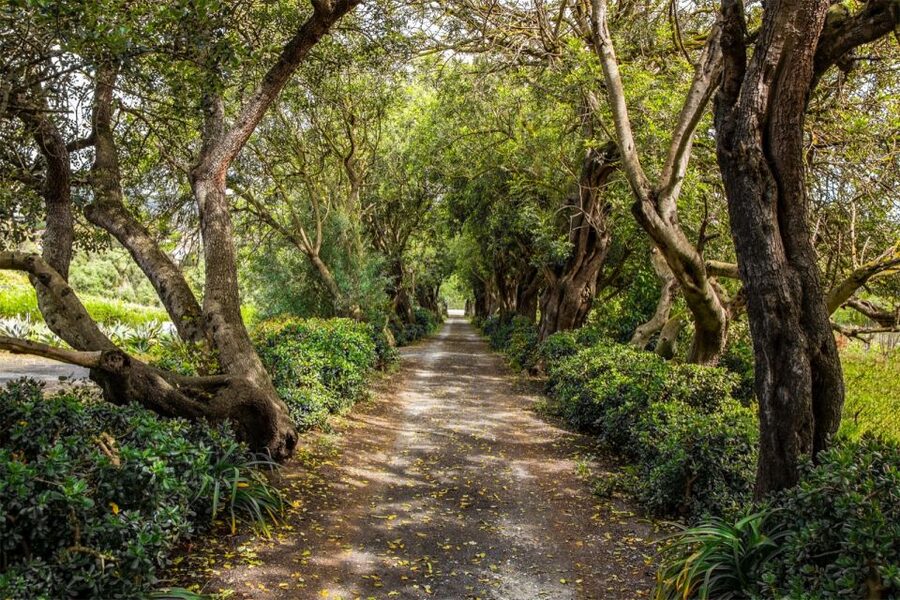
A big part of why this tour feels authentic is that you’re not just tasting—you’re seeing the source. You’ll stroll through organic vineyards where the grapes ripen in the Gran Canaria sun. The guide explains how much work goes into keeping the vines in good shape, and you’ll hear about the importance of the island’s volcanic soil for the wine’s character.
You’ll also learn about endemic grape varieties, which is especially valuable on Gran Canaria. Many wine regions focus on the grapes most people already know. Here, you get the sense that the island has its own rules—and that those rules show up in the glass later.
And yes, it’s photo-friendly. Multiple people mention plenty of chances to take pictures, and the setting is built for that—vine rows, estate buildings, and open garden views. If you’re visiting with family, it’s also a nice way to keep the tour moving without feeling like a museum tour that never ends.
What to bring: comfortable shoes. You’ll be on paths around the property, and a vineyard walk is best done with grip and support.
The cellar stops: fermenting casks and a 100-year-old lagares
One of the most memorable moments is when the tour shifts from outdoors to the cellar. The moment you step in, you notice the smell—fermenting wines in wooden casks—and it’s the kind of sensory detail that makes the history feel real. It’s not just a look-and-guess stop; the guide connects what you’re smelling to what’s happening in production.
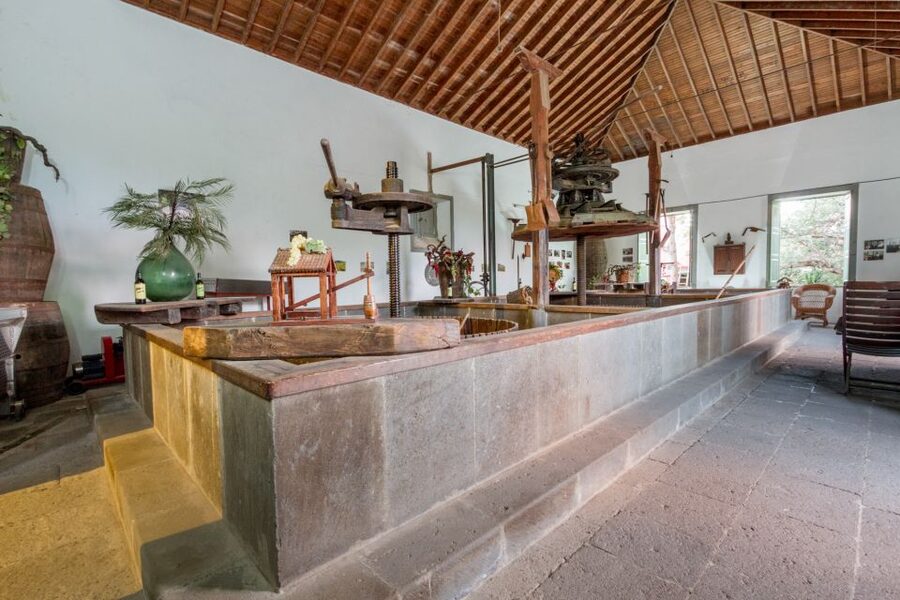
You’ll also see a piece of estate history: a 100-year-old stone lagares, where grapes were once trodden. Even if you don’t speak the language fluently, the guide’s explanations make the difference between old technique and modern winemaking easy to follow. This is where the tour earns its name as a step-back-in-time experience, but without making you sit through a long, dry lecture.
The smart way to enjoy this stop is to slow down. Look at the stones, ask how it worked back then, and then compare it to what you see in the more modern areas. That old-to-new contrast is what turns a short tour into something that sticks.
The wine museum: old machinery with clear explanations
Gran Canaria doesn’t have many mainstream wine stops that balance history and practical detail. That’s why the wine museum matters here. People talk about it as the island’s only wine museum, and it’s set up to show how winemaking has evolved—what equipment looked like in the past and what changed over time.
What you’ll likely appreciate most is that the explanations are geared toward real understanding. Instead of just telling you dates and names, the guide walks you through the steps from grape to bottle, including how organic practices connect to the end result. You’ll also see old machinery, and that helps you visualize the process rather than just hearing about it.
A small note: one traveler described the guide as a bit abrupt at the start before warming up. That seems to be more about first impressions than the tour quality. If you’re a patient traveler, give it a few minutes—once the tour gets going, the energy tends to land better.
The tasting area: two wines, cheese, toast, olives, and garden calm
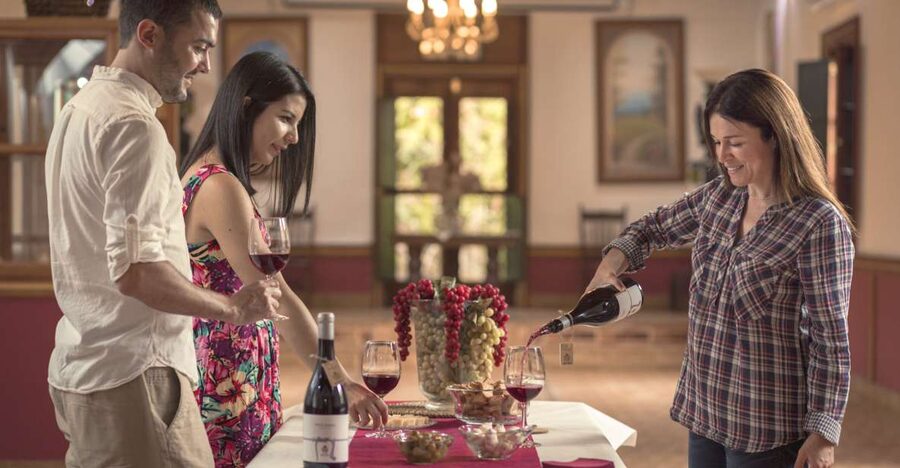
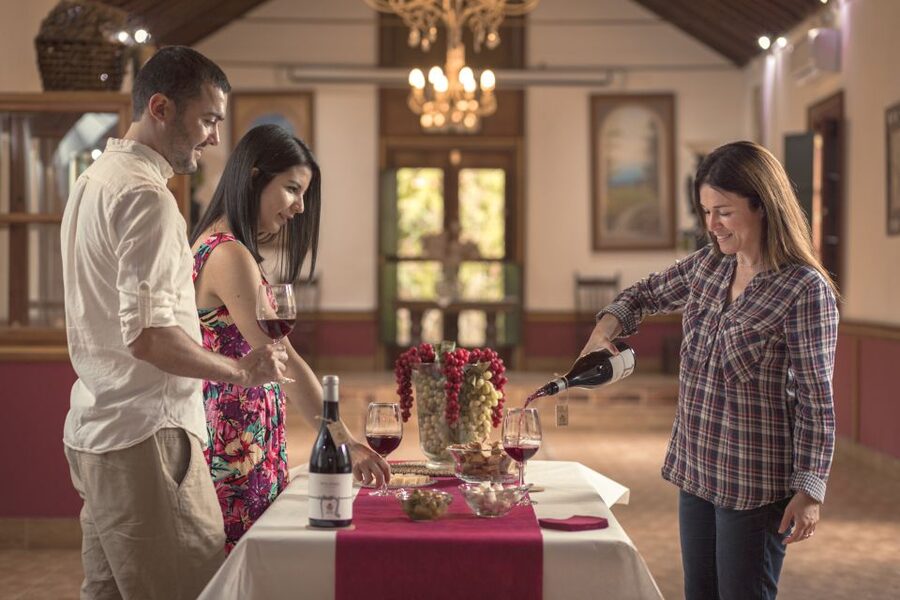
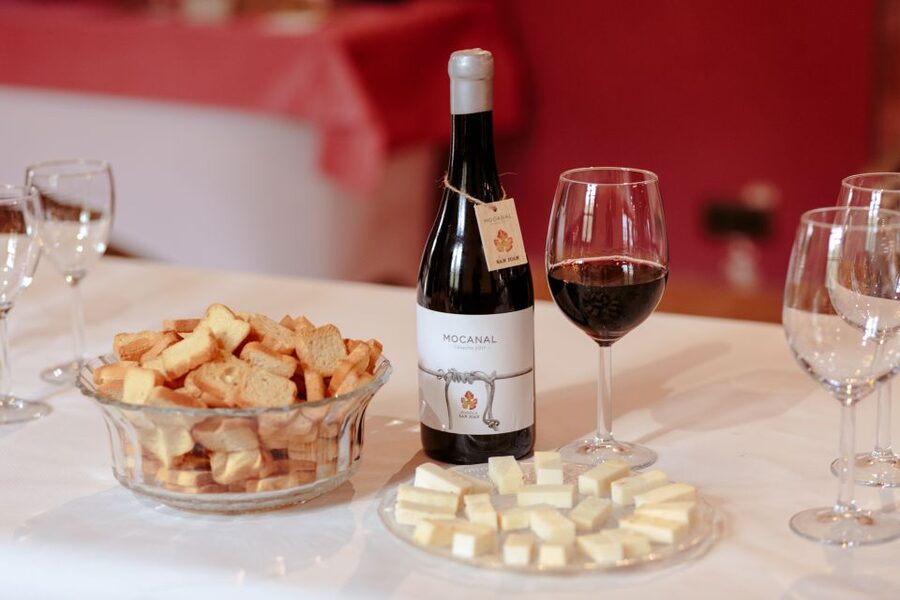
The tasting is short, but it’s not an afterthought. After the tour, you’ll enjoy two wines in the tasting area, accompanied by Gran Canaria cheese and toasted bread, plus olives as snacks. The pairing feels thoughtful: salty cheese and crunchy bread make the tasting easier to enjoy even if you’re not a hardcore wine person.
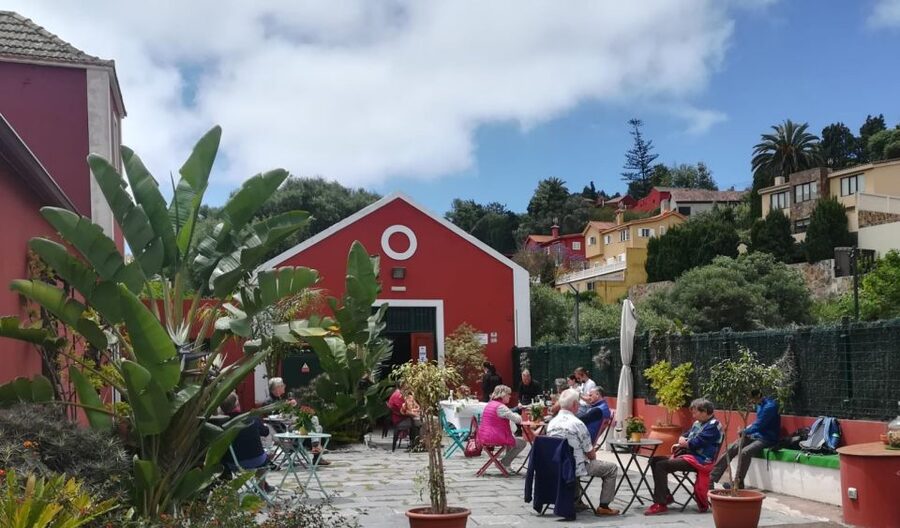
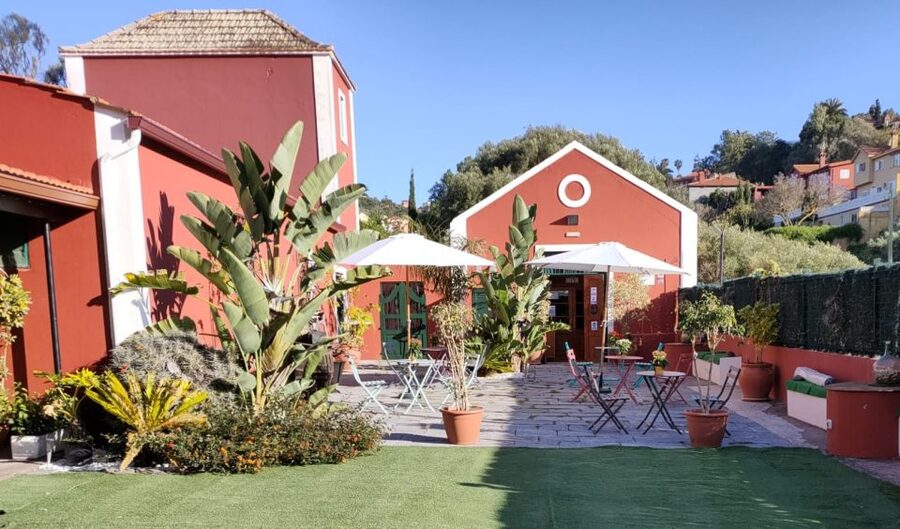
One of the nicest details is the setting. Several people highlight that the tasting happens outdoors or in a garden-like space, with a calm atmosphere. One review specifically mentions butterflies around during the tasting, which is the kind of detail that turns a food-and-drink stop into a memory.
How to get the most out of the tasting:
- Take small sips first, then try to connect the flavors back to what you saw in the vineyards and cellar.
- Use the guide as a resource. Ask which wine is more expressive because of volcanic soil and which one reflects the estate’s organic approach.
- If you find a bottle you like, plan to buy it while you’re there. A few travelers said they ended up taking bottles home.
Price and time value: $34 for 1.5 hours that doesn’t drag
At $34 per person for about 1.5 hours, this is priced like a well-made “half-afternoon” plan. The real value isn’t only that you get wine—it’s that you get production + history + tasting in a compact timeframe. Many winery stops give you one piece of the story. Here, you get multiple angles: vineyard work, cellar atmosphere, museum machinery, and then a guided taste.
It also works for pacing. If you’re trying to fit winery time into a day that already includes beaches or hikes, this duration is friendly. You don’t need to commit to a long lunch day just to get a proper wine introduction.
Also worth noting: group size can be small. One booking ended up being just two people plus the guide, which made it feel extra personal. While you can’t count on that every time, it’s a good sign that the tour can scale down to something more intimate.
If you’re comparing value in your head, focus on what’s actually included: farm tour, wine tasting, and snacks (cheese, toast, olives). Not having hotel pickup keeps the price lean, but it also means you should factor in how you’ll get there.
Who should book this winery tour, and who might want something else
This tour fits best if you like your wine with a story. It’s a good match for:
- Wine lovers who want a short, educational experience tied to how grapes are grown.
- History and craft fans who enjoy seeing older tools like the stone lagares and old machinery.
- Couples and families who want an easygoing afternoon with photo spots and a garden tasting.
- People who appreciate a guide who can explain in clear English and keep things fun.
You might consider something else if you want a large-scale, very polished tasting with lots of brand variety. This tour is about a specific estate and its style, so your experience will be focused rather than wide-ranging.
One more practical thought: if you’re hoping to order wine for shipping, don’t assume international export will be available. One traveler noted they were told the winery doesn’t export, so if that matters to you, ask ahead while you’re there.
Should you book Gran Canaria: Winery Tour, Wine Museum, and Tasting?
Yes—if you want a genuine family-run winery visit that mixes vineyard walks, a rare wine museum, and a real tasting with local pairings, all in 1.5 hours.
I’d book this when:
- You have limited time but still want more than a quick glass of wine.
- You like hearing how volcanic soil, endemic grapes, and organic farming connect to flavor.
- You want a tour that’s likely to feel warm and personal, especially with a guide like Maria, who many people mention by name for being friendly and informative.
I’d hesitate only if:
- Getting to Bodega San Juan – Finca El Mocanal is difficult for you and you were hoping for pickup.
- You’re expecting a huge buffet-style tasting with lots of different brands.
If your plan includes a sunny afternoon on Gran Canaria and you’re curious about how the island makes wine, this is a smart, good-value choice.
FAQ
Where do I meet for the tour?
Meet at Bodega San Juan – Finca El Mocanal (Bodega San Juan – Finca El Mocanal).
How long is the experience?
The duration is 1.5 hours.
Is the tour rain or shine?
Yes, the tour takes place rain or shine.
What do I get during the tasting?
You’ll taste two wines, and the tasting is accompanied by Gran Canaria cheese and toasted bread, plus snacks including olives.
Is hotel pickup included?
No, hotel pickup and drop-off are not included.
What language is the host or greeter?
The host or greeter is English. The guides are described as English-speaking in the activity info.