
REVIEW · MADRID
Entrance to the Museum of Illusions Madrid
Book on Viator →Operated by Museum of Illusions Madrid · Bookable on Viator
A good illusion is cheap magic. This one teaches you how vision and the human brain can disagree, using interactive displays that make you look twice.
I especially like that you get a mobile ticket and the museum is designed for quick fun—about an hour. One caution: it’s a compact space, so at family-heavy times you might feel like you’re sharing the “best spots.”
Plan this as a simple, straightforward Madrid stop, not a grand museum day. The experience can feel great for couples and kids, but if you want an all-adults, slow-and-detailed vibe, you may find it a bit short on explanation (and some descriptions may be in Spanish).
In This Review
- Key highlights at a glance
- Museum of Illusions Madrid: what you’re really paying for
- Where to meet and how to get there without stress
- Your 1-hour visit: what happens once you’re inside
- The illusions themselves: vision, perception, and why they feel so real
- Photo-friendly moments: where you’ll want to slow down
- Language reality check: plan for Spanish labels
- Family vs. adults: the one thing that changes the whole vibe
- Price and value: $18.06 for an hour of illusion play
- Getting your entry right: appointment and confirmation
- Quick logistics: what’s included and what isn’t
- Who should book this, and who should think twice
- Should you book Museum of Illusions Madrid?
- FAQ
- How long is the Museum of Illusions Madrid entrance experience?
- What does the $18.06 ticket include?
- What is the meeting point address for this activity?
- Is this ticket mobile?
- Do I need to arrange an appointment in advance?
- Is transport included?
- How far in advance should I book?
- Is the museum near public transportation?
- Is it refundable if I cancel?
- Is there a group limit?
Key highlights at a glance
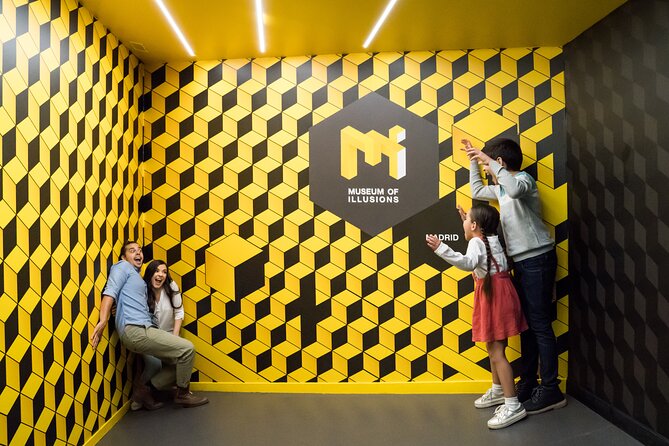
- Mobile ticket for easy entry
- About 1 hour of hands-on illusion play
- Designed around perception and the brain
- Helpful staff, especially for photos
- Compact layout can mean slower browsing during busy times
Museum of Illusions Madrid: what you’re really paying for

This ticket is for one main thing: time in a room (or set of rooms) built around vision tricks that show how perception works. The museum’s core promise is simple—fun and surprising “wait, that can’t be right” moments. The payoff is not just entertainment. It’s the shift from passively watching to actively questioning what your eyes are doing.
So yes, it’s playful. But it also makes your brain do real work. You’ll keep noticing patterns: how angles change what you think you see, how your expectations shape your interpretation, and how your mind fills in gaps.
You’re not booking a guided walking tour across Madrid landmarks. You’re booking a short, ticketed experience where you can move at your own pace once you’re in.
You can also read our reviews of more museum experiences in Madrid



Where to meet and how to get there without stress
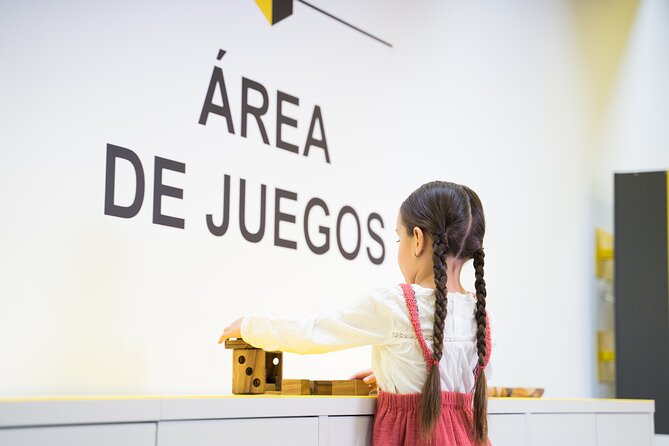
Your starting point is Calle del Dr Cortezo, 8, Centro, 28012 Madrid. That’s a practical location for a city day because you’re in central Madrid, where public transport is usually a breeze.
The museum is described as near public transportation, which matters because this kind of ticket is best when it fits cleanly into your schedule. Don’t plan this right when you’re rushing from one end of the city to the other. Instead, treat it like a tidy “in-between” stop: afternoon when it’s too hot to stroll, or a rainy fallback.
One more tip: since entry is timed and you have a confirmation step, you’ll waste less energy if you build in a little cushion. Give yourself time to find the exact meeting point and settle before your entry.
Your 1-hour visit: what happens once you’re inside
The visit is listed at about 1 hour, and that matches the way this museum is built. You’ll spend that time working through a series of optical and perception-based installations—most of them meant to be seen up close and, in many cases, interacted with.
Think of it like a “choose your favorites” circuit:
- Some illusions are fast to understand and quick to enjoy.
- Others take a moment to reset your eyes and get the effect.
- You’ll likely replay certain ones because the brain learning loop is part of the fun.
There’s also a reason the duration works well for families. You’re not stuck in a long session. Kids can enjoy bursts of surprise, and adults can enjoy the quick satisfaction of figuring out what changed between what they expected and what happened.
If you’re the type who needs lots of explanation, you may want to manage expectations. Some visitors felt they wanted more depth or more organized flow, especially for adults-only visits. The good news? You can still get plenty of “wow” moments even if you don’t read every label.
The illusions themselves: vision, perception, and why they feel so real
The museum’s whole theme is that perception isn’t a camera. It’s a construction job your brain does in real time. The displays focus on:
- Vision and perception (what your eyes send)
- The human brain (how it interprets)
- The mismatch between what you see and what’s actually happening
That’s a fancy way of saying the museum repeatedly makes you question certainty. You’ll watch your own assumptions kick in. Then the display nudges you to notice that your brain is working on shortcuts.
And this is where the best value lives. Even if you’ve seen “optical illusion” stuff before, this is the kind of place where the experience is more than the image. The physical setups and how you move around them can be the real trick.
Photo-friendly moments: where you’ll want to slow down
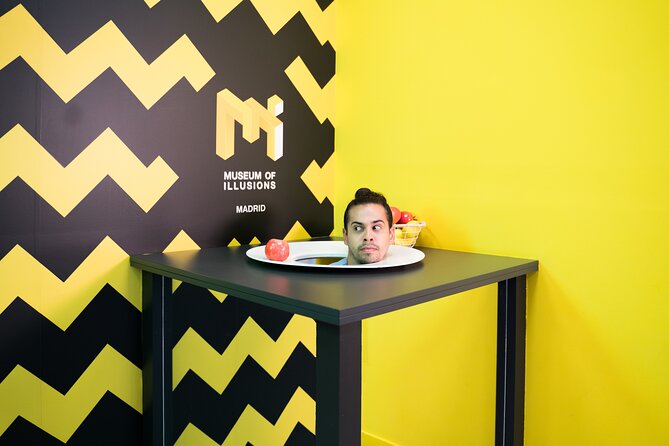
One of the most repeated pleasures in the feedback is how fun the place is for photos. The museum is set up so that you can get that classic “how did they do that?” look—especially when you’re interacting with the installations.
A practical tip: take photos early, not only at the end. If you wait too long, the best spots can get crowded. And during busy times, you’ll spend less time waiting if you move with purpose:
- Find the effect.
- Test your angle.
- Get one photo you’ll actually keep.
- Move on.
Also, staff friendliness shows up in the feedback—people appreciated help with taking photos. If you’re not getting the shot you want, it’s reasonable to ask on-site for guidance on angles or timing.





Language reality check: plan for Spanish labels
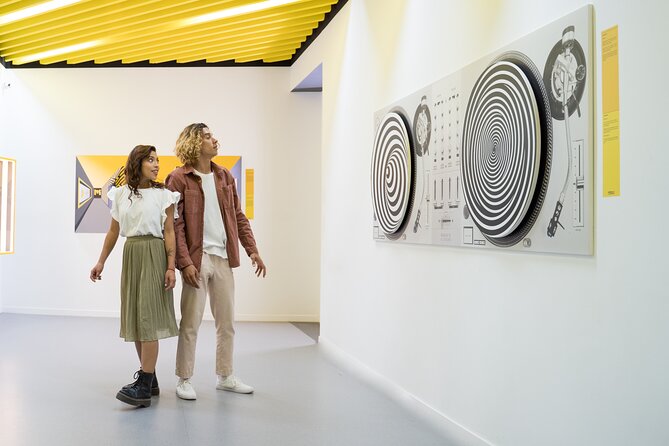
A heads-up that can affect your enjoyment: some visitors noted that descriptions at individual points may be Spanish only. That doesn’t kill the fun—many illusions work without reading anything—but it can change the experience if you want the science explained line-by-line.
If you read Spanish well, you’ll be fine. If you don’t, you can still enjoy the installations by watching what changes as you move or focus. But go in expecting that not every label will help you.
Family vs. adults: the one thing that changes the whole vibe

This is a compact experience, and that matters most when different age groups share the space. Reviews point out a real pattern: when there are kids around, they can dominate the most interesting areas, simply because they’re curious, quick, and often running through the displays.
If you’re visiting with kids, that’s a big positive. Kids often bounce between surprises, and this museum is built for that kind of “hands-on brain fun.” Couples also seem to enjoy it because it’s playful, easy to do, and it naturally creates picture-worthy moments.
If you’re visiting as an adult-only group and want a more structured or slower pace, you might find the experience a little too short or too light on organization. The most practical fix is timing. Go when you think it’ll be calmer (for example, avoiding peak family hours) and keep your expectations aligned with an hour of interactive play.
Price and value: $18.06 for an hour of illusion play

At $18.06 per person, this is not a budget attraction. It’s also not overpriced for what it gives you: a focused session in a dedicated illusion space.
Here’s the value logic I’d use when deciding:
- If you want something light, funny, and easy to fit into a Madrid day, the hour makes it feel efficient.
- If you expect a huge museum with deep, long-form explanations, you may feel shortchanged.
- If you enjoy interactive and visual experiences, the cost is easier to justify because the displays are the point.
Also, it’s booked about 5 days in advance on average, so it’s clearly popular. If you wait too long, you may end up with less convenient entry times.
The experience isn’t about “spending all afternoon.” It’s about getting the illusion fix and moving on.
Getting your entry right: appointment and confirmation
This is one of those experiences where timing matters. You’ll receive confirmation at the time of booking, and your entry uses a mobile ticket, which usually means fewer printed tickets and less hassle at the counter.
One more detail to take seriously: you may need a prior appointment by email at [email protected]. The museum indicates that an appointment is necessary in advance. So don’t assume you can just walk in with nothing. Email first, or at least be ready to follow the instructions sent during booking.
And because this is a small-footprint museum with a listed maximum of 100 travelers, your slot can matter. A “show up whenever” approach is riskier than with places that run open-ended hours.
Quick logistics: what’s included and what isn’t
Your ticket includes entrance to the museum. Transport isn’t included, so you’ll want to plan your Madrid transit separately.
The good part: since the location is central and near public transportation, getting there doesn’t usually feel like a chore. Still, build in local transit time so you don’t cut your illusion time short.
Who should book this, and who should think twice
This experience is a strong match if you want:
- Fun brain games in a short window
- An activity that works for both kids and adults
- A place that naturally produces photo moments
- A central Madrid stop that’s easy to plug into your day
It may be less ideal if you:
- Prefer long, museum-style visits with lots of reading and deep explanations
- Want a quiet, adults-only vibe
- Are sensitive to crowding and compact spaces
If you fall into the “maybe” category, the key is your timing and expectations. Treat it as an hour of playful perception, not a full-day educational institution.
Should you book Museum of Illusions Madrid?
Yes—if you’re looking for a quick, entertaining Madrid activity that plays tricks on your eyes and makes your brain feel oddly impressed. The hands-on perception angle, the photo-friendly setup, and the generally positive vibe from visitors who found it fun (and even repeatable) make it an easy recommendation for many people.
I’d book especially if you:
- Travel with kids or want a low-effort shared activity
- Like interactive attractions
- Need something indoors that still feels lively
Skip or think carefully if you:
- Want lots of written explanations in English (some descriptions may be Spanish)
- Need a lot of space to move slowly without sharing
- Expect an all-adult, organized deep-dive experience
FAQ
How long is the Museum of Illusions Madrid entrance experience?
It’s listed at about 1 hour.
What does the $18.06 ticket include?
The admission ticket includes entrance to the museum.
What is the meeting point address for this activity?
The start point is Calle del Dr Cortezo, 8, Centro, 28012 Madrid, Spain, and it ends back at the meeting point.
Is this ticket mobile?
Yes, it’s a mobile ticket.
Do I need to arrange an appointment in advance?
The museum indicates you need a prior appointment by email at [email protected].
Is transport included?
No, transport is not included.
How far in advance should I book?
On average, this is booked about 5 days in advance.
Is the museum near public transportation?
Yes, it’s near public transportation.
Is it refundable if I cancel?
No. It’s non-refundable and cannot be changed for any reason.
Is there a group limit?
Yes, the experience has a maximum of 100 travelers.