REVIEW · MODENA
Skip the Line: Pavarotti Museum – Official Ticket + Audioguide
Book on Viator →Operated by Casa Museo Luciano Pavarotti · Bookable on Viator
A famous singer, in his own rooms. This Casa Museo visit in Modena gives you skip-the-line entry plus an English audio guide, so you can move through Luciano Pavarotti’s home at your own pace.
What makes it interesting is the mix of career proof (awards, costumes, memorabilia) and everyday intimacy (the rooms, objects, and personal details that feel like they’re still there).
Two things I really like: going inside Pavarotti’s private home—including spaces like the kitchen, living areas, and bedroom—and seeing how his life comes through in real objects, not just photos. And the audio guide does real work, helping you connect what you’re looking at to his story as an artist and a person.
You also get to linger. People tend to need at least an hour, and it’s the kind of place where 10 extra minutes feels earned, not wasted.
One drawback to plan for: getting there can be tricky without a car. The house is described as accessible mainly by car or taxi, so build in time (or be ready to budget for a taxi).
In This Review
- Key Highlights You’ll Actually Care About
- Casa Museo Luciano Pavarotti: What the Private Home Feels Like
- Skip-the-Line Ticket and English Audioguide: Pace That Fits You
- Walking the Rooms: Kitchen, Living Areas, Bedroom, and the Second Level
- What You’ll See Besides Costumes: Awards, Steinway, Letters, and Personal Keeps
- Pavarotti’s Charity Work: Why It Changes the Story
- How Much Time to Plan and When to Go in Modena
- Getting There From Modena: Car, Taxi, and What to Do If You’re Stuck
- Price and Value: Why $14.51 Makes Sense Here
- Practical Tips for a Smoother, Better Visit
- Should You Book Casa Museo Pavarotti Skip-the-Line?
Key Highlights You’ll Actually Care About

- Skip-the-line access saves you time so you can spend more of your visit looking.
- Self-paced English audio guide means you control the pace and can replay sections if you want.
- Private-home setting turns famous items into something more personal and grounded.
- Two-floor layout with an elevator helps if stairs are an issue.
- Quiet timing can be great; early entry hours can feel very calm and focused.
- Charity and personal life show up together, so it’s not only costumes and awards.
Casa Museo Luciano Pavarotti: What the Private Home Feels Like
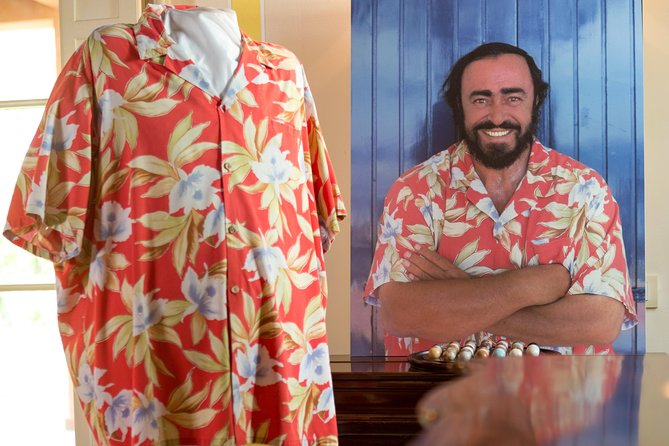
This is not a big, generic museum experience. You’re walking through a home that the Pavarotti Foundation transformed into a museum, and that changes everything about your expectations.
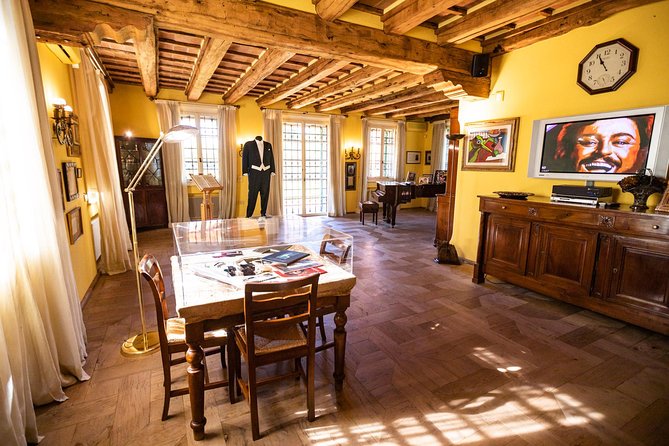
Instead of feeling like you’re rushing past glass cases, you feel like you’re in someone’s real space. You get the sense of a life lived in that house: rooms arranged the way they were meant to be used, personal objects left in context, and an overall atmosphere that makes the man feel closer than a stage poster ever could.
I also like how the museum balances the “legend” side with the “person” side. Yes, you’ll see the career highlights—awards and performance-related items—but you’ll also find notes, gifts, and memorabilia that help you understand who he was offstage. That’s why it works even if opera isn’t your default hobby.
A few more Modena tours and experiences worth a look
Skip-the-Line Ticket and English Audioguide: Pace That Fits You
The value of this experience is simple: you get official skip-the-line access, then you get an audio guide so you don’t have to keep asking staff questions (or wait for a group to catch up).
An audio guide is especially helpful here because you’re moving through rooms where the story is tied to objects and locations. The narration helps you connect why certain items matter, what they represent, and how they fit into Pavarotti’s life.
And because it’s self-guided, you can spend more time where you care most:
- If you’re a costume person, you can linger over performance outfits.
- If you’re a memorabilia person, you’ll probably take your time with awards, photos, and handwritten-style items.
- If you’re a “how did the person live” person, you’ll naturally slow down in the kitchen and bedroom areas.
People describe the visit as organized and easy to follow, which matters because this is your time—buying the ticket and then having a smooth flow prevents the experience from feeling stressful.
Walking the Rooms: Kitchen, Living Areas, Bedroom, and the Second Level
There’s one main stop: Casa Museo Luciano Pavarotti. From there, the museum route is your job—and the layout makes that manageable.
You’ll tour multiple areas of the house, including spaces visitors specifically call out such as the kitchen, living room, and bedroom. That matters because you’re not just seeing “items from his career.” You’re seeing them placed in a home setting. The result is that the collection feels more emotional and less academic.
One detail I found particularly memorable to look for while you’re inside: people mention Pavarotti’s voice in connection with the second level. That kind of element makes the museum feel less like a display and more like an environment. When the audio and the room setting line up, it’s easier to understand what fame meant to him—and how it still lives inside the house.
The museum also spans two floors, and there’s an elevator mentioned, so you’re not forced into a single level if you’d rather manage your energy. Plan on taking your time anyway; even if the rooms are well marked, it’s still a home experience, not a fast-moving corridor.
What You’ll See Besides Costumes: Awards, Steinway, Letters, and Personal Keeps

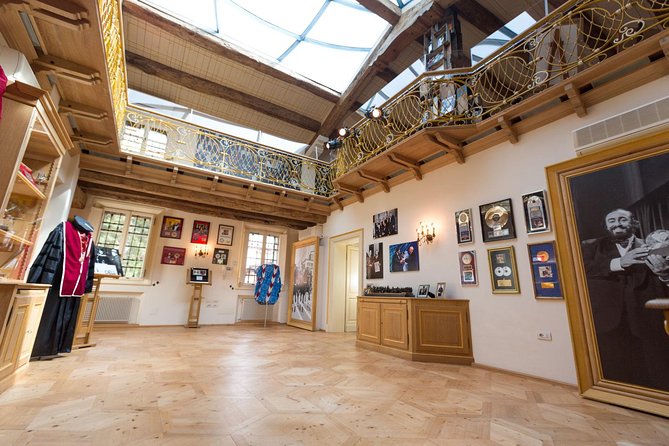
This museum gives you the full range: performance history, personal creativity, and “you could only have this if you lived here” details.
Here are some of the standout categories you can expect to notice as you walk:
- Awards and awards moments, tied to the public career.
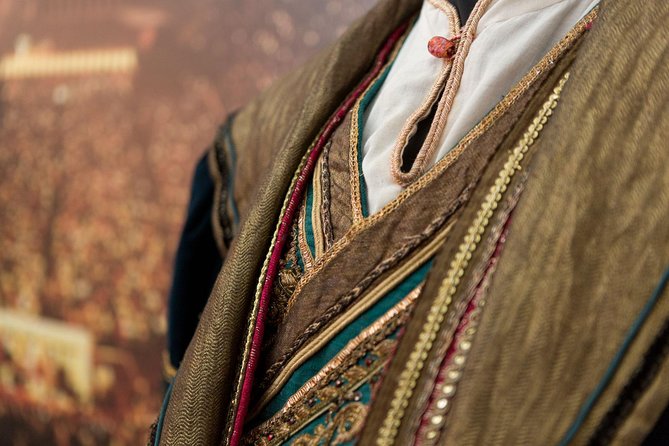
- Costumes from his operas, which show how performance style evolved and how specific looks became part of his identity.
- Personal memorabilia and objects, including items people specifically mention like his Steinway (a theme of music and daily life rather than distant spotlight).
- Paintings and photos displayed throughout the house, so the art isn’t stuck in one gallery.
- Letters and connections with famous friends, including references to Princess Diana found in the collection.
- Fan art and memorabilia, which adds a surprising layer: his influence felt real and global, not just professional.
What I like about this mix is that it gives you multiple entry points. If you don’t care about opera costumes, you might still care about the handwriting, the photos, the gifts, and the way his personality is reflected in his home life. If you do care about opera, the costumes become more meaningful because you’re seeing them inside the context of where the man lived between performances.
Pavarotti’s Charity Work: Why It Changes the Story
The museum doesn’t treat charity like a separate “topic section.” It’s built into the experience, and that makes it harder to forget.
You’ll see how the Pavarotti Foundation connects to helping people in need, with emphasis on helping the poor and especially children. That shifts the tone. Instead of walking away thinking only about world-famous concerts, you walk away thinking about the responsibility that came with that fame.
For me, this is one of the reasons the visit hits harder than I expected. It’s not just a shrine to talent; it’s also a reminder that the same person who achieved huge international success put energy into real-world support. If that matters to you, you’ll probably feel the museum is moving in an honest way.
How Much Time to Plan and When to Go in Modena
Plan on 1 to 1.5 hours. Reviews and experience notes consistently point to at least an hour if you want to see it properly, and longer if you slow down for photos or for the rooms that catch your eye.
Timing can also shape the mood. One review described being among very few visitors at an early entry time, which is exactly what you want in a home museum: quiet enough that you can hear the audio guide and actually feel the space.
So here’s the practical approach I recommend: aim for a time early in your day if you can. It makes the museum feel more private, and it reduces that mild pressure you get when you know you have to catch other plans.
Opening hours are daily, 10:00 AM to 6:00 PM. You can choose any day in that window, but mornings often help your visit feel calmer.
Getting There From Modena: Car, Taxi, and What to Do If You’re Stuck
Let’s be real: this is a detour, and it’s easier with a plan. The home is described as accessible mainly by car or taxi, and one review specifically points out that getting there without a car can be difficult.
My advice is to think of the taxi as part of the price you pay for the experience. If you don’t want to deal with transit uncertainty, pre-plan your ride so the museum doesn’t become a stress loop.
Also, there’s a comforting detail if things go sideways: a visitor mentioned staff in the gift shop helped by calling a taxi for their return to Modena. That’s not something you should count on, but it’s a good sign that the team is ready to assist.
In short: go into this with transportation clarity, and you’ll enjoy it more.
Price and Value: Why $14.51 Makes Sense Here
At $14.51 per person, this can feel like a small ticket for a place that carries a big emotional load. The real value isn’t only that it’s affordable—it’s that you’re paying for the right combination:
- Skip-the-line access, so you lose less time.
- An official audio guide, so your experience doesn’t depend on luck with staff explanations.
- A private-home setting, which is the whole point of this visit.
If you were paying more for a standard museum, you might still spend most of your time reading labels. Here, your time is spent in rooms that make the items feel alive. That’s why the ticket price works.
And because the museum encourages a slower pace, the cost per minute of experience is actually pretty good—especially if you’re the kind of visitor who likes to absorb details rather than rush to the exit.
Practical Tips for a Smoother, Better Visit
A home museum rewards small preparation. Here’s what I’d do to make your hour-and-a-half feel effortless:
- Bring headphones or make sure your audio device setup is straightforward. You’ll rely on the audio guide throughout your walk.
- Plan for photos, since visitors say photos are generally fine during the visit.
- Give yourself time to see the house at a comfortable pace. People mention the museum is well laid out and that they wanted to stay longer.
- If you’re sensitive to stairs, note there’s an elevator for the two-floor layout.
- If you’re visiting as a fan, expect a personal-feeling experience. People talk about emotional moments, including the bedroom area and how the collection is arranged.
Finally, if you’re going with family or a mixed group, this is one of those rare places where non-opera lovers can still get something. The home-life details do that work.
Should You Book Casa Museo Pavarotti Skip-the-Line?
If you’re a Pavarotti fan, this is an easy yes. The private-home setting, the audio guide, and the mix of career items with everyday objects create a visit that feels personal, not just famous.
You should also consider booking if you like museums that tell a story through place—kitchen, living areas, and bedroom matter here because they help you understand the man behind the voice.
The main reason not to book is the location logistics. If you absolutely hate taxi/car travel and you don’t want to plan around it, this may feel inconvenient. Still, you can manage it with a solid transport plan.
If you want a fast in-and-out stop, this isn’t that. It’s meant for an unrushed hour (or more) where you listen, look, and let the house do the talking. If that sounds like your kind of day, book it.