REVIEW · WASHINGTON DC
Museum of the Bible Admission Ticket
Book on Viator →Operated by Museum of the Bible · Bookable on Viator
Bible history, but make it walkable. At the Museum of the Bible in Washington DC, you can move through big scene-like exhibits, from a Red Sea-style pathway to a first-century village, plus see rare objects linked to Israel and the Vatican.
I like that the experience leans hard into interactive exhibits (not just glass cases). I also like that your ticket includes a digital guide so you can go deeper without needing a live group tour. The one drawback to keep in mind is that many of the most popular extras cost extra, and the museum can feel “pay-as-you-go” if you add too much.
In This Review
- Key Things That Make This Museum Ticket Worth Your Time
- Museum of the Bible in Washington DC: What You’re Really Getting
- Your 3-Hour Game Plan (So You Don’t Get Stuck Rushing)
- Entering the Museum: Ticket Redemption and Getting Your Bearings
- Walking the Bible Scenes: Red Sea Dry-Land and First-Century Streets
- Rare Artifacts and the Vatican/Israel Connection
- Video Sessions and the Best Movie Moment You Might Miss
- VR and Other Add-On Attractions: Where Value Can Turn Into Surprise Costs
- Best Way to Move Through Floors: Start on 3rd, Then 4th and 5th
- Location Near the National Mall: Pair It With Other DC Stops
- Food, Breaks, and Small Comforts Inside the Museum
- Who Should Book This Museum Ticket (and Who Might Find It Slower)
- Price and Value: What You’re Paying For (and What You Might Pay More For)
- Quick Practical Tips Before You Go
- Should You Book This Museum of the Bible Ticket?
- FAQ
- How long is the Museum of the Bible admission experience?
- Where do I redeem my ticket for the Museum of the Bible?
- What are the museum opening hours during the listed dates?
- What’s included with this ticket?
- Are guided tours or virtual reality included?
- Are service animals allowed?
- Is the experience suitable for most travelers?
- Is free cancellation available?
Key Things That Make This Museum Ticket Worth Your Time
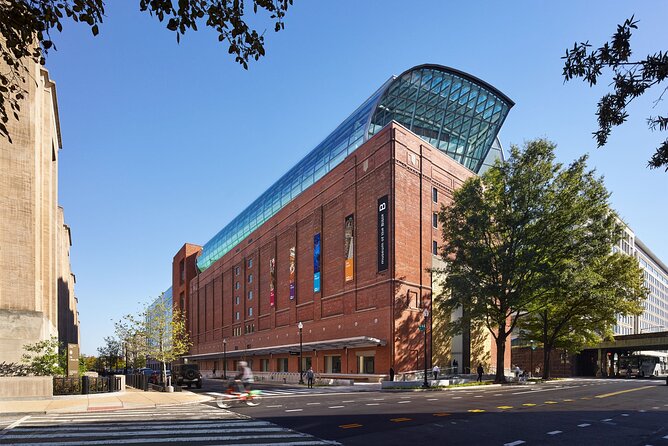
Walk-through Bible scenes like a Red Sea setting and a first-century village street layout
Digital guide included for context while you explore on your own pace
Rare artifacts connected to the Vatican and Israel
Plan for about 3 hours so you don’t rush the video areas and main exhibits
Add-ons can spike the cost (VR and special attractions are not included)
Museum of the Bible in Washington DC: What You’re Really Getting
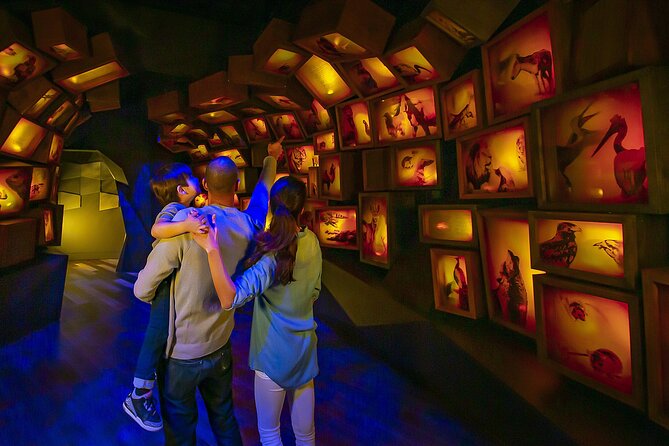
This ticket package is simple: you get admission to the Museum of the Bible near the National Mall area, plus access to the museum’s included experiences and tools. Plan for roughly 3 hours. That’s plenty of time to see the big immersive-style rooms, read the interpretive content, and use the included digital guide without turning your visit into a sprint.
What makes the museum different from a typical Bible museum is the pacing and the “doing,” not just the “seeing.” Instead of treating the Bible only like a text in a display case, the museum builds scenes and environments you can walk through, then pairs them with explanations you can follow at your speed.
And yes, there are also videos and tech features. One review noted there are two video sessions around 30 minutes each, so you’ll want to factor that into your timing even if you mostly want to roam the galleries.
A few more Washington DC tours and experiences worth a look

Your 3-Hour Game Plan (So You Don’t Get Stuck Rushing)
The museum is designed so you can explore in a loop, but you still need a plan because there’s a lot to process. I’d treat your visit like a museum day with a few “mandatory stops,” not like a quick checklist.
A practical approach that works well here:
- Give yourself time for the main exhibits plus at least one sit-down video block.
- Choose whether you want to add VR or special attractions. They’re not included, but they can be worth it if you like tech and short guided experiences.
- Aim to be done exploring with some buffer before closing, since one visitor noted the experience ends strictly at 5:00 PM, so don’t schedule your day assuming you can “sneak in” at the end.
Also, if you only have a short visit window, build in extra time for decision points. The museum is the kind of place where you’ll keep noticing new details, and then suddenly you’ve been standing still for 10 minutes reading captions.
Entering the Museum: Ticket Redemption and Getting Your Bearings
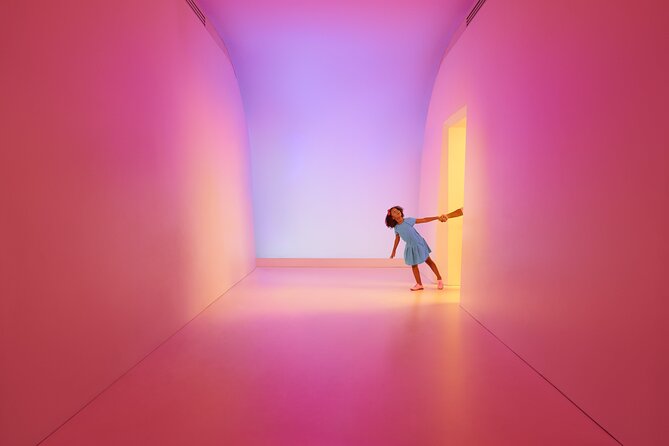
Your ticket redemption point is listed as 400 4th St SW, Washington, DC 20024. Expect to spend a little time getting processed and then finding your way into the exhibit flow.
Here’s a tip that can save time: one family mentioned there was no special advantage to buying in advance through a third party, because they still ended up waiting in lines on site. That doesn’t mean pre-booking is useless, but it does mean you should plan your arrival with the assumption that you may still wait for security and entry.
Once inside, don’t just drift. Use the digital guide early so you can quickly understand what you’re seeing and how the museum is organizing the journey through Bible history in the United States context.
Walking the Bible Scenes: Red Sea Dry-Land and First-Century Streets
The headline wow moments here are the walk-through scene-style exhibits. One of the most specific highlights described is the ability to walk on dry land through the Red Sea. It’s the kind of design choice that makes the story feel physical—like you’re not only reading about it, you’re standing in the space where the story happened.
You also get to wander the streets of a first-century village. That matters because it shifts the museum from “ancient text” to “daily life.” Clothing, layout, street texture, and the feeling of being in a real environment help you understand why people in that time would relate to these stories the way they did.
A balanced way to enjoy these areas is to slow down for 2 minutes, then move on. If you stay in one scene for 25 minutes trying to absorb everything at once, you’ll feel rushed later when the next floors pull you in.
Rare Artifacts and the Vatican/Israel Connection
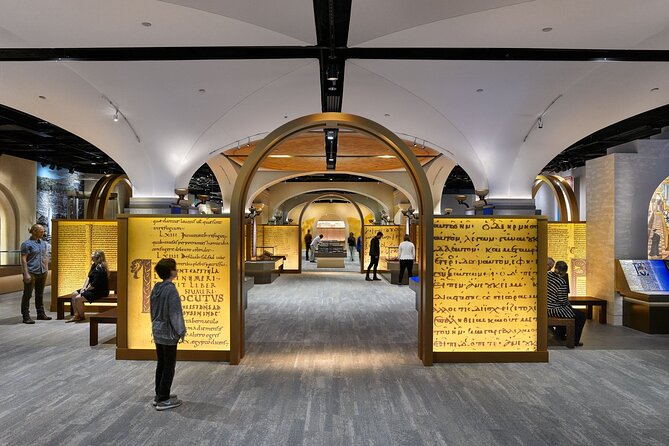
Another strong reason to come is that you can see rare artifacts, specifically mentioned as coming from the Vatican and Israel. For many people, that’s the difference between a museum that feels like storytelling and a museum that feels anchored in physical history.
Even if you’re not someone who reads every plaque, artifacts help you calibrate the visit. They give you moments where you stop and think, okay, this isn’t only about recreations. It’s also about the objects and evidence people have collected, preserved, and interpreted over time.
This is also where the digital guide earns its keep. If you use it here, you’ll spend less time guessing what you’re looking at and more time understanding why it matters.
You can also read our reviews of more museum experiences in Washington DC





Video Sessions and the Best Movie Moment You Might Miss
The museum uses videos as a way to connect events, themes, and modern impact. One visitor pointed out there are two video sessions of about 30 minutes each, and suggested you should allow at least 2.5 hours to get a good experience. That’s a good warning if you tend to skim.
Another review called out the movie as the best part, and said they almost missed it. That’s the classic museum mistake: you’re so busy catching the big rooms that you forget the “sit down, pay attention” moment.
So here’s your practical move: as you start, look for where the video rooms are and mark one for your schedule. Don’t leave it to chance.
VR and Other Add-On Attractions: Where Value Can Turn Into Surprise Costs
Your base ticket includes admission. It does not include add-ons like Guided Tours, Washington Revelations, or Virtual Reality. Still, people do recommend the VR experience—one reviewer even said it was their favorite part.
So how do you decide? I’d treat add-ons like this:
- If you love tech and short interactive experiences, consider VR because it can break up the museum’s otherwise “walk and read” rhythm.
- If you’re visiting on a tight budget, stick to the included museum route first, then decide on add-ons only if you feel you’re getting value.
One family specifically mentioned that add-ons can add up fast and that the extras they added totaled more than the admission price. Translation: if you’re tempted by multiple paid attractions, check your totals before you commit. It’s easy to leave with a bigger bill than you planned.
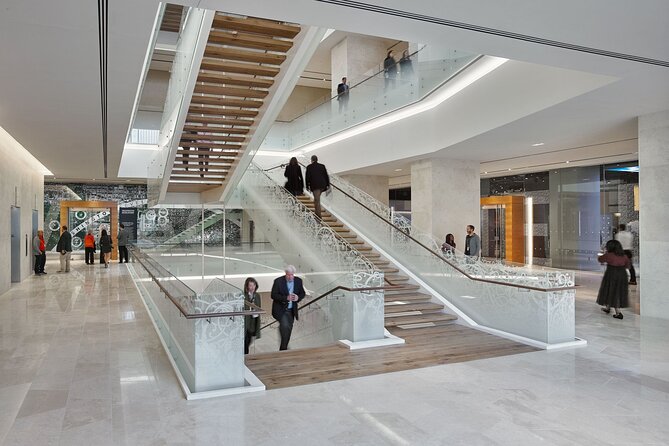
Best Way to Move Through Floors: Start on 3rd, Then 4th and 5th
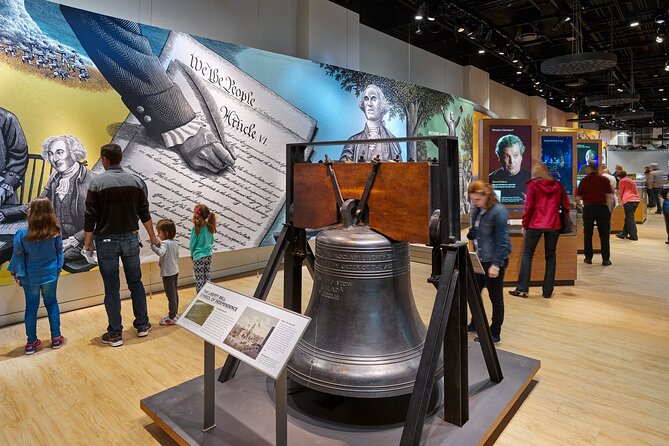
The museum is spread across floors, and it’s the type of layout where your order can shape your mood. One set of advice from a visitor was to start on the 3rd floor, then work your way through 4th and 5th, and end on the 2nd floor.
That makes sense because you’ll likely hit the more dramatic scene-style or high-impact areas earlier in your energy cycle, then finish with more reflective content. It also helps you avoid the feeling of running into your best exhibits near closing time, when you’re tired and moving slower.
Another useful tip: one visitor said they were there about 3 hours and felt the place could overwhelm you, which is normal. Plan for an emotional rhythm too. Some rooms hit faith and history at the same time.
Location Near the National Mall: Pair It With Other DC Stops
This museum sits just a few blocks off the National Mall area, so it’s easy to slot into a DC day. That’s a big plus for value, because you’re not paying for a standalone outing with no nearby connections.
If your day already includes the National Mall and Smithsonian area, this can work as your change-of-pace indoor stop. The museum isn’t pretending to compete with the view; it’s giving you an indoor, story-driven counterpart to the city’s big outdoor landmarks.
Practical move: choose one outdoor anchor in the morning, then come here for your afternoon or early evening block, so you’re not doing all your walking in crowds back-to-back.
Food, Breaks, and Small Comforts Inside the Museum
There is a restaurant on site, and at least one visitor said the food on the 6th floor was delicious. That’s useful because it means you can take a real break without trekking across town.
Still, keep expectations realistic. One review mentioned the breakfast was burned and that the bathroom wasn’t clean. I’m not saying every visit is like that. But the lesson is simple: if you need food quality or spotless facilities, don’t schedule your expectations too tightly. Bring a small snack just in case, and plan to use the facilities when you see the chance, not when you’re already desperate.
Also, if you’re visiting with kids, breaks matter. A 3-hour museum day can feel longer to younger ones, even when they’re having fun.
Who Should Book This Museum Ticket (and Who Might Find It Slower)
This is a strong pick for people who like museums with active displays, story structure, and technology. The museum includes interactive rooms and a history-focused presentation, including the Bible’s development through time.
If you’re visiting with kids, it can be a great “learn without feeling like school” option because the settings (Red Sea, village streets) give the imagination something to grab. One family called it a magical experience for kids.
It can be less thrilling if you dislike guided media, videos, or if you prefer museums that focus on objects only. One person described it as interesting but a bit boring at times, and another noted that it helps to plan for video time rather than expecting everything to be quick.
Best match:
- Families who want an organized, indoor DC experience
- Couples who like museums with strong theming and a clear narrative
- Faith-based visitors and curious travelers who want Bible history in a US context
Price and Value: What You’re Paying For (and What You Might Pay More For)
Your ticket includes admission and a digital guide. That’s the value core.
The risk is when you treat this like a pay-for-everything event. Add-ons are not included, and some visitors felt the museum became pricey once they started selecting extras.
If you care about cost, do this:
- Decide up front whether you want VR or special attractions.
- If you’re traveling with students or seniors, confirm which discount types apply to your purchase method. One traveler mentioned being charged $34.99 online and then realizing they could have saved with a senior discount when purchasing at the museum.
I can’t guarantee how every discount is applied, because it can depend on the ticket type and how you buy. But I can say this: don’t assume online pricing automatically matches in-person discount rules.
Quick Practical Tips Before You Go
- Give yourself around 3 hours. If you love videos, you might stretch it.
- Plan to see at least one video session. Two 30-minute sessions exist, so don’t skip them accidentally.
- Use the digital guide early so you know what you’re looking at and why.
- If you want VR, treat it like an optional upgrade, not part of the base ticket.
- Start on 3rd floor if you like a smoother flow through the best parts earlier.
Should You Book This Museum of the Bible Ticket?
Yes, if you want a hands-on, story-led museum day near the National Mall with a built-in self-guided tool. The highlights are genuinely compelling: walk-through scenes, interactive tech, and artifacts tied to major cultural institutions.
Hold off or think twice if you’re very budget-sensitive or you hate add-on upsells. The base ticket is solid, but the museum’s paid extras can change the math quickly.
If you’re deciding today, my recommendation is straightforward: book the admission ticket for the included experience, then add only one optional attraction if you really want it. That keeps your day fun instead of expensive.
FAQ
How long is the Museum of the Bible admission experience?
Plan for about 3 hours, roughly.
Where do I redeem my ticket for the Museum of the Bible?
Ticket redemption is at 400 4th St SW, Washington, DC 20024, USA.
What are the museum opening hours during the listed dates?
For the listed periods, it’s open Monday through Saturday from 9:00 AM to 5:00 PM.
What’s included with this ticket?
This package includes a Museum of the Bible admission ticket in Washington DC, plus access to the museum experience with a digital guide included.
Are guided tours or virtual reality included?
No. Add-on experiences such as guided tours, Washington Revelations, and virtual reality are not included.
Are service animals allowed?
Yes, service animals are allowed.
Is the experience suitable for most travelers?
Yes, most travelers can participate.
Is free cancellation available?
Yes. You can cancel up to 24 hours in advance for a full refund.