REVIEW · LONDON
London: Freud Museum Entry Ticket
Book on GetYourGuide →Operated by Freud Museum London · Bookable on GetYourGuide
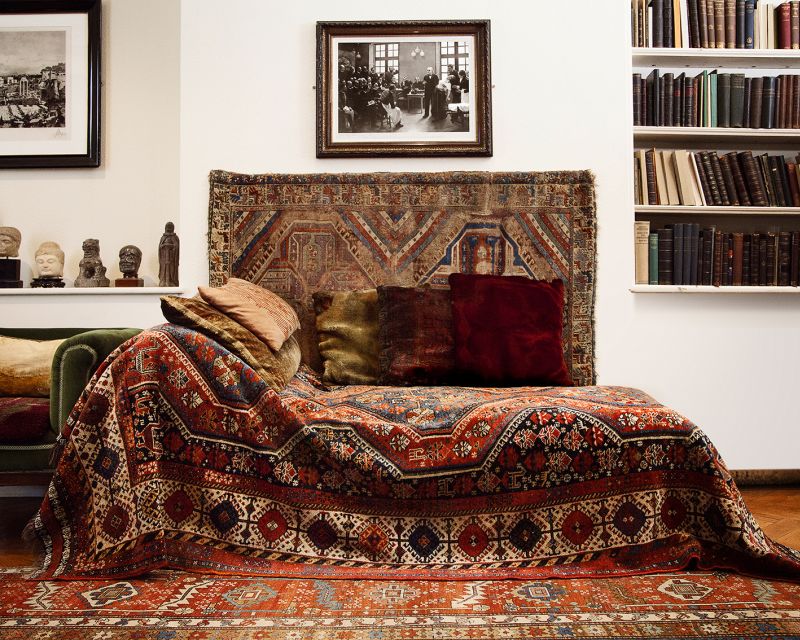
Freud’s home makes psychoanalysis feel human and close. I love the preserved Freud Study with his original couch, plus the Study’s weird, human details that turn theory into everyday life. You’ll also get a strong sense of how Anna Freud shaped the field through her room and work.
There’s one catch: the museum’s Free Audio Guide uses your phone, and you need your own headphones. If you arrive without them, you’ll be stuck reading labels instead of hearing the story.
In This Review
- Key Highlights You’ll Actually Notice
- Freud Museum London: A House Where Theory Has Weight
- Entering Through the Shop: Set Yourself Up Fast
- The Freud Study: Couch, Desk, and a Chair Built for His Posture
- Why the Study Feels Emotional (Even If You’re Not Into Psychology)
- Dining Room: Family Context and the Story Behind Psychoanalysis
- Anna Freud’s Room: Child Psychoanalysis and Anna’s Own Spaces
- Dalí, a Film, and the London-Vienna Bridge
- The Peaceful Garden: A Soft Landing After Heavy Ideas
- Price and Value: Is $19 Worth It?
- Best Fit: Who This Experience Works for
- Should You Book Freud Museum London?
- FAQ
- How long does the Freud Museum visit take?
- What’s included with the entry ticket?
- Do I need my own headphones for the audio guide?
- Where should I go when I arrive?
- Is there a film during the visit?
- What can I see in Freud’s Study?
- Can I book and pay later?
- Is there free cancellation?
Key Highlights You’ll Actually Notice
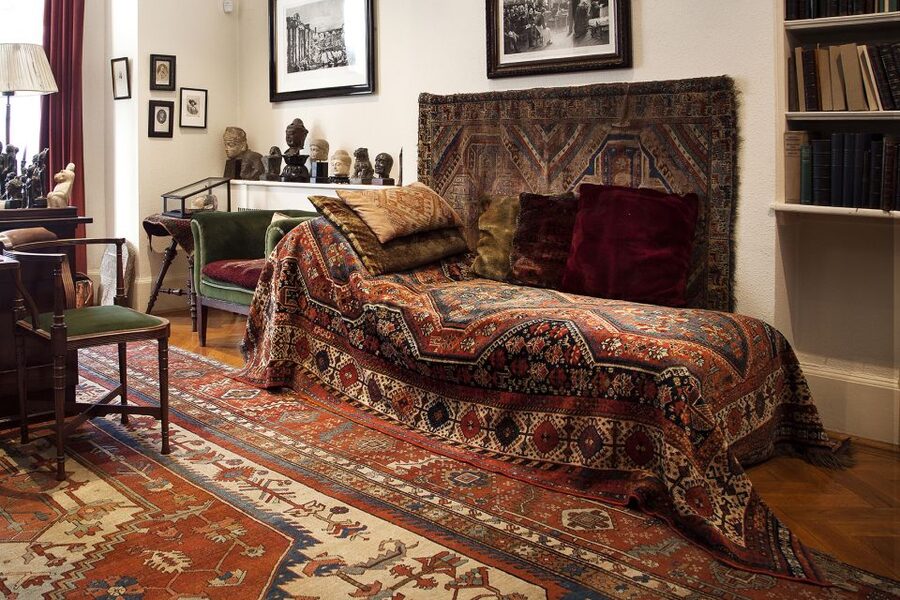
- Freud’s Study furniture: the couch, desk, and an anthropomorphic chair designed for his preferred posture
- Original objects, not replicas: the Study is preserved just as Freud left it
- Anna Freud’s room: child psychoanalysis, plus her couch and collections
- A 20-minute film with voiceovers from Anna Freud and a rare recording from Sigmund Freud
- Dalí portrait context: you’ll learn how Salvador Dalí fit into Freud’s London story, via Professor Ades’ article
- A peaceful garden stop: a quiet end to a mentally heavy visit
Freud Museum London: A House Where Theory Has Weight
This isn’t a slick museum experience where everything feels generic. At the Freud Museum London, you move through the actual home of Sigmund Freud, the founder of psychoanalysis, and later his daughter Anna Freud, a pioneer in child psychoanalysis. The result is a visit that feels less like browsing and more like stepping into a life.
What makes it especially compelling is the mix of objects and storytelling. One room anchors you in the Study with Freud’s couch and desk. Another room shifts the focus to family life and then to Anna’s groundbreaking work. If you’ve ever wondered where psychoanalysis came from in the first place, this place answers it using rooms, artifacts, and voices.
And the tone is refreshingly direct. You won’t need a background in psychology to follow the basics. You’ll still leave with a clearer sense of what psychoanalysis tried to understand, and why Freud mattered beyond Vienna.
A few more London tours and experiences worth a look



Entering Through the Shop: Set Yourself Up Fast
When you arrive, go to the back of the house and enter through the shop. It’s a simple instruction, but it saves time because you skip that half-minute of wandering that can happen when you’re looking for the entrance.
Once you’re inside, plan to spend your energy on listening and looking, not on figuring out where to go next. The museum has a natural flow: Study first, then dining and family context, then Anna’s spaces, then a short film, and finally the garden.
If you’re doing this as a calm one-day stop, this pacing is ideal. It gives you time to linger in the rooms with the best artifacts, without rushing through the rest.
The Freud Study: Couch, Desk, and a Chair Built for His Posture
The Freud Study is the main event, and it’s easy to see why. You spend time in the room with the famous psychoanalytic couch, and it’s not treated like a photo-op prop. The whole Study atmosphere is designed to make you notice the specific furniture choices Freud lived with.
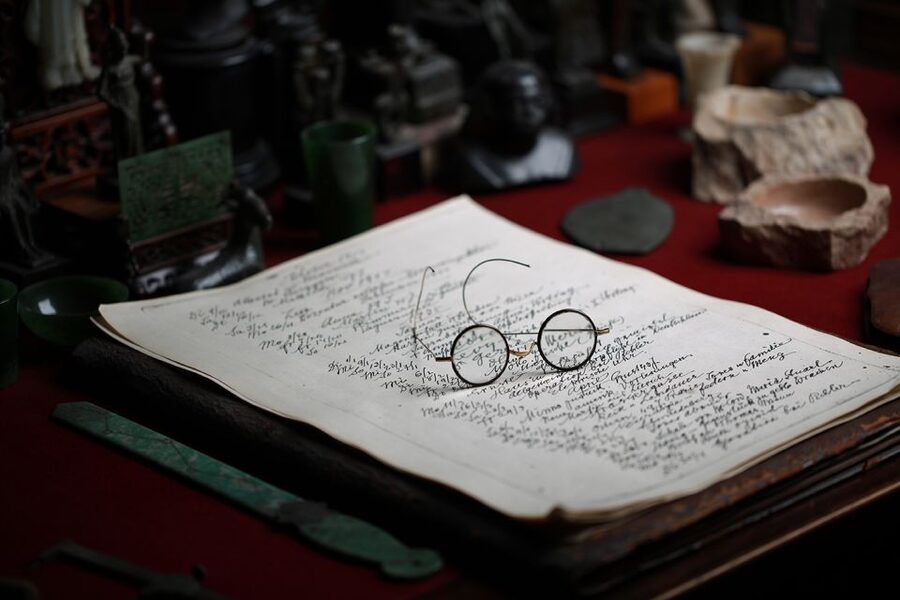
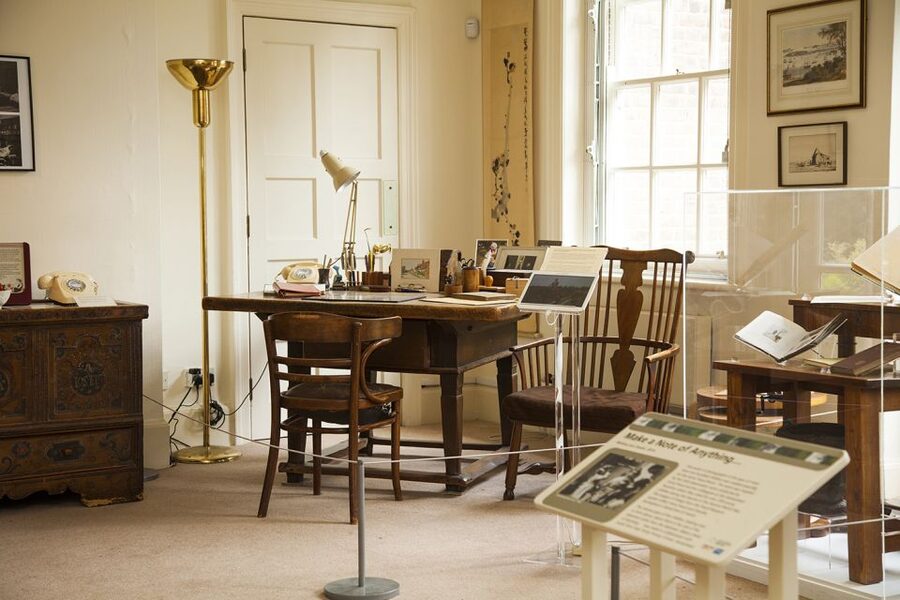
You’ll also see Freud’s desk, where he placed his favourite antiquities. That detail matters because it reframes psychoanalysis as something practiced with attention and habits, not just ideas on paper. You’re looking at the tools of a working mind, right down to the things he chose to keep near him.
Then there’s the anthropomorphic chair designed especially for Freud’s preferred seating posture—legs over one arm. It’s odd in the best way. Standing there, you start to understand the museum’s point: psychoanalysis wasn’t only a theory about the mind. It was also a physical routine, with comfort and posture built into the work.
What I like here: the Study doesn’t feel staged. It feels preserved.
What you should expect: a slower experience where the furniture and room layout do most of the storytelling.
Why the Study Feels Emotional (Even If You’re Not Into Psychology)
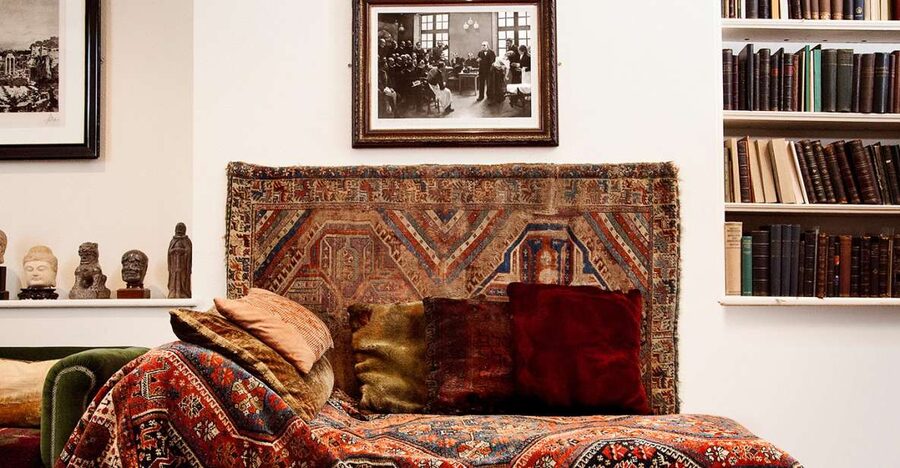
This is where the visit becomes more than a curiosity. When you see the couch and the study setup in the context of a home, psychoanalysis stops feeling like a distant academic subject.
The Study gives you a human-scale view. Freud’s work space is tied to daily life—objects, favorite pieces, and a chair built for how he wanted to sit. That’s a big deal for your understanding. Even if psychoanalysis isn’t your personal interest, the museum is showing you how ideas become practice.
And because the Study is preserved just as Freud left it, the effect is more immediate. You’re not viewing a recreated set. You’re in the same kind of preserved environment that Freud lived with in London.
If you’re the type who likes to connect history to real rooms and real objects, this is the part you’ll remember.
Dining Room: Family Context and the Story Behind Psychoanalysis
After the Study, the experience shifts into storytelling in the dining room. This is where you learn about Freud’s family story and the story of psychoanalysis.
This section is useful because it balances the emotion of the Study with context. The couch and chair can pull you into the mood of the work. The dining room pulls you back into the bigger picture: who Freud was, how psychoanalysis developed, and how family life connects to professional life.
It’s also a good break in pacing. The Study is visually intense because of the iconic objects. The dining room is more about narrative, which helps your brain process what you just saw.
If you want the most complete visit, don’t sprint through this room. Spend enough time here to connect the objects upstairs with the meaning behind them.
You can also read our reviews of more museum experiences in London




Anna Freud’s Room: Child Psychoanalysis and Anna’s Own Spaces
Anna Freud’s room is a major reason to book this visit, even if you think you only came for Sigmund Freud’s famous couch.
You’ll see Anna Freud’s room with her couch and collections, plus learn about her pioneering work on child psychoanalysis. That focus matters. Psychoanalysis is often associated only with adults and classical theory, but Anna Freud helped steer attention toward children—how they develop, how adults interpret them, and what needs to change for care to be effective.
This section also adds emotional balance. The museum isn’t only about the founder’s legacy. It shows continuity through Anna—how the work and the family story continued in London.
What you’ll notice: her spaces feel specific and personal, not like a generic tribute area.
Why it helps: you finish the visit with a broader sense of psychoanalysis as something that evolved, not something stuck in one era.
Dalí, a Film, and the London-Vienna Bridge
Alongside Anna’s room, you’ll see a portrait of Sigmund Freud by Salvador Dalí. You can learn about their meeting in London in 1938 in Professor Ades’ article on Dalí’s sketches of Freud. This is one of those details that turns a museum visit into a real-world story.
It’s also smart placement. You see Dalí’s connection right when you’re thinking about Anna and Freud’s London chapter. So it helps you anchor the museum’s personal narrative inside a wider cultural moment.
Right after that, you can watch a film about the Freud family, lasting about 20 minutes. It includes voiceovers from Anna Freud, plus a rare recording from an interview with Sigmund Freud, along with footage from Vienna and London.
If you only have a limited time window, the film is worth it because it ties multiple threads together fast:
- the family timeline
- Freud’s presence in Vienna and then London
- the way Anna carried the story forward
It’s the part of the visit where you stop looking at objects and start absorbing the whole storyline as one connected experience.
The Peaceful Garden: A Soft Landing After Heavy Ideas
Finally, spend time in Freud’s peaceful garden. After rooms that deal with intense human topics, the garden gives you breathing room.
I like ending here because it changes your pace. You’re no longer processing furniture, faces, and ideas in close quarters. You’re just taking a moment outside, letting your thoughts settle.
If you tend to leave museums mentally wired, plan extra time here. Even 10 to 15 minutes can make the difference between a rushed visit and a satisfying one-day stop.
Price and Value: Is $19 Worth It?
At about $19 per person, this is priced like a serious museum stop, not a budget attraction. The value depends on what you want.
If you’re drawn to authentic, preserved spaces and iconic objects, the ticket price makes sense. You’re paying for access to the real Freud home environment, including the preserved Study, Anna Freud’s room, the dining room storytelling, and the film.
Also, the audio guide is included. That matters because the visit’s best details are the kind you’ll miss if you’re only speed-reading labels. With the audio guide, you can slow down and actually understand what you’re seeing.
The one value risk is the headphones issue. The museum’s Free Audio Guide requires your phone and headphones, and headphones/phone are not included. If you forget them, you might lose part of the experience you’re paying for.
If you show up prepared, $19 feels like a fair trade for a focused, story-driven visit in a place that can’t be replicated.
Best Fit: Who This Experience Works for
This ticket is ideal if you want:
- an authentic home setting with famous psychoanalytic objects
- story-driven museum rooms, not just exhibits in display cases
- a connection between Freud’s work and Anna Freud’s contributions
You might want to reconsider if you’re mainly looking for hands-on activities or modern interactive galleries. This museum works by close observation and listening, not by games.
It’s a strong pick for a solo visit, a thoughtful pair, or anyone who likes history when it’s tied to real rooms and real objects. If you’re visiting London with a specific interest in psychology, culture, or the intersection of ideas and daily life, you’ll be in the right place.
Should You Book Freud Museum London?
Book it if you want a calm, focused one-day visit in the actual home of Freud and Anna Freud, especially for the Freud Study and the film that brings their voices into the story. The $19 price is reasonable given the preserved spaces, included admission, and included audio guide.
Skip it or do it only if you have strong interest if you hate quiet, listening-based museums or you don’t want to use your phone and headphones. Bring your headphones, give yourself time in the Study and Anna’s room, and end with the garden. That combo is what makes this visit feel complete.
FAQ
How long does the Freud Museum visit take?
The ticket is valid for 1 day, and the film inside the museum is about 20 minutes.
What’s included with the entry ticket?
Admission is included, along with an audio guide. A Free Tour runs Thursday through Saturday at 2pm.
Do I need my own headphones for the audio guide?
Yes. The Free Audio Guide requires your phone and headphones. Headphones/phone are not included.
Where should I go when I arrive?
Go to the back of the house and enter through the shop.
Is there a film during the visit?
Yes. There is a film about the Freud family, and it runs about 20 minutes.
What can I see in Freud’s Study?
You’ll see Sigmund Freud’s study with the world-famous psychoanalytic couch, Freud’s desk with his favourite antiquities, and an unusual chair designed for his preferred posture. The Study is preserved just as Freud left it.
Can I book and pay later?
Yes. The option is available to reserve now and pay later.
Is there free cancellation?
Yes. You can cancel up to 24 hours in advance for a full refund.