REVIEW · HOUSTON
The Museum of Fine Arts, Houston Entry Ticket
Book on GetYourGuide →Operated by The Museum of Fine Arts, Houston · Bookable on GetYourGuide
A museum ticket that’s easy to use matters. With the MFA Houston All Access entry you get a full-day run through the galleries and special exhibitions, spread across an easy-to-plan campus. I like the sheer scale—nearly 80,000 artworks—and I like that the ticket covers multiple building themes instead of one small section.
You’ll also be able to see a strong mix of styles, including Renaissance and Baroque painting and sculpture, plus photography and contemporary installations. The main drawback to think about is that this is self-guided, so you’ll want to build a simple route (otherwise you can lose time wandering).
In This Review
- Key things that make this ticket worth a look
- Where the MFA Houston ticket fits on a Houston day
- Getting your MFAH ticket: smooth entry, low friction
- How the museum’s layout shapes what you’ll actually see
- What 5,000 years of art feels like in real life
- Renaissance and Baroque painting and sculpture: a strong anchor for your route
- Photography and contemporary installations: how to enjoy them without overthinking
- Special exhibitions: don’t chase everything, pick your priorities
- The Cullen Sculpture Garden: the break that improves the whole day
- Café Leonelli and Le Jardinier: eating without losing the rhythm
- Photography rules and what you should do with your phone
- Rules that can surprise first-timers (so you don’t waste time)
- Price and value: why $10 can work for a full-day art fix
- What you’ll love most if you plan your day right
- Should you book this MFA Houston all-access ticket?
- FAQ
- How long is the MFA Houston entry ticket valid?
- What does the All Access ticket include?
- What is the price?
- Where do I exchange my voucher to get the physical ticket?
- If I’m being dropped off by taxi or shared ride, where should I go?
- What parking options are suggested if I drive myself?
- Can I take photos inside the museum?
- Is the museum wheelchair accessible?
- What items are not allowed in the museum?
- What days is the museum open?
Key things that make this ticket worth a look
- All Access for the day: permanent collection plus special exhibitions that are open when you visit
- Three building approach: Americas (including contemporary Latin American art), plus European/Modern, plus Middle East/Asia/Africa
- Big visual range: from classic Renaissance and Baroque works to photography and contemporary installations
- Cullen Sculpture Garden access: a breather that changes the pace from galleries
- Museum District location: on a 14-acre campus near Downtown and the Texas Medical Center
Where the MFA Houston ticket fits on a Houston day
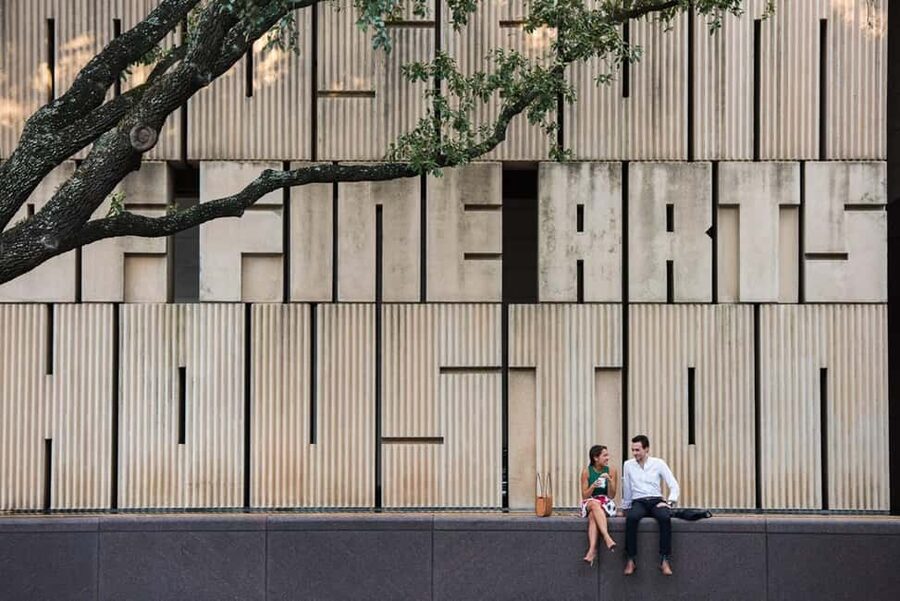
The MFA Houston sits on a 14-acre campus in the Museum District, close enough to Downtown that you can combine it with other city plans, but set up like its own little world. It’s the kind of museum where you can do a satisfying full day even if you’re not chasing every single room. Your ticket is valid for one day, which is perfect for planning something focused rather than rushed.
What you’re buying here is not a timed guided tour. It’s access that lets you choose your pace. That’s a plus if you like to stand longer in front of what you love, and it’s a minus if you hate decision-making. For me, the sweet spot is when you arrive with a couple of things you want to see, then let the museum surprise you.
A few more Houston tours and experiences worth a look


Getting your MFAH ticket: smooth entry, low friction
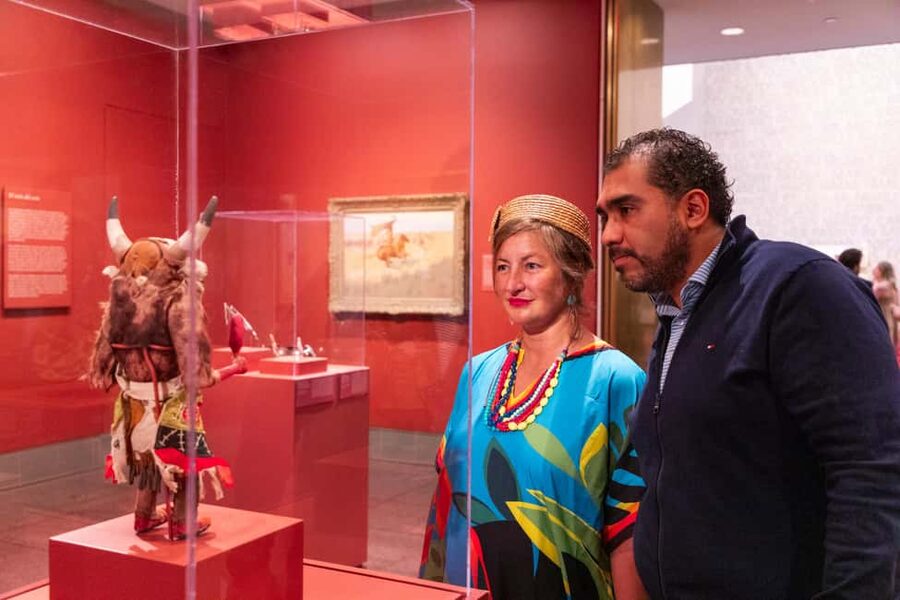
Your GetYourGuide voucher is meant to be exchanged for a physical MFAH ticket at the ticket stand. That’s a small detail, but it affects how smoothly your morning starts. If you arrive already holding your phone voucher, you’re set—you just exchange and go.
Meeting access is straightforward. If you’re arriving by shared ride or taxi, you can be dropped off and picked up at the covered porte cochere drop-off at the Audrey Jones Beck Building. If you’re driving, you have three garage options listed: 1144 Binz Street (above-ground), 5101 Montrose Boulevard (underground), and 5500 Main Street (underground).
Tip: plan on checking in, dropping any large bags/backpacks at the entrance, and then giving yourself a few minutes to orient. The museum is spread across multiple buildings, so your first five minutes set the pace for the rest of the day.
How the museum’s layout shapes what you’ll actually see
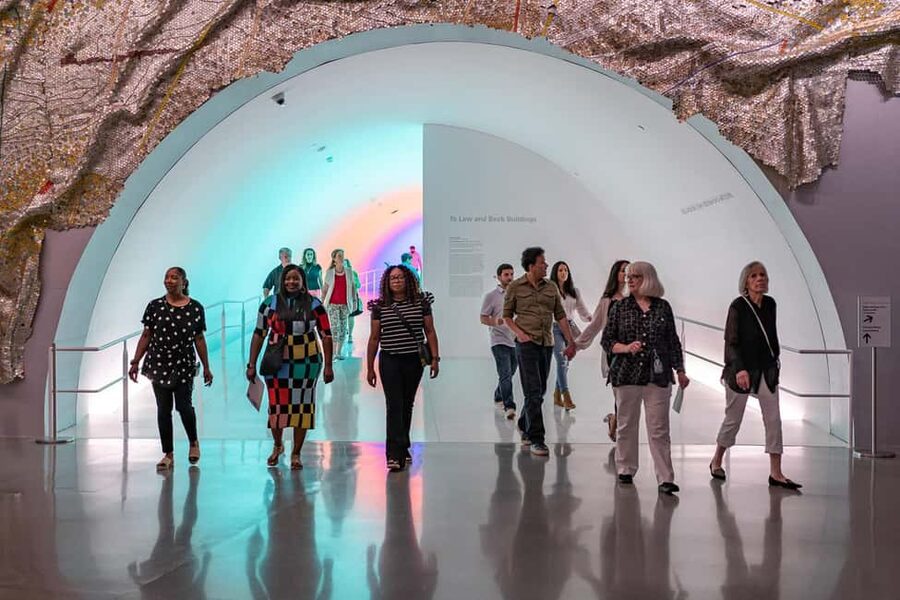
MFA Houston is spread through three unique buildings, and the collections are presented in thematic ways. That matters because it turns a “go wherever” museum into a “make a route” museum. Here’s the basic idea you can use without overthinking it:
- Americas building experience: includes contemporary Latin American art
- European and Modern experience: where you’ll find the classics and major European/modern directions
- Middle East / Asia / Africa experience: with work spanning multiple cultures and time periods
You’re not just walking through rooms with unrelated themes. The building approach helps you stay coherent. If you start in one zone and bounce to another too early, you’ll feel like you’re constantly resetting. I’d rather you pick a first building, get oriented, and then move in a logical flow.
And because the ticket is All Access, you also get the permanent collection plus special exhibitions open that day. The museum’s scale can tempt you to try to do everything. Instead, I recommend aiming for “a lot,” not “all.” If you leave with ten strong stops you truly enjoyed, you’ll feel way more satisfied than if you rush through fifty rooms without remembering anything.
What 5,000 years of art feels like in real life
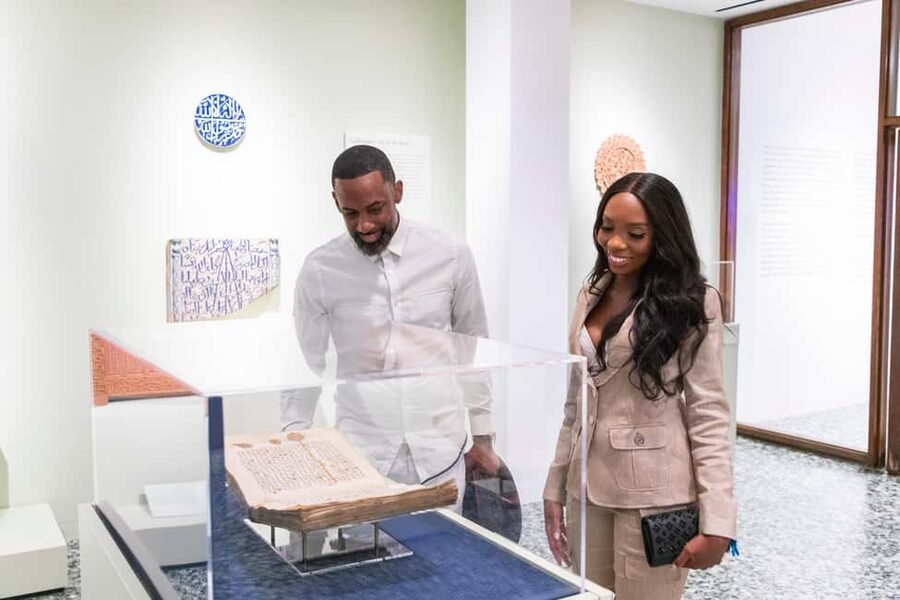
The museum’s collection is described as nearly 80,000 artworks covering around 5,000 years and multiple continents. On paper, that sounds enormous. On the ground, it helps to remember this: you’re not expected to absorb it all. You’re expected to sample enough to leave with a sense of the museum’s range.
This is where the Renaissance and Baroque focus becomes especially useful. If you love figurative work—oil painting, dramatic sculpture, historical styles—you can anchor your visit with a traditional thread. Then, when you move toward photography and contemporary installations, you’re not just “switching genres.” You’re seeing how visual storytelling changes over time.
If you don’t know where to start, use this simple method: spend your first hour with works that have clear visual anchors (subjects, faces, dramatic scenes), then shift into galleries where you can slow down and let details work on you.
Renaissance and Baroque painting and sculpture: a strong anchor for your route

Renaissance and Baroque are perfect for a first-time visit because they’re visually confident. Even if your art knowledge is basic, you can usually read what’s happening: posture, lighting, emotion, and the sense of drama.
Look for the sculpture as much as the painting. Baroque sculpture often feels like it’s about movement—fabric, angles, and tension—so it rewards time. Painting, on the other hand, can be more about layered depth and how the artist directs your eye. If you’re tired at the end of the day, you’ll probably appreciate having already spent time in this “high-impact” section early.
Practical note: the ticket covers permanent collection and special exhibitions open that day, so if you want Renaissance/Baroque to be your main focus, give it the first part of the day when you still have energy to pay attention.
You can also read our reviews of more museum experiences in Houston


Photography and contemporary installations: how to enjoy them without overthinking
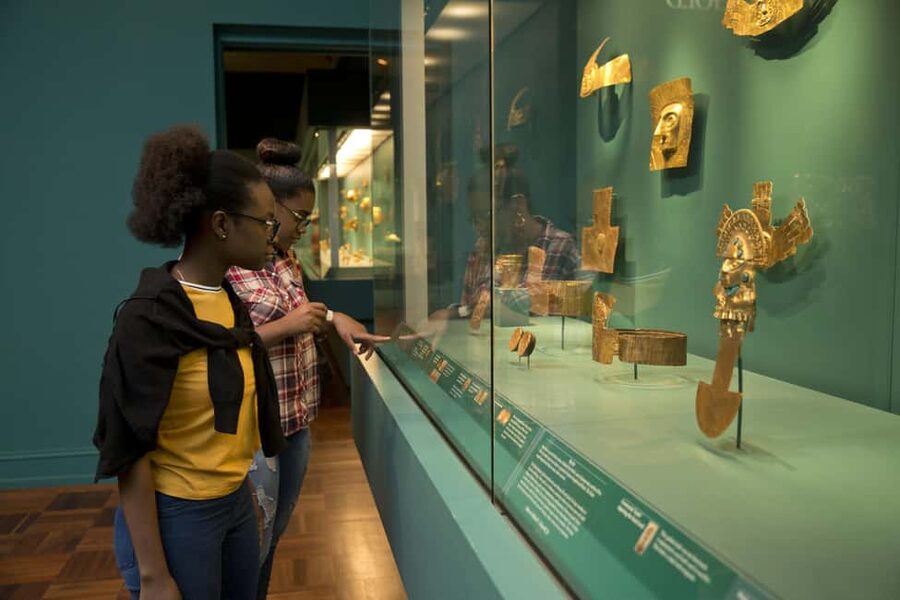
The museum includes photography, which is often easier to appreciate in a museum setting because you get variety fast—subject matter, technique, and mood can change from room to room. Photography also gives you a nice contrast to older painting and sculpture. Instead of centuries of technique, you see modern ways of framing reality and meaning.
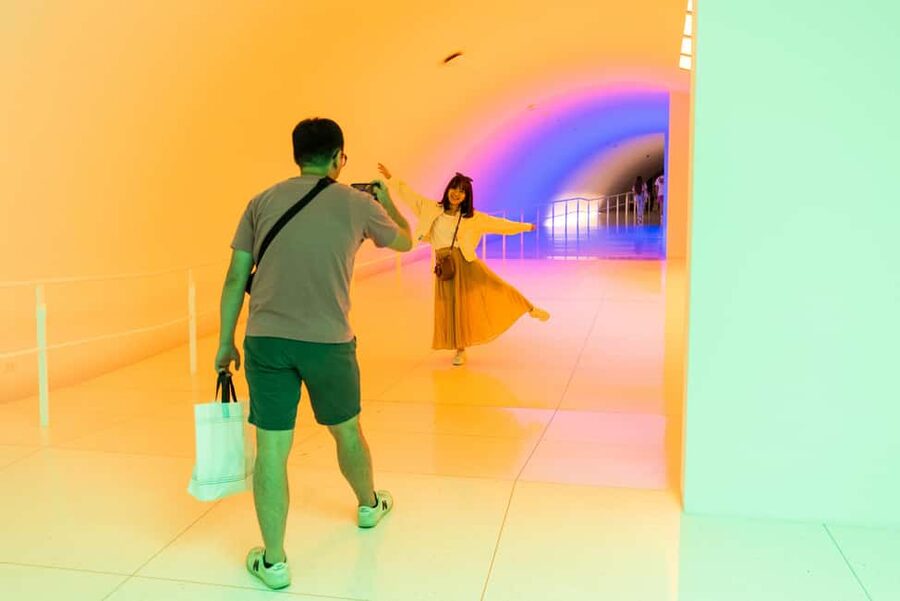
Then there are contemporary installations, which can feel different: sometimes the point is atmosphere or concept rather than a traditional “masterpiece” format. Since the ticket is self-guided, you can choose how to engage. You can stop for one quick look, or you can stay in front of a work until you understand what it’s doing.
If contemporary work makes you nervous because you worry about not understanding it, don’t. Your job here is to notice what you’re responding to—scale, materials, lighting, and how you move around the piece.
Special exhibitions: don’t chase everything, pick your priorities
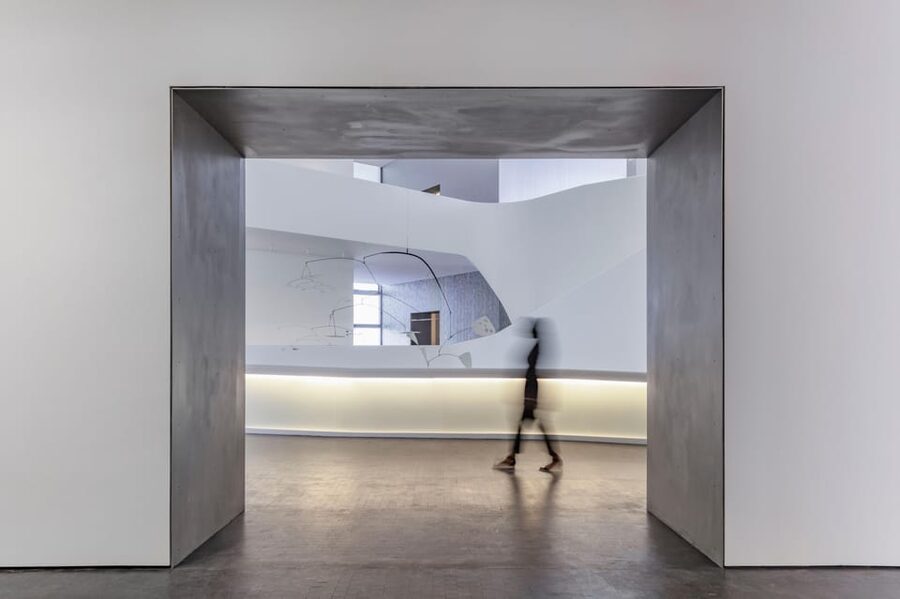
Your ticket includes access to special exhibitions open on the day of your visit, which is a big value if you’re flexible. But special exhibitions can also tempt you into trying to fit everything in.
A smart way to handle this:
- Pick one special exhibition to be your “main event.”
- Let the rest be bonus time.
- If something doesn’t grab you after a few minutes, you don’t have to force it.
Self-guided museums are best when you treat the special exhibitions like choices, not assignments.
The Cullen Sculpture Garden: the break that improves the whole day

On a multi-building museum visit, breaks matter. This ticket includes entry to the Cullen Sculpture Garden, which gives you space to reset without leaving the museum experience entirely. Gardens also change the pace: you get a different kind of looking, and your feet get a breather.
I’d plan the garden as a mid-day move—right when you start thinking, I’m still seeing art, but I feel a bit museum-weary. A garden stop makes the next gallery feel fresh again.
Café Leonelli and Le Jardinier: eating without losing the rhythm
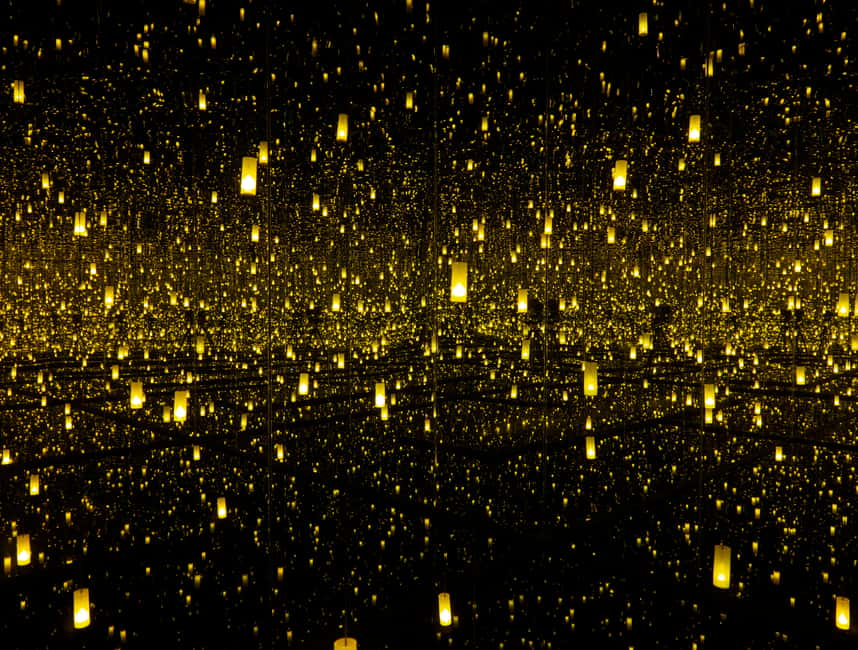
You can eat casually at Café Leonelli on the campus. If you prefer a nicer sit-down meal, Le Jardinier is also available on the property, and reservations can be made.
One key rule: food and drinks aren’t allowed inside the museum galleries. That’s common, but it changes how you plan your day. Treat meals like planned stops rather than a “grab and keep going” situation.
Tip: use your lunch break to step outside, refill water (outside the galleries), and then re-enter with a clear plan for the next building.
Photography rules and what you should do with your phone
Photography is allowed for private, non-commercial use. That’s good news if you want to remember details or share later with friends. But the museum also prohibits things that can get in the way of other visitors or safety needs, including drones and flash-related gear like tripods for photography.
So, keep it simple:
- Use your phone or camera as permitted.
- Skip flash.
- Don’t bring equipment that looks like a production shoot.
Also be aware that touching exhibits is not allowed. It’s a reminder that this is a gallery environment where you’re meant to look, not interact.
Rules that can surprise first-timers (so you don’t waste time)
Before you go, skim the “no” list once so you don’t get stopped at the entrance. The museum does not allow weapons or sharp objects, oversize luggage, smoking, drones, selfie sticks, flash photography, tripods, and it also forbids touching the exhibits.
Some behavior rules are also in place—no intoxication, no vaping indoors, and no alcohol or drugs. There are restrictions on littering and other things that affect cleanliness and safety. You’ll also want to be ready for bag handling: backpacks and large bags must be checked at the entrance.
If you like to travel light, this is a good day for that mindset.
Price and value: why $10 can work for a full-day art fix
At $10 per person, this ticket is strong value when you think about what’s included: permanent collection access, special exhibitions open that day, and Cullen Sculpture Garden entry, plus free Wi‑Fi and access to the MFA Shop.
Even if you spend just two to three hours in a handful of galleries, the ticket still feels reasonable. The key is using the ticket the way it’s meant to be used: as a full-day pass across multiple buildings. If you treat it like a quick hour stop, value drops.
Where this becomes a great bargain is if you’re the kind of person who likes to keep choices open. You’re not stuck with a single theme or a narrow “greatest hits” route. You can spend your morning in the European/Modern direction, then shift to photography or installations when you want something different.
What you’ll love most if you plan your day right
This ticket shines when you use your time intentionally. I’d book it if:
- you want to see a wide spread of art without hiring a guide
- you like mixing eras—classic painting/sculpture with photography and contemporary work
- you’d rather wander with purpose than follow a strict pace
You might feel less happy with it if you want a guided narrative or timed structure. Self-guided is flexible, but it takes a little effort from you to decide what matters.
Should you book this MFA Houston all-access ticket?
Yes, I think you should book it if you’re planning a one-day stop in Houston and you want maximum art variety for a budget-friendly price. The coverage of permanent collection, special exhibitions, and the Cullen Sculpture Garden makes it a solid way to get a full museum day rather than a quick hit.
If you’re the type who enjoys setting a simple route and then going at your own speed, this fits perfectly. If you need someone to direct you room-by-room, you may want to pair your visit with a separate guide option. For most people, though, this is an efficient, high-value way to experience MFA Houston at its best.
FAQ
How long is the MFA Houston entry ticket valid?
The ticket is valid for 1 day. You can check available starting times before you go.
What does the All Access ticket include?
It includes entry to the Museum of Fine Arts, Houston for the permanent collection and all special exhibitions open on the day of your visit, plus access to the Cullen Sculpture Garden and free Wi‑Fi.
What is the price?
The price is listed as $10 per person.
Where do I exchange my voucher to get the physical ticket?
You’ll take your GetYourGuide voucher to the ticket stand to exchange it for a physical MFAH ticket.
If I’m being dropped off by taxi or shared ride, where should I go?
Drop-off and pick-up is at the covered porte cochere drop-off at the Audrey Jones Beck Building.
What parking options are suggested if I drive myself?
Three garages are suggested: an above-ground garage at 1144 Binz Street, an underground garage at 5101 Montrose Boulevard, and an underground garage at 5500 Main Street.
Can I take photos inside the museum?
Yes, photography is allowed for private, non-commercial use. Flash photography and drones are not allowed.
Is the museum wheelchair accessible?
Yes, the experience is wheelchair accessible.
What items are not allowed in the museum?
Weapons or sharp objects, oversize luggage, selfie sticks, drones, flash photography, tripods, food and drinks, and touching exhibits are not allowed. Smoking and vaping indoors are also prohibited.
What days is the museum open?
The museum is open from Wednesday to Sunday and closed on Monday and Tuesday.