REVIEW · HOUSTON
Houston: Children’s Museum Houston Entry Ticket
Book on GetYourGuide →Operated by Children's Museum Houston · Bookable on GetYourGuide
Kids turn science into play fast. With a Children’s Museum Houston entry ticket, you get access to 14 galleries where learning happens through hands-on games and real physical activity. I especially like the PowerTower climb and how Kidtropolis, USA turns role-play into a kids-run mini city.
One thing to watch: the $20 ticket price can feel bigger after you add the usual day-trip extras like parking and food. Also, adults must be accompanied by children to enter, so plan around the whole group.
In This Review
- Key things to know before you go
- A Ticket That Lets Kids Claim 14 Galleries
- PowerTower and PowerPlay: Big Climb Energy Meets Food Science
- Kidtropolis, USA: When Kids Run the Show
- FlowWorks: Water Forces That Don’t Stay in a Textbook
- Invention Convention and Inventor’s Workshop: Gadgets, Gizmos, and Building Time
- Genius Station and Cyberchase: Science Experts Plus a Math Adventure
- Other Exhibits to Prioritize by Age (From TotSpot to Maker Annex)
- What a Visit Feels Like on the Ground
- Timing and Pacing: How to Avoid Museum Burnout
- Price and Value: $20 Ticket, Then the Real-Life Extras
- Included vs Not Included: What Your Ticket Really Covers
- Who This Is Best For (And Who Might Want a Different Plan)
- Should You Book This Children’s Museum Houston Ticket?
- FAQ
- How much is the Houston Children’s Museum entry ticket?
- Where do we go to enter?
- How long is the ticket valid?
- Does the ticket include museum exhibits and events?
- What is not included with the ticket?
- Are adults allowed to enter without children?
- Is the museum wheelchair accessible?
- Where does the activity end?
- Is there a cancellation option?
- Can I reserve and pay later?
Key things to know before you go

- PowerTower plus PowerPlay: climb high, then connect it to nutrition and healthy movement
- Kidtropolis, USA: a city for kids run by kids, built for big imaginations
- FlowWorks: water forces like waves, rapids, vortices, and hydropower
- Invention Convention and Inventor’s Workshop: gadgets, gizmos, and building time
- Genius Station: kids get help from the museum’s science experts
- Age zones: from TotSpot for the youngest kids to Maker Annex for older hands-on builders
A Ticket That Lets Kids Claim 14 Galleries
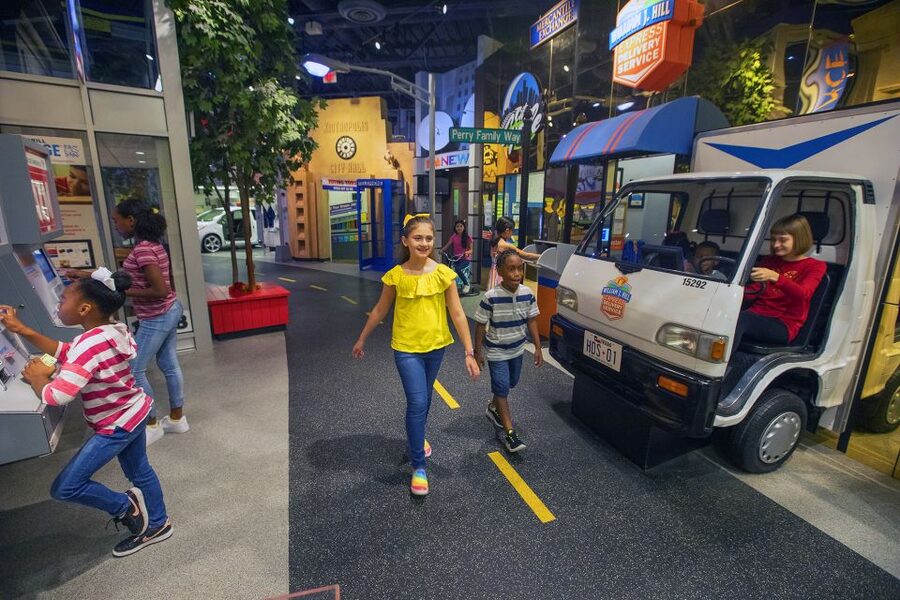
A Children’s Museum Houston entry ticket is one of those rare attractions where you’re not just watching. You’re letting kids touch, test, climb, build, and repeat. The museum’s set up with 14 galleries of activity, so even if your kids have a strong favorite, you can usually find a second option nearby without wasting time.
The ticket is priced at $20 per person, and you’re looking at a 30-day window. That matters because it gives you flexibility if Houston weather is iffy or nap schedules change. Pre-booking is the smart move so you can walk in when you planned, instead of playing the wait-and-hope game.
Practical tip: this is a place where you’ll want to pace your day. With so many hands-on zones, it’s easy to rush through and then wish you had stayed longer at the things that clicked.
A few more Houston tours and experiences worth a look



PowerTower and PowerPlay: Big Climb Energy Meets Food Science
The star pull for many families is the three-story PowerTower. Think of it as a real “hands-on body check” where climbing is part of the experience, not just a side attraction. Kids who like to move (and parents who like not standing still) usually end up spending real time here.
What I like is that it doesn’t stop at motion. The museum pairs this kind of physical challenge with PowerPlay, which focuses on nutrition, health, and exercise. That combo is more useful than it sounds. It gives kids a connection between what their body does (moving, climbing, playing) and what their body needs (food and healthy habits).
A consideration: if you have very small kids, taller climbing zones may not be their lane yet. That’s where it helps to have a plan for age splits so everyone stays engaged.
Kidtropolis, USA: When Kids Run the Show
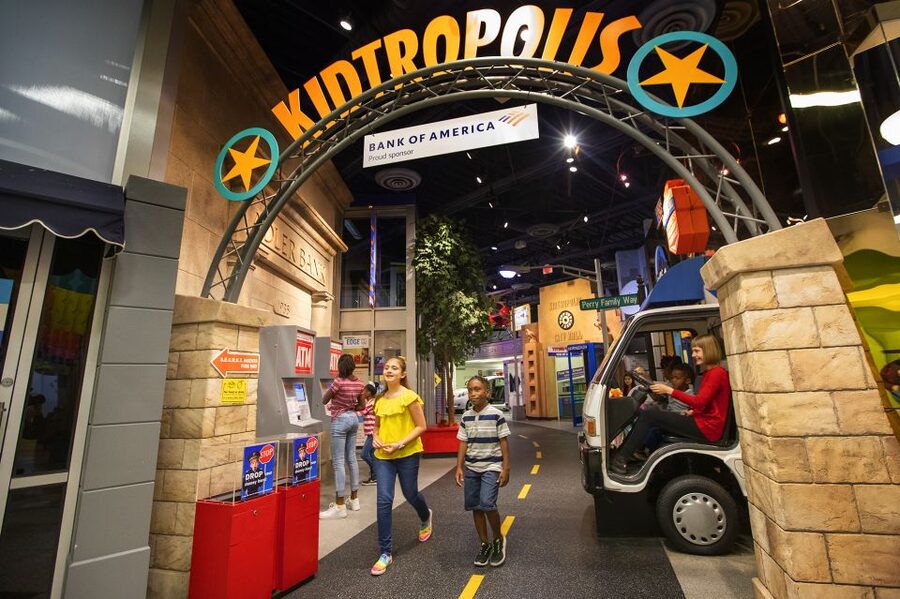
Kidtropolis, USA is a city for kids run by kids. Instead of just pretend play, it’s organized role-play where kids can choose what they want to be and then work with other kids to make things function.
This is one of those exhibits that can feel magical because kids naturally lean into social games: taking turns, learning rules, and figuring out how a system works. If your child gets excited by jobs, teamwork, or “being in charge,” this is often the anchor exhibit that makes the museum feel worth it.
Age note: this one is listed for ages 5+, so if you’re visiting with mixed ages, plan for parallel activities for the younger crew. The good news is the museum has lots of age-targeted spaces.
FlowWorks: Water Forces That Don’t Stay in a Textbook
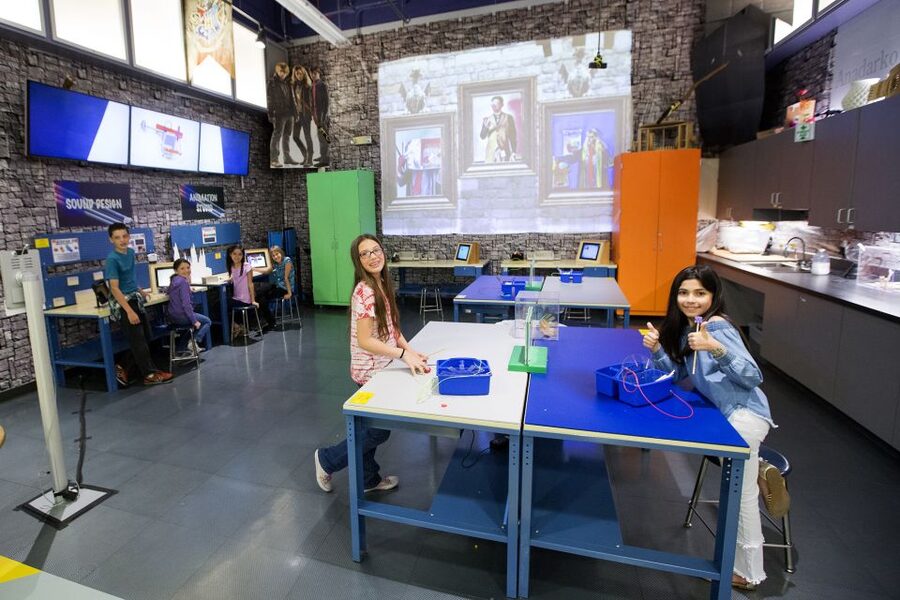
FlowWorks is the exhibit you’ll want if your kids love anything wet, splashy, or physics-y. It focuses on the forces and properties of water—including waves, rapids, vortices, and hydropower.
Even if your child doesn’t have words for it yet, this is where they learn by experimenting: push, pull, change the setting, watch what happens, then try again. Water physics is hard to explain in a boring way, and this museum makes it physical and interactive, so kids get it with their hands.
You’ll probably hear plenty of squeals here. That’s not a problem. Just bring patience and expect a little chaos. This is play that’s designed to be hands-on, not sit-and-smile.
Invention Convention and Inventor’s Workshop: Gadgets, Gizmos, and Building Time
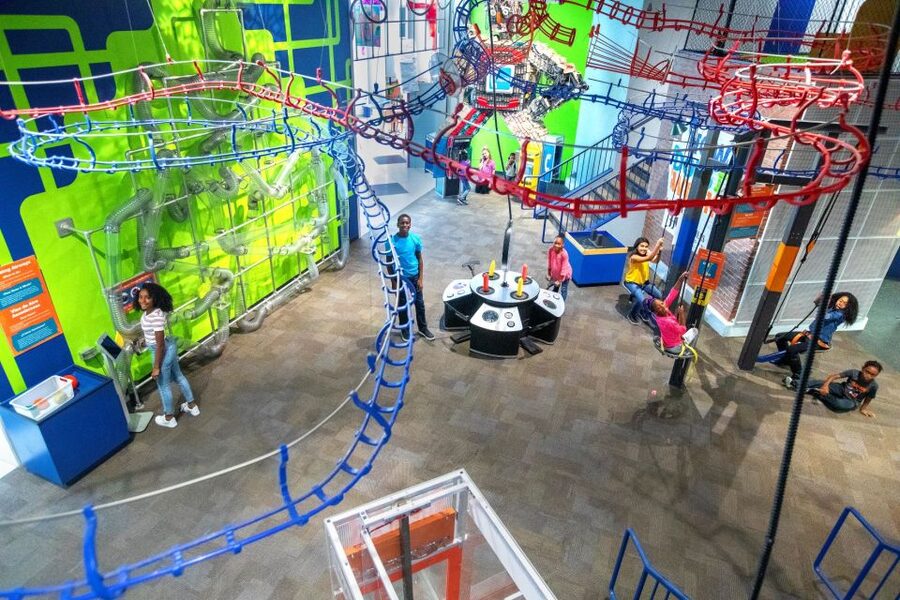
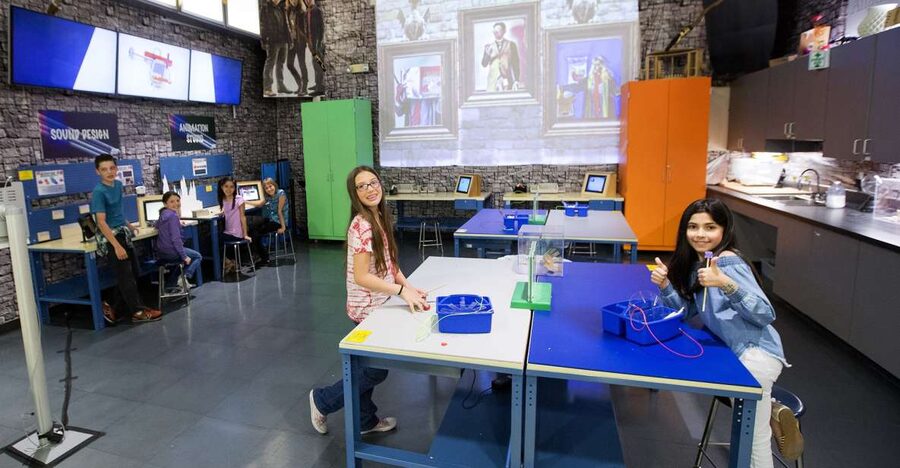
If your kid’s brain runs on create mode, you’ll have fun in Invention Convention. The whole idea is to get imagination cranking inside a workshop filled with gadgets and gizmos where kids design and build.
Closely related is Inventor’s Workshop, which leans into using imagination to create extraordinary objects and mechanisms. Put simply: it’s about making, testing, and re-making.
What makes this valuable for families is that it’s not just one-and-done. Building exhibits naturally lead to repeat attempts, and that repetition is learning. Kids build confidence fast when the rules are simple and the results are immediate.
A small planning thought: if you’re visiting multiple days within your 30-day window, you can rotate which workshop area you hit first. That helps you avoid “we already did this” burnout.
You can also read our reviews of more museum experiences in Houston


Genius Station and Cyberchase: Science Experts Plus a Math Adventure
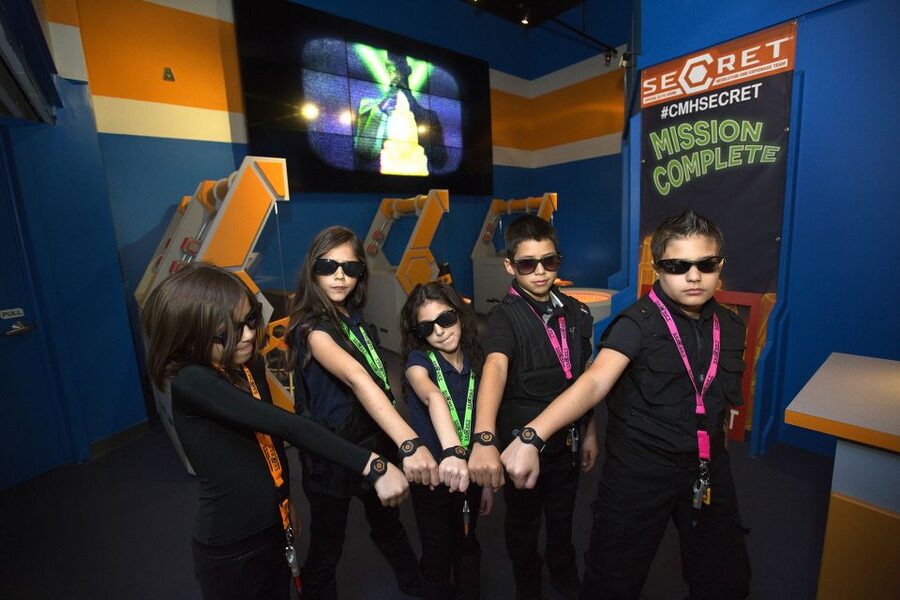
The Genius Station is one of my favorite concepts in the whole museum lineup because it treats curiosity like a real thing. Kids can discover their inner genius alongside the museum’s own science experts, who are there to answer questions.
That’s a big deal. Plenty of kid-friendly places have exhibits, but fewer offer a built-in reason to ask questions. Here, asking is part of the experience.
Another highlight for older preschoolers is Cyberchase, listed for ages 3+. It’s a math adventure where forces join with the CyberSquad in the quest to save Cyberspace. Whether your kid loves math or resists it, games framed as missions tend to lower the pressure and keep engagement high.
Other Exhibits to Prioritize by Age (From TotSpot to Maker Annex)
One reason this ticket can be a great value is the museum has lots of different entry points depending on your kids’ ages and interests. Here are some of the listed exhibits you can build a visit around:
- TotSpot (ages 0–35 months): a play space for the youngest kids. This is exactly the kind of area that keeps toddlers from feeling like museum “baggage.”
- EcoStation (ages 2+): native plant garden, solar-powered research pavilion, woodland area, and a pond habitat. It’s a nice break from the loudest hands-on zones.
- Heart and Seoul (ages 3+): South Korean culture through the lives of children in Seoul. If your family likes cultural learning, this adds variety.
- Challenge Course (ages 5+): agility, stamina, and balance with a 7-obstacle, low-rope course. Great for kids who want to test their bodies.
- How Does It Work (ages 5+): hands-on investigations around physical science concepts and how they show up in everyday life.
- Matter Factory (ages 5+): building blocks of matter, with the Periodic Table of Elements theme. Good for kids who like patterns and facts.
- PowerPlay (ages 5+): the nutrition, health, and exercise follow-up to the museum’s movement-energy theme.
- Power Science Lab (ages 8+): a hands-on chemical wet lab focused on science behind the body and the mind, plus overall health. If you’ve got an 8+ science kid, this is a must.
- Maker Annex (ages 8+): creativity with 3-D printers and laser cutters.
- Kids’ Hall (all ages): traveling art and cultural exhibits that introduce new activities weekly. This is a smart reason to come back more than once.
- Parent Resource Library (all ages): part of the Houston Public Library right at the museum, useful when you need a calm reset.
Tip: pick 2 “must-do” exhibits per child and let the rest be flexible. With this many options, a fixed schedule can backfire.
What a Visit Feels Like on the Ground
When you walk into the Children’s Museum Houston, the vibe is active. It’s not a quiet museum. Kids are moving and experimenting, and staff are there to help keep it safe and understandable.
You’ll likely find that adults enjoy it too, which makes sense. The best exhibits here don’t require a science degree; they require willingness to try. One family highlight you should take seriously: grandparents and mixed-age groups often find plenty to do without turning the day into a constant negotiation.
Also, exhibits change over time, so returning can still feel fresh. That’s useful if you’re local and want a repeat outing, or if you’re in town for a bit and want a plan that won’t bore the kids fast.
Timing and Pacing: How to Avoid Museum Burnout

The museum is built for longer attention than you might expect, but you still need pacing. With multiple high-energy zones, the most common problem isn’t lack of fun—it’s overstimulation.
Here’s how I’d plan it:
- Start with the big draw (like PowerTower or FlowWorks) when energy is highest.
- Use one calmer zone as a reset (EcoStation or Kids’ Hall can work well).
- End with a building or invention activity (Invention Convention, Inventor’s Workshop, or another hands-on maker space), so kids leave with a sense of accomplishment.
If you’re visiting with younger toddlers, prioritize TotSpot early. The youngest kids have shorter attention spans, and this helps everyone transition into the bigger exhibits later, when they’re ready.
Price and Value: $20 Ticket, Then the Real-Life Extras
At $20 per person, the ticket itself is pretty straightforward. The tricky part is that a great museum day can easily become an expensive outing once you add things that are not included.
The tour listing says food and drinks are not included, and transportation isn’t included either. In one shared experience, a family felt the overall day cost was high once parking and meals were added. That tracks with how these outings usually work.
Here’s how you keep value on your side:
- Pack snacks if you’re allowed to eat outside the museum areas you’ll use (your plan depends on what the museum allows on the day).
- If you’re driving, factor in parking so you don’t get surprised.
- If you have multiple kids, consider which exhibits truly match their ages. This avoids spending time in zones that your child can’t fully enjoy yet.
The bright side: the museum’s design rewards repeat visits. If your kids love the hands-on style, you’re not paying for a one-hour stop. You’re paying for a day (or more than a day) of experimentation across many themes.
Included vs Not Included: What Your Ticket Really Covers
Your entry ticket includes general entry to museum exhibits and events, unless otherwise specified. In other words, you’re not paying separately for each gallery you can access.
Not included:
- SECRET Spy Game exhibit
- Transportation
- Food and drinks
That’s important because you might see extra ticketed attractions or special programs on-site. If you’re aiming to keep costs steady, plan around the general galleries and treat any extra exhibit as optional.
Who This Is Best For (And Who Might Want a Different Plan)
This ticket works best when your child enjoys active, hands-on play. It’s ideal for:
- families with multiple kids across ages 0 to 8+ (because the museum has age-targeted zones)
- kids who like climbing, building, experimenting, and water-play
- grandparents or mixed-age groups who want one place where everyone can find something
- repeat visitors who want changing exhibits, like Kids’ Hall
Consider a different plan if:
- you’re looking for a calm, sit-and-watch experience
- your group can’t manage active play (this museum is designed for movement)
- you’re only bringing adults, because adults must be accompanied by children to enter
Should You Book This Children’s Museum Houston Ticket?
I’d book it if your group includes kids who learn best by doing. The combination of PowerTower, Kidtropolis, FlowWorks, and the building-and-idea exhibits hits the sweet spot for a wide range of personalities. It’s also a solid value when you spread your time across many galleries, not just one or two.
I wouldn’t book it if you’re trying to keep the day strictly low-cost. The $20 ticket is reasonable, but once you add parking, snacks or meals, and maybe special extras, it can creep up fast. For families who plan the budget early, it still feels like a fun, meaningful day.
If you want one clear strategy: choose two big “anchor” exhibits per child and let the rest be guided by energy. That approach keeps the museum fun instead of turning it into a checklist.
FAQ
How much is the Houston Children’s Museum entry ticket?
The price listed is $20 per person.
Where do we go to enter?
Bring your confirmation voucher to Children’s Museum Houston to start.
How long is the ticket valid?
The ticket is valid for 30 days, and you can check availability to see starting times.
Does the ticket include museum exhibits and events?
Yes. It includes access to museum exhibits and events unless otherwise specified.
What is not included with the ticket?
The listing says the SECRET Spy Game exhibit is not included. Also not included are transportation, food, and drinks.
Are adults allowed to enter without children?
No. Adults must be accompanied by children in order to enter.
Is the museum wheelchair accessible?
Yes, the activity is listed as wheelchair accessible.
Where does the activity end?
It ends back at the meeting point (the Children’s Museum Houston entrance area).
Is there a cancellation option?
Yes. Free cancellation is available up to 24 hours in advance for a full refund.
Can I reserve and pay later?
Yes. The option listed is Reserve now & pay later.