REVIEW · KOBLENZ
Koblenz: Sektmuseum Histor. Kelllergewölbe incl. 1 Glas Sekt
Book on GetYourGuide →Operated by Koblenzer Sektmuseum GbR · Bookable on GetYourGuide
Underground bubbly stories beat most museum hours. In Koblenz, this Sektmuseum visit sends you into the former sparkling-wine cellars of Deinhard and tells you how the road from grape to Sekt works. I especially like the candlelit charm and the way the guide makes old equipment feel practical, not dusty.
What I liked next: you get a real production focus. You’ll learn the steps behind sparkling wine and the mysterious origin of Sekt, then you end with a glass—so the facts land while you can still taste the payoff.
One watch-out: the museum experience can feel a bit “easy to miss” at the start if the guide isn’t obvious when you arrive. Also, based on a note tied to one booking, there may be a mismatch between what the museum narrative suggests about production timing and what some people read as the site’s later role as a museum rather than an active producer.
In This Review
- Key things that make this tour worth your time
- Where you go: Deinhard’s former Sekt caves in Koblenz
- First stop: stepping into the “how it’s made” world
- The big theme: the journey from grape to Sekt
- Candlelit cellars and original equipment you can actually picture
- The Deinhard story: tradition, then the museum framing
- The guide factor: what makes the hour feel special
- What “ends with a glass of sparkling wine” really means
- Duration and pacing: one hour that stays focused
- Price and value: is $24 fair for a one-hour cellar tour?
- Who should book this tour (and who might skip it)
- Practical advice so you get the most out of it
- Should you book Koblenz Sektmuseum Histor. Kelllergewölbe?
- FAQ
- FAQ
- How long is the Koblenz Sektmuseum tour?
- What’s included in the ticket price?
- Where do I meet the group?
- Is there an elevator to reach the cellar areas?
- What language is the tour guide?
- Is the tour suitable for bad weather?
- What do I learn during the tour?
- Does the tour end with a drink?
Key things that make this tour worth your time
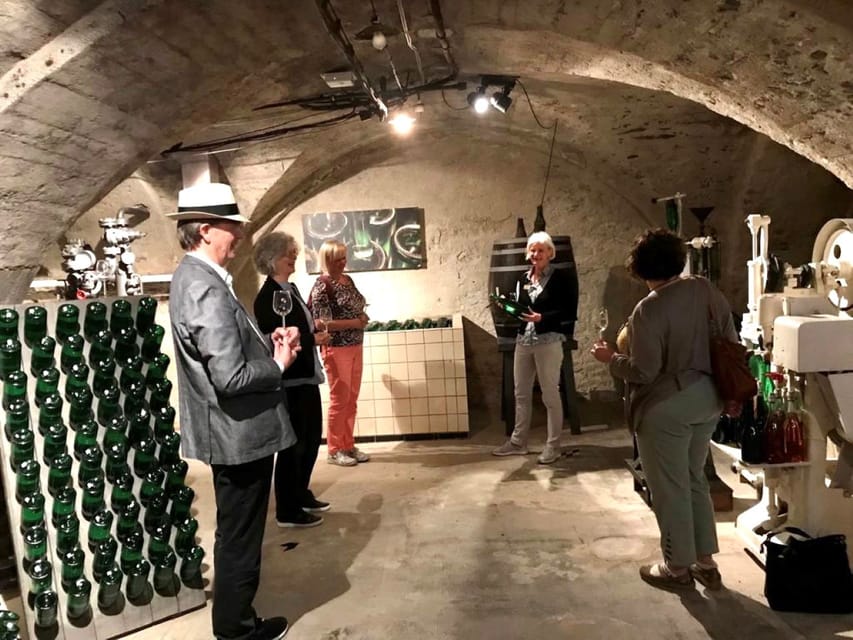
- Old Deinhard sparkling-wine cellars: you ride down into the former production depths, with an elevator if needed
- Grape-to-bottle storytelling: you’ll connect winegrowing steps to how sparkling wine becomes sparkling
- Candlelight atmosphere: it feels like a time capsule, not a lecture hall
- Hands-on, original equipment focus: you see period tools rather than just pictures
- Ends with a glass of Sekt: the tour’s “aha” moment happens right at the finish
- Guide personality matters: one guide named Michaela is specifically praised for charm, humor, and knowledge
Where you go: Deinhard’s former Sekt caves in Koblenz
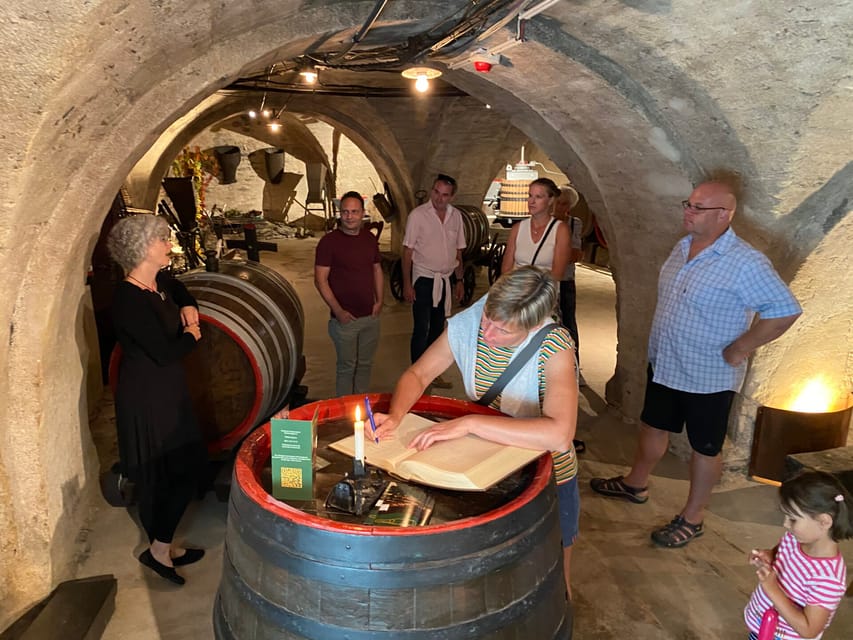
Koblenz is a classic base for exploring the Middle Rhine area, and this tour gives you something different from riverside walking. The experience takes place in former sparkling wine cellars connected to the Deinhard company, which traces back to 1794. You’re not just looking at a display. You’re going into the space where the work used to happen.
The tour duration is about one hour, which is perfect when the weather is bad or when you want a low-stress activity between bigger plans. It’s also set up to work in less ideal conditions because it’s indoors, underground, and designed for sightseeing in cooler, candlelit mood.
First stop: stepping into the “how it’s made” world
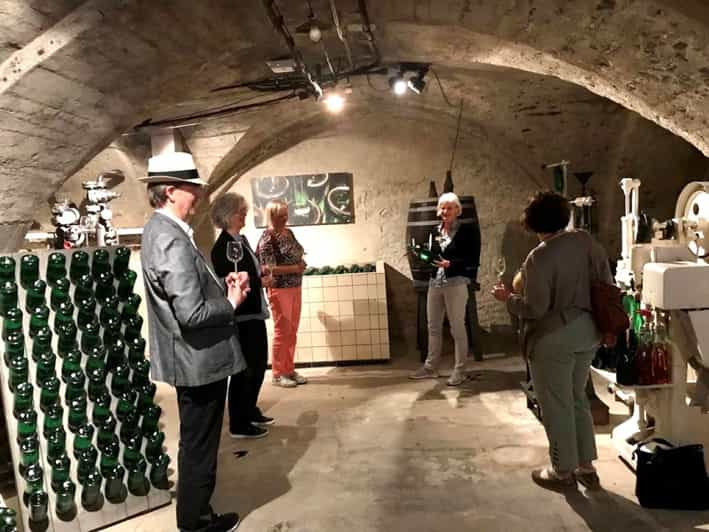
You meet at the entrance, then you’re guided into the cellar spaces. The key idea here is that you’re learning the process of sparkling wine production in an actual cellar setting, not in a classroom. That matters because the space itself helps you understand why certain steps exist: storage, timing, temperature, and the long rhythm of sparkling-wine aging.
You’ll also have the option of using an elevator. That’s a small detail, but it’s the difference between a smooth visit and a stressful one if you don’t want stairs in a deep, underground setting.
The big theme: the journey from grape to Sekt
One of the strongest parts of this tour is that it doesn’t treat Sekt like a mysterious beverage you either like or don’t. Instead, you get the path from grapes to wine, and then the steps that lead specifically to sparkling wine.
In plain terms, you’re being walked through the chain of decisions and processes that turn grapes into still wine, then into the sparkling style. The tour also includes the origins of sparkling wine, which gives you context for why the method exists and how tradition shaped the end result you’ll drink at the end.
This is the kind of explanation that’s useful even if you’re not a wine expert. It gives you a mental map. Later, when you see terms on a label or hear people talk about traditional methods, you’ll understand what they’re pointing to.
Candlelit cellars and original equipment you can actually picture
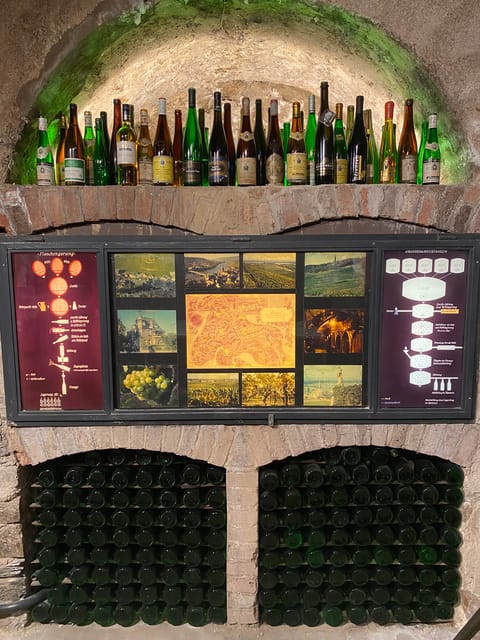
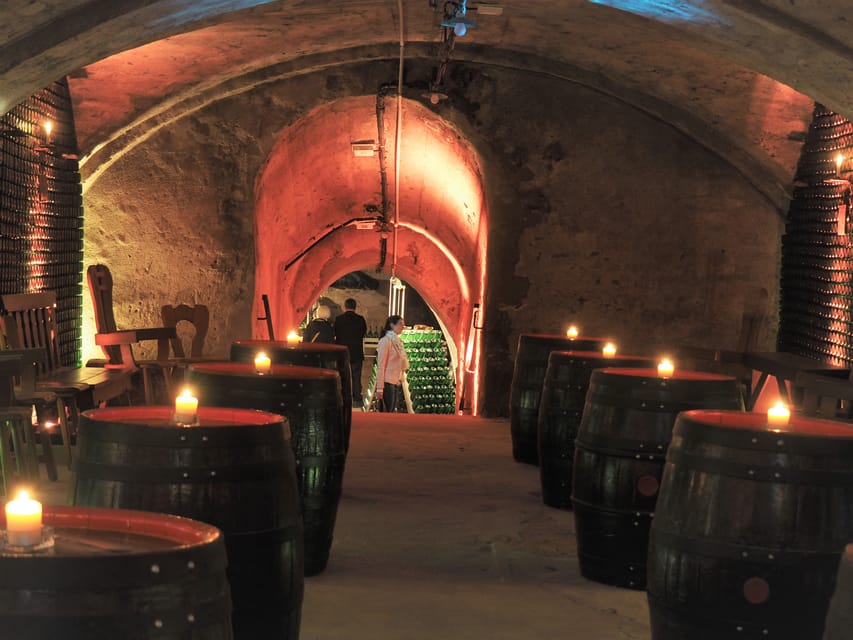
The tour leans hard into atmosphere. You’ll experience the old vaulted cellar spaces with a candlelit feel, and the whole thing is built to make you slow down and notice details. That’s not just for atmosphere points. It helps you visualize how people worked when this was active production space.
You’ll also be shown original equipment. That’s a big deal for anyone who’s tired of tours that rely only on panels and glass cases. Original tools and cellar setups give your brain something concrete to attach the explanation to.
And yes, it’s also a treat for your senses. Several mentions highlight the experience as a pleasure for eyes and ears and taste, which tracks with how the tour is designed: you learn, you look, then you finish with a drink that makes the story feel complete.
The Deinhard story: tradition, then the museum framing
Deinhard is part of the setup, and the tour narrative connects the company’s long timeline to sparkling-wine making. The information provided for the experience states that since 1843 sparkling wine has been produced using the traditional bottle fermentation method.
Here’s the balanced bit you should know before you set your expectations: one booking note points out that production on-site may not match that timeframe the way the description reads, suggesting the location functions as a museum in the cellars rather than continuing active production the way a working winery would.
What that means for you: treat this as a guided museum experience focused on learning and atmosphere. You’ll still get the process explained and see the equipment, but you’ll get more value if you’re there for the storytelling and the cellar context, not for proof that this is an active bottling line running today.
The guide factor: what makes the hour feel special
A tour like this lives or dies by the guide’s ability to make technical steps feel human. This is where you’ll see strong praise in the feedback. One guide named Michaela is specifically called out for charm, humor, and knowledge, and that combination seems to be what turns the hour into something people want to recommend.
If you’re the type who likes your tours with personality—clear explanations, a few laughs, and a guide who seems genuinely engaged—this is a good fit. The good news: even when you’re there mainly for the cellar atmosphere, you won’t feel like you’re wandering alone through dark rooms. You’ll have a live guide pulling the threads together.
What “ends with a glass of sparkling wine” really means
The tour ends with a glass of sparkling wine. That part is included, and it’s the payoff for the whole process story. The idea isn’t just to hand you a drink. It’s to let you connect what you just learned—especially the steps that create the sparkling character—with what’s in your glass.
If you like food-and-drink pairing logic, this works well: you get education first, then taste. If you’re only a casual wine drinker, it’s still satisfying because you don’t leave empty-handed or empty-stomached.
Also, it’s included in the price, so you’re not hunting for an extra purchase to make your ticket feel “worth it.”
Duration and pacing: one hour that stays focused
One hour is short enough that you won’t get bored, but long enough to cover more than just a single hallway of exhibits. The pacing feels built for understanding: you go in, you learn the story of production and origins, you look at equipment and cellar spaces, and then you finish with Sekt.
This kind of pacing is also great for travelers who don’t want to spend half a day in a museum setting. It fits well into an itinerary where you might also want time above ground for Koblenz streets and river views. (If you’re visiting in rainy weather, this indoor hour is especially helpful.)
Price and value: is $24 fair for a one-hour cellar tour?
At about $24 per person for entrance, a guided hour, and one glass of sparkling wine, the value depends on what you want most.
If you mainly want a nice cellar atmosphere and a drink, you’re getting that. If you want an explanation of how Sekt is made, you’re getting that too. And because the tour ends with the glass, you don’t have to guess whether the educational part will feel disconnected from the tasting part.
Is it expensive? One booking note says it felt a little pricey. That’s fair to consider if you’re cost-sensitive or if you prefer self-guided museums. But if you enjoy guided storytelling and want the cellar setting plus included tasting, $24 can feel pretty reasonable for a single, well-structured hour.
Who should book this tour (and who might skip it)
This tour suits you if you want:
- A one-hour indoor plan that works when it rains
- A guide-led explanation of sparkling-wine production steps
- A cellar atmosphere that feels theatrical but grounded
- A guided “learn, then taste” format
Skip or consider alternatives if:
- You dislike guided tours that include some museum-story framing rather than modern active production
- You want the cheapest option in Koblenz (this is a paid, curated experience)
- You need a super-obvious meeting setup and hate start-of-tour confusion
Practical advice so you get the most out of it
First, arrive a few minutes early and look for the meeting point at the entrance. Some feedback mentions an orientation hiccup at the start when the guide wasn’t easy to spot, so giving yourself a buffer helps.
Second, if you care about production accuracy (especially around years and whether production still happens on-site), treat the tour as historical explanation inside a museum setting. You’ll still come away with a clear understanding of the steps behind sparkling wine and why tradition matters.
Third, go into the tasting moment ready to pay attention. The last glass isn’t just a reward. It’s part of the lesson.
Should you book Koblenz Sektmuseum Histor. Kelllergewölbe?
I’d book it if you like guided craft explanations and you enjoy historic industrial spaces. The candlelit cellar setting, the original-equipment feel, and the way the tour ends with a glass make it a complete package for one hour. The strong praise for guides—especially Michaela—also suggests that the experience quality often comes down to a lively, engaging explanation, which is exactly what you want in a tour about production details.
I’d hesitate only if you’re very sensitive to value for money or you want certainty that the site is an active production facility today. If your goal is learning how Sekt is made and why it became what it is, this tour fits nicely.
FAQ
FAQ
How long is the Koblenz Sektmuseum tour?
It lasts about 1 hour, including the guided walk through the cellar spaces and the end with a glass of sparkling wine.
What’s included in the ticket price?
Your ticket includes entrance fees, a guided tour, and 1 glass of sparkling wine.
Where do I meet the group?
You meet at the entrance.
Is there an elevator to reach the cellar areas?
Yes, an elevator is available.
What language is the tour guide?
The live tour guide speaks German.
Is the tour suitable for bad weather?
Yes. Since it takes place in the cellars and is indoors, it’s a good option for hot or rainy days.
What do I learn during the tour?
You learn about the path of the grape to Sekt, the history of the house, and the steps involved in winegrowing and sparkling-wine origins.
Does the tour end with a drink?
Yes. The adventure tour ends with a glass of sparkling wine.