REVIEW · L ESCALA
L’Escala: SOLÉS Anchovy Factory-Museum Admission and Tasting
Book on GetYourGuide →Operated by Comercial | TRCK · Bookable on GetYourGuide
SÓLES Anchovies turns an old salting building into a clear, fun food stop. You’ll walk through the factory’s museum (opened to mark SOLÉS’ 130th anniversary) and follow a 7-language audio guide that explains how anchovies are made today.
What I like most: the experience has real context (it covers five generations of anchovy masters) and the visit ends with an included bite from the product lineup. One thing to consider: the museum visitable area is not huge, so if you’re expecting a big multi-room production center, this is more of a focused, short stop than an all-day deep museum.
In This Review
- Key points to know before you go
- Entering a Real Anchovy Factory-Museum in L’Escala
- How the 7-Language Audio Guide Makes the Process Make Sense
- The Museum’s Interactive Setup: Short, Focused, and Hands-On
- Five Generations of Anchovy Masters: The Human Side of the Craft
- SOLÉS Chill-Out Terrace Tasting: Included, Small, and Worth Planning For
- The On-Site Shop and Sale: Turning Curiosity Into a Real Purchase
- Finding the Place and Making This Fit a Day in Catalonia
- Who Should Book This Factory-Museum (and Who Might Not Love It)
- Should You Book L’Escala SOLÉS Anchovy Factory-Museum?
- FAQ
- How much does the SOLÉS Anchovy Factory-Museum admission cost?
- How long is the experience?
- What’s included with the ticket?
- Where exactly is the meeting point?
- What languages are available for the audio guide?
- Is the tasting included, and where is it served?
- Are children allowed to visit?
- Is the factory-museum wheelchair accessible?
- Can I cancel and get a refund?
- Do I need to pay immediately when booking?
Key points to know before you go
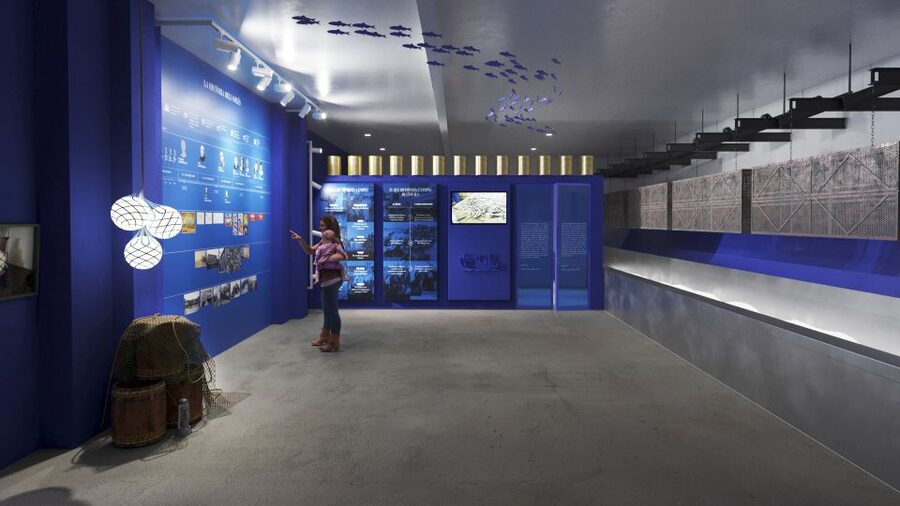
- Oldest salting-factory building in L’Escala: You’re touring a working-food heritage space, not just a room of pictures.
- Audio guides in 7 languages: Catalan, Spanish, English, German, Italian, French, and Dutch.
- Five generations of anchovy masters: The story is tied to the people who kept the craft going.
- Interactive production explanation: You’ll see stages of the anchovy elaboration process explained by audio.
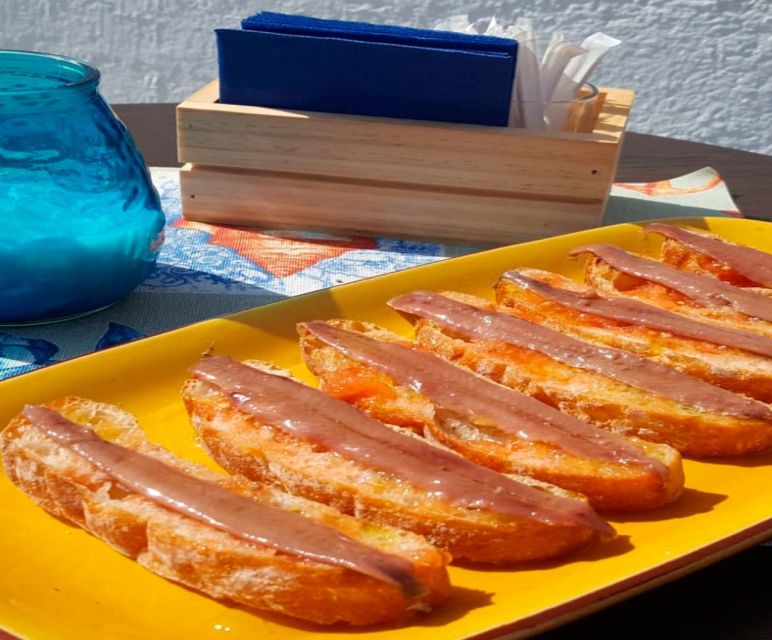
- SOLÉS chill-out terrace tasting included: A small sample is part of the ticket.
- Shop and sale on site: If you’re tempted, you can buy directly after the visit.
Entering a Real Anchovy Factory-Museum in L’Escala
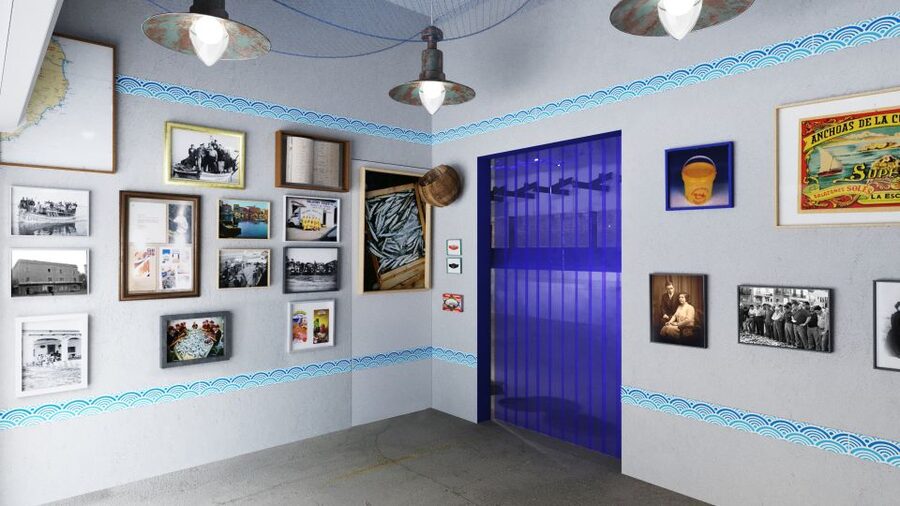
L’Escala is one of those Catalan places where the food culture doesn’t feel like a theme. It feels like a working rhythm. That’s why the SÓLES Factory-Museum hits. You’re in the village’s oldest salting-factory building, and it’s been adapted for the 21st century without losing the older “this is how we do it” vibe.
The museum is specifically designed to celebrate the company’s 130th anniversary, so you’re not only looking at objects. You’re getting the arc: where the craft came from, how it evolved, and what SÓLES makes now. And because the experience is set inside the factory environment, the story lands better than if it were moved into a generic museum space.
One practical point: your ticket is priced so you can fit it into a day without wrecking your schedule. At $8 per person for a ~1-day activity (you’ll see specific start times when you check availability), it works well as a “food history plus a snack” stop.
How the 7-Language Audio Guide Makes the Process Make Sense
The star tool here is the audio guide, available in seven languages. That matters more than it sounds. Anchovy production can be hard to follow when you only have signage. Here, you listen to an explanation that matches what you’re looking at inside the museum area.
Expect the audio to walk you through how L’Escala anchovies are currently made, and how the stages of the different gastronomic elaborations connect to the final products. In other words, it’s not just “history talk.” It’s the process story, with narration doing the heavy lifting so you don’t feel lost.
You’ll likely spend most of the visit moving through the museum spaces while the audio guide prompts you to interpret what you see: the timeline of the company, how methods are presented today, and where the craft shifts into the finished foods you’ll taste at the end. If you like food museums, you’ll appreciate that this one is designed to be understandable for all ages and backgrounds.
The Museum’s Interactive Setup: Short, Focused, and Hands-On
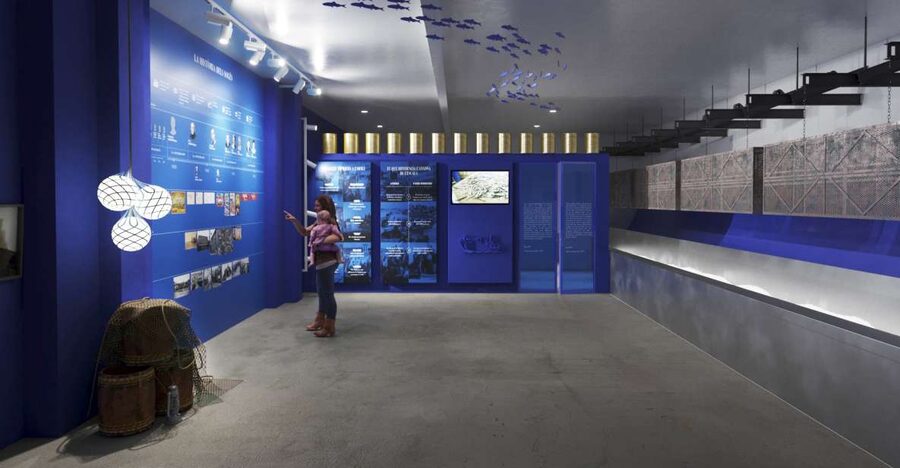
This museum doesn’t try to overwhelm you. It’s built around the idea of an interactive visit where you can grasp stages of production without needing a degree in seafood science.
Inside the factory-museum area, you’ll find the company’s history alongside explanations of the production steps. The design is meant to show you “all the stages” for the different elaborations offered by SÓLES, not just one vague overview. It’s also built to serve a wide public, including kids (with the rule that children under 10 must be accompanied by an adult, so plan on that in advance).
If you’re picturing walls of dense text, you’ll probably be pleasantly surprised. The structure leans on the audio guide and visual aids, which keeps things moving. It’s a good format when you’re traveling with a mix of ages, or when you want your food knowledge to come with less reading.
Still, here’s the balance point: the museum portion is a visitable area within an older factory building, so it can feel compact compared with big standalone museums. If you love long exhibitions with lots of depth, you may want to pair this stop with a wander around town afterward—so you don’t feel like you “waited for the museum to get going.”
Five Generations of Anchovy Masters: The Human Side of the Craft
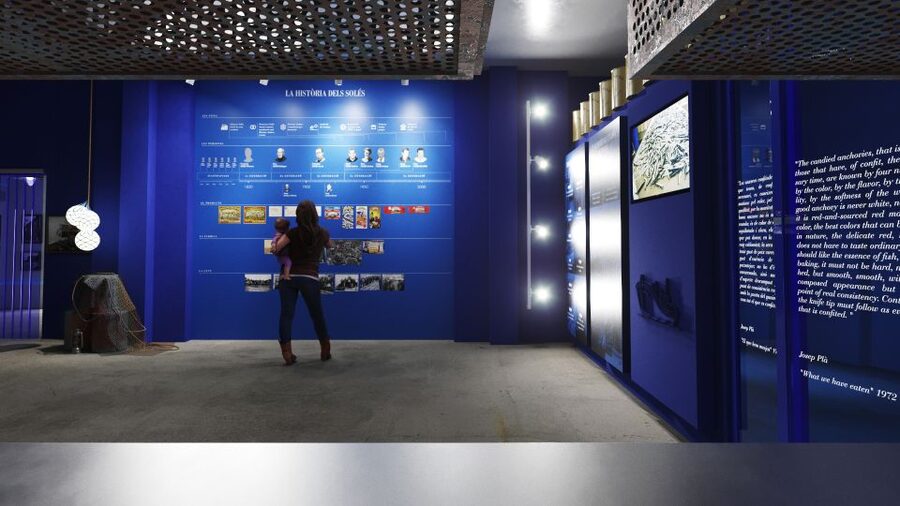
The SÓLES story is tied to people, not only products. One of the highlights is the history of five generations of anchovy masters. That is the kind of detail that makes a food museum feel real.
Instead of treating anchovy making like a factory process with no emotions, the museum frames it as craftsmanship passed down. You can expect the audio guide and displays to connect the brand’s growth and endurance to those generations—what survived, what changed, and what stayed essential.
That’s also why the “tradition” theme doesn’t feel like a slogan here. In a place like L’Escala, tradition isn’t an aesthetic. It’s how a coastal community survives and adapts. You’ll feel that when the museum focuses on continuity and the practical choices of making anchovies.
If you’re a curious eater (the type who wants to understand what you’re buying), this human angle pays off. It gives you a better reason to care about the product differences you’ll see in the shop at the end.
SOLÉS Chill-Out Terrace Tasting: Included, Small, and Worth Planning For
Your ticket includes a tasting of SÓLES products, served outside in the new SOLÉS chill-out terrace near the factory. This is the part that tends to make the visit feel complete.
At a basic level, you’re getting a sample right after learning the process, which is the ideal sequence. Your brain connects what you heard with what you taste. You’ll also get a quick look at what SÓLES offers—useful if you’re shopping afterward.
That said, here’s how to set expectations based on the reality of a small factory-museum tasting: don’t expect an elaborate plated meal. It’s more like a curated taste of the product range. Some people end up loving how clear the tasting is; others judge it by what they received in that moment. So go in knowing it’s meant to be a sample, not dinner.
If your goal is to stock up, do it strategically. After the tasting, check the shop for what you liked most. Buy what fits your taste and how you’ll actually serve it. (Anchovies are one of those foods where the best souvenir is the one you’ll open at home.)
The On-Site Shop and Sale: Turning Curiosity Into a Real Purchase
The museum experience includes an anchovy shop and sale, so you’re not forced to guess what to buy. This matters because anchovy products can vary a lot, and your tasting helps you narrow down what you enjoy.
I’d treat the shop like the “homework review” of the visit. You learn the process, you taste the result, then you choose what you want to take away. If you’re into gift shopping, this can also be an easy option—anchovy-related products make a very specific, place-based souvenir.
Tip: if you like salty intensity, keep an eye on how products are presented and how they’re described in the shop. If your taste is more gentle, focus on what feels milder in the tasting rather than what looks most traditional.
Finding the Place and Making This Fit a Day in Catalonia
Logistics here are refreshingly simple. Your meeting point is easy to spot: look for the white house with a painted-on ANXOVES SOLÉS sign.
Because the activity is listed as valid 1 day and you’ll see starting times based on availability, you can usually slot it between other L’Escala moments—morning walks, lunch, or afternoon browsing. Since the museum is a short, focused visit, I recommend treating it as a “first half” or “late-morning” activity, then giving yourself time afterward for the town and food.
Timing-wise, aim to arrive with a little cushion. Audio-guided experiences move at the pace of your attention. If you rush, you miss the payoff. If you take your time, you get the full story and a tasting that actually makes sense.
Also keep in mind that the building is designed for wheelchair access, and the factory is adapted for people with reduced mobility. If you need that, you’ll likely find the layout more convenient than older, fully historical buildings that haven’t been updated.
Who Should Book This Factory-Museum (and Who Might Not Love It)
This is a great choice if you like food history that connects directly to what you eat. It’s also ideal if you:
- Want a short, meaningful activity in L’Escala without committing your whole day
- Prefer an audio guide over reading-heavy museum signage
- Love hands-on learning about how a regional specialty is made
- Want an easy souvenir route via the on-site shop and sale
You might hesitate if:
- You’re expecting a large, multi-hour museum experience with lots of rooms and deep technical detail
- You’re mainly there for a big tasting event (this is included, but it’s still a tasting sample)
The overall value is strong because for the price you get both context and product. That combination is what makes these stops useful rather than just “something to do.”
Should You Book L’Escala SOLÉS Anchovy Factory-Museum?
If you’re in L’Escala and you enjoy understanding local food, I think this is an easy yes. For $8, you get an audio-guided museum in a real old salting factory building, plus a tasting in a terrace setting right after the learning. It’s the kind of stop that makes your purchases at home feel more intentional.
Just adjust expectations: this is focused and efficient, not a massive, all-day exhibition. If that fits your style, you’ll likely leave with both new appreciation and something tasty to bring along.
FAQ
How much does the SOLÉS Anchovy Factory-Museum admission cost?
The admission price is listed as $8 per person.
How long is the experience?
It’s listed as lasting 1 day, with available starting times depending on availability.
What’s included with the ticket?
Your ticket includes entrance to the museum and a tasting of SOLÉS products.
Where exactly is the meeting point?
Look for the white house with a painted-on ANXOVES SOLÉS sign.
What languages are available for the audio guide?
Audio guides are available in Catalan, Spanish, English, German, Italian, French, and Dutch.
Is the tasting included, and where is it served?
Yes. The museum price includes a small tasting of SOLÉS products on the SOLÉS chill-out terrace outside the factory.
Are children allowed to visit?
Yes, but children under 10 must be accompanied by an adult.
Is the factory-museum wheelchair accessible?
Yes. The building is adapted for people with reduced mobility and is wheelchair accessible.
Can I cancel and get a refund?
You can cancel up to 24 hours in advance for a full refund.
Do I need to pay immediately when booking?
You can reserve now and pay later, meaning you pay nothing today when booking.