REVIEW · VENICE
Murano: Glass Museum Entry Ticket
Book on GetYourGuide →Operated by Venezia Unica by Vela Spa · Bookable on GetYourGuide
A day on Murano can feel like stepping into the source. With this Glass Museum entry ticket, you get an easy, self-paced way to see an impressive slice of Venetian glassmaking—from older traditions to famous masterpieces—without needing a live guide. I especially like the chronological setup, because it helps you connect styles and techniques as you move through the rooms. I also like that the museum focuses on what you probably came for: Murano glass jewelry and how glassblowing became such a big Venetian craft.
One thing to think about: this ticket is self-guided (no live guide included), so if you want someone to explain every technique in real time, you may feel a bit on your own. Also, your visit timing can matter because the ticket is valid for 1 day and you’ll want to confirm the museum opening dates and times ahead of going.
In This Review
- Key Points at a Glance
- Murano Glass Museum Entry: What This Ticket Really Covers
- Getting There: Venice to Murano Without Overthinking It
- Inside the Museum: The Chronological Walk That Makes It Click
- What You’ll See: Glass Blowing Secrets and Real Craft
- 17th-Century Focus: Why That Time Period Matters
- How Long It Takes: A 1-Day Plan That Can Feel Flexible
- Price and Value: Is $11 a Good Deal
- Practical Planning Tips That Make the Difference
- Who This Murano Glass Museum Ticket Suits Best
- Should You Book This Ticket?
- FAQ
- How much is the Murano Glass Museum entry ticket?
- Is this a guided tour?
- Where is the museum located?
- How long is the experience?
- What’s included with the ticket?
- Is the ticket refundable?
- Is the museum wheelchair accessible?
- Are there extra fees for visiting Venice during certain dates?
Key Points at a Glance
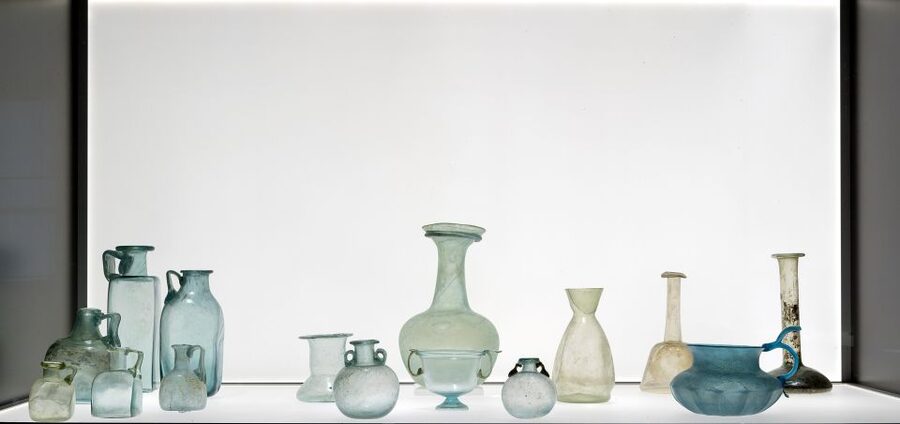
- Extensive Murano Glass Collection: The museum is described as the largest historical collection of Murano glass in the world.
- Chronological history you can follow: You can retrace the story of Murano glass art as you walk.
- You’ll see 17th-century glasswork: That older period is a major part of what’s on display.
- Self-paced visit: You can go at your own speed through glass objects and jewelry.
- Optional transport ticket: Choose the option that includes a 1-day public transport ticket if you want it.
Murano Glass Museum Entry: What This Ticket Really Covers
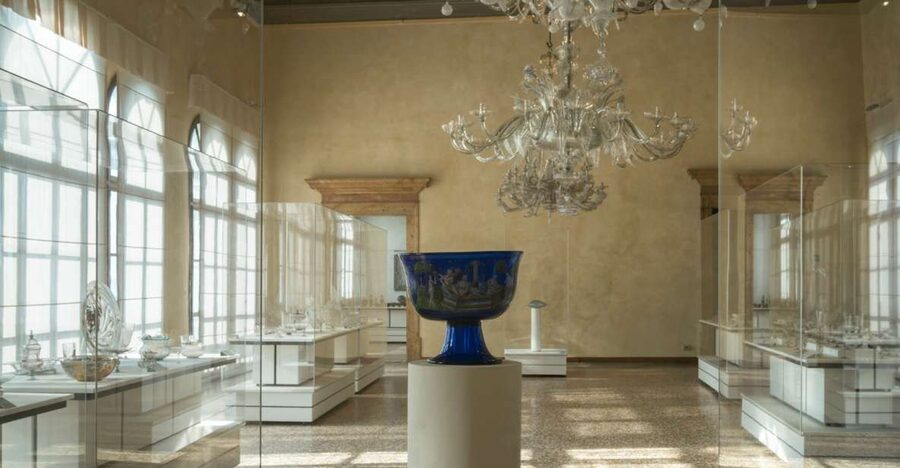
This is a straightforward entry ticket to the Glass Museum on the island of Murano, in Venice’s orbit. The price is listed as $11 per person, and that’s a big part of the appeal: you’re paying for the museum experience itself, not for a big escorted day. Since the visit is designed to be at your own pace, you control how much time you want to give to the display.
The museum is positioned as the largest historical collection of Murano glass in the world. That claim matters because it signals what you’ll see once you’re inside: multiple eras of glassmaking, not just a single highlight gallery. If you enjoy Murano glass jewelry, figurines, ornaments, or even just the look of colored glass, this kind of setup usually delivers more than you expect from a small “stop.”
A key detail: no live guide is included. The museum experience is built around the exhibits and your ability to explore. That’s great for travelers who like to wander and compare pieces up close. It’s less great if you prefer constant interpretation to keep things focused.
A few more Venice tours and experiences worth a look



Getting There: Venice to Murano Without Overthinking It
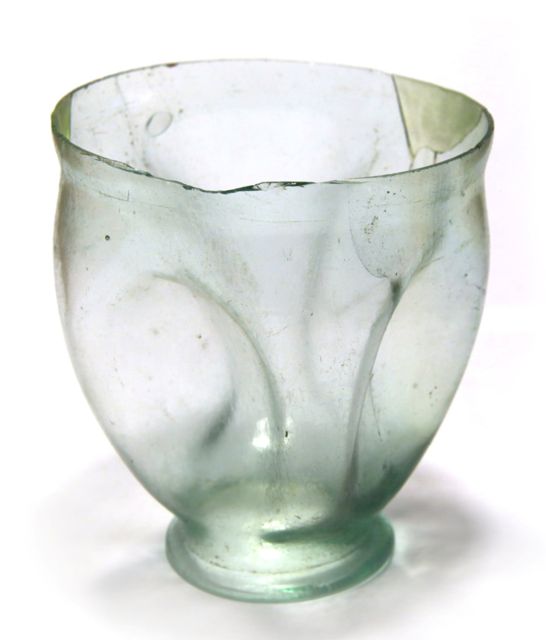
This experience is on Murano island, so you’ll need to plan transit from Venice. What you’re getting here is optional: the activity can include a 1-day public transport ticket if you select that option. If you already know your plan for ferries or buses, you can decide whether you want the extra included transport or whether it’s better value to handle transit separately.
Practical tip: because this ticket is valid for 1 day and you should check starting times availability, I’d treat your transit like part of your museum plan. Don’t schedule your arrival too close to your assumed entry time. Murano is easy to reach, but travel delays happen, and you don’t want to rush your way through a glass museum.
Also note the general Venice timing issue: on certain dates between 18 April 2025 and 27 July 2025, visitors to Venice may need to pay an Access Fee to the City of Venice (with specific exemptions). The instruction is clear: check cda.ve.it for the rules and how to pay, especially if you’re hoping to qualify for any exemption.
Inside the Museum: The Chronological Walk That Makes It Click
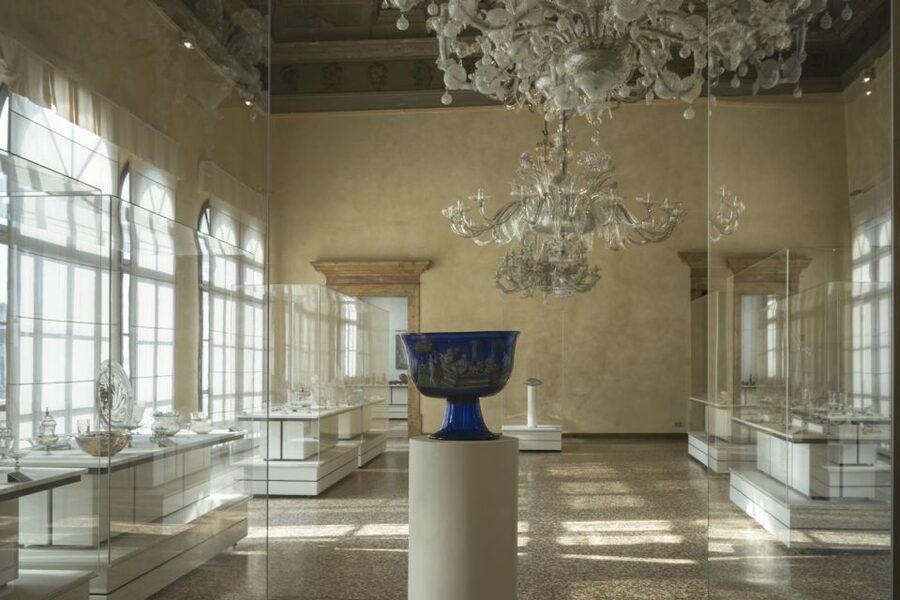
The museum is built for understanding. The displays are chronologically ordered, which is exactly what helps when you’re trying to see how Murano glass art evolved instead of only admiring pretty objects. I like this approach because your eyes start to learn patterns: shapes, colors, decorative methods, and how tastes changed over time.
As you move through, you’ll be retracing the history of Murano glass art. That doesn’t mean you’ll be forced into a classroom experience. It means the “why” behind the objects is easier to grasp as you go: you can look at an older style and then spot how later craftsmanship changes the look.
The museum also includes an emphasis on 17th-century glasswork. For many visitors, that period is when the craftsmanship and artistic ambition really start to feel distinct. If you’re a detail person, you’ll likely enjoy slowing down here and scanning how pieces are decorated and how the glass is finished.
And since the visit is self-paced, you can spend extra time on the pieces that pull you in—especially if Murano glass jewelry is your main interest. If jewelry is what you came for, don’t let yourself get stuck only in the biggest, loudest displays. Some of the most impressive work is in smaller objects where you can see the refinement.
What You’ll See: Glass Blowing Secrets and Real Craft
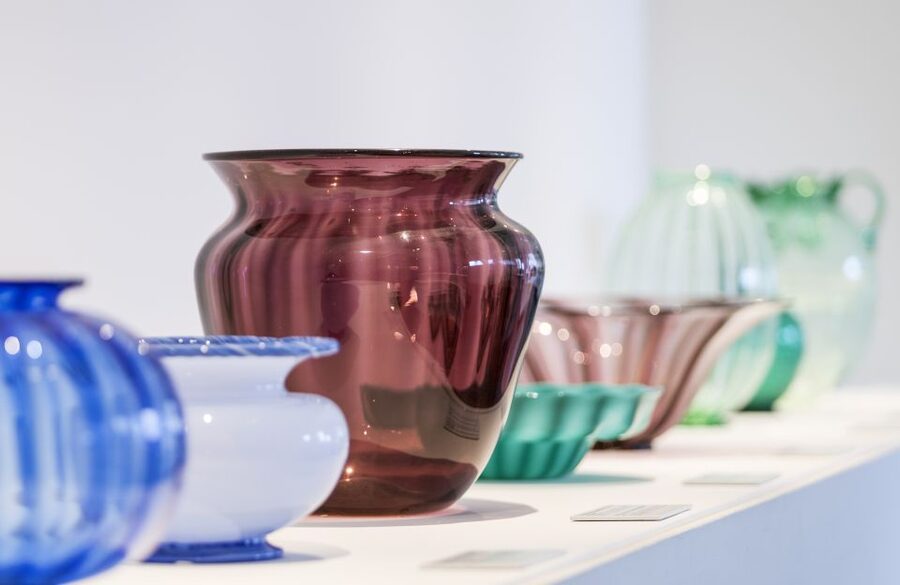
The museum experience isn’t only about finished items. It’s also designed to help you understand the secrets of glass blowing and the techniques behind the objects. That’s important because Murano glass can look magical from the outside, but the magic makes more sense when you see what the maker was trying to achieve.
You should expect to see stunning glasswork across different types of items. The information provided highlights glass objects and jewelry, and that mix matters. Glassmaking skills show up in how the piece holds color, how it’s shaped, and how delicate details are formed. Seeing both jewelry and broader glass objects helps you connect craftsmanship to function—ornament versus display versus collectible art.
Even if you’re not a glass expert, you’ll probably find yourself doing a quiet “comparison game.” One piece makes you notice color layering. Another makes you notice how the surface is treated. The chronological ordering helps because those observations feel connected rather than random.
17th-Century Focus: Why That Time Period Matters
The museum highlights 17th-century glasswork, and that’s not just a date for history fans. It’s a period that often marks a shift toward more recognizable artistic styles and a stronger push toward display-worthy craftsmanship.
When you see older glasswork, the differences can be subtle unless you slow down. But the museum format—walking through time—gives you permission to take that slower look. You’re able to build a mental map of how the craft developed rather than only spotting “cool examples.”
If you’re the type who likes to understand what makes an object special, this section is likely where you feel the most satisfaction. The 17th-century focus turns the museum from a visual experience into a “how did they do this?” experience.
You can also read our reviews of more museum experiences in Venice




How Long It Takes: A 1-Day Plan That Can Feel Flexible
The duration is listed as 1 day, and you explore at your own pace. That means you can make the museum fit into a larger Murano or Venice day.
One practical reality: the museum visit can feel fairly efficient. The experience description doesn’t force a long guided circuit, and the self-paced format often means you’ll be able to see a lot without dragging the day out. That said, don’t assume you’ll sprint through everything. If you really like Murano glass jewelry and close-up details, you’ll want extra time for lingering.
A good strategy for pacing: aim to hit the key sections first, then return to the areas that you couldn’t stop looking at. Since there’s no live guide, you’re not tied to a strict narration schedule, so your time is best spent on what interests you.
Price and Value: Is $11 a Good Deal
At $11 per person, this entry ticket is priced like a museum that’s trying to be accessible. The value comes from what’s included: museum entry itself, plus optional 1-day public transport ticket if you select it.
The best “value logic” here is that you aren’t paying for guiding—so you’re spending your money on access to the collection and the freedom to explore. If you’re comfortable reading exhibit information at your own pace, the ticket often feels like a smart buy.
The tradeoff is also clear: without a live guide, you’re relying on the museum’s own explanations. That doesn’t make the experience worse, but it changes the style of learning. If you want a person to interpret each technique in context, you might prefer a guided option elsewhere. If you love looking closely and figuring things out yourself, this is a strong fit.
One more potential cost factor: the Venice Access Fee rule during 18 April 2025 to 27 July 2025. That fee isn’t included in your ticket info here, but it can affect your overall budget during those dates. Check the official city site so you’re not surprised.
Practical Planning Tips That Make the Difference
Here’s what I’d do before you go, based on the details provided:
- Check the museum website for opening dates and times. The ticket is tied to specific starting times availability, and you want the latest hours before you travel.
- Plan your route to Murano with buffer time. You’re on island time once you arrive.
- Confirm whether you need to budget for the Venice Access Fee during 18 April 2025 to 27 July 2025 by checking cda.ve.it.
- Remember it’s non-refundable. If your plans are shaky, rethink your timing and lock it in only when you’re confident you can use the ticket.
Also, this experience is listed as wheelchair accessible, which is a big plus for visitors who need mobility support. If that’s you, it’s still worth checking any on-site specifics on the museum website so your day runs smoothly.
Who This Murano Glass Museum Ticket Suits Best
This works especially well if:
- You’re into Murano glass jewelry and want time to look at pieces closely.
- You enjoy self-paced museum wandering and don’t need a live narration.
- You like understanding changes across time, not just seeing a few standout items.
You might want to consider a different format if:
- You want a live guide to explain every technique and historical detail in real time.
- You prefer a tightly timed experience with someone setting expectations minute by minute.
For many people, it lands in the sweet spot: focused enough to be satisfying, flexible enough to fit a Venice day.
Should You Book This Ticket?
Yes, I think this is a solid booking if you’re excited about Murano glass and want easy, affordable entry to a collection built around chronology and craftsmanship. The self-paced format is a real strength here. You can slow down for jewelry, spend time on technique-related displays, and then come back to the older pieces for comparison.
Book it confidently if you’re the kind of traveler who enjoys looking closely and reading exhibit info at your own speed. Just don’t ignore the practical stuff: check opening hours, watch for the Venice Access Fee window in 2025, and remember there’s no live guide included.
FAQ
How much is the Murano Glass Museum entry ticket?
The price is listed as $11 per person.
Is this a guided tour?
No. The entry ticket includes the museum visit, but it does not include a live guide.
Where is the museum located?
The Glass Museum is on Murano island in the Venice area (Veneto, Italy).
How long is the experience?
The experience is listed as 1 day and you can explore the museum at your own pace.
What’s included with the ticket?
You get entry tickets to the Glass Museum on Murano island. If you select the option, you also get a 1-day public transport ticket.
Is the ticket refundable?
No. This activity is listed as non-refundable.
Is the museum wheelchair accessible?
Yes, it is listed as wheelchair accessible.
Are there extra fees for visiting Venice during certain dates?
Yes. Between 18 April 2025 and 27 July 2025, Venice may require an Access Fee for visitors, with specific exemptions. You should check cda.ve.it for details and how to pay.