REVIEW · VENICE
Venice, Submarine Enrico Dandolo and Naval History Museum
Book on GetYourGuide →Operated by D'Uva · Bookable on GetYourGuide
Steel warfare meets Venice calm. Step inside the Enrico Dandolo and you’ll see Cold War engineering up close—especially the control room and torpedo launching chamber. The experience is thrilling, but the submarine is tight and enclosed, so it’s not for anyone who struggles in narrow spaces or feels claustrophobic.
I also like that you’re not paying for one room and done. With your ticket, you get a two-day museum pass for the Naval Historical Museum of Venice (MUNAV) and the Ships Pavilion, in addition to the submarine visit—so you can match the experience to your pace. It’s located right by the ancient Venice Arsenal area, about a 5-minute walk from Piazza San Marco, which makes it easy to fit into a Venice day.
In This Review
- Key highlights you’ll remember
- Cold War steel in the Venice Arsenal: the Enrico Dandolo
- Entering the control room and torpedo spaces
- 1.5 hours and a group of 10: how the flow really works
- MUNAV and the Ships Pavilion: making the most of your two-day pass
- Price and value: is $30 worth it?
- Who should book (and who should skip)
- Practical tips: what to bring, what to wear, and timing
- Should you book the Enrico Dandolo submarine and MUNAV combo?
- FAQ
- How long is the submarine visit?
- What’s included with the $30 ticket?
- Can I visit the museum after the submarine tour?
- What ages are allowed?
- Is it suitable for wheelchair users or people with claustrophobia?
- What languages are available for the audio guide?
Key highlights you’ll remember
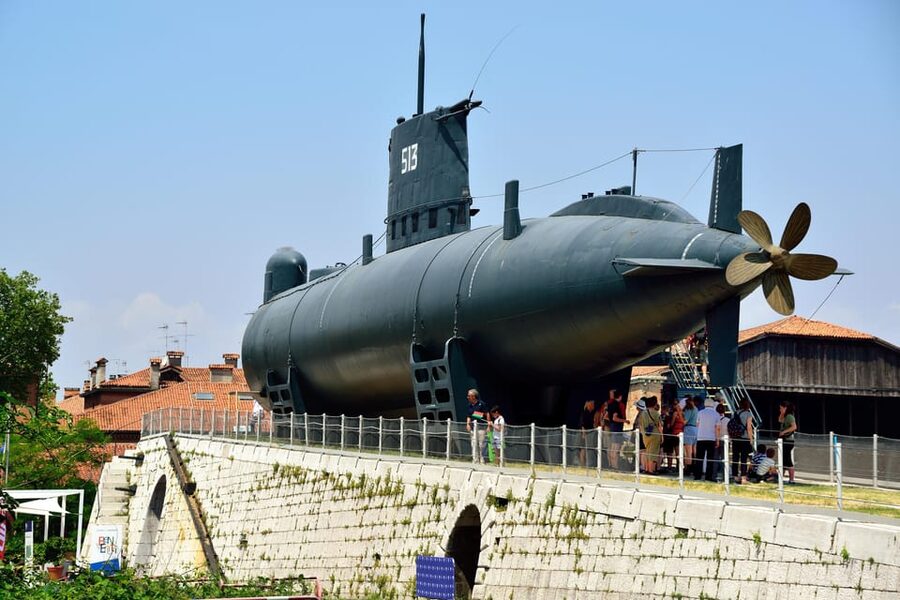
- A real Cold War submarine you can walk through: Enrico Dandolo, one of the first Italian Cold War submarines.
- Control room plus torpedo launching chamber: two spaces that feel like you’ve stepped back into service.
- Museum access for two days: MUNAV and the Ships Pavilion included with your ticket.
- Small group, max 10 people: more human pacing than a big crowd.
- Audio guide in multiple languages: Italian, Spanish, French, German, and English.
- Venice Arsenal buildings can run cold: bring layers; I found warmth makes a huge difference.
Cold War steel in the Venice Arsenal: the Enrico Dandolo
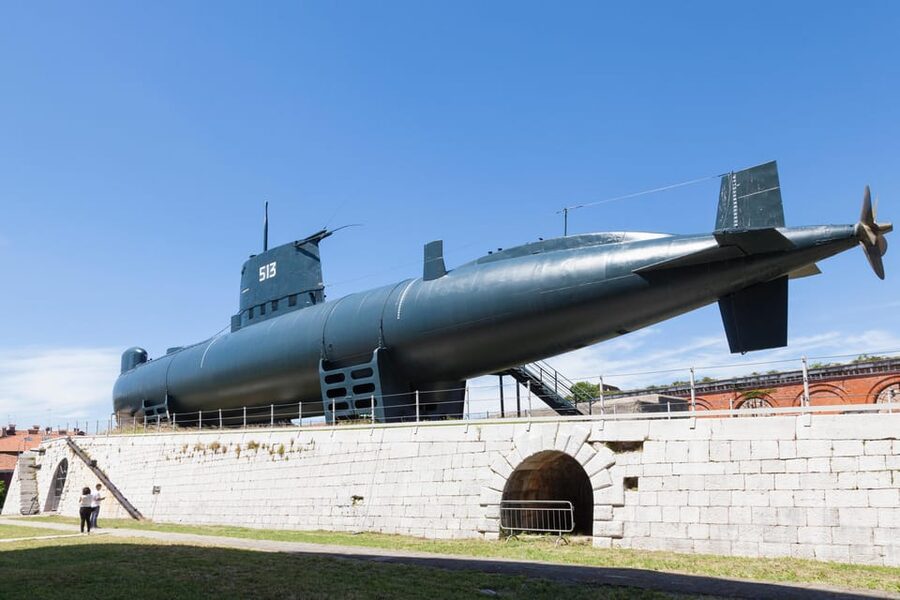
This is Venice, but it doesn’t look like Venice—at least not at first. The submarine is inside the Venice Arsenal, so your mental picture shifts from gondolas and facades to military industry and maritime logistics. The Enrico Dandolo is 46 meters long and nearly 5 meters wide, and it’s part of the story of the Italian Navy rebuilding after WWII and stepping into Cold War technology.
Why I think this matters: you’re not just looking at a preserved object from behind a fence. You’re entering a vessel designed to be silent, maneuverable, and fast, with advanced tech meant for tense scenarios. The key point here is historical: these submarines were equipped with technology that—fortunately—was never used offensively. That’s a subtle theme you’ll feel as you move through the spaces. It’s Cold War hardware with a lesson in restraint.
Also, the setting changes the rhythm of a Venice visit. If you’ve been doing churches and canals all day, the Arsenal area gives you a different lens on what Venice is really made of: sea power, shipbuilding, and navigation—just with a more modern, steel-and-engineering edge.
You can also read our reviews of more historical tours in Venice

Entering the control room and torpedo spaces
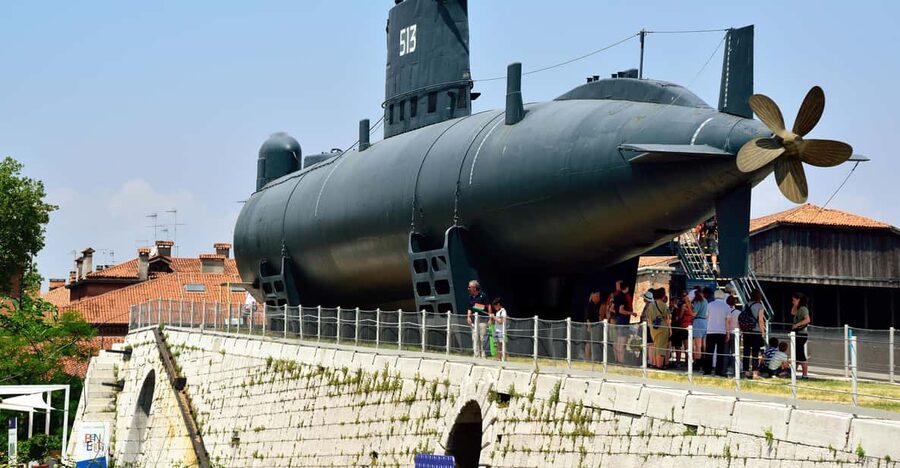
The submarine part is the main event, and it’s built around two big access points: the control room and the torpedo launching chamber. Even if you’re not a naval-history superfan, you’ll get something out of seeing how submarines are organized. These spaces are about command, control, and what the crew would need to operate under difficult conditions.
Here’s what the layout does to your experience. On land, it’s easy to assume “submarine = one tube.” Inside, you start to understand that a submarine is a system of tight compartments—each one designed for a specific job. When you stand where operators would have monitored key functions, it hits differently than reading a description in a book.
A second reason the submarine visit earns high marks: it’s intimate. Your group is limited to 10 participants, and you’re accompanied by an operator. That means you’re not stuck fighting for space in a giant crowd. Instead, the experience moves in a controlled way, with time to listen to the audio guide and look carefully at what’s in front of you.
Practical note: the submarine environment is narrow and enclosed by design. That can be uncomfortable for some people even when they’re curious. If you’re the kind of person who already hates small elevator spaces or dark corridors, take that seriously before you go.
1.5 hours and a group of 10: how the flow really works
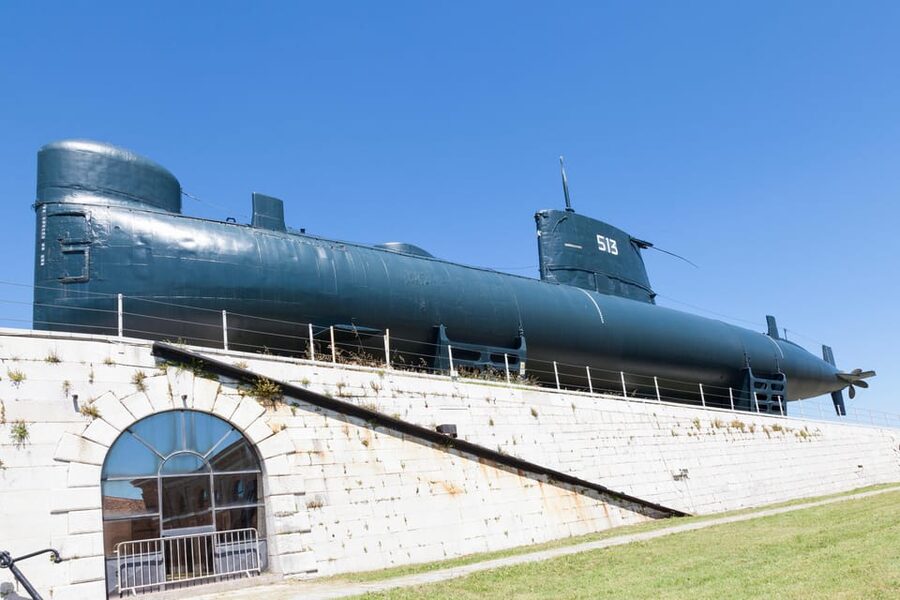
The submarine visit lasts about 1.5 hours total. That time window is short enough to feel focused, but long enough to make the entry worth it instead of feeling rushed.
What you’ll likely feel is a blend of guided direction and self-paced learning:
- You’re in a small group (up to 10).
- An operator accompanies you.
- You use an audio guide as you move through the submarine and its key areas.
That structure is usually a good match for mixed interests. Some people want to listen closely. Others just want to look. The audio guide helps you do both without forcing a full “lecture” style.
There’s also a timing detail that can affect the rest of your day: for the 3pm tour, you won’t have time to visit the museum after the submarine stop. The smart move is to visit MUNAV first, then do the submarine—more on that in the planning section below.
MUNAV and the Ships Pavilion: making the most of your two-day pass
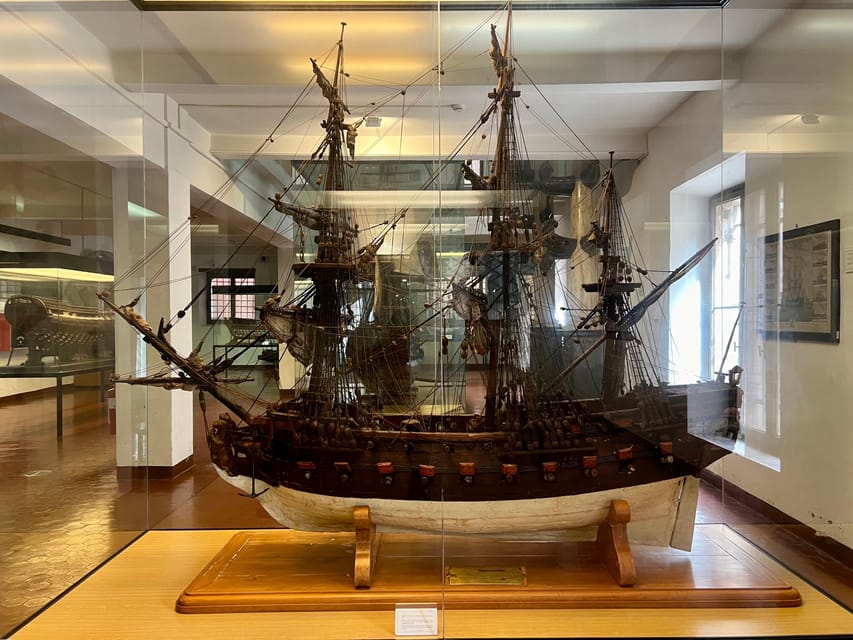
Here’s the value play: your ticket isn’t just a submarine entry. It includes admission to the Naval Historical Museum of Venice (MUNAV), the Ships Pavilion, and the submarine, with access for two days.
MUNAV is large—about 6,000 square meters of exhibition space across five floors. That matters because it gives you options. If you’re tired after the Arsenal submarine visit, you can shift the museum exploration to another day when your legs and attention are fresher. If you love maritime artifacts, you can spend more time there without feeling like you must rush.
What makes this museum add something different is the topic range. The submarine is a Cold War machine. MUNAV is Venice’s longer naval story. Together, they connect the dots between the Navy as an institution and the vessels as working technology—how maritime power evolved, how ships were built and used, and what Venice’s sea identity has meant over time.
One more helpful detail: MUNAV is owned by the Italian Navy. That tends to show in the way the museum is presented—more “official maritime narrative” than random collectibles.
And if you’re wondering whether this will feel like a break from classic Venice sights: yes. This is exactly the kind of stop that changes the mood of a trip. Instead of chasing views, you’re learning how ships and naval operations shaped the city.
Price and value: is $30 worth it?
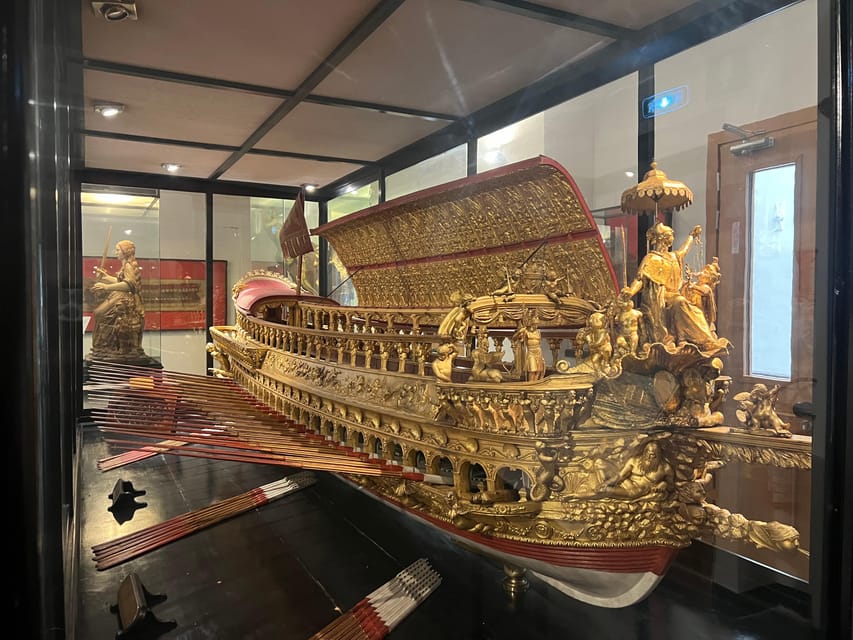
At $30 per person, this can feel like a reasonable “experience ticket,” but the real question is what you get for that money.
You’re paying for three things at once:
- Access to the Enrico Dandolo submarine, including entry to the control and torpedo spaces.
- A ticket that also covers MUNAV (the Naval Historical Museum of Venice) and the Ships Pavilion.
- An audio guide experience designed to work in multiple languages.
Then there’s the small-group element. A group capped at 10 helps you feel like the venue is working with you, not against you. That’s part of why people often rate this highly: the submarine is the kind of place where crowding can ruin the magic.
One more value lever: your ticket covers the museum for two days. That gives you flexibility. You don’t have to squeeze everything into one frantic afternoon. If you’re doing Venice in short bursts, that flexibility is worth something.
Bottom line: I’d call it good value if you’re even mildly interested in maritime tech or naval history, and if you’re willing to spend more than 90 minutes total on this area (because the museum is where you can stretch out).
You can also read our reviews of more museum experiences in Venice






Who should book (and who should skip)
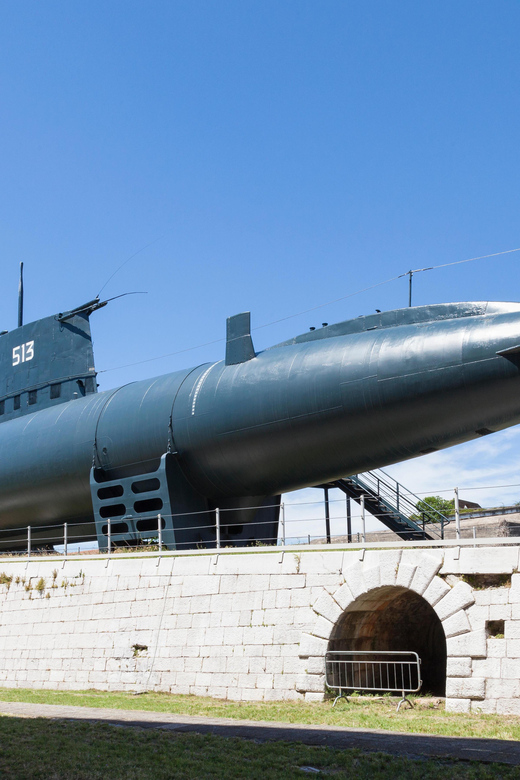
This tour fits best if you:
- Like hands-on, real-space history (not just glass cases).
- Enjoy technical settings like control rooms and machinery areas.
- Want a break from the usual Venice checklist and prefer something a bit more purposeful.
It’s also a decent option for older kids (with rules). The visit starts from age 6, but children under 14 can only enter if they’re accompanied by an adult holding a ticket. So plan like you would for any structured family activity—bring the adult, and expect a setting with tight spaces.
You should skip or think twice if you:
- Have claustrophobia or difficulty staying in enclosed and narrow spaces. This is not a wide-open museum hall.
- Need wheelchair access. Architectural barriers mean it’s not accessible for wheelchair users or severe motor disability.
That last point is important. Submarines are built for function, not for accessibility. If accessibility is a must for you, look for another option in the Arsenal area that’s designed around open, reachable spaces.
Practical tips: what to bring, what to wear, and timing
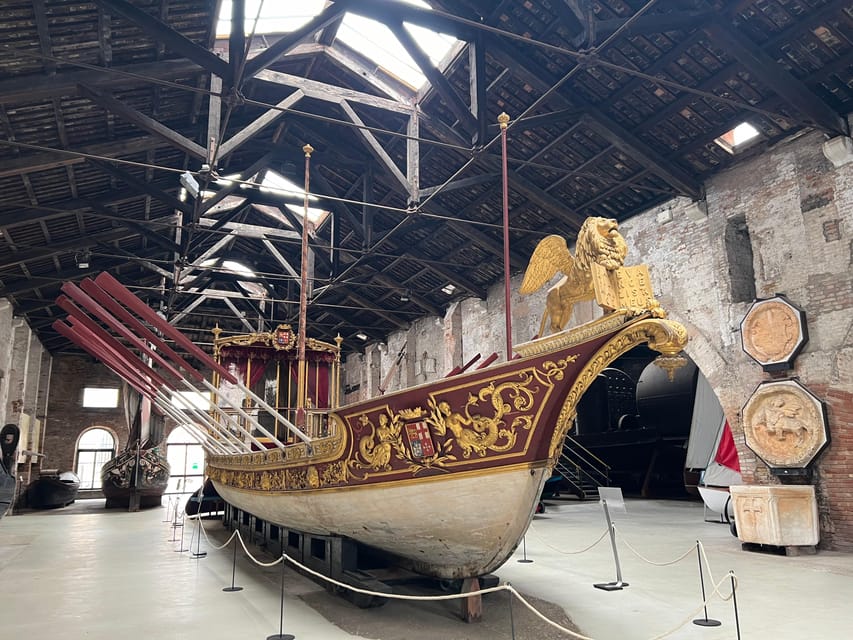
A few small choices can make this much smoother.
Bring a passport or ID card. You’ll need it for entry.
Wear warm layers. The submarine and Arsenal buildings can be cold, and that’s not a minor detail—you’ll feel it over time. If you tend to get chilly easily, dress for “cool interior,” not “Italian spring stroll.”
Plan your museum timing carefully if you’re going at 3pm. For the 3pm tour, you won’t have time to visit the museum afterward. Your best strategy is to visit MUNAV before you do the submarine. If you miss that window, you can visit the museum the following day because you have two days of access.
Use the audio guide proactively. The audio guide is included and available in Italian, Spanish, French, German, and English. Even if you prefer reading, the audio helps you understand what you’re looking at while you’re standing inside the spaces where the labels might not tell the full story.
Finally, remember the visit is 1.5 hours for the submarine portion. Keep your expectations realistic: this is a concentrated tour of specific compartments, not a full-day crawl of every corner of the Arsenal.
Should you book the Enrico Dandolo submarine and MUNAV combo?
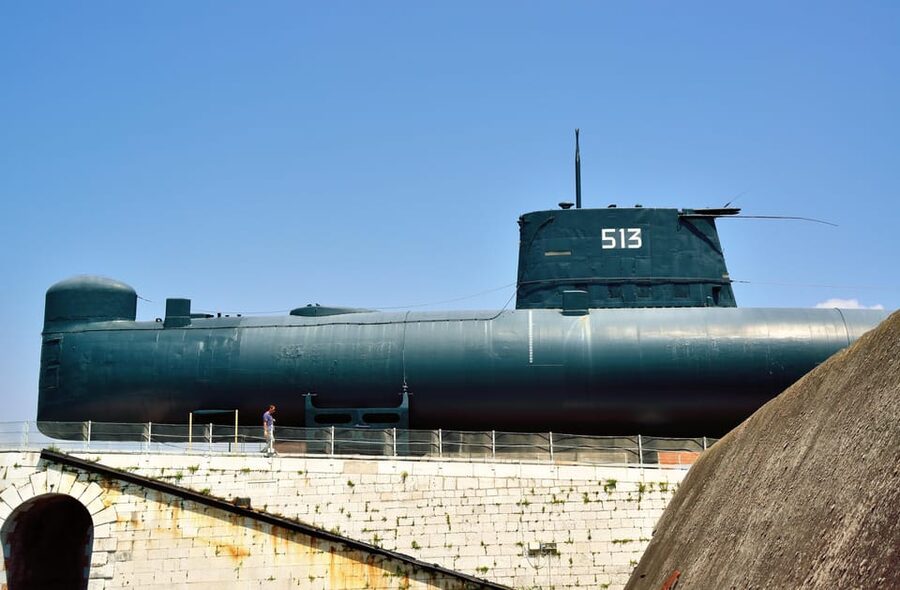
Book it if you want a Venice experience with engineering and a real “time machine” feeling. The best part is that you’re not only learning about naval history—you’re stepping into the control room and torpedo launching chamber, then extending the story with MUNAV over the next day or two.
Don’t book it if your comfort depends on wide, airy spaces. Tight corridors are the whole point of a submarine, and claustrophobia isn’t something to gamble on.
If you can, plan around the museum first—especially for the 3pm slot—so you don’t lose the chance to spread out your two-day pass.
FAQ
How long is the submarine visit?
The submarine experience runs for about 1.5 hours.
What’s included with the $30 ticket?
Your ticket includes the small-group visit to the Enrico Dandolo submarine (with an operator), an audio guide, and admission tickets to the Naval Historical Museum of Venice (MUNAV), the Ships Pavilion, and the submarine.
Can I visit the museum after the submarine tour?
Yes, your ticket includes MUNAV and the Ships Pavilion for two days. However, for the 3pm tour, you won’t have time to visit the museum after the submarine. Plan to visit the museum before the submarine, or plan to go the next day.
What ages are allowed?
The visit starts from 6 years old. Children under 14 can enter only if accompanied by an adult holding a ticket.
Is it suitable for wheelchair users or people with claustrophobia?
No for wheelchair access. Architectural barriers prevent access for visitors in wheelchairs and with severe motor disabilities. It’s also not recommended for people who have difficulty staying in enclosed and narrow spaces, including those with claustrophobia.
What languages are available for the audio guide?
The audio guide is available in Italian, Spanish, French, German, and English.